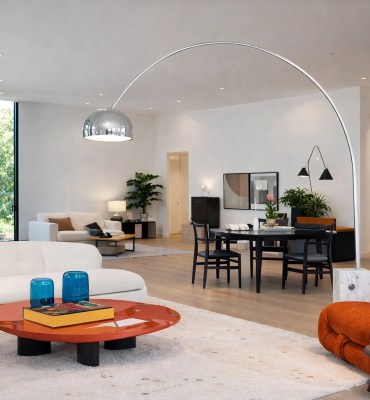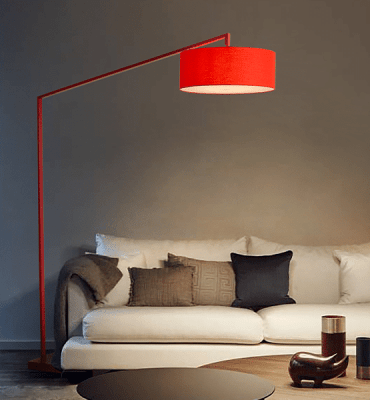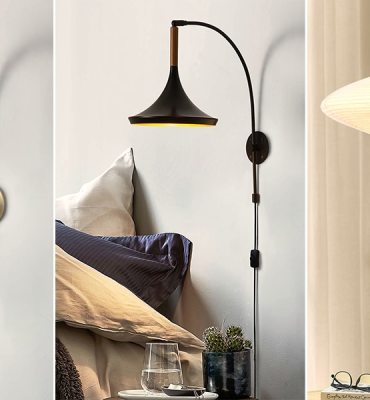



There is a moment when a room changes. Not because you repainted the walls or bought new furniture, but because the light changed. That is what pendant lights do. They are not just fixtures. They are statements. They shape how a space feels, how a meal tastes, how a conversation flows. And when you choose the right one, the whole room comes alive in a way no other lighting solution quite replicates.
At NOVA of California, we have worked with homeowners across the USA who came to us with the same feeling: their space had good bones but something was missing. More often than not, the answer was hanging right above their heads.
This guide is built for anyone who wants to use pendant lighting intelligently, not just decoratively. Whether you are outfitting a new build, refreshing a dated kitchen, or trying to bring warmth to a cold living room, what follows will give you the knowledge to make confident choices.
What Are Pendant Lights and Why Do They Matter
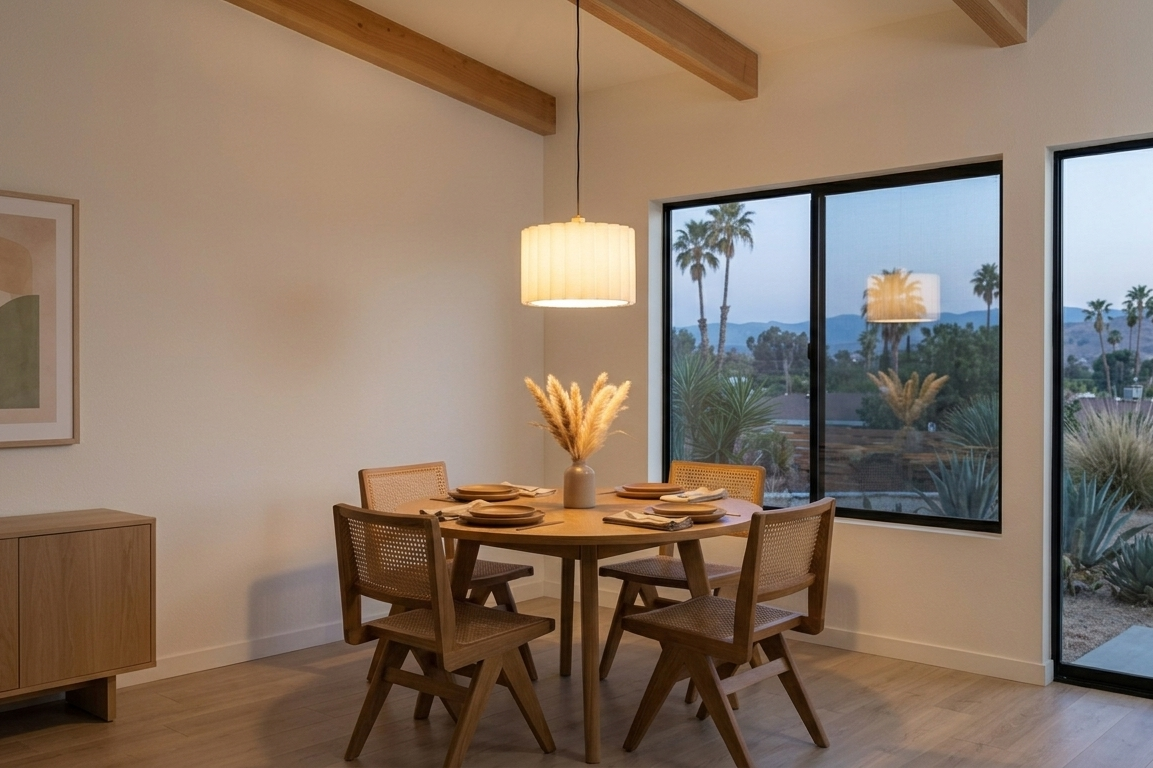
Pendant lights are suspended light fixtures that hang from the ceiling by a cord, chain, or rod. Unlike recessed lighting that disappears into the ceiling or floor lamps that anchor to the ground, pendant lights occupy the middle space of a room and draw the eye directly to them.
That middle zone is where human interaction happens. It is where you sit at a dinner table, where you stand at a kitchen island, where you read in your favorite chair. Pendant lighting meets you there, which is exactly why it is so effective at changing the feel of a room.
From an interior design standpoint, pendant lights serve three functions simultaneously. They provide practical illumination for tasks or ambiance. They act as sculptural art that contributes to the visual identity of the room. And they frame space, essentially telling the eye where to focus and where the important activity zones are.
The popularity of pendant lights in USA homes has grown significantly over the past decade. A large part of that growth comes from the explosion of styles available. Today you can find pendants that fit a coastal cottage, a downtown loft, a farmhouse kitchen, or a minimalist Scandinavian apartment. There is a version that works for every taste, and the challenge is no longer finding something attractive but knowing how to choose well.
The Different Types of Pendant Lights
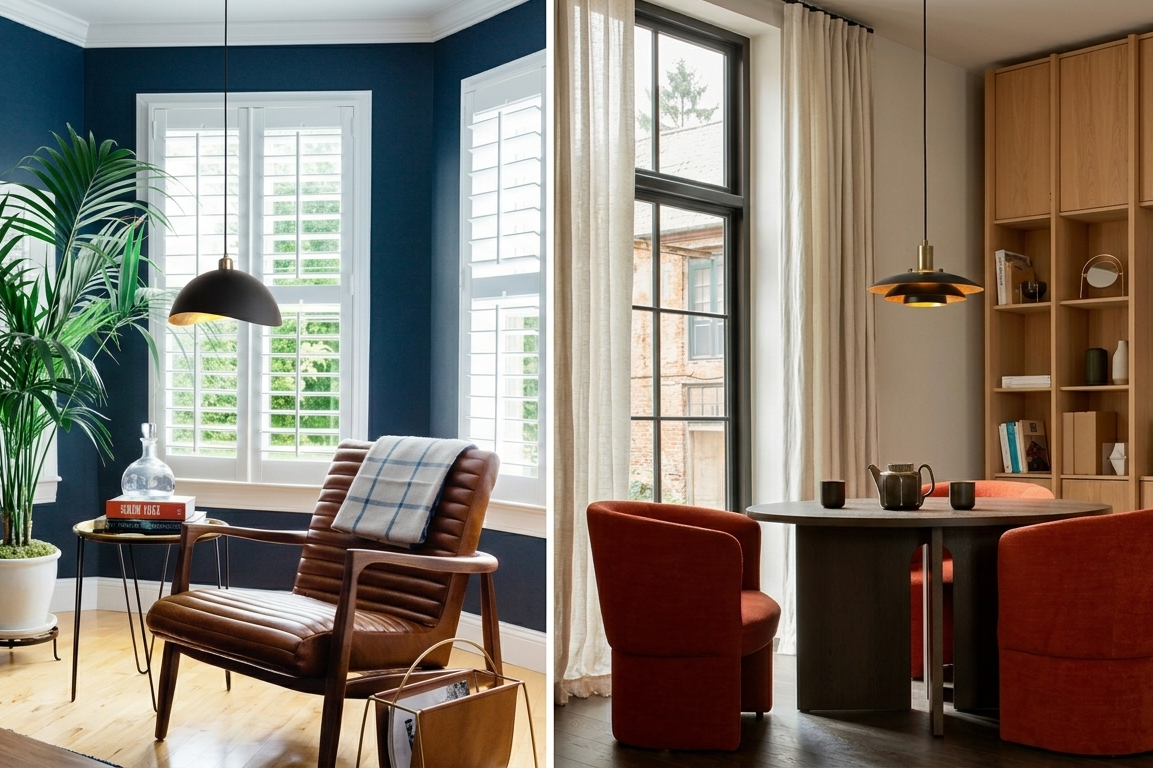
Before you shop, it helps to understand the main categories. Each type has a distinct silhouette, light output pattern, and ideal use case.
Mini Pendants
Mini pendants are compact fixtures, typically under 10 inches in diameter, designed to provide focused task lighting. They work beautifully over kitchen islands when grouped in a row, in hallways where you want repetition and rhythm, or in pairs flanking a bathroom mirror. Because of their small scale, they almost never overwhelm a space, which makes them a safe starting point for first-time pendant buyers.
Globe Pendants
Globe pendants feature a round, spherical shade that disperses light in multiple directions. This makes them one of the best options for general ambient lighting. A frosted glass globe over a dining table creates a soft, flattering glow that is genuinely hard to replicate with any other fixture type. Clear glass globes, on the other hand, let the bulb become part of the visual, which suits industrial or modern interiors particularly well.
Drum Shade Pendants
Drum pendants have a cylindrical fabric or metal shade that softens and diffuses light downward and slightly outward. They feel residential and cozy, making them a natural fit for bedrooms, reading nooks, or living rooms where you want warmth over drama. The fabric varieties come in dozens of textures and patterns, giving you an easy way to introduce color or textile interest to an otherwise neutral space.
Industrial and Pipe Pendants
These fixtures are characterized by exposed hardware, metal cages, Edison-style bulbs, and raw materials like cast iron, steel, and reclaimed wood accents. Industrial pendants are built to make a statement. They pair well with concrete floors, open shelving, brick walls, and high ceilings. If your home has an urban, loft-inspired, or workshop aesthetic, this category was made for you.
Lantern Pendants
Lantern-style pendants have an open metal frame, often inspired by traditional gas lanterns. They work especially well in transitional and traditional homes, particularly in entryways, porches covered by a pergola, or dining rooms with a classic design direction. Many of the best lantern pendants available in the USA today blend vintage proportion with modern finishes like matte black or brushed nickel.
Cluster and Multi-Light Pendants
A cluster pendant groups multiple bulbs or small shades together on a single canopy. The result is a constellation effect that is genuinely dramatic. These are statement fixtures that work best in double-height foyers, great rooms, or any space with a ceiling at 10 feet or above. When done well, a cluster pendant is the kind of fixture that stops guests mid-conversation.
Rattan and Woven Pendants
Rattan, seagrass, and woven bamboo pendants have become one of the defining fixtures of the coastal and boho interior movements. They bring texture, warmth, and an organic quality that is hard to achieve with glass or metal. Natural material pendants work particularly well in bedrooms, sunrooms, and living areas where you want the room to feel layered and relaxed.
| Light Style | Best Room | Ceiling Height | Mood |
| Mini Pendant | Kitchen island, hallway | 8 ft | Focused, task-oriented |
| Globe Pendant | Dining room, living room | 9 ft | Warm, inviting |
| Drum Shade | Bedroom, reading nook | 8-9 ft | Soft, diffused |
| Industrial Pipe | Home office, loft | 10+ ft | Bold, modern |
| Lantern Pendant | Entryway, porch | 9-10 ft | Classic, welcoming |
| Cluster / Multi | Great room, foyer | 10+ ft | Statement, dramatic |
| Rattan / Woven | Boho living area, bedroom | 8-9 ft | Natural, relaxed |
Choosing the Right Pendant Light for Each Room

The room matters as much as the fixture. Here is how to think through each space.
Kitchen Pendant Lights
The kitchen island is the most common application for pendant lighting in American homes. The standard rule is to hang pendants 30 to 36 inches above the countertop surface for an 8-foot ceiling, adding roughly 3 inches for each additional foot of ceiling height. For a 4-foot island, two pendants in the 6 to 8 inch diameter range strike a clean balance. For a 6-foot island, three pendants give you symmetry without crowding.
Material and finish should work with your hardware and cabinetry. If your kitchen features brushed brass faucets and cabinet pulls, a brass or warm gold pendant picks up that detail and ties the room together. Matte black pendants have become the most popular kitchen pendant finish in the USA over the last several years because they read as both modern and versatile.
Example: A homeowner in Southern California with white shaker cabinets and quartz countertops installed three black metal dome pendants over their island. The contrast was immediate and impactful, drawing the kitchen into a more defined, intentional aesthetic within a few hours of installation.
Dining Room Pendant Lights
Over a dining table, the pendant or chandelier-style fixture is the single most important lighting decision you will make. The fixture should be 12 inches narrower than the table on each side, meaning a 36-inch wide table pairs well with a pendant up to 24 inches in diameter. Hang it so the bottom of the shade sits 30 to 34 inches above the tabletop.
For the dining room, warmth is the goal. Bulbs in the 2700K range create an incandescent quality that makes food look appealing and faces glow. A dimmer switch is not optional in the dining room. It is essential.
Living Room Pendant Lights
Living rooms are trickier because they are multi-functional. Pendant lighting works best in the living room when it is layered with other sources, not used alone. A large pendant or cluster can anchor a seating area the same way a coffee table does, creating a visual center of gravity. Position it over the conversation area, centered between the sofa and any facing seating.
In open-plan layouts, pendant lights are excellent tools for zone definition. A pendant over the living area tells the eye where that zone begins and ends, which helps the space feel organized even without physical walls.
Bedroom Pendant Lights
Bedside pendants hanging from the ceiling in place of table lamps are a trend that has moved from boutique hotels into everyday residential design. They free up the nightstand surface, allow for precise height adjustment, and look effortlessly curated. Hang bedroom pendants so the bottom of the shade falls at eye level when you are sitting up in bed, typically around 24 to 30 inches above the mattress surface.
Fabric drum shades, rattan shades, and frosted glass globes are the most popular choices for bedrooms because they produce soft, diffused light that does not feel harsh before sleep.
Entryway and Foyer Pendant Lights
The entryway is the first impression of your home. A well-chosen pendant in the foyer sets the tone for everything that follows. For a two-story foyer, a large lantern, globe, or cluster pendant hung high can be genuinely breathtaking. For a single-story entry with a standard ceiling, a mid-scale fixture in a finish that previews the rest of your home’s palette works best.
Height is particularly important here. You want the bottom of the fixture at least 7 feet above the floor to avoid any risk of it interfering with tall guests or movers.
Pendant Lights vs Other Ceiling Light Options
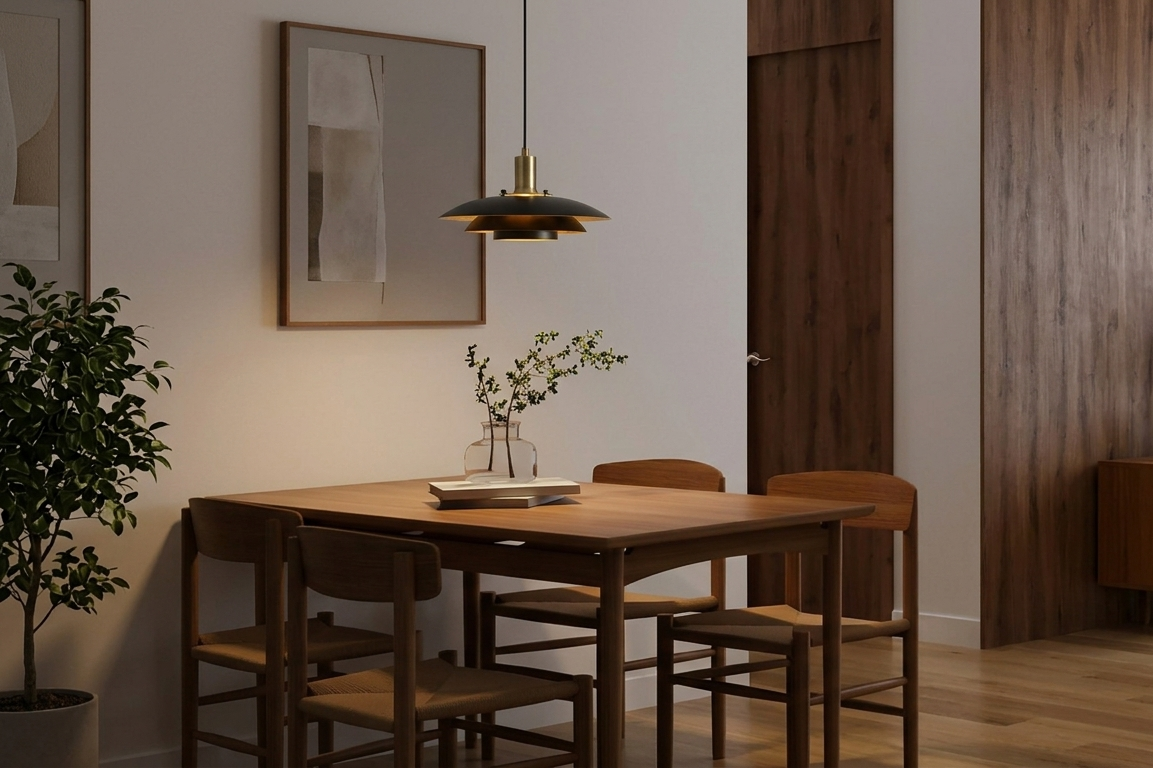
Not every space calls for a pendant. Here is a direct comparison to help you decide.
| Feature | Pendant Lights | Flush Mount | Chandelier |
| Visual Impact | High | Low | Very High |
| Ideal Ceiling Height | 8 ft+ | Any height | 10 ft+ |
| Directional Light | Yes | No | Partial |
| Cost Range | Moderate | Budget-friendly | Premium |
| Installation Ease | Moderate | Easy | Complex |
| Style Versatility | Very High | Moderate | Moderate |
The main advantage pendant lights have over both flush mounts and chandeliers is versatility. They scale from a single small fixture to a large dramatic cluster, they suit contemporary and traditional interiors equally, and they are the easiest of the three to update when you want to refresh your space.
How to Choose the Right Size Pendant Light
Sizing is where most homeowners make mistakes, and it is also where the biggest visual gains or losses happen.
The room size formula: Add the length and width of your room in feet. Convert that number to inches. The result is a good target diameter for a pendant shade in that room. A 10 x 12 foot room points to roughly a 22-inch pendant. A 14 x 16 foot room points to around 30 inches.
The island formula: For kitchen islands, one pendant for every 2 feet of island length. Space them evenly with at least 6 inches of clearance from the island ends.
The ceiling height formula: For dining and living areas, hang the bottom of the shade between 7 and 8 feet above the floor for general presence, or 30 to 36 inches above a surface for task-specific placement.
When in doubt, go slightly larger. A pendant that reads as too small in a room is a far more common problem than one that reads as too big.
Pendant Light Finishes and Materials: What Works Where
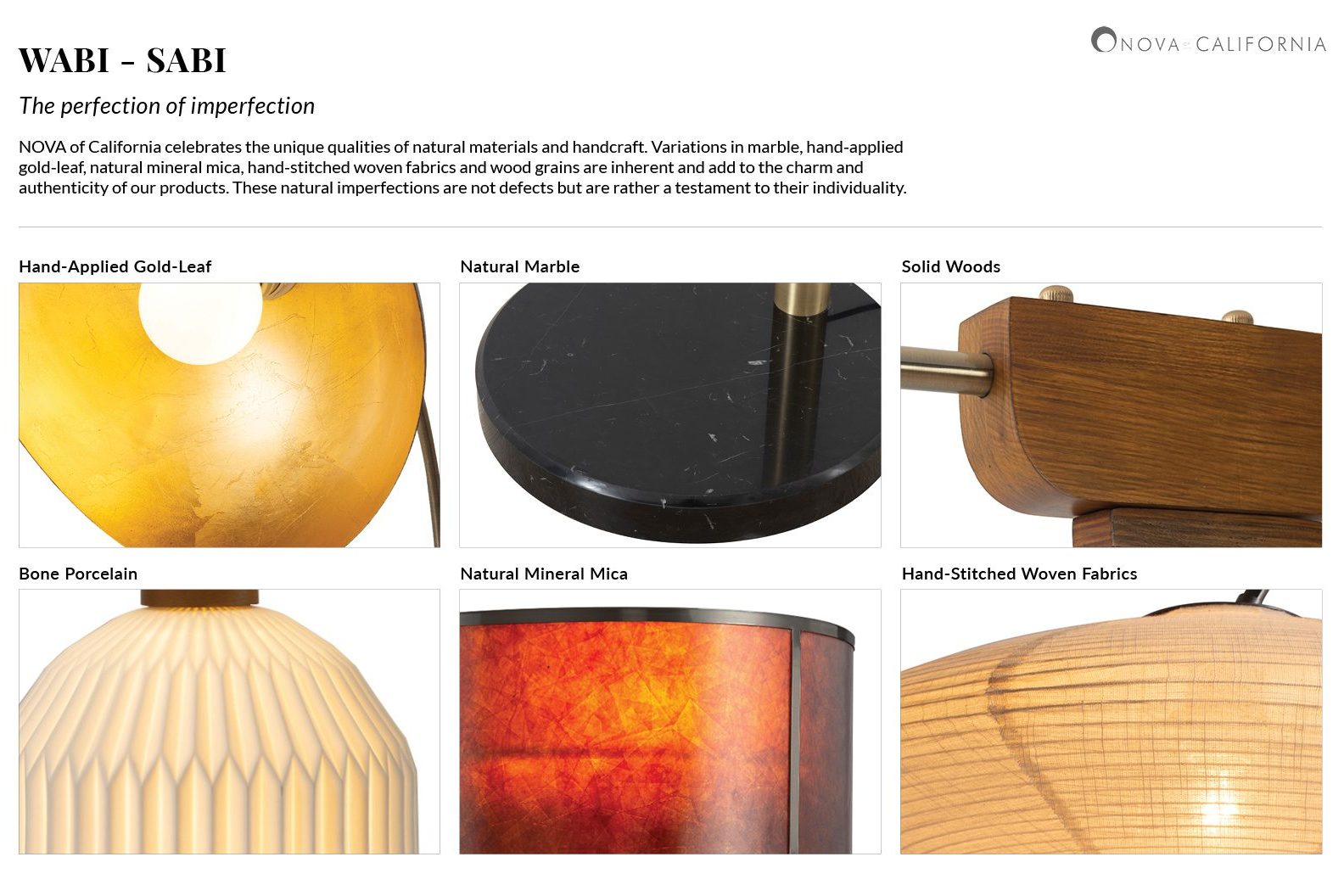
The finish of your pendant is a design detail that connects the fixture to the rest of the room. Here is how the most common finishes perform across different interior styles.
- Matte Black: The most versatile pendant finish available. Works in modern, industrial, farmhouse, and transitional interiors. Pairs cleanly with white, gray, natural wood, and brass accents.
- Brushed Nickel: A cool-toned classic that reads as clean and contemporary. Ideal for bathrooms, kitchens, and any space with stainless steel appliances or chrome hardware.
- Brushed Brass and Antique Gold: Warm, rich finishes that add a sophisticated layer to kitchens, dining rooms, and living spaces. Pairs beautifully with white marble, warm wood tones, and earthy textiles.
- Oil-Rubbed Bronze: A darker, traditional finish that suits craftsman, colonial, and transitional homes. Looks especially good against warm paint colors like terracotta, olive, or navy.
- Polished Chrome: High shine and very contemporary. Best in minimalist and modern interiors where reflective surfaces are already part of the palette.
- Natural Materials (Rattan, Bamboo, Linen): Not a metal finish but a design choice that bypasses the question entirely. These shades bring warmth and texture in a way metal cannot replicate.
Bulb Selection for Pendant Lights
The bulb inside a pendant is not a minor detail. It determines the quality, color, and mood of the light the fixture produces.
LED bulbs are the clear first choice for pendant lights today. They last significantly longer than incandescent or CFL options, use a fraction of the energy, and are now available in every color temperature and shape you might need. The running cost difference over the life of a pendant is meaningful, particularly in homes where lights run for several hours each day.
Color temperature is measured in Kelvins (K). For bedrooms and dining rooms, bulbs in the 2700K to 3000K range create a warm, amber-toned light that feels cozy and inviting. For kitchens, home offices, and workspaces, 3500K to 4000K provides a cleaner, cooler light that supports focus and task visibility. Avoid anything above 5000K in living spaces as it tends to feel clinical and harsh.
Bulb shape matters in open-shade or exposed pendants. Globe bulbs (G25) and Edison-style bulbs (A19 with a visible filament) are popular because they add visual interest even when the pendant is not illuminated. In closed shades or opaque fixtures, bulb shape is irrelevant since it will never be seen.
Always check the wattage and socket type specified by the pendant manufacturer before purchasing bulbs. Most modern pendants are designed for E26 medium-base bulbs, which is the standard USA residential socket size.
Installation Tips for Pendant Lights
Installing a pendant light is one of the more accessible home improvement tasks, but it does come with requirements that should not be skipped.
Electrical box rating: Any ceiling box that will support a pendant needs to be rated for the weight of the fixture. Standard plastic ceiling boxes are rated for light fixtures up to a certain weight. If your pendant is heavier, the existing box will need to be replaced with a fan-rated or heavy-duty box before installation. This step protects both the fixture and the ceiling.
Adjusting cord or rod length: Most pendants come with excess cord or a rod that can be adjusted to your preferred hanging height. Do this before mounting the fixture permanently. For rod-mounted pendants, most systems allow you to remove sections to reach the desired length. For cord or chain pendants, extra length is typically looped inside the canopy.
Dimmer compatibility: If you plan to use a dimmer switch with your pendant, verify that both the dimmer and the LED bulbs are rated as dimmable. Non-dimmable LEDs on a dimmer circuit can flicker, buzz, or fail prematurely.
For any new wiring run, junction box installation, or multi-fixture circuit work, hiring a licensed electrician is strongly recommended. Building codes across the USA require permitted electrical work in most cases, and a professional ensures the job is done safely and to code.
Layering Pendant Lights with Other Lighting
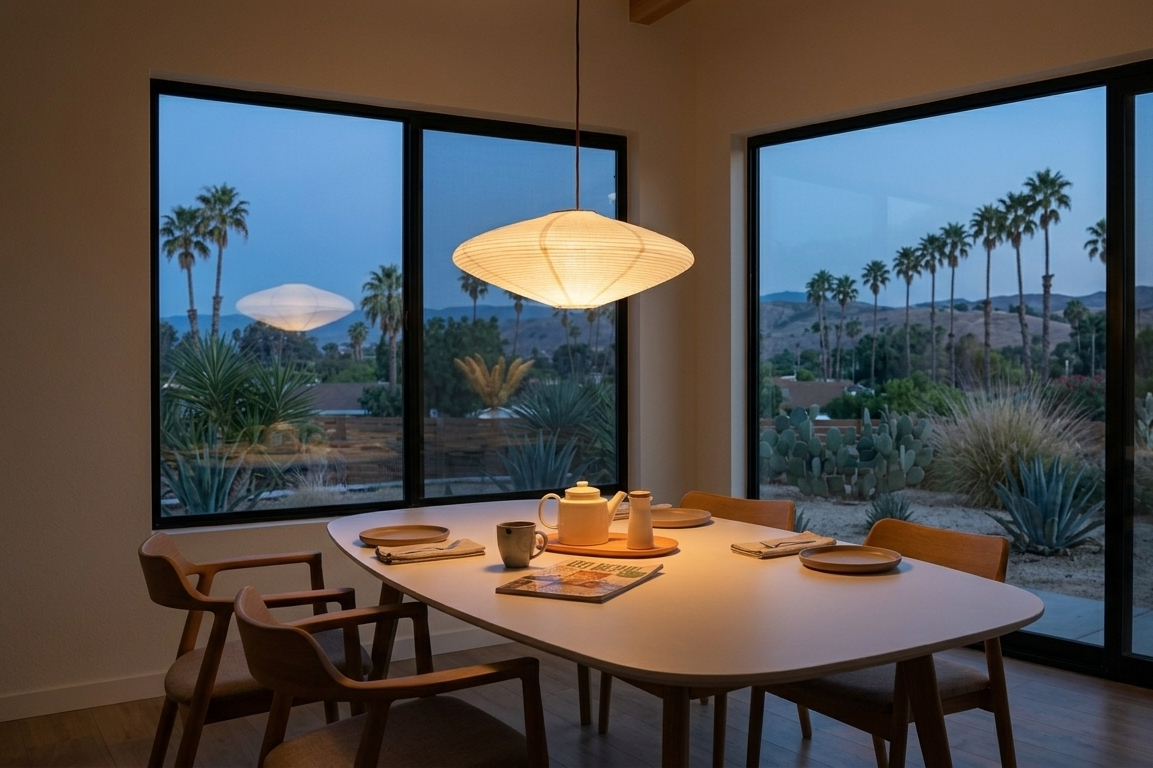
No single fixture type should carry all the lighting work in a room. The best-lit rooms in any home use layers.
Ambient lighting provides overall illumination. Recessed lighting, flush mounts, and overhead fixtures handle this layer. In most rooms, this is the baseline.
Task lighting addresses specific activity zones. Pendant lights over a kitchen island or reading chair are task lights. Under-cabinet lights in the kitchen serve the same purpose.
Accent lighting highlights architectural features, artwork, or objects. Picture lights, track lighting pointed at a gallery wall, and uplights inside a bookcase all serve this role.
Decorative lighting includes fixtures that are chosen as much for how they look as for how they perform. A beautiful rattan pendant over a dining table is part decorative, part ambient. An oversized cluster pendant in a foyer is largely decorative with some ambient contribution.
A well-layered room typically uses at least three of these four types simultaneously. Pendant lights are versatile enough to serve as task, ambient, or decorative fixtures depending on their placement and design. That flexibility is a significant part of what makes them such a valuable tool in home lighting design.
Trending Pendant Light Styles in USA Homes
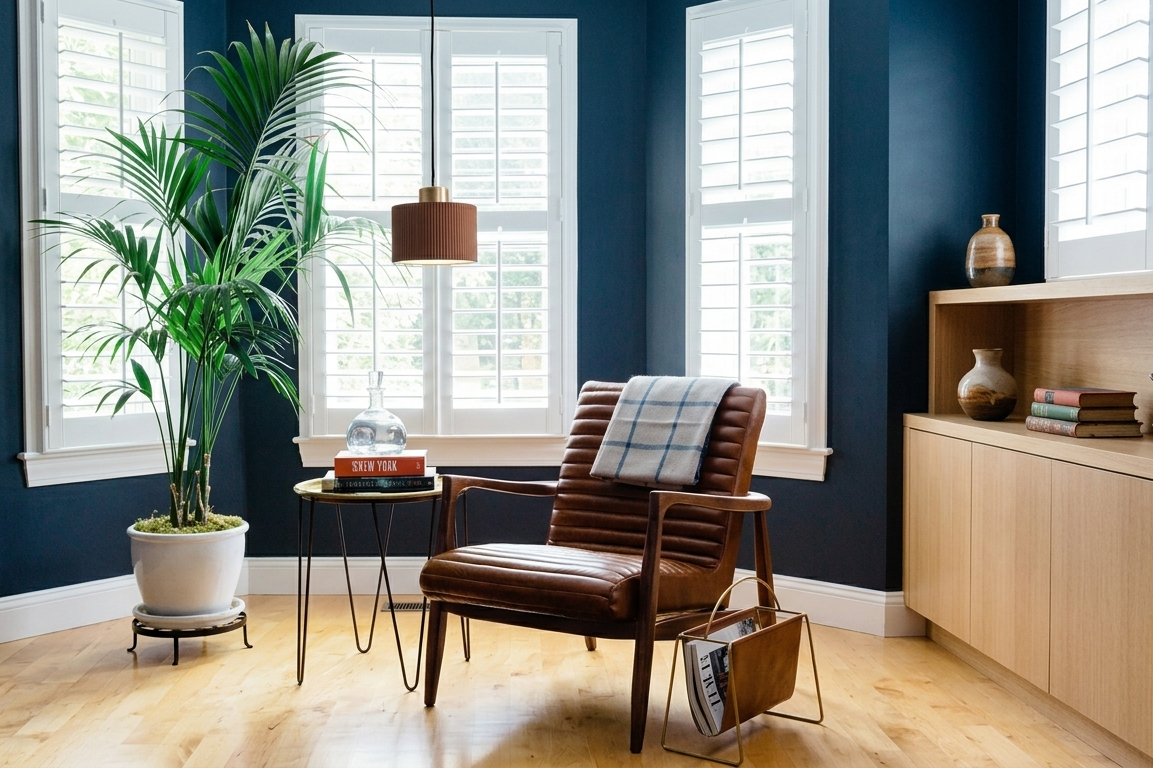
Design trends in pendant lighting have shifted noticeably over the past few years. Here is where the market is moving.
Japandi-inspired pendants are gaining significant ground. This style blends Japanese minimalism with Scandinavian warmth, resulting in fixtures with clean lines, natural materials, and a quiet confidence. Washi paper shades, simple wood accents, and pale ceramic forms fit this category.
Oversized single pendants are replacing the multi-pendant trend in some dining rooms. One large, commanding fixture with a dramatic silhouette reads as confident and curated in a way that a row of smaller pendants cannot always achieve.
Sculptural metal pendants with irregular shapes or asymmetric forms are appearing in higher-end residential projects. These are closer to art objects than traditional light fixtures, and they are priced accordingly.
Warm finishes returning: After a decade dominated by cool chrome and brushed nickel, warm brass, antique gold, and bronze finishes have reasserted themselves strongly in USA interior markets. This aligns with a broader return to warmth and natural tones in home design.
Smart-enabled pendants with built-in compatibility for systems like Alexa, Google Home, and Apple HomeKit are becoming more common in the mid-range market. The ability to adjust color temperature and brightness from a phone or voice command is no longer a luxury-only feature.
Common Mistakes to Avoid with Pendant Lighting
Even well-intentioned lighting decisions go wrong. Here are the most frequent mistakes and how to sidestep them.
- Hanging the pendant too high: When a pendant hangs too high above a surface, it loses its functional value and visual presence. Stick to the 30 to 36-inch rule above counters and tables.
- Choosing a pendant that is too small: A pendant that looks proportional on a product page can look lost in an actual room. When in doubt, go larger.
- Ignoring the existing finish palette: A chrome pendant in a room full of matte black hardware looks like an afterthought. Matching or intentionally contrasting finishes takes a few minutes of planning and makes a significant difference.
- Using non-dimmable bulbs on a dimmer circuit: This causes flickering, buzzing, and early bulb failure. Always verify dimmable compatibility before purchasing.
- Installing over an under-rated electrical box: This is a safety issue, not just an aesthetic one. Replace the box if needed before mounting a heavier fixture.
- Forgetting about glare: A bare bulb in an open pendant shade can cause direct glare if the bulb is at eye level when seated. Choose frosted bulbs, use a shade that directs light away from sightlines, or position the pendant so the bulb is above eye level when seated.
Why NOVA of California Pendant Lights Stand Out
NOVA of California has been designing and producing lighting solutions for USA homeowners and design professionals for years. The brand occupies a specific space in the market: well-crafted fixtures that prioritize both aesthetic quality and real-world usability, offered at a price point that makes them accessible to a wider audience than luxury imports but at a quality level that outlasts budget alternatives.
Every pendant in the NOVA of California collection is designed with the full context of a room in mind. That means proportions are right, finishes are consistent, hardware is solid, and the electrical components meet UL listing requirements for safe residential installation across all US states.
The collection covers the full range of styles discussed in this guide, from clean modern globes to warm rattan shades to bold industrial forms. Whether you are outfitting a new construction home in Texas, refreshing a classic colonial in New England, or updating a coastal bungalow in California, there is a NOVA of California pendant that fits the project.
The team at NOVA of California also offers design consultation support for homeowners who want help selecting the right fixture for their specific space. If you know what room you are outfitting but are uncertain about scale, finish, or placement, reaching out to the team is a straightforward way to get professional input without the cost of hiring a full interior designer.
Frequently Asked Questions About Pendant Lights
Q1. How low should pendant lights hang over a kitchen island?
For a standard kitchen island, pendant lights should hang roughly 30 to 36 inches above the countertop surface. If your ceilings are higher than 9 feet, add about 3 inches for every additional foot of ceiling height. The goal is to keep the light functional without blocking sightlines across the room.
Q2. How many pendant lights do I need over a kitchen island?
A general rule of thumb is one pendant for every 2 feet of island length. For a 4-foot island, two pendants work well. For a 6-foot island, three pendants give a balanced look. Always keep spacing even and allow at least 6 inches of clearance from the island edges.
Q3. Can pendant lights be used as the only light source in a room?
It depends on the room and the fixture. In a small space like a reading nook or hallway, a single well-positioned pendant can do the job. In larger rooms like the living room or dining room, pendants work best as part of a layered lighting plan that also includes recessed lights, floor lamps, or wall sconces.
Q4. What is the right bulb for pendant lights?
LED bulbs are the top recommendation for pendant lights today. They last longer, consume less energy, and are available in a wide range of color temperatures. For warm, cozy spaces like dining rooms or bedrooms, choose bulbs in the 2700K to 3000K range. For task-focused areas like kitchens or offices, 3500K to 4000K gives cleaner, brighter light.
Q5. Are pendant lights suitable for low ceilings?
Yes, but with careful selection. For ceilings under 8 feet, choose compact mini pendants or semi-flush mount styles that sit closer to the ceiling. Avoid long-drop designs or oversized shades that can crowd the space visually. The right scale makes a huge difference in how the room feels.
Q6. What materials are pendant light shades made from?
Pendant light shades come in glass, metal, fabric, rattan, concrete, and acrylic. Glass shades are the most popular because they diffuse light evenly and suit nearly every design style. Metal shades give a bold, directional beam perfect for task areas. Rattan and woven materials are great for creating a relaxed, natural vibe.
Q7. How do I choose the right size pendant light for my room?
A simple method is to add the length and width of your room in feet, then convert that number to inches. That gives you a rough ideal diameter for your pendant shade. For example, a 12 x 14 ft room points to a pendant around 26 inches in diameter. Scale up for rooms with high ceilings or open-plan layouts.
Q8. Can I install pendant lights myself?
If there is already an electrical box in the ceiling and a working light fixture, a basic pendant replacement is a manageable DIY task for someone comfortable with basic wiring. However, if you are running new wiring, adjusting ceiling boxes, or installing multiple fixtures on a new circuit, a licensed electrician is strongly recommended, especially to meet local code requirements in the USA.
Final Thoughts
Pendant lights are one of the highest-return investments you can make in your home. They change how a room feels, how light flows, and how people experience the space. The best part is that the options available to USA homeowners today, across every style, finish, and price point, make it genuinely possible to find the right fixture for any room and any budget. At NOVA of California, the goal is to make that process straightforward. The right pendant is out there. With the guidance in this article, you are now equipped to find it, hang it correctly, and enjoy the transformation it brings.