

The living room is where daily life unfolds. It is where people relax, host guests, and spend meaningful time together. Because of this, lighting in the living room must do more than illuminate the space. It must support comfort, adapt to different activities, and enhance the overall design of the room.
Creating the right ambiance comes down to thoughtful planning, layered lighting, and fixtures that balance beauty with function. When done well, lighting transforms a living room from simply usable to genuinely inviting.
This guide explains how to design living room lighting that feels warm, flexible, and intentional.
Table of Contents
Why Layered Lighting Matters in the Living Room
The most successful living rooms rely on layered lighting. Instead of depending on a single overhead fixture, layered lighting combines multiple sources to create depth, balance, and flexibility.
Ambient Lighting: The Foundation
Ambient lighting provides overall illumination. It makes the room comfortable to move through and sets the baseline mood. Ceiling fixtures, chandeliers, recessed lighting, torchieres, and some floor lamps all work well as ambient sources.
The goal is an even, soft glow that eliminates harsh shadows without overpowering the space.
Task Lighting: Light Where You Need It
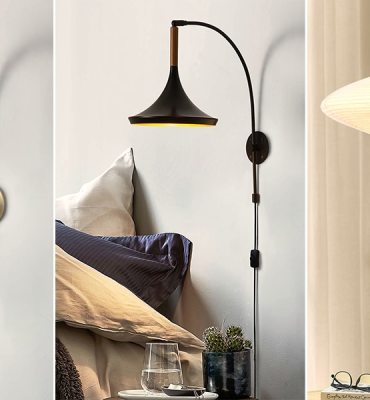
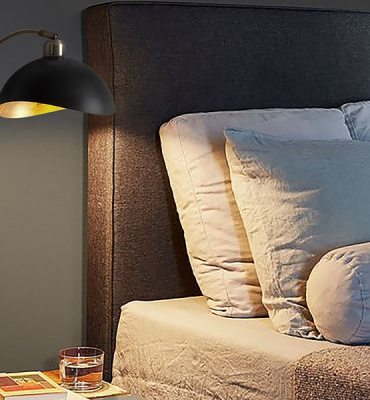
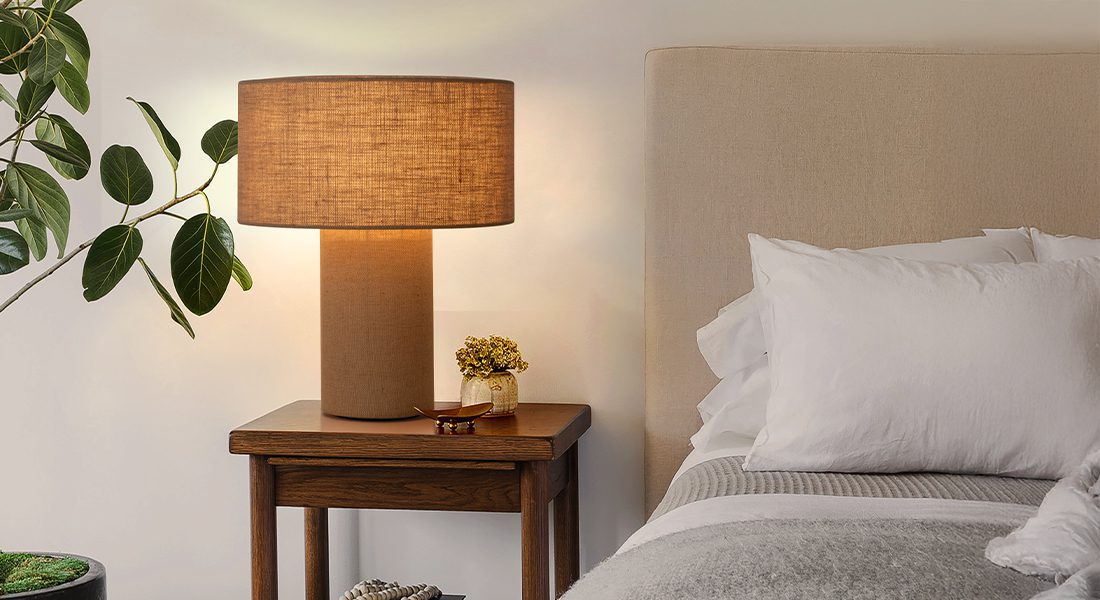
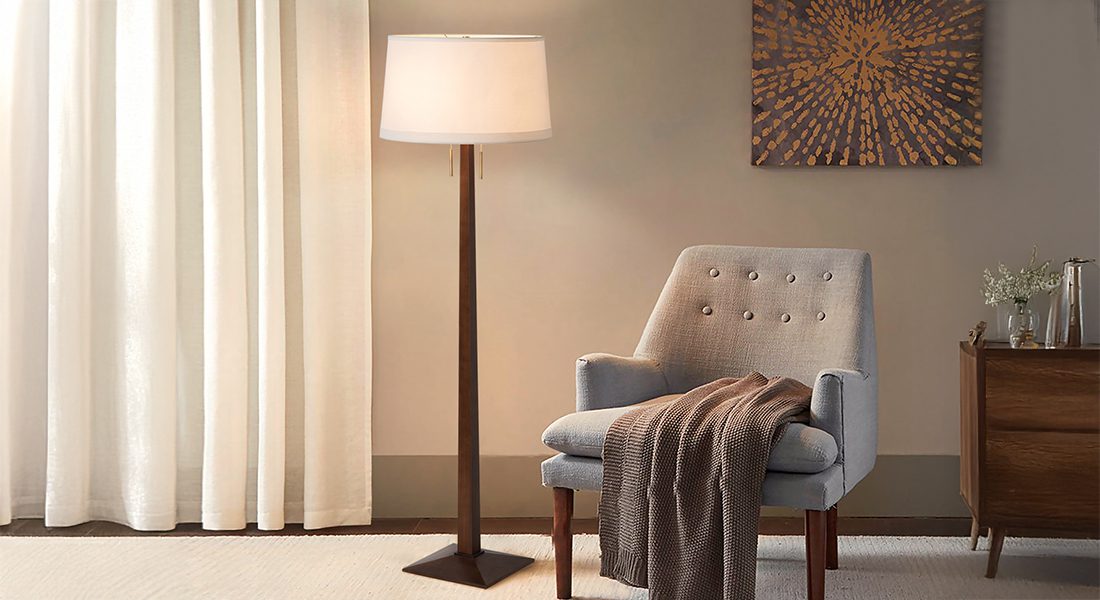
Task lighting supports specific activities such as reading, working on a laptop, or playing games. Floor lamps next to sofas, table lamps on side tables, and adjustable wall sconces near seating areas are ideal solutions.
Good task lighting improves comfort and reduces eye strain, especially in living rooms that serve multiple purposes.
Accent Lighting: Depth and Character
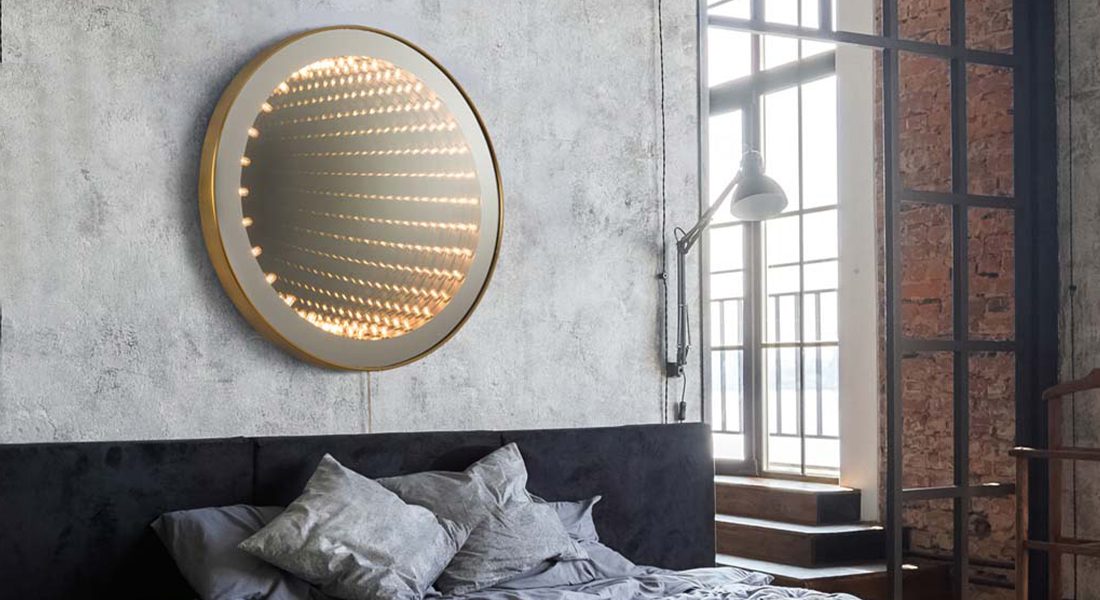
Accent lighting adds dimension and visual interest. It highlights artwork, architectural details, plants, or textured walls. Wall sconces, directional lighting, and subtle uplighting all help guide the eye and bring personality into the room.
Accent lighting should complement the other layers rather than compete with them.
How to Choose the Right Lighting Fixtures
Match Lighting to the Room Layout
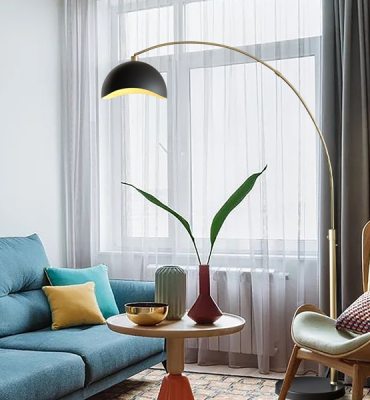
Room size and ceiling height should guide your choices. Larger living rooms often benefit from tall floor lamps or multiple light sources to prevent the space from feeling flat. Smaller rooms may rely more on sconces and table lamps to save floor space while maintaining brightness.
Let Lighting Support the Decor
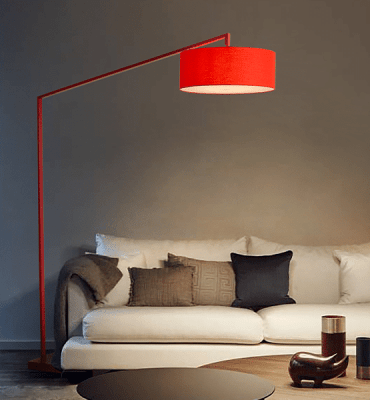
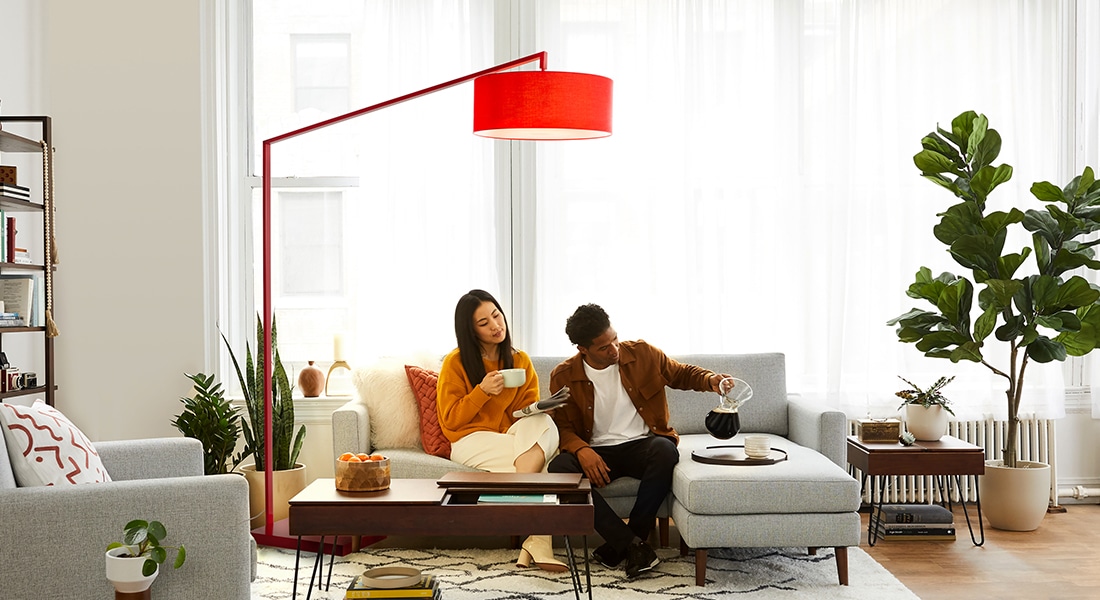
Lighting fixtures are part of the design, not just utilities. A sculptural floor lamp can become a focal point, while simpler fixtures blend seamlessly into minimalist spaces. Transitional and eclectic rooms often benefit from mixing fixture styles while keeping finishes cohesive.
Prioritize Dimming and Flexibility
Dimmable lighting is essential for creating ambiance. Bright light works for daytime and activity, while lower light levels support relaxation in the evening. Dimmers allow the living room to shift mood effortlessly throughout the day.
Lighting Solutions Designed for Real Living Spaces

NOVA of California has been designing lighting for over a century with a focus on craftsmanship, innovation, and timeless form. Their living room lighting collections are built around layered design, offering floor lamps, sconces, and torchieres that work together naturally.
These designs prioritize flexibility, allowing homeowners to adapt lighting as furniture layouts and lifestyles change. Each piece is intended to deliver both functional illumination and visual presence without overwhelming the room.
Styling Tips for Living Room Lighting
Use Multiple Light Sources
Avoid relying on a single fixture. Pair ceiling lighting with floor lamps, add table lamps near seating, and introduce wall sconces for balance. This approach creates warmth and avoids the flat look caused by one directional light source.
Highlight What Makes the Room Special
Accent lighting works best when it emphasizes focal points such as artwork, fireplaces, or statement furniture. Proper placement helps guide attention and adds intentional structure to the room.
Create Distinct Zones
Living rooms often serve several functions. Lighting helps define these areas. A floor lamp beside a chair establishes a reading nook, while sconces near an entryway create a welcoming transition into the space.
Choose the Right Color Temperature
Warm light in the 2700K to 3000K range creates a relaxed and inviting atmosphere, ideal for living rooms. Cooler temperatures are better reserved for task focused areas. Thoughtful temperature selection improves comfort and mood.
Why Thoughtful Lighting Makes a Difference

Interior designers consistently emphasize lighting as one of the most important elements in a living room. Layered lighting supports both beauty and functionality, allowing the space to adapt to different moments throughout the day.
Well designed lighting improves comfort, enhances decor, and makes the living room feel intentional rather than accidental.
Why NOVA of California Works in Any Living Room
NOVA’s designs are built to last, both stylistically and structurally. By combining sustainable practices, quality materials, and a deep understanding of lighting design, the brand offers solutions that evolve with your home rather than becoming outdated.
Their fixtures support modern, transitional, and eclectic interiors alike, making them suitable for a wide range of living room styles.
Final Thoughts
The right living room lighting does not call attention to itself. It supports how the space is used, how it feels, and how people connect within it.
By layering ambient, task, and accent lighting, and choosing fixtures that align with both function and design, you create a living room that feels balanced, welcoming, and comfortable.
With thoughtfully designed lighting solutions, your living room becomes more than a space you pass through. It becomes a place where everyday moments feel considered and complete.