

Lamp shades do far more than cover a bulb. They control glare, shape the light, influence mood, and often determine whether a lamp feels refined or unfinished. A well chosen modern lamp shade can elevate a simple lamp base, soften harsh light, and bring visual balance to an entire room.
Many people focus on the lamp itself and underestimate the role of the shade. In reality, the shade is the primary filter between light and space. Choosing the right one requires an understanding of size, shape, material, and how light behaves once it passes through.
This guide breaks down everything you need to know to choose modern lamp shades with confidence.
What Are Modern Lamp Shades
Modern lamp shades are designed to diffuse, direct, and soften light while complementing contemporary interiors. They prioritize clean forms, restrained detailing, and materials that feel current rather than decorative.
A modern lamp shade serves several purposes at once:
- Softens and diffuses light
- Reduces glare and eye strain
- Shapes ambient, task, or accent lighting
- Adds visual structure and personality to a lamp
Because modern interiors rely heavily on balanced lighting, the shade plays a central role in how a room feels throughout the day.
Why the Lamp Shade Matters More Than You Think
Even a beautifully designed lamp base can feel incomplete with the wrong shade. Many mass produced lamps prioritize the base and compromise on shade quality, resulting in uneven light, glare, or poor diffusion.
A well designed shade:
- Improves light quality without increasing brightness
- Enhances the proportions of the lamp
- Supports the overall style of the room
When chosen thoughtfully, a lamp shade can turn a hallway into a focal point or a quiet corner into a calming retreat.
Understanding the Key Parts of a Lamp Shade
Knowing the basic components of a lamp shade helps you choose the right one for your lamp and lighting needs.
Frame
The internal structure that defines the shape of the shade. Common forms include drum, empire, cone, and rectangular frames.
Fabric or Outer Material
The visible surface that determines texture, color, and how light passes through. Materials range from linen and cotton to parchment, metal, glass, and mesh.
Spider
A metal ring at the top of the shade that connects it to the lamp harp. This is the most common mounting method for table and floor lamps.
Fitter
The mechanism that attaches the shade to the lamp socket. Common types include spider fitters, uno fitters, and clip on fitters.
Trim
Decorative or finished edges at the top and bottom of the shade. Modern shades often use clean folded edges rather than ornate trim.
How to Match a Lamp Shade to the Lamp Base
The shape of the lamp base should guide your shade choice.
- Round bases pair well with drum or oval shades
- Rectangular or angular bases work best with square or rectangular shades
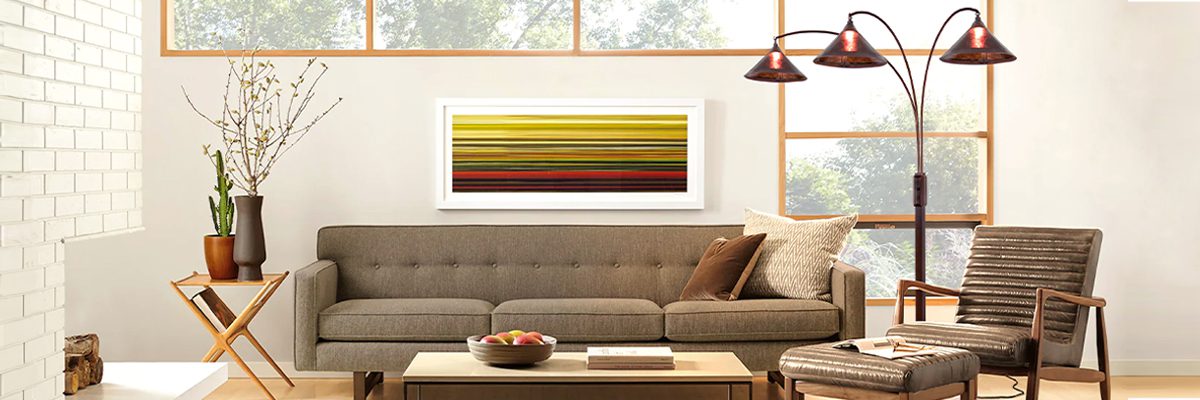
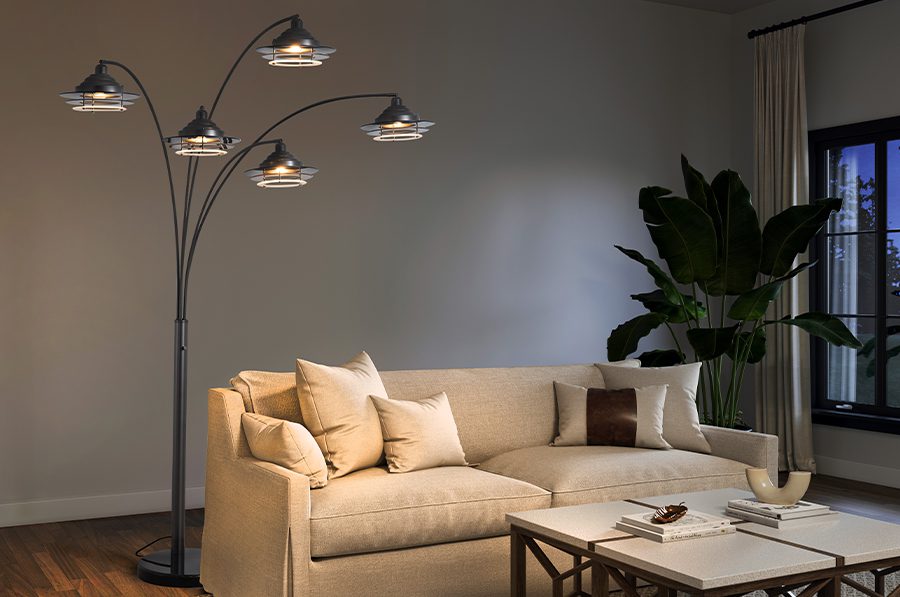
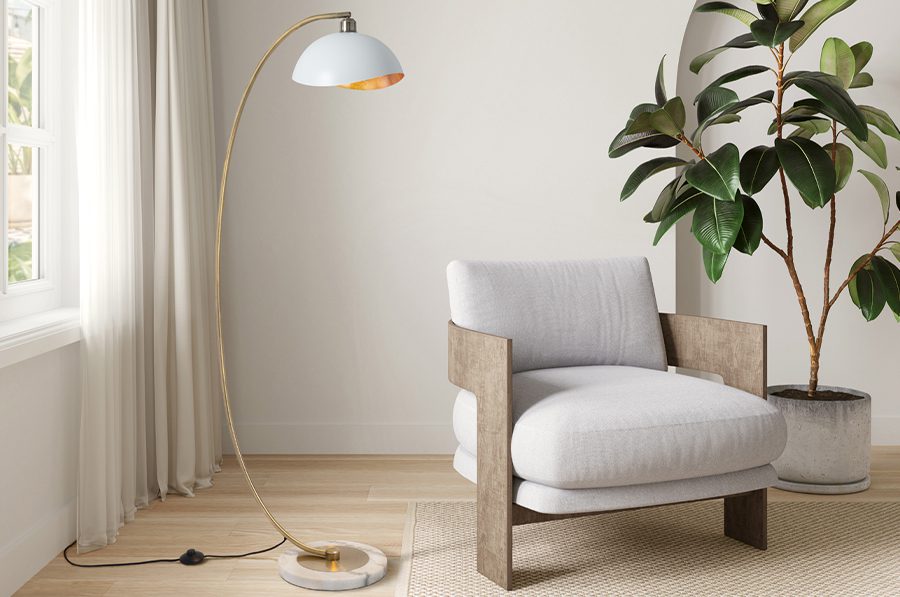
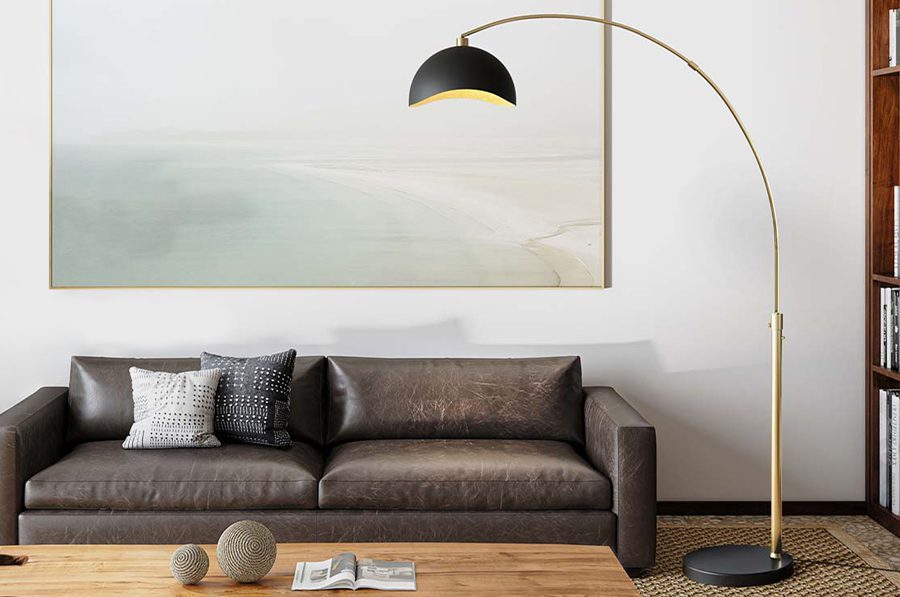
- Arc lamps benefit from round or slightly tapered shades that maintain balance
- Oval shades are ideal when space from the wall is limited
The goal is visual harmony. The shade should feel intentional, not like an afterthought.
How to Measure for the Right Lamp Shade Size
Proper sizing is critical for both aesthetics and performance.
Shade Height
The shade should be approximately two thirds the height of the lamp base, measured from the bottom of the base to the socket.
Shade Width
A general guideline is that the shade width should be about twice the width of the widest part of the lamp base.
Proportion
A shade that is too tall or too narrow will feel awkward and throw off the lamp’s balance.
Harp Visibility
When the lamp is turned on, the harp and socket saddle should not be visible. The shade should fully conceal them, especially in eye level placements.
Choosing the Right Lamp Shade Material
Material determines how light is emitted and how the shade looks when illuminated.
Fabric Shades
Linen, cotton, and silk provide soft, diffused light. These are ideal for bedrooms, living rooms, and spaces where comfort matters.
Parchment and Paper Shades
These offer a warm, even glow and pair well with modern and mid century interiors.
Metal Shades
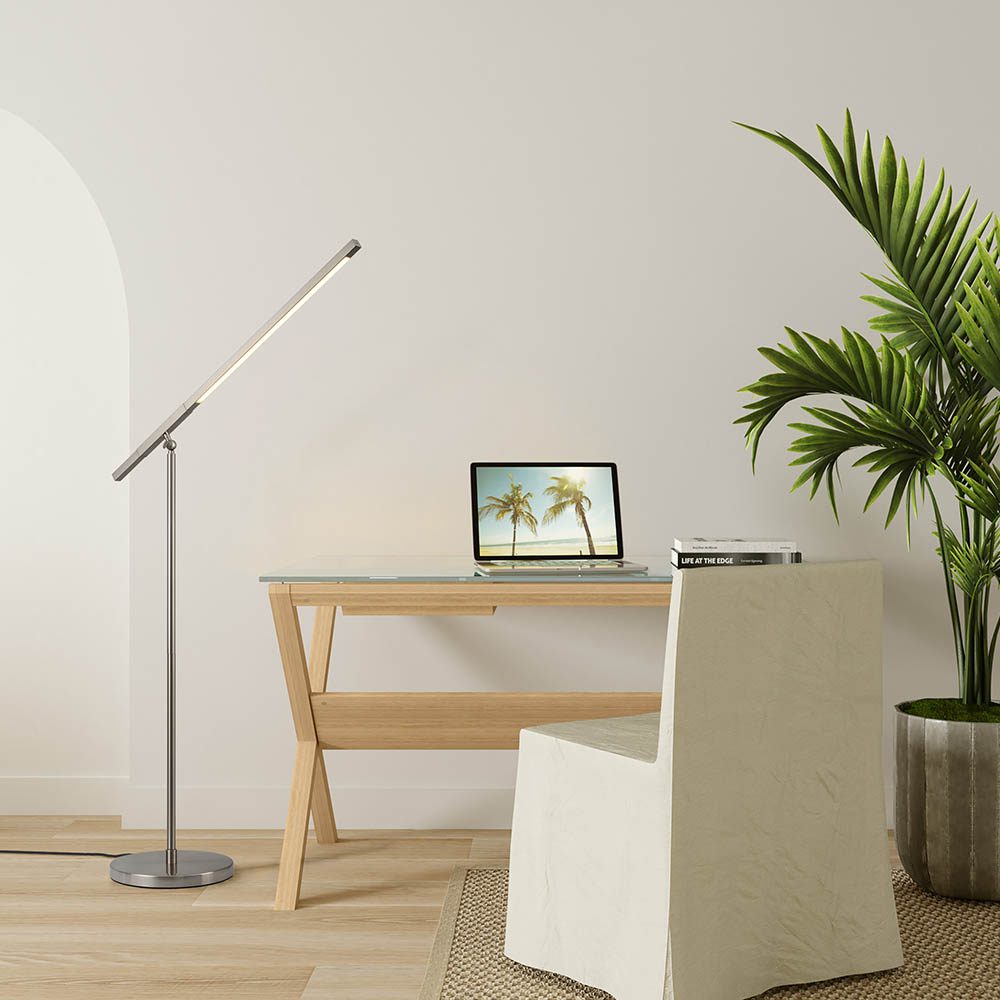
Metal shades create focused, directional light. They work well for task lighting and modern industrial spaces.
Glass Shades
Glass offers a clean, timeless look. Frosted glass diffuses light, while clear glass creates a more direct and open effect.
The right material depends on whether you want ambient softness or focused illumination.
How Modern Lamp Shades Control Light
Lamp shades shape light through diffusion and direction.
- Fabric and parchment scatter light gently, reducing shadows and glare
- Metal and glass reflect and concentrate light for precision
- Shade color influences warmth and brightness
Light interiors create a brighter output, while darker shades reduce brightness and increase contrast.
Understanding this helps you choose shades that support the mood you want to create.
Modern Lamp Shades for Different Lamp Types
- Table lamps benefit from fabric or parchment shades that soften eye level light
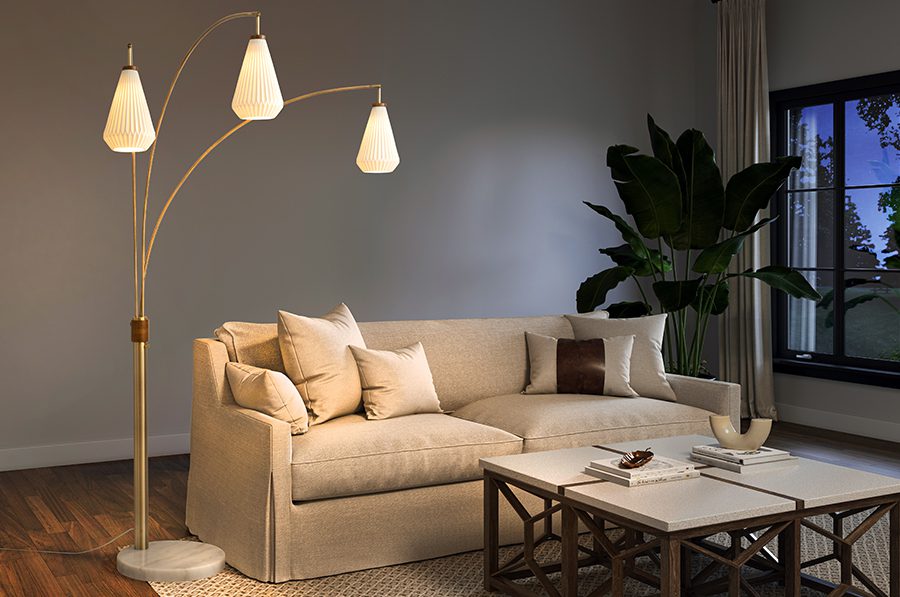
- Floor lamps often use drum or tall shades for balanced ambient light
- Arc lamps require shades that maintain visual stability at a distance
- Mid century modern lamps pair well with simple drum or tapered shades in natural materials
The shade should enhance the lamp’s purpose, not fight it.
Final Thoughts
A modern lamp shade is not just an accessory. It is a functional design element that defines how light behaves in your home.
By understanding size, shape, materials, and light diffusion, you can choose lamp shades that improve comfort, elevate style, and bring balance to your lighting setup.
When selected thoughtfully, the right lamp shade completes the lamp and quietly transforms the space around it.