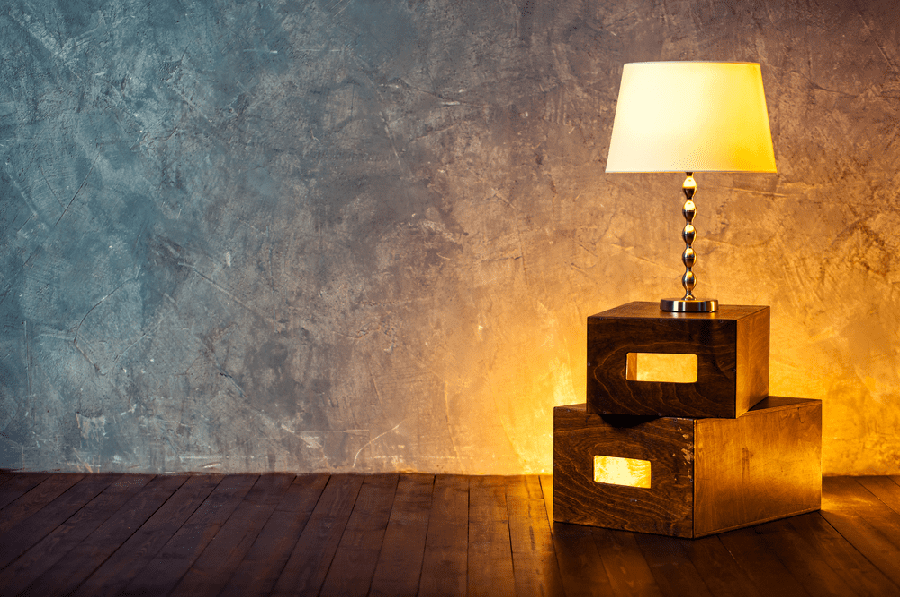
Floor lamps are one of the most flexible lighting solutions in modern homes. They provide targeted light where overhead fixtures fall short, improve visual comfort, and add structure to interior spaces without permanent installation.
Whether you are searching for a tall standing lamp to light a living room or a focused reading lamp to reduce eye strain, this guide explains how floor lamps work, the different types available, and how to choose the right one for your needs.
What Is a Floor Lamp
A floor lamp is a freestanding lighting fixture designed to sit directly on the floor and project light upward, outward, or downward depending on its design. Unlike table lamps or ceiling fixtures, floor lamps are portable and adaptable, making them ideal for spaces that need flexible lighting.
Modern and contemporary floor lamps often combine lighting performance with intentional design, acting as both functional tools and visual elements within a room.
Why Modern Standing Lamps Are So Popular

Modern standing lamps solve several common lighting problems at once.
They can be repositioned easily, making them useful in spaces where lighting needs change throughout the day. Many designs include adjustable heads, arms, or dimmers that allow precise control over brightness and direction.
Key advantages include:
- Flexible placement without installation
- Improved lighting for reading and work
- Reduced reliance on harsh overhead lighting
- Better eye comfort with directed illumination
- Visual balance in rooms with minimal furniture
For homes without recessed lighting in key areas, floor lamps often become the primary light source.
Finding the Right Height for a Floor Lamp
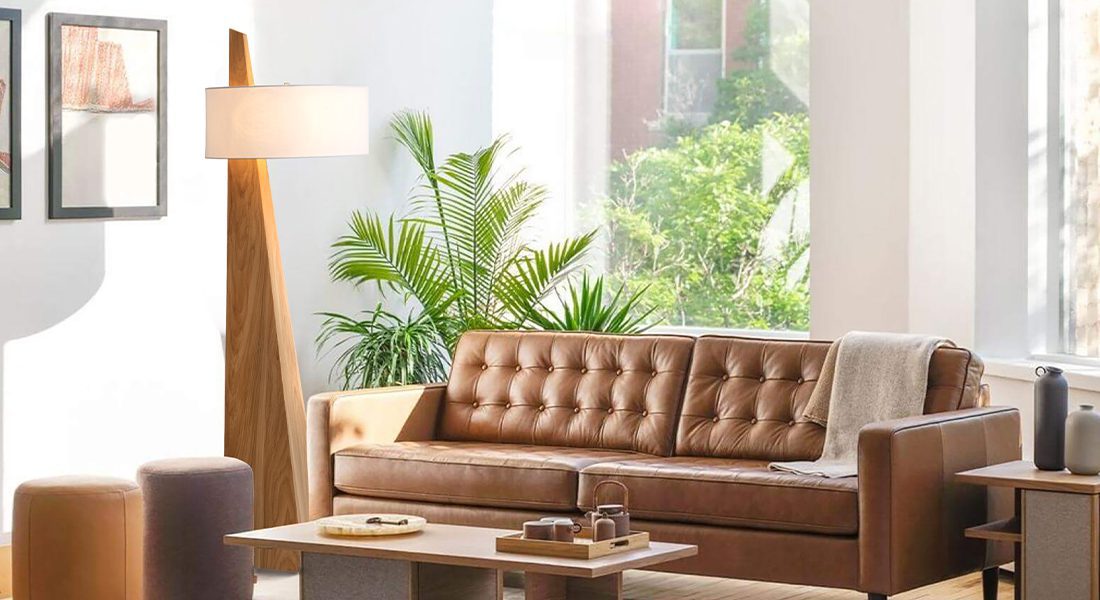
Height plays a critical role in how effective a floor lamp will be.
Tall Floor Lamps for General Lighting
Floor lamps between 60 and 72 inches tall work best for ambient lighting. These lamps help illuminate larger areas such as living rooms and open plan spaces.
Reading Floor Lamps
For reading and task focused use, a height between 42 and 54 inches is ideal. These lamps provide more direct light that falls naturally onto books, desks, or work surfaces without glare.
Choosing the correct height ensures comfort, visibility, and proper light distribution.
Types of Floor Lamps Explained
Understanding floor lamp types helps narrow down the right option faster.
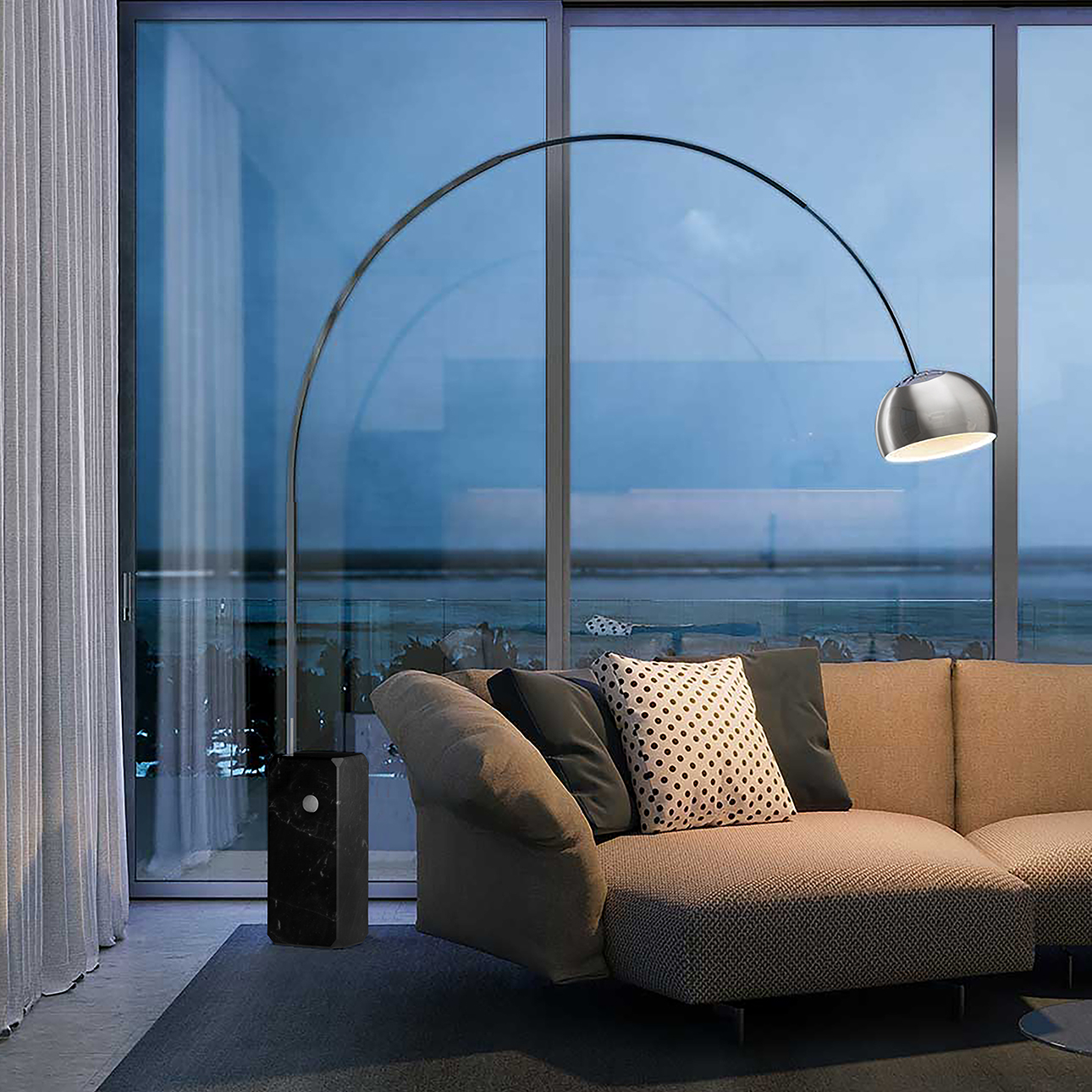
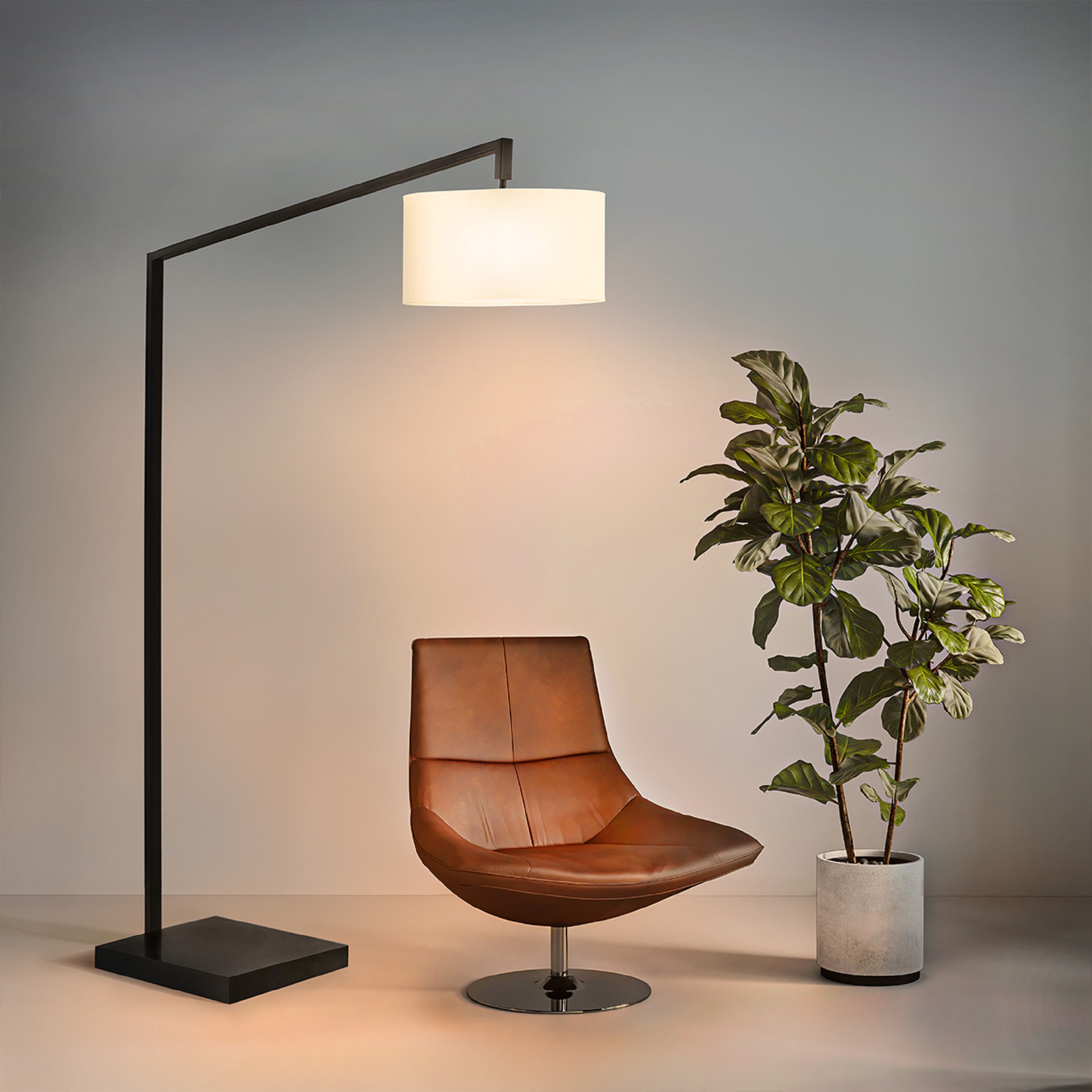
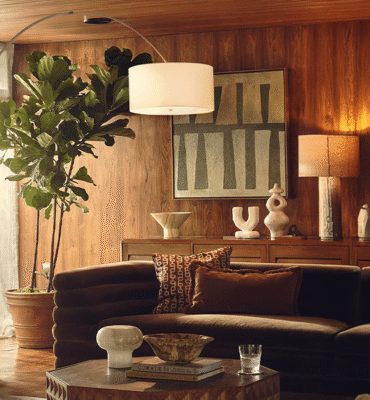
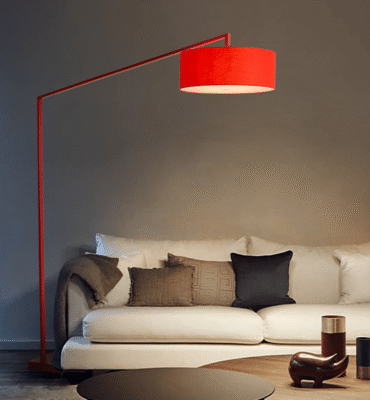
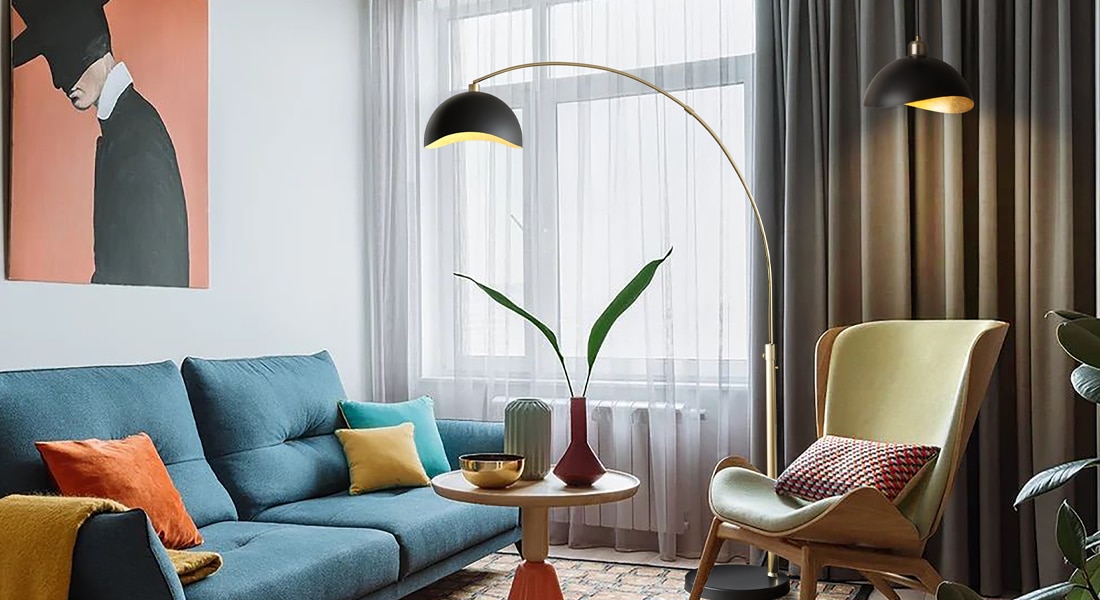
Arc Floor Lamps
Arc lamps feature a curved arm that extends light over seating areas. They work especially well behind sofas, sectionals, or reading chairs and provide overhead lighting without ceiling fixtures.
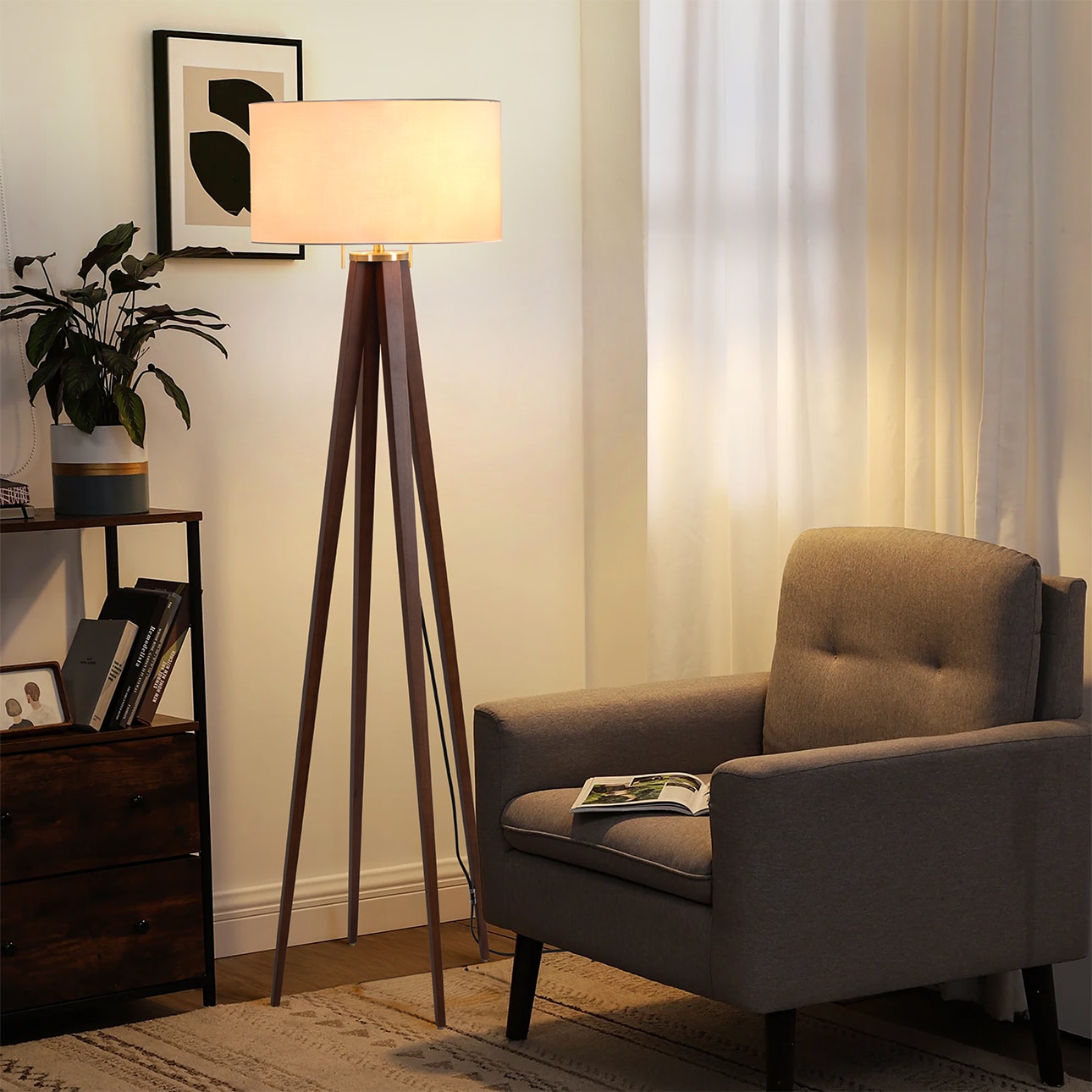
Tripod Floor Lamps
Tripod lamps use three legs for stability and visual interest. They often serve as statement pieces while offering general room lighting.
Torchiere Floor Lamps
Torchiere lamps direct light upward toward the ceiling, creating indirect ambient illumination. They are useful in rooms with dark corners or limited overhead lighting.
Tree Floor Lamps
Tree lamps include multiple adjustable arms that allow light to be aimed in different directions. These are ideal for multi purpose spaces where lighting needs vary.
Popular Floor Lamp Styles for Modern Homes
Minimalist Floor Lamps
Clean lines, simple forms, and neutral finishes make minimalist lamps suitable for modern and eclectic interiors alike.
Industrial Standing Lamps
Industrial designs use metal frames, exposed bulbs, and raw finishes. They pair well with loft style and urban inspired spaces.
Mid Century Modern Floor Lamps
Mid century designs emphasize balance, organic shapes, and quality materials. These lamps often become focal points while remaining functional.
How to Choose the Right Floor Lamp
Before buying, consider how the lamp will be used daily.
Function
Decide whether the lamp is for reading, ambient lighting, ceiling splash, or highlighting artwork.
Adjustability
Adjustable arms, heads, or dimmers improve lighting flexibility and support different activities throughout the day.
Material and Finish
Choose finishes that complement existing furniture, such as plated metals, matte finishes, or natural wood.
Energy Efficiency
LED compatible floor lamps reduce energy use while providing consistent brightness.
Eye Comfort
Quality bulbs, proper diffusion, and sufficient lumens help reduce eye strain, especially for reading and workspaces.
Where Floor Lamps Work Best in the Home
Living Rooms
Use floor lamps to supplement overhead lighting, brighten corners, or provide light behind sofas and chairs.
Home Offices
A floor lamp near or behind a desk provides overhead task lighting without taking up workspace.
Bedrooms
Replacing bedside lamps with floor lamps frees surface space while maintaining functional lighting.
Entryways
A standing lamp near the entrance creates a welcoming atmosphere and improves visibility.
Caring for Your Floor Lamp
Regular maintenance keeps floor lamps looking good and performing well.
- Dust surfaces regularly with a soft cloth
- Clean shades according to material guidelines
- Inspect cords and connections periodically
- Replace bulbs with manufacturer recommended options
Final Thoughts
Floor lamps are among the most versatile lighting fixtures available. From tall standing lamps that brighten entire rooms to adjustable reading lamps that protect eye health, the right floor lamp improves both comfort and design.
By understanding types, styles, height, and functionality, you can choose lighting that works with your space rather than against it.
When chosen thoughtfully, a floor lamp does not just light a room. It improves how the room is used and experienced.