Life moves fast. Between work, notifications, and daily responsibilities, it is easy for your home to become just another place where things happen instead of a place where you recover. A true home sanctuary is not about luxury or perfection. It is about intention. Small, thoughtful changes can transform how your space feels and how you feel inside it.
Whether you work from home or simply need a place to decompress, these seven tips focus on calm, comfort, and balance without overwhelming your budget or your schedule.
1. Bring Nature Indoors on Purpose
Natural elements instantly soften a space and make it feel more grounded.
Maximize Natural Light
Sunlight opens a room visually and emotionally. If your space is small or lacks windows, mirrors become powerful tools. Placing a mirror opposite a window reflects daylight deeper into the room and creates a sense of openness.
Add Living Greenery
Plants do more than decorate. They improve air quality and introduce movement and life into a room. Start small if needed:
- Herbs on kitchen windowsills
- Floor plants beside seating
- Simple greenery on shelves or tables
Layer Natural Materials
Nature does not stop at plants. Wood, stone, and organic textures add quiet warmth. This can be as subtle as a wooden lamp base, a stone-filled bowl, or a ceramic vase. These materials create a visual connection to the outdoors and help the space feel calm rather than polished.
2. Use Texture to Create Comfort
Texture is what turns a room from styled to lived-in.
Soft throws, woven rugs, linen lampshades, and layered pillows add depth and warmth. Even one or two textured elements can change how a space feels. A blanket over a chair or a fabric-shaded lamp immediately makes a room more inviting without adding clutter.
The goal is not abundance. It is balance.
3. Control Light With Dimmers and Accent Lighting
Lighting plays a bigger role in relaxation than most people realize.
Use Dimmers
Dimmable lighting allows your space to shift with your mood. Brighter light supports productivity during the day. Softer light helps your body unwind at night. One dimmer switch can replace the need for multiple fixtures.
Add Accent Lighting
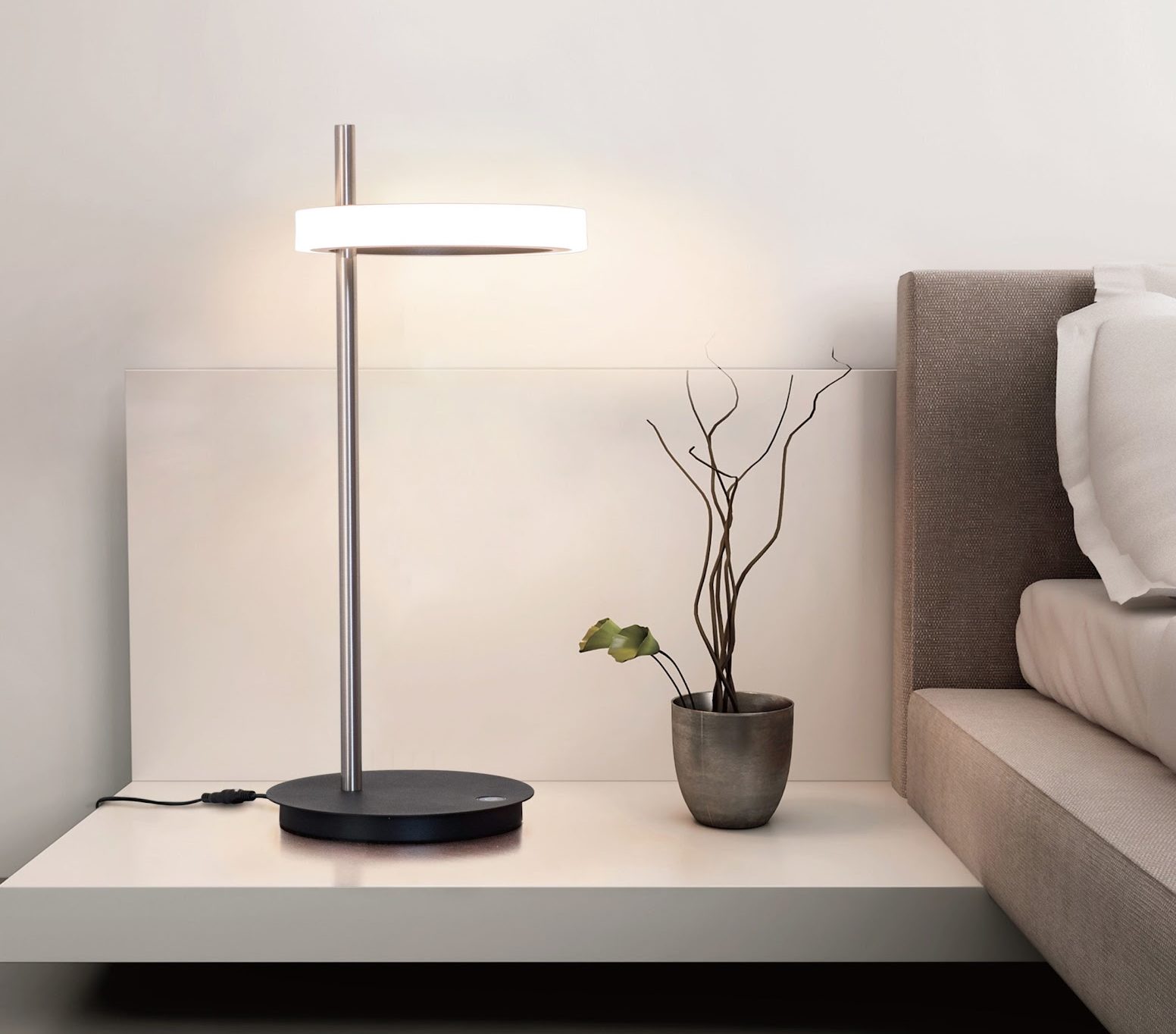
Accent lights create pockets of warmth. Lamps with warm LED bulbs or Edison-style designs produce a glow that feels calm and intimate. These lights work best when they are not the main source of illumination but support the room emotionally.
Think of accent lighting as atmosphere, not function.
4. Create a Dedicated Reading or Quiet Nook
You do not need an extra room to create a sanctuary. A single corner can do the job.
All you need:
- A comfortable chair
- Focused, warm lighting
- A sense of separation from distractions
A reading nook becomes a visual cue to slow down. Even in small apartments, a cozy corner with intentional lighting creates mental distance from daily stress.
5. Remove What Disrupts Calm
Clutter is visual noise. It keeps your mind alert when it should be resting.
Start by asking one question:
Does this item contribute to calm or function?
If the answer is no, find it a better home. Store papers, simplify shelves, and limit decorative objects to those that bring meaning or comfort. A sanctuary is not empty. It is curated.
6. Choose Colors That Calm You Personally
There is no universal calming color. What matters is emotional connection.
Earth tones and soft neutrals are popular for a reason, but your calm might come from coastal blues, warm desert hues, or muted greens. Think about places that relax you naturally and pull colors from those memories.
Use color intentionally:
- Walls for foundation
- Textiles for softness
- Lighting for warmth
The right color palette supports relaxation without demanding attention.
7. Anchor the Space With a Single, Soothing Scent
Scent is powerful and often overlooked.
Choose one fragrance that consistently signals calm. Natural scents such as wood, herbs, citrus, or soft florals work best. Avoid mixing too many aromas. Too many scents compete for attention and create sensory stress.
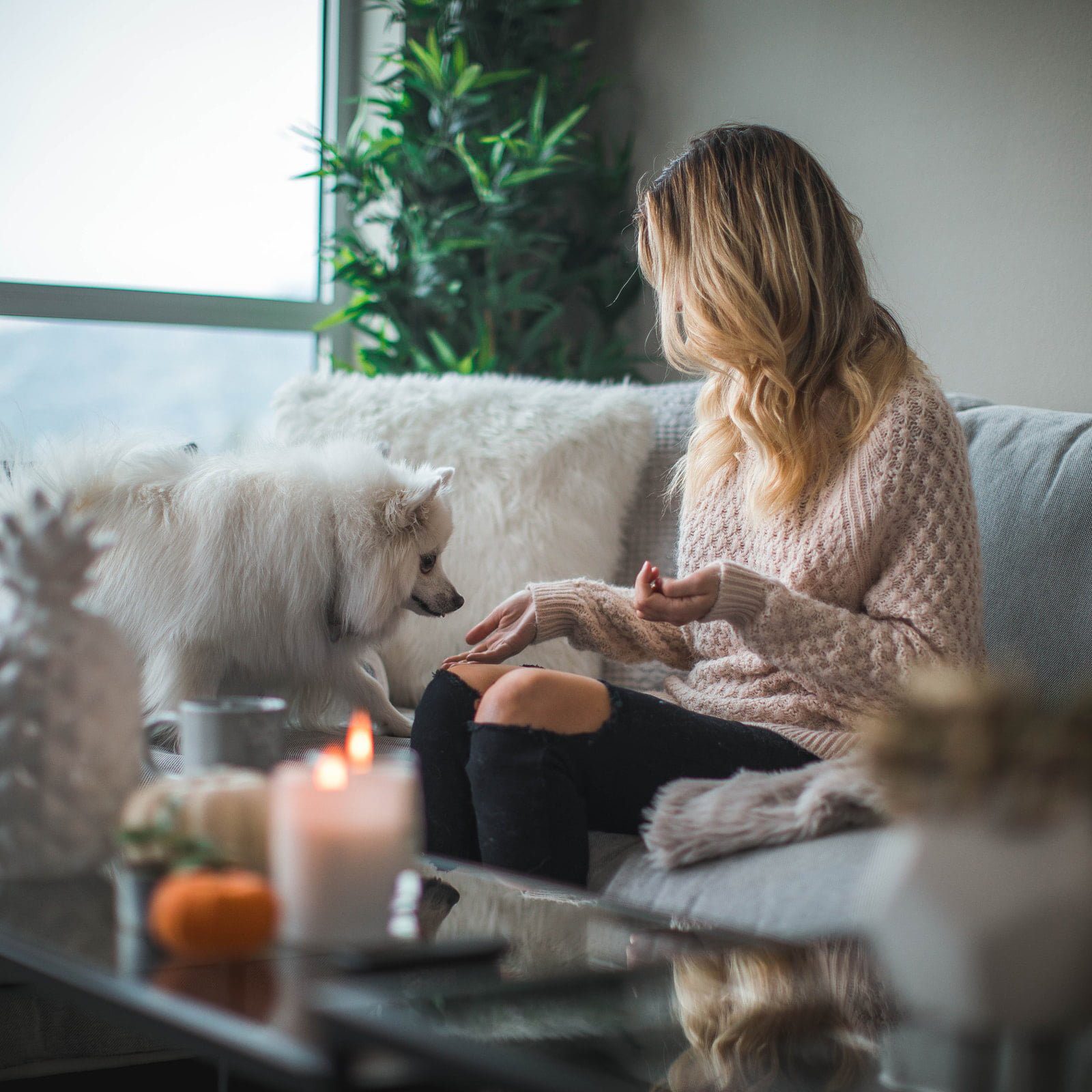
Candles, diffusers, or misters all work. If open flames are not ideal, warm accent lighting can recreate that same cozy, fire-like atmosphere safely.
Your Home Should Restore You
A sanctuary is not about escaping life. It is about recovering from it.
By combining natural elements, layered lighting, thoughtful textures, and intentional simplicity, your home becomes a place that supports rest instead of draining energy. Start small. One corner, one light, one habit.
Your home should give back to you every day.