Moving into your first apartment is exciting, but it often comes with one immediate challenge: lighting. Many apartments rely on minimal ceiling fixtures, awkward layouts, or harsh overhead light that does little to make the space feel like home. Comfort lighting bridges that gap.
The right lighting can make a small apartment feel larger, warmer, and more intentional. It helps define zones, supports daily routines, and sets the emotional tone of your space. This guide breaks down the best ways to create comfortable, apartment friendly lighting that works without permanent changes.
Why Lighting Matters More in Apartments
Apartments often feel smaller or colder when lighting is poorly planned. Unlike larger homes, apartments benefit most from layered lighting that adds depth rather than relying on a single ceiling fixture.
Good apartment lighting:
- Makes rooms feel more open and balanced
- Defines functional zones in studios or open layouts
- Improves mood and comfort year round
- Reduces reliance on harsh overhead lights
Comfort lighting is about softness, flexibility, and control.
What Type of Lighting Works Best in Apartments
Because apartments vary widely in size and restrictions, flexibility matters.
Use Multiple Light Sources
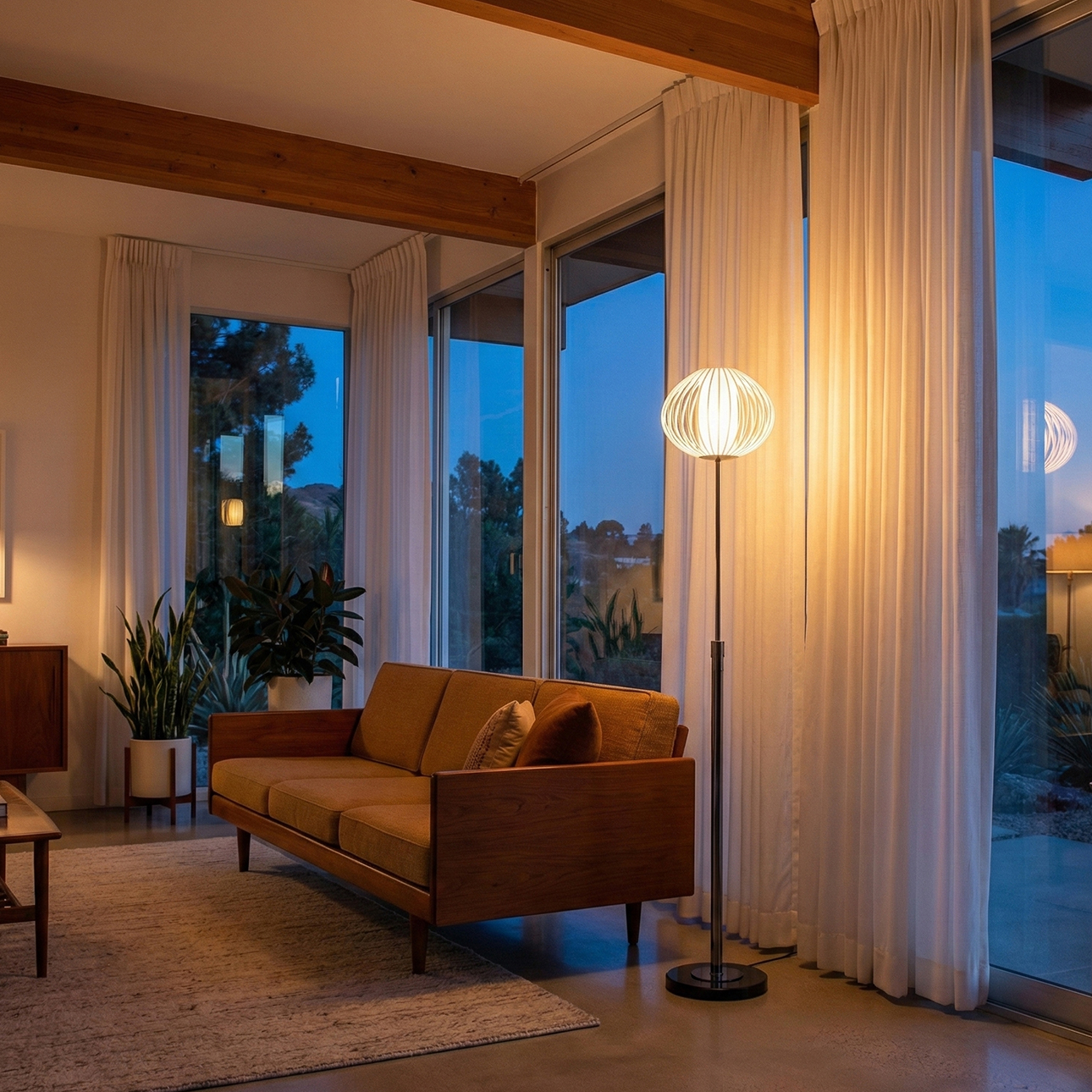
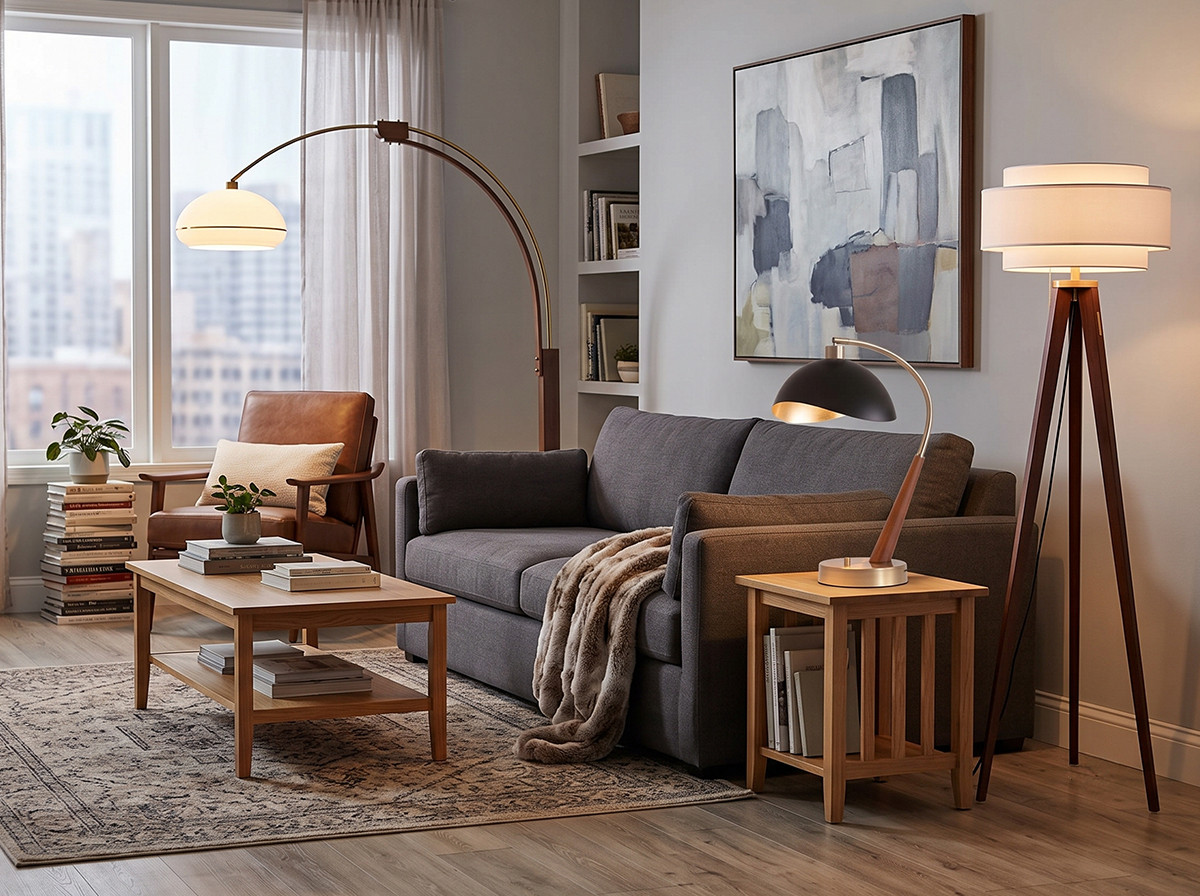
Apartments feel brighter and more inviting when light comes from several places instead of one central fixture. Combine ceiling lights with floor lamps, table lamps, and wall or plug in fixtures to add depth.
Ceiling Lighting Without Construction
Track lighting distributes light evenly and works well in apartments with limited ceiling fixtures. Plug in pendants and swag lights provide overhead light without the need for an electrician or drilling.
Floor and Table Lamps for Depth
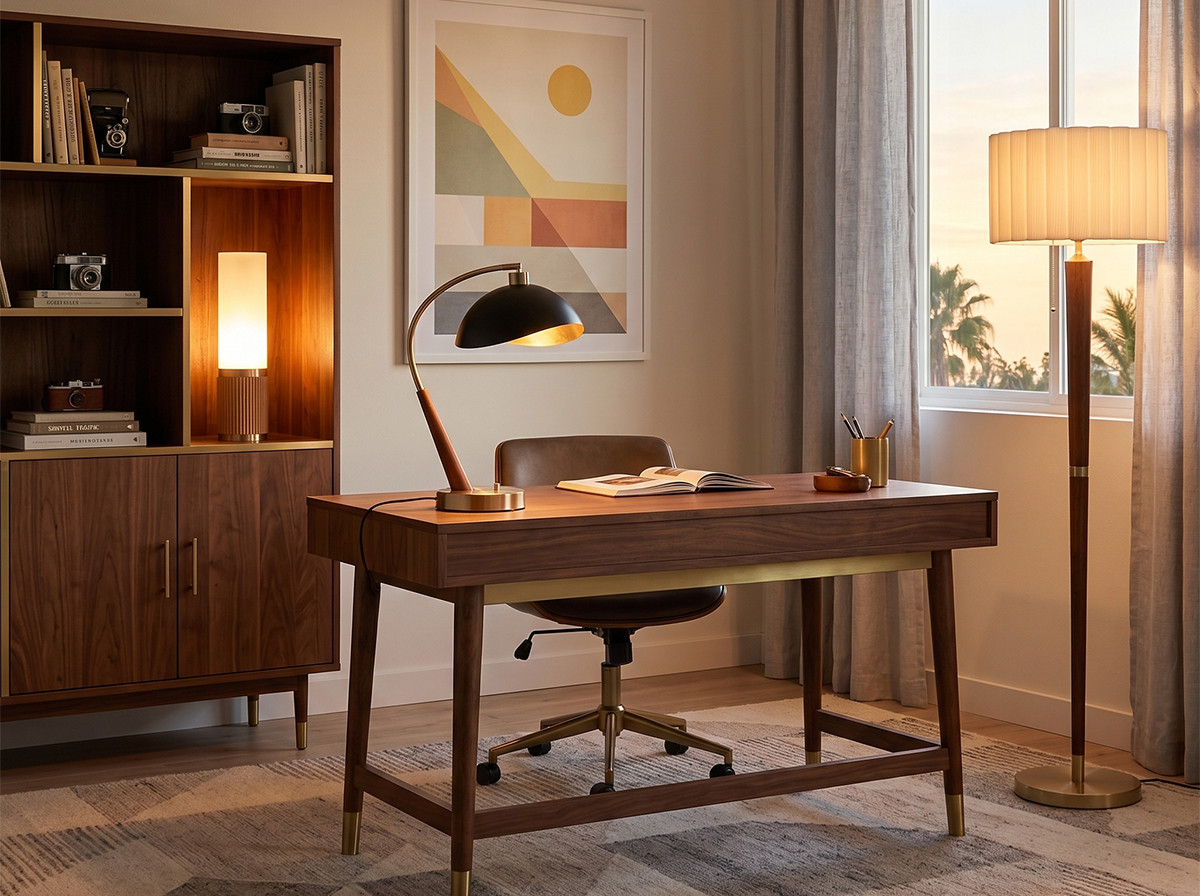
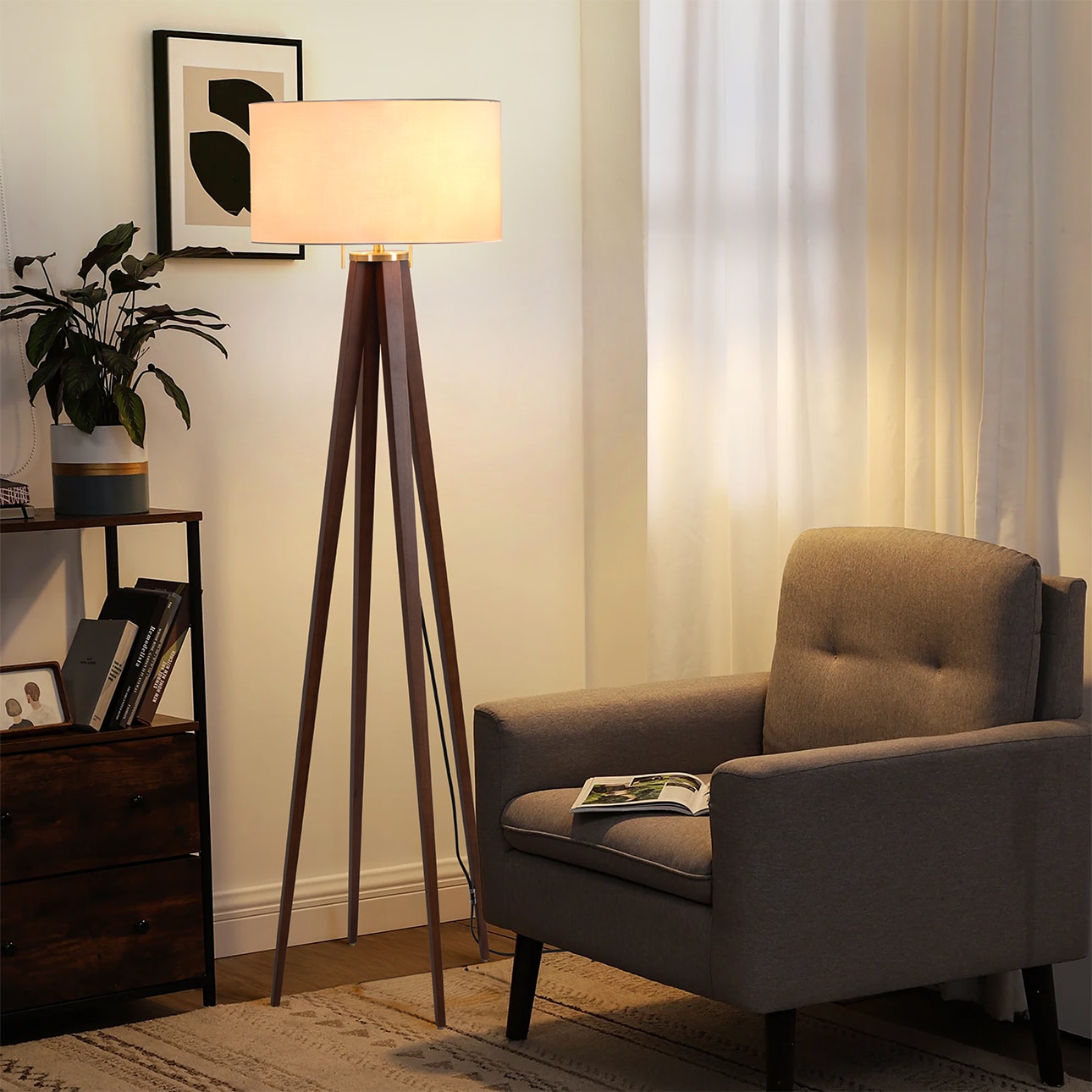
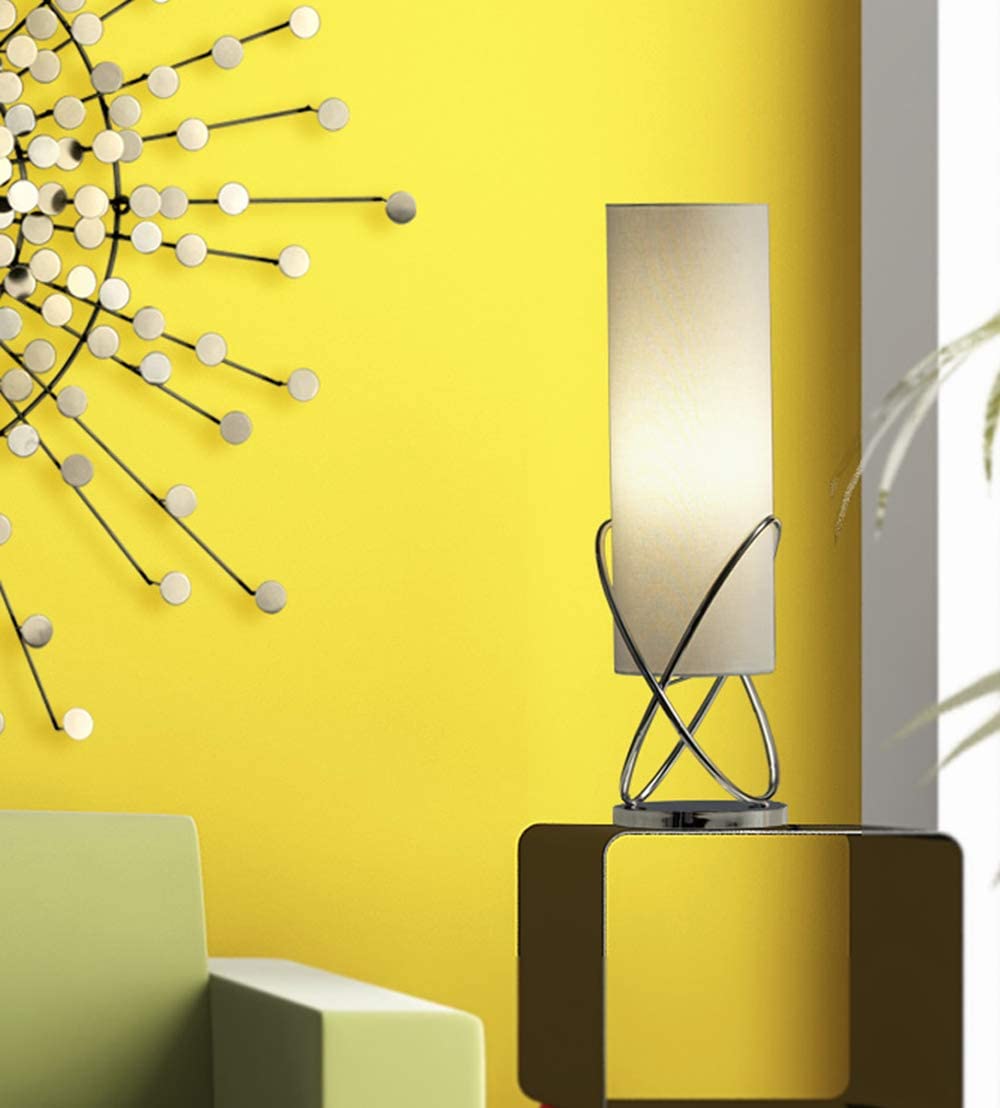
Floor lamps add vertical light and help fill corners, while table lamps soften seating areas and workspaces. These are some of the easiest upgrades for renters.
How to Place Lighting in a First Apartment
Lighting placement should follow how you actually use the space.
- Place table lamps near desks, sofas, and reading chairs
- Use floor lamps to define living areas in studios
- Add soft lighting in hallways and entry points to avoid dark transitions
Brighter task lighting works best in kitchens and work areas. Warmer light is better suited for bedrooms, bathrooms, and relaxation zones.
Choosing the Right Table Lamp Size
Table lamps are essential in small apartments, but scale matters.
- The bottom of the lampshade should sit near eye level when seated
- Lamps should provide light without glaring directly into your eyes
- A properly sized shade improves both comfort and light quality
Table lamps can be decorative, but their primary role is functional comfort.
Selecting the Best Light Bulbs for Apartments
Most apartments benefit from warm light between 2700K and 3000K. This range feels cozy without being dim.
- Bedrooms and living areas feel best with warmer tones
- Workspaces can use slightly cooler light for focus
- Bulbs around 4000K create a cleaner, more contemporary feel but should be used carefully to avoid a clinical look
Using multiple color temperatures throughout the apartment creates balance.
The Role of Lampshades in Comfort Lighting
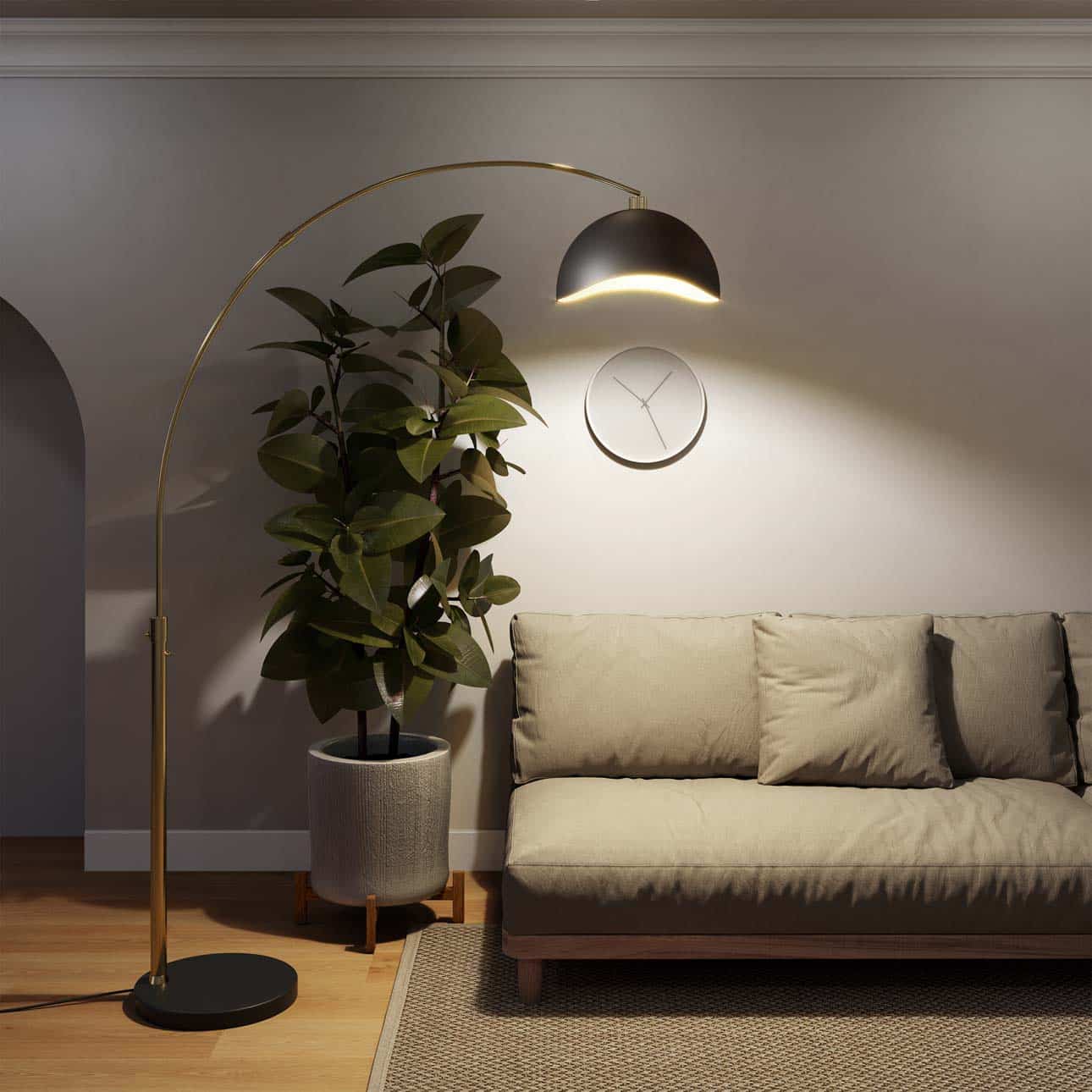
Lampshades dramatically affect how light feels.
- Glass or exposed bulbs help spread light and visually widen rooms
- Linen or fabric shades soften light and create warmth
- Dark or opaque shades reduce brightness and create intimacy
Choosing the right shade is just as important as choosing the lamp itself.
How to Brighten Dark Corners Without Permanent Changes
Dark corners are common in apartments, especially rentals.
Floor Lamps and Arc Lamps
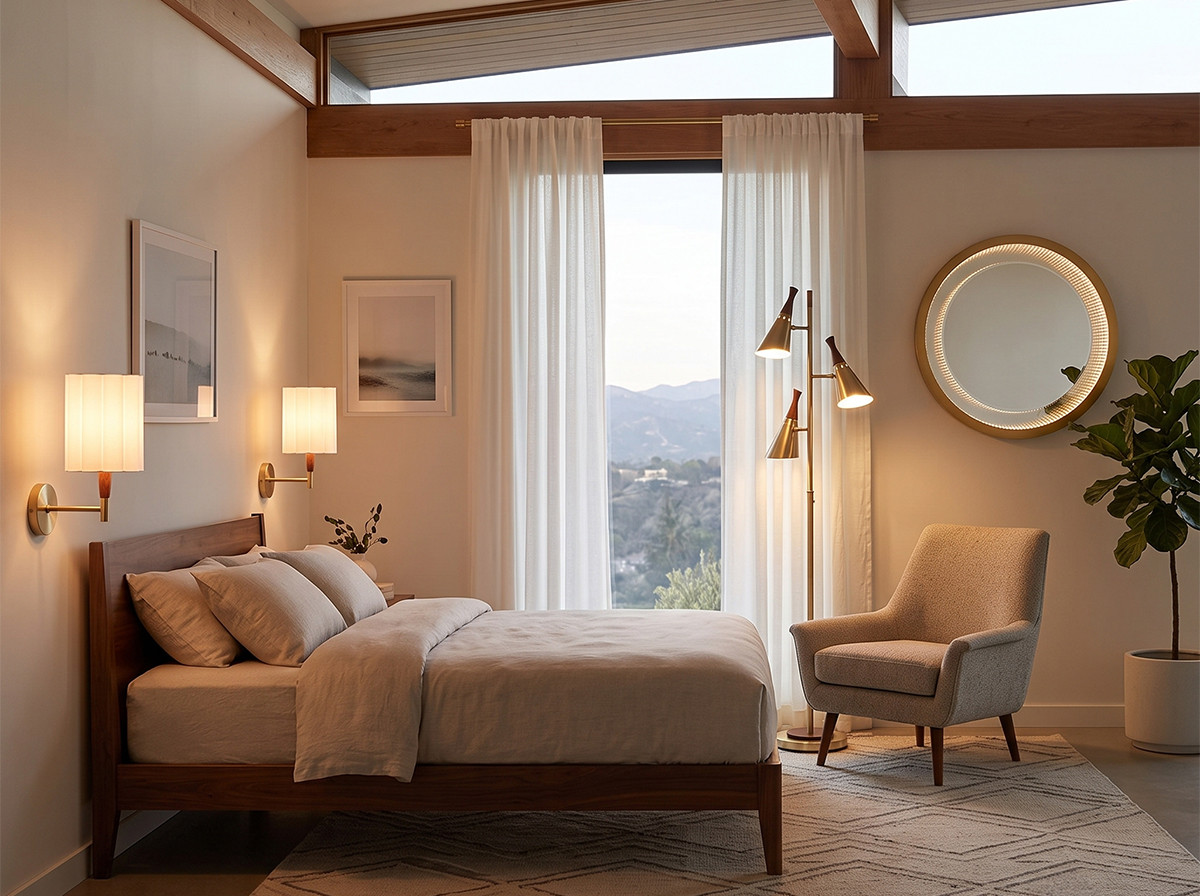
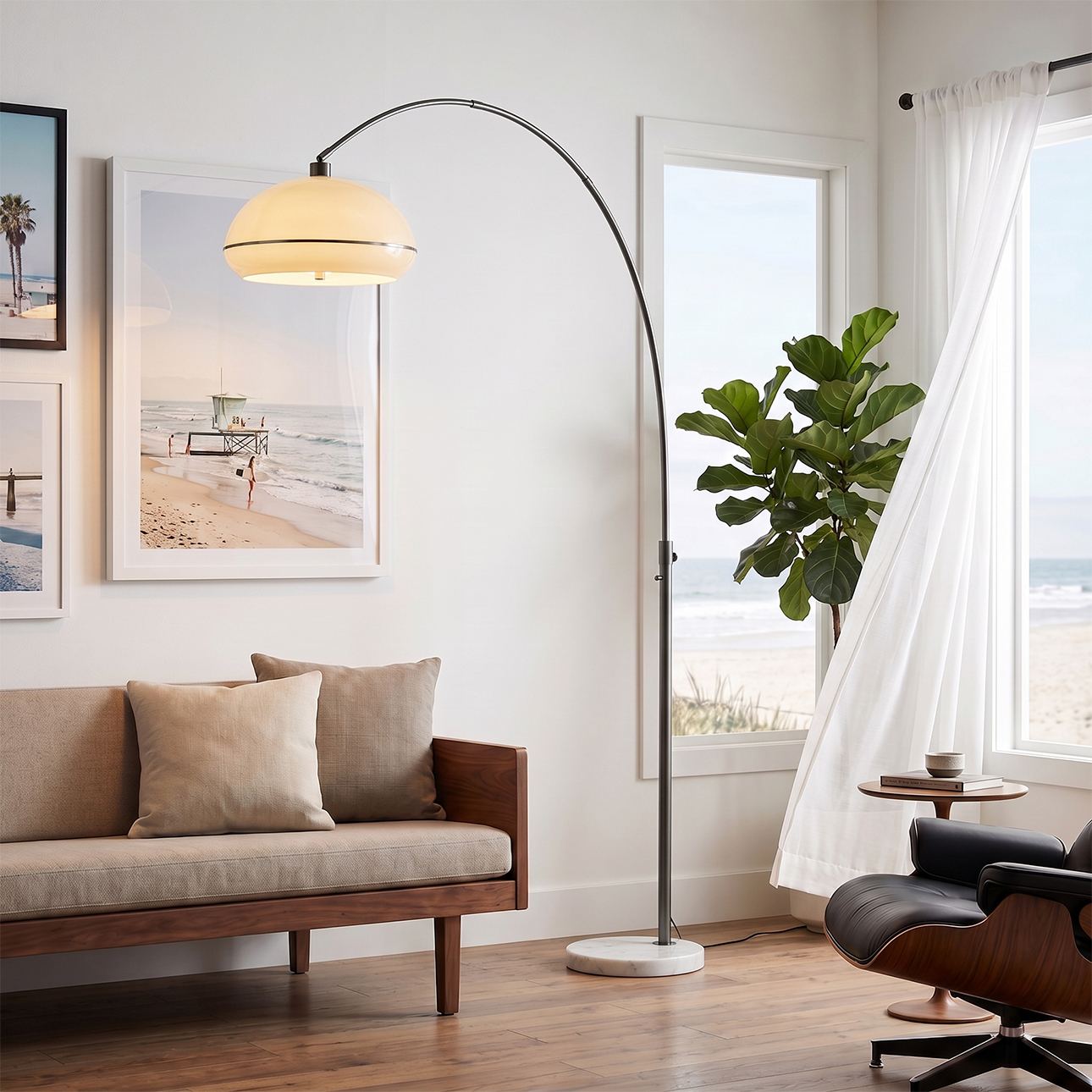
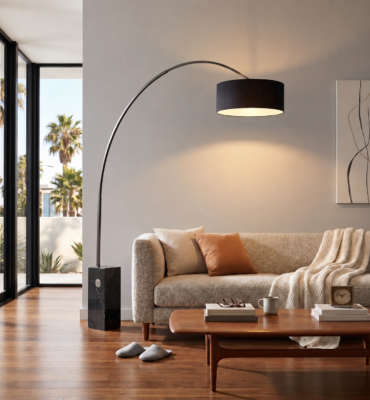
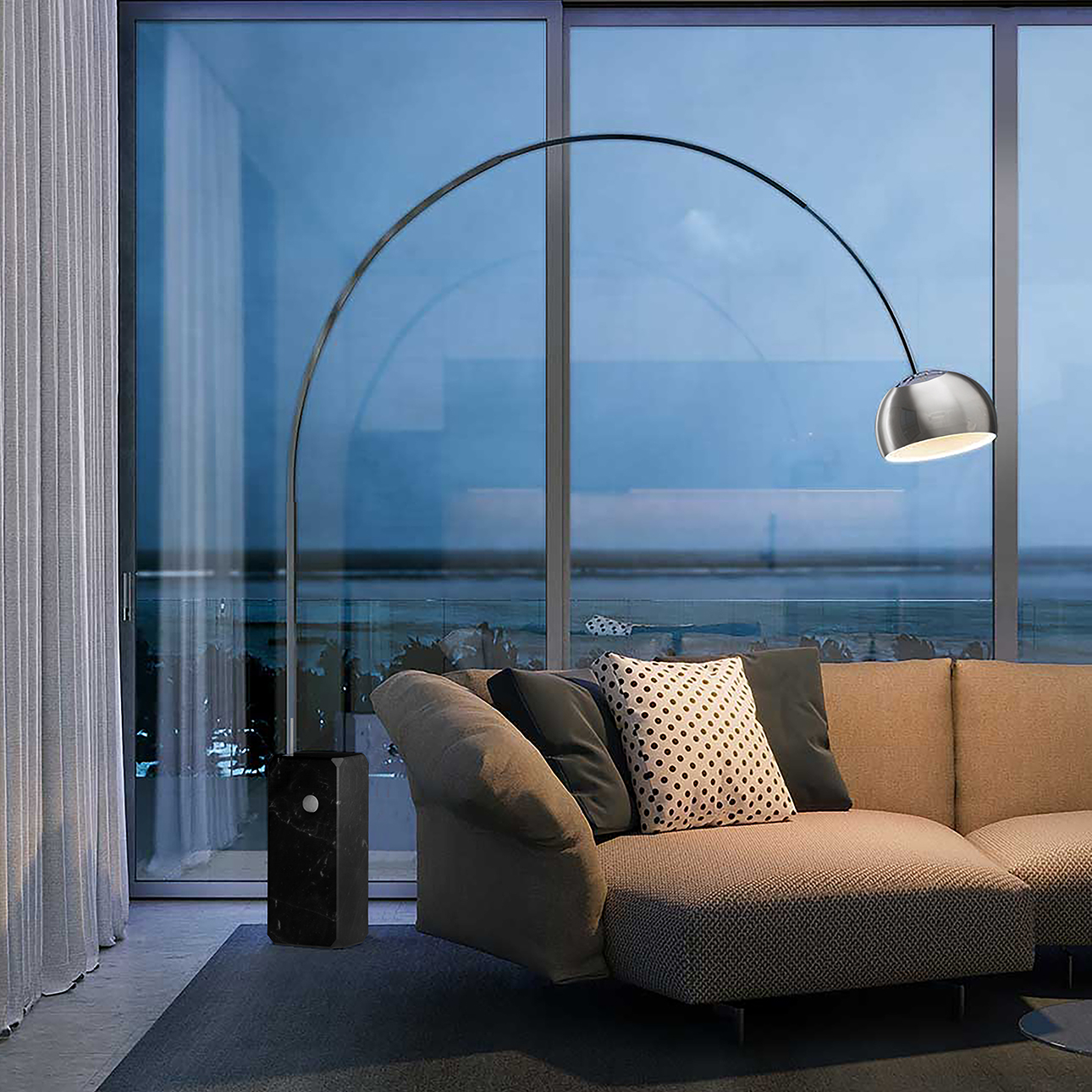
A tall arc floor lamp can throw light across a room and brighten corners without ceiling installation.
String and Accent Lighting
Modern string lights can be styled around shelves, ladders, windows, or bookcases to add soft glow and personality.
Mirrors and Light Reflection
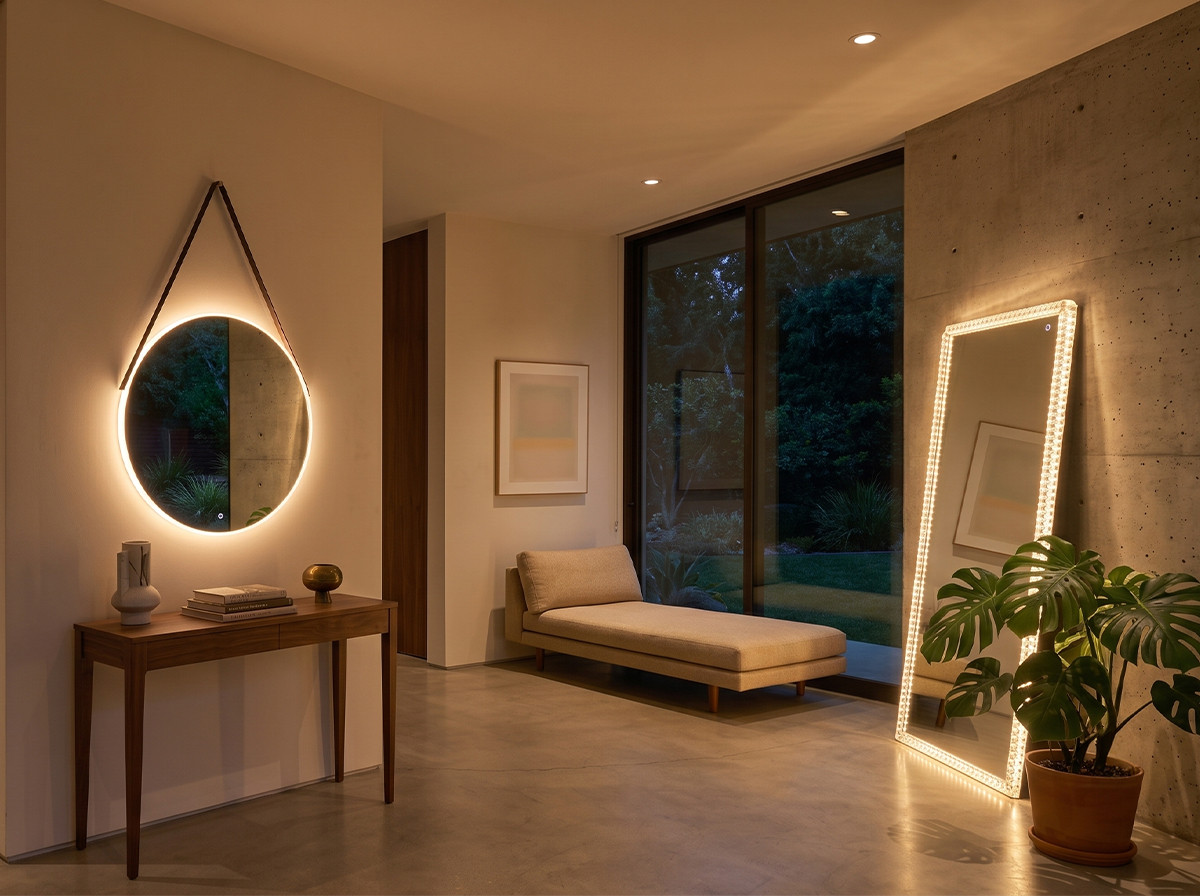
Placing mirrors opposite windows or lamps helps bounce light deeper into the space, making rooms feel larger and brighter.
Keep corner lighting warm and soft so it supports comfort rather than drawing attention.
Final Thoughts
Comfort lighting should be one of the first priorities in your first apartment. It shapes how the space feels more than furniture or decor alone.
By layering light, choosing renter friendly fixtures, and using warm, adaptable sources, you can transform even the smallest apartment into a space that feels personal and welcoming.
Your first apartment should reflect your style not only in how it looks, but in how it feels. Thoughtful lighting makes that possible.