When it comes to home lighting, table lamps are one of those elements that quietly do everything right. They add warmth, define a mood, anchor a room, and serve a functional purpose all at once. Whether placed on a nightstand, a home office desk, a console table in the entryway, or beside a reading chair in the living room, the right table lamp transforms a space in a way that overhead fixtures simply cannot match.
At Nova of California, we have spent years studying how light interacts with interior spaces across American homes. What stands out, again and again, is that most homeowners underestimate the power of a well-chosen table lamp. This guide is here to change that. From style categories to material choices, from layered lighting theory to real-world comparisons, every section below is built to help you make a smarter, more confident decision.
Why Table Lamps Matter More Than You Think
In professional interior design, lighting is divided into three primary categories: ambient lighting, task lighting, and accent lighting. Table lamps serve all three functions depending on placement, bulb selection, and shade design. That versatility is rare in a single lighting fixture.

Consider a standard living room in a home in California. If the only light source is a central ceiling fixture, shadows dominate the corners, reading becomes uncomfortable, and the room feels flat rather than layered. Introduce two matching table lamps on either side of a sofa, and suddenly the space feels intentional, balanced, and inviting.
That real transformation is why interior designers across the United States consistently recommend table lamps as a first priority when refreshing a room. The light they emit is directional, warm, and personal in a way that recessed or ceiling-mounted lighting is not.
The Role of Light Temperature in Table Lamps
Light temperature, measured in Kelvin, directly affects how a room feels. Table lamps used in bedrooms or living rooms typically perform best with bulbs in the 2700K to 3000K range, which produce a warm amber-white tone that promotes relaxation. Office table lamps, on the other hand, benefit from bulbs in the 4000K range, which support concentration and reduce eye fatigue during long work sessions.
Nova of California designs its table lamp collections with this spectrum in mind, offering fixtures that complement both warmer and cooler bulb choices without distorting the base color or shade material.
Types of Table Lamps and What Each One Does Best
Understanding the distinct categories of table lamps helps narrow down the right choice for each room and each purpose. Below is a breakdown of the most common and sought-after types found in American homes today.

1. Arc Table Lamps
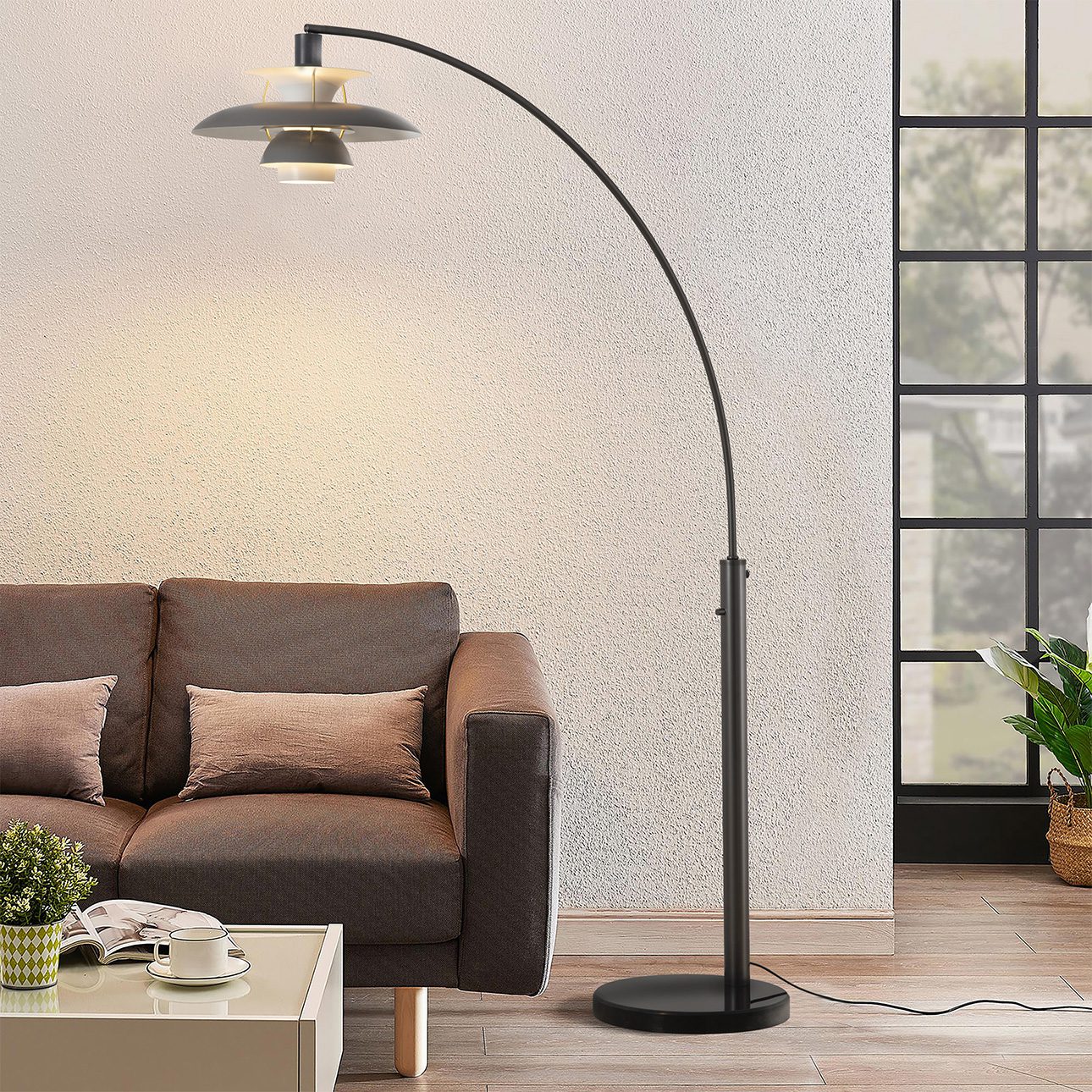
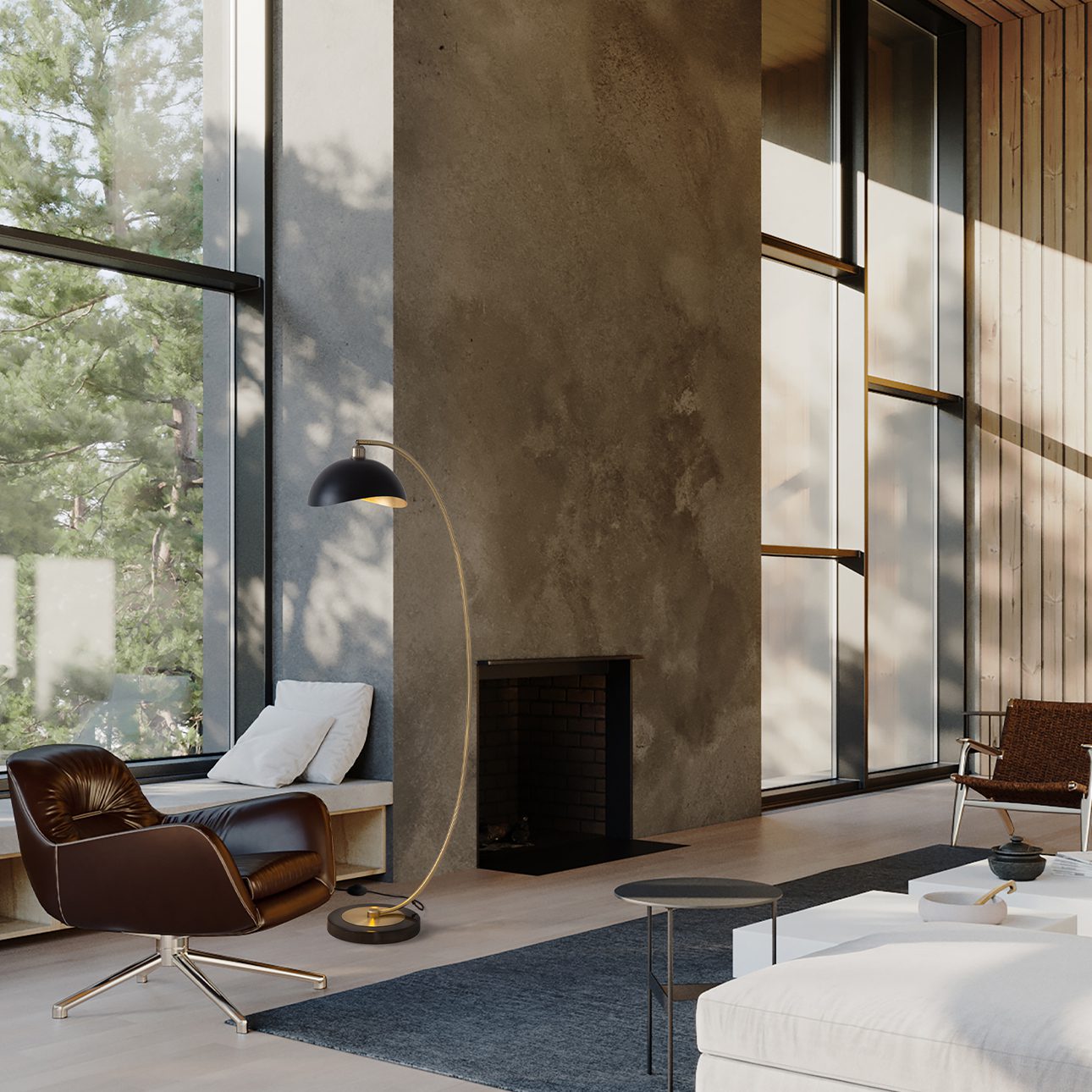
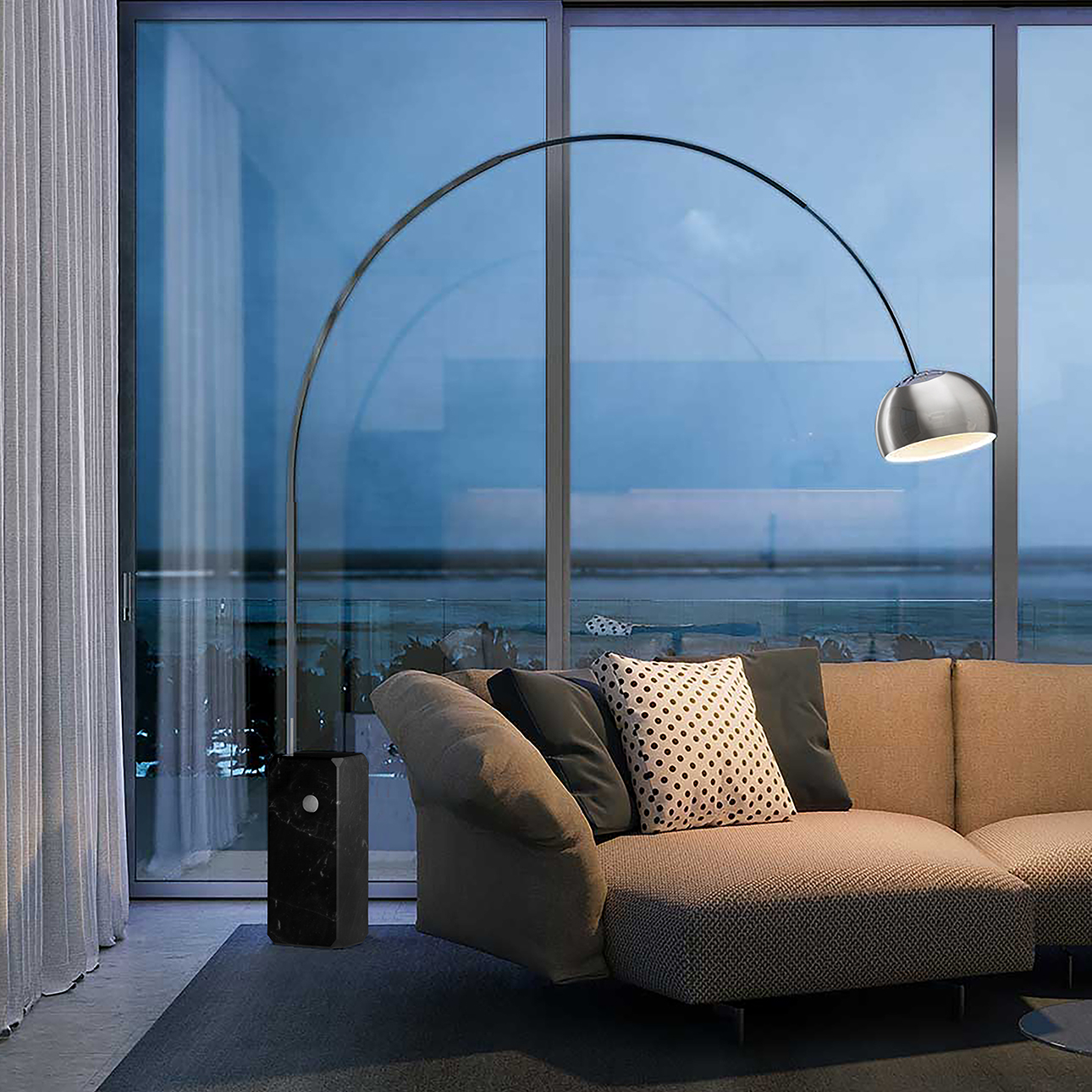
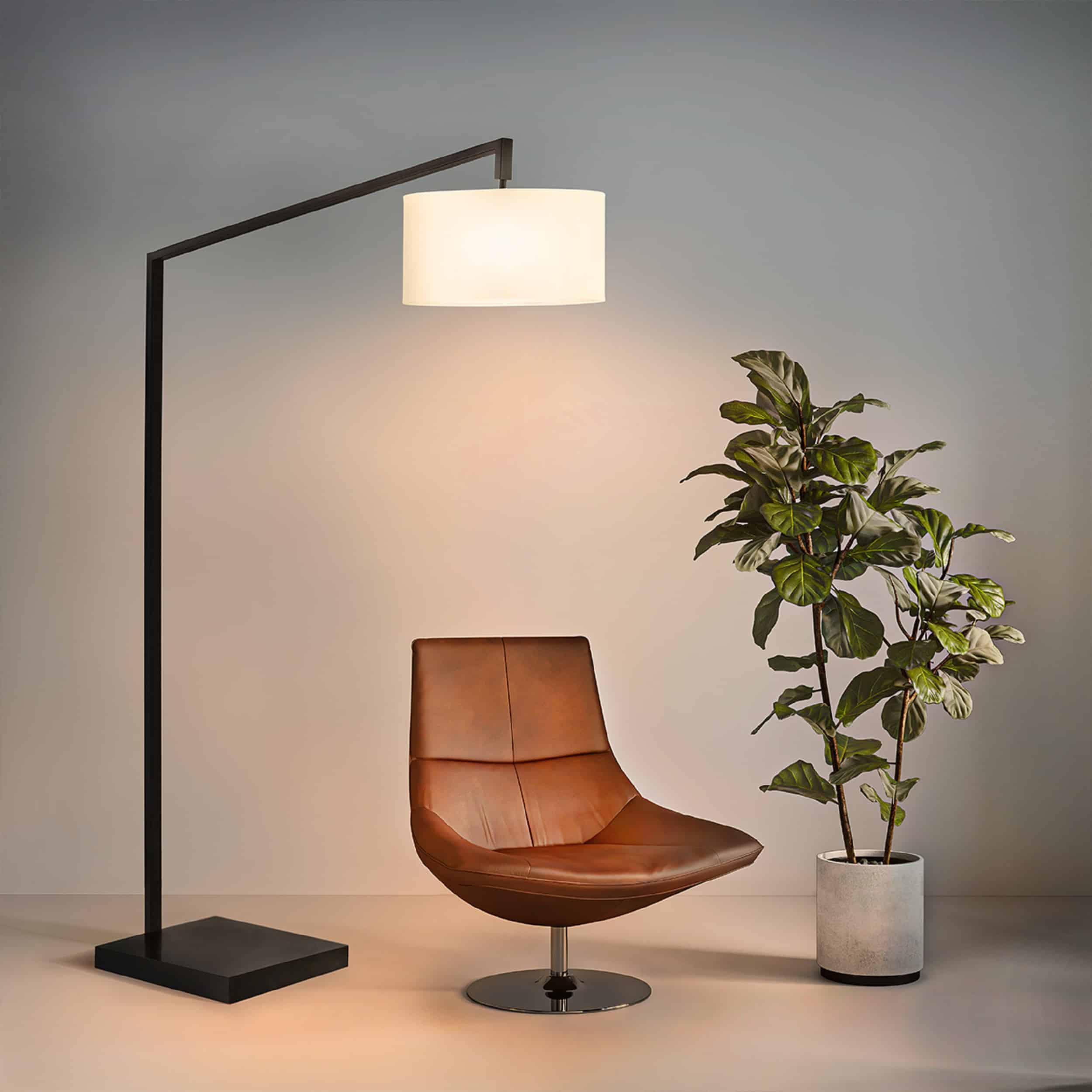
Arc table lamps feature a curved arm that extends the light source over a specific area. This design is popular for reading chairs, side tables next to sofas, and desk surfaces where directed, overhead-style illumination is needed without a floor lamp taking up floor space. Their architectural profile also serves as a statement design element.
2. Buffet Lamps
Buffet lamps are tall, slender fixtures originally designed to sit on sideboards and buffet tables in dining rooms. Their height, typically between 30 and 36 inches, makes them ideal for entryways and dining areas where a taller accent lamp draws the eye upward. Paired with a narrow shade, they create a refined, formal aesthetic.
3. Ginger Jar Lamps
Inspired by the Chinese ceramic tradition, ginger jar lamps have a wide-bellied base that adds visual weight and personality to a surface. These work exceptionally well in traditional, transitional, or coastal interior styles. Their proportions make them well-suited for larger nightstands, console tables, and bookshelves.
4. Pharmacy and Swing Arm Lamps
Originally designed for medical and laboratory use, pharmacy lamps bring practicality into residential settings. The adjustable arm allows the user to direct light precisely where it is needed, making them ideal for reading nooks, home offices, and bedside applications where targeted illumination is the primary goal.
5. Drum Shade Lamps
Drum shade lamps feature a cylindrical shade that distributes light evenly in all horizontal directions. This design is one of the most versatile in modern American interior design because the shade profile pairs well with both contemporary and transitional bases. Drum shades work in virtually every room, from the living room to the master bedroom.
6. Tripod Base Lamps
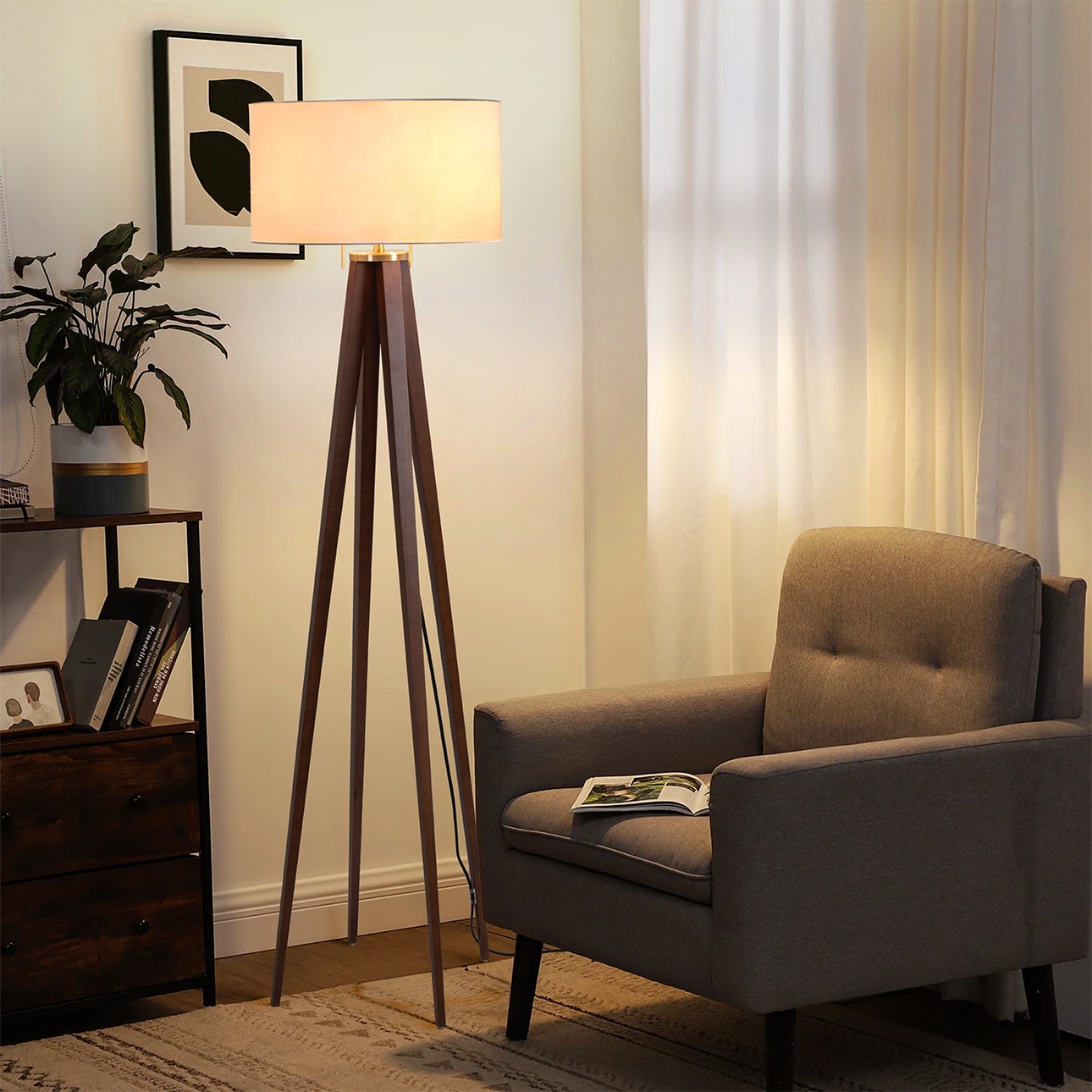
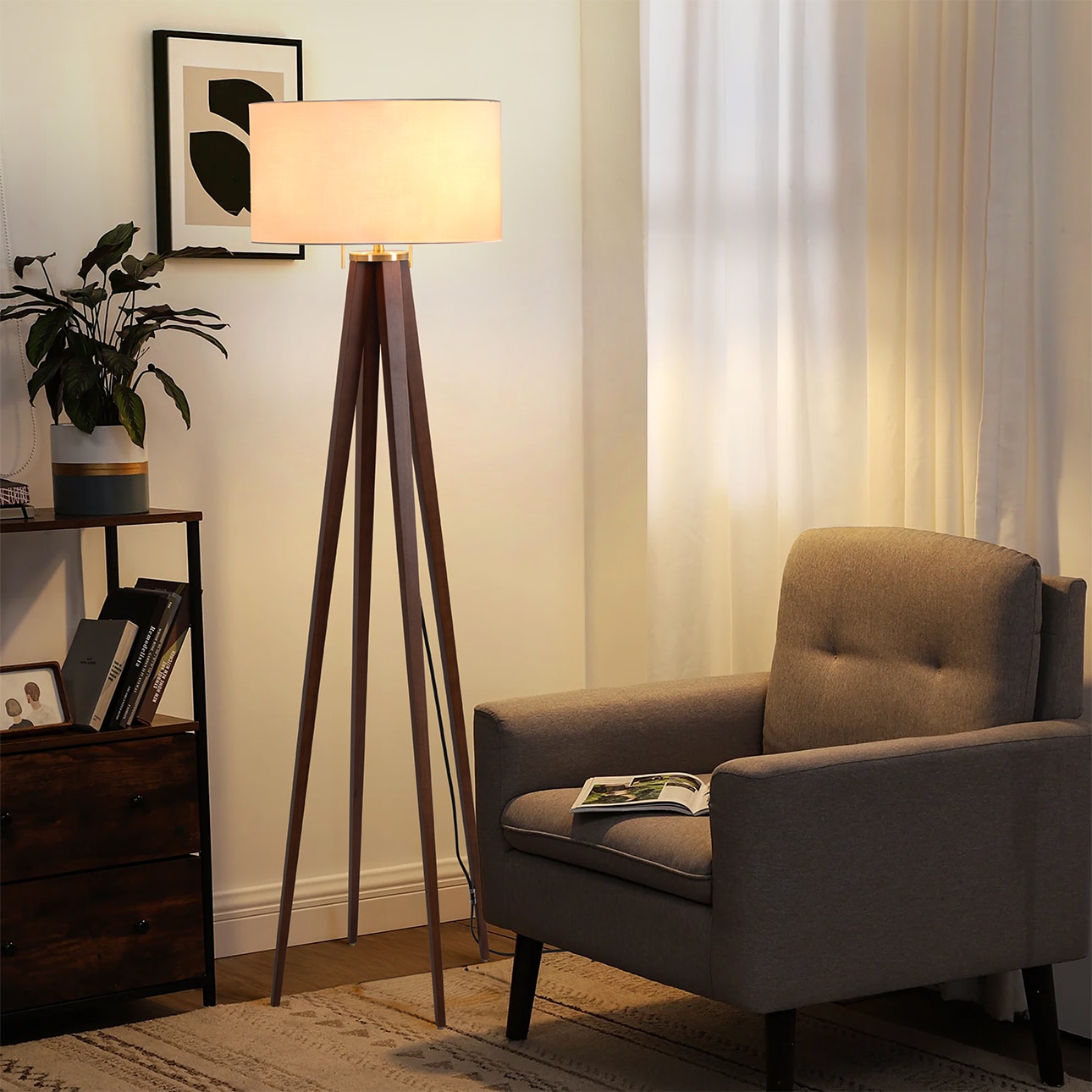
Tripod base table lamps elevate the fixture from functional accessory to sculptural statement. The three-legged base adds a midcentury modern or Scandinavian design sensibility to any room. They work especially well in open-concept living spaces and home studios where the lamp itself is meant to be noticed.
7. Touch Control and Smart Table Lamps
Touch control table lamps allow users to adjust brightness by simply touching the base, while smart lamps connect to home automation systems via Wi-Fi or Bluetooth. These modern options are increasingly popular in American bedrooms, where convenience and light management are daily priorities. Nova of California offers several fixtures that integrate with smart home ecosystems without sacrificing aesthetic quality.
Table Lamps Style and Function Comparison
The following table provides a clear comparison of major table lamp types across key functional and design criteria to support your selection process.
| Lamp Type | Best For | Light Output | Price Range | Ideal Room |
| Arc Table Lamp | Reading, Task Lighting | High | $80 – $300+ | Living Room, Office |
| Buffet Lamp | Accent Lighting | Medium | $50 – $200 | Entryway, Dining Room |
| Torchiere Lamp | Ambient Lighting | High | $60 – $250 | Living Room, Bedroom |
| Ginger Jar Lamp | Decorative Accent | Soft | $45 – $180 | Living Room, Bedroom |
| Pharmacy Lamp | Focused Task Work | Directed | $70 – $220 | Office, Study Room |
| Drum Shade Lamp | General Ambient Light | Diffused | $55 – $230 | Bedroom, Living Room |
| Tripod Lamp | Statement Decor | Medium | $90 – $400 | Living Room, Studio |
| Touch Control Lamp | Convenience Use | Adjustable | $40 – $160 | Bedroom, Nightstand |
Table Lamp Styles That Define American Interiors
Style compatibility is one of the most critical factors when selecting a table lamp. The wrong style creates visual friction in a room, while the right one reinforces the design language already present in the space.
Modern and Contemporary Table Lamps
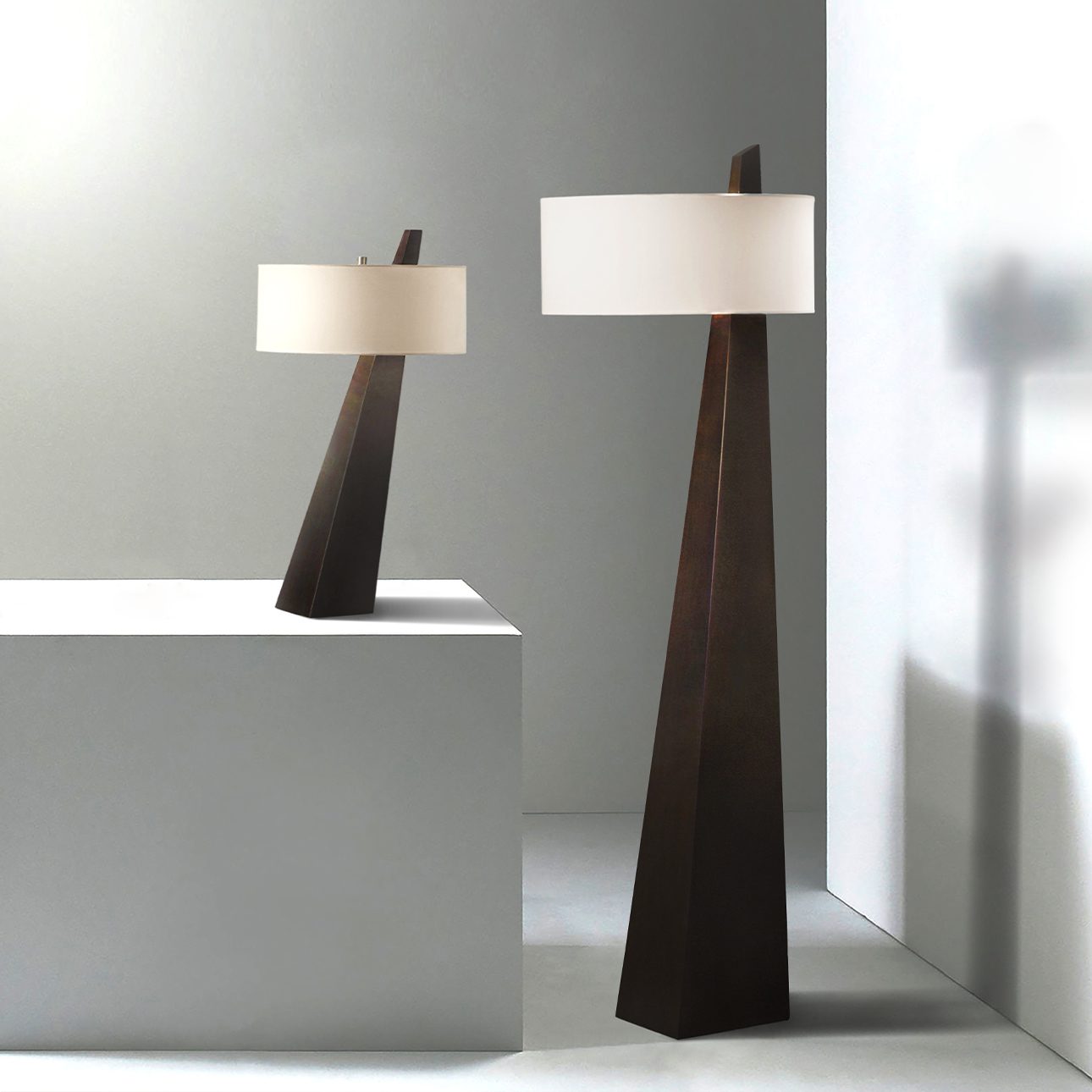
Modern table lamps emphasize clean lines, geometric forms, and neutral finishes. Bases are typically crafted from materials like brushed nickel, matte black steel, or white ceramic. Shades tend to be simple, often in white linen or drum configurations. These fixtures pair well with minimalist, industrial, and Scandinavian-influenced interiors.

A real-world example: a home in San Francisco with exposed concrete walls, dark wood floors, and open shelving benefits from a matte black metal base lamp with a white drum shade. The contrast between the raw architecture and the refined lamp form is intentional and sophisticated.
Traditional and Classic Table Lamps
Traditional table lamps lean on rich materials, ornate details, and warm finishes. Bases made from antique brass, oil-rubbed bronze, and hand-painted ceramic anchor a classic aesthetic. Empire shades in cream or beige linen are the typical companion. These lamps suit colonial, French country, and formal American traditional interiors.
Nova of California produces several traditional lamp collections that incorporate American craftsmanship with materials sourced for long-term durability, making them popular in households across the Southeast and Midwest where traditional decor remains a dominant preference.
Coastal and Nautical Table Lamps
Coastal table lamps draw from ocean-inspired palettes and textures. Natural materials like rope, whitewashed wood, sea glass, and bleached ceramic feature prominently. These lamps suit beach houses, lake homes, and any interior that celebrates a relaxed, sun-drenched atmosphere. Blues, whites, and sandy neutrals dominate the color palette.
Farmhouse and Rustic Table Lamps
Farmhouse table lamps embrace raw textures, weathered finishes, and organic forms. Mason jar bases, distressed wood, galvanized metal, and burlap shades are hallmarks of this style. They are widely popular in suburban American homes that blend traditional warmth with casual, approachable design.
Mid-Century Modern Table Lamps
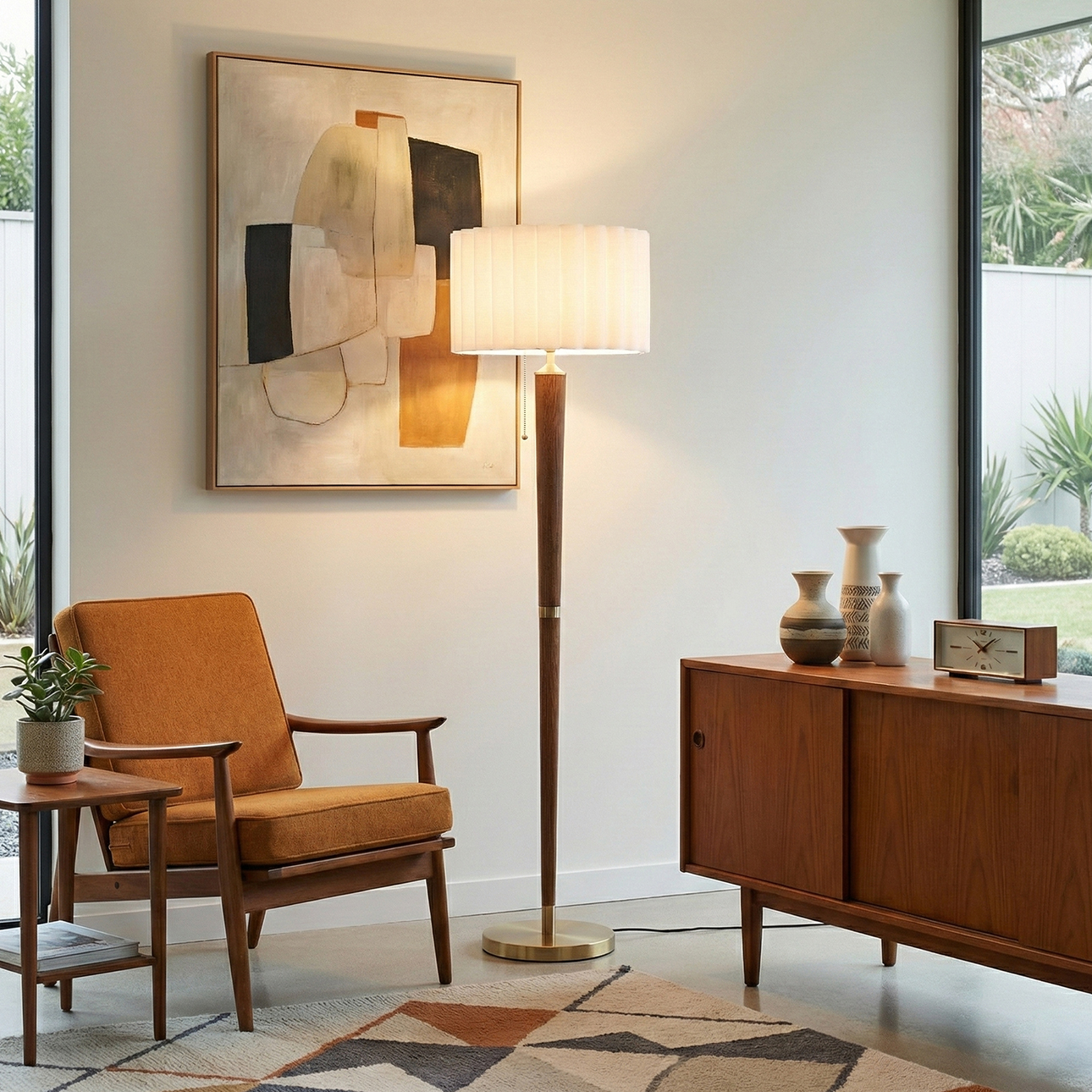
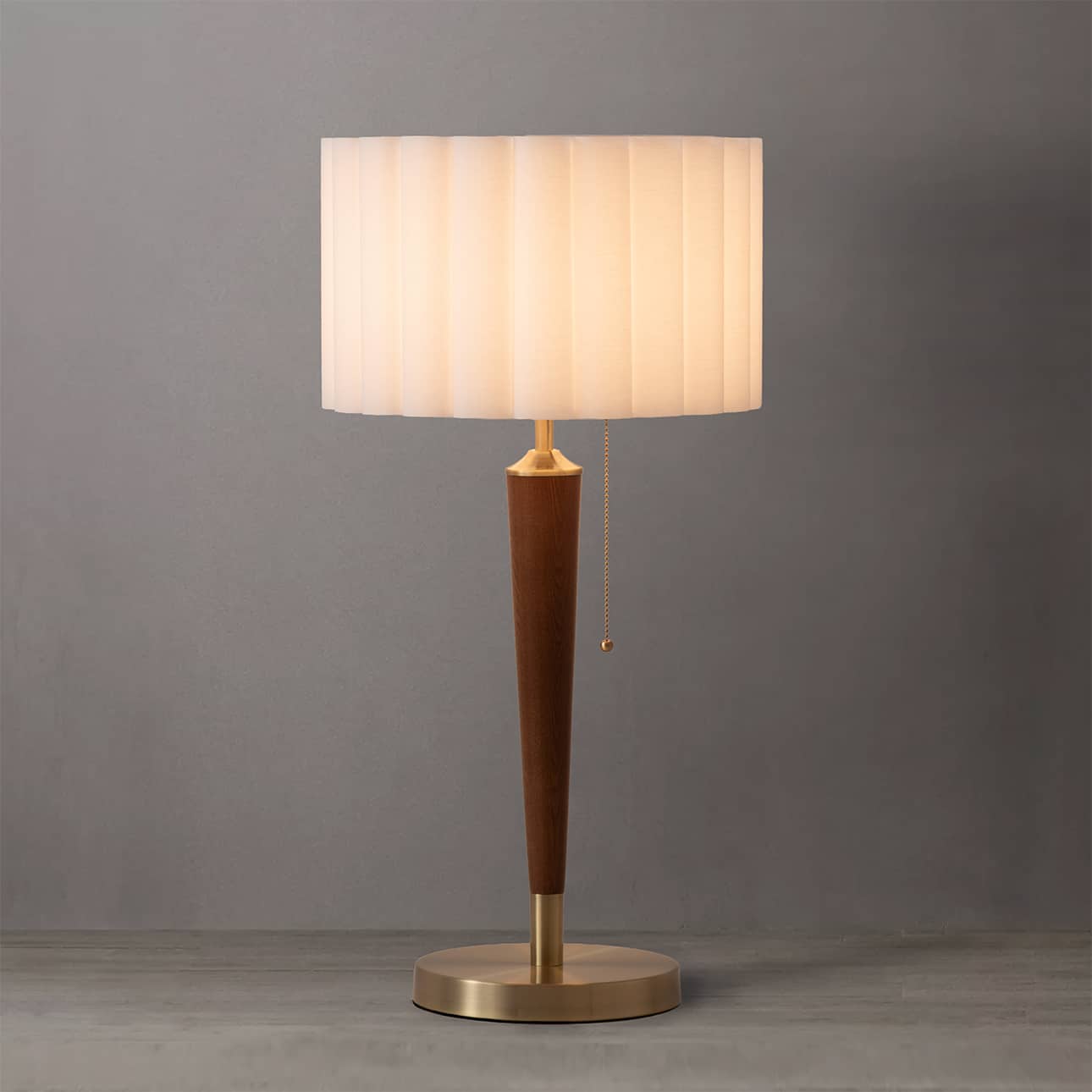
Mid-century modern table lamps remain one of the most enduring design trends in American home decor. Tapered shades, walnut wood accents, ceramic bases in terracotta or mustard tones, and tripod legs define this aesthetic. They pair well with statement furniture from the same era or with contemporary spaces that want a retro counterpoint.
Where to Place Table Lamps for Maximum Impact
Placement determines whether a table lamp succeeds or falls short of its potential. Even the most beautiful fixture underperforms when positioned incorrectly.

Table Lamps for the Bedroom
Bedside table lamps should sit at a height where the bottom of the shade aligns with the user’s eye level when seated or lying in bed. This positioning ensures the light falls comfortably on reading material without creating glare. For symmetry, matching lamps on each nightstand establish a cohesive, hotel-like quality that many homeowners desire.
The ideal height for a bedside table lamp is between 24 and 27 inches from base to finial when the nightstand stands at standard height, typically between 24 and 28 inches. This proportion ensures visual balance and functional performance.
Table Lamps for the Living Room
In living rooms, table lamps serve both ambient and accent roles. Placing them on end tables flanking a sofa creates symmetry and draws the seating area together. A single statement lamp on a console table behind the sofa adds depth and warmth to the back wall.
Scale is critical here. A lamp that is too small disappears visually in a large living room, while one that is oversized overwhelms an intimate space. A general guideline is that the lamp height should be no more than one and a half times the height of the surface it sits on.
Table Lamps for the Home Office
Home office table lamps must prioritize function above all else. Task lighting for desk work requires a lamp that can direct a focused beam onto the work surface. Adjustable pharmacy lamps and swing arm lamps excel in this setting. A color temperature of 4000K to 5000K helps sustain alertness and reduces eye strain during extended work sessions.
Table Lamps for the Entryway
An entryway table lamp creates the first and last impression for anyone entering the home. Buffet lamps and taller decorative lamps perform well on console tables in entryways. The goal is to create a welcoming pool of light that feels intentional rather than accidental.
Table Lamps for the Dining Room
While ceiling pendants and chandeliers dominate dining room lighting, a pair of table lamps on a sideboard or buffet adds a secondary layer of warmth that makes evening meals feel more intimate. This layered approach is a hallmark of thoughtful residential lighting design.
Table Lamp Materials and What They Communicate
The material of a lamp base communicates as much about the interior style as the shape itself. Making a deliberate material choice ensures the lamp enhances rather than disrupts the room.
Ceramic Table Lamp Bases
Ceramic is the most versatile base material in residential lighting. It accepts glazes in virtually any color, texture, and finish, from glossy cobalt blue to matte terracotta. Ceramic bases suit transitional interiors particularly well because their handmade quality bridges the gap between formal and casual aesthetics. Nova of California offers a wide range of ceramic base lamps in finishes designed for the American market.
Metal Table Lamp Bases
Metal bases offer precision, sleekness, and durability. Brushed nickel and polished chrome suit modern interiors, while antique brass and oil-rubbed bronze serve traditional and transitional spaces. Matte black metal is currently one of the most popular finishes in American interior design, pairing well with everything from farmhouse to industrial aesthetics.
Wood and Natural Material Bases
Turned wood bases bring organic warmth and artisanal quality to a room. They work particularly well in Scandinavian, midcentury modern, and farmhouse interiors. Bamboo, rattan, and woven natural fiber bases are increasingly prominent in coastal and bohemian design contexts.
Glass Table Lamp Bases
Glass bases add a light, reflective quality that makes a room feel airier. Crystal glass introduces glamour and is popular in formal or Hollywood Regency-inspired interiors. Frosted and seeded glass, on the other hand, have a casual artisan quality that suits transitional and farmhouse styles.
Choosing the Right Lamp Shade
The shade is not merely a covering. It determines the color, quality, and direction of light that enters the room. Selecting the wrong shade negates the work of an otherwise perfect base choice.

Shade Shape and Light Distribution
Empire shades taper from a wider bottom to a narrower top and direct light downward, making them ideal for task and reading applications. Drum shades maintain a consistent diameter from top to bottom and distribute light evenly in all directions, serving ambient lighting purposes. Bell shades combine elements of both and are a transitional favorite.
Shade Material and Color
White and off-white linen shades produce a warm, diffused light that flatters most interiors. Darker shades, such as navy, charcoal, or hunter green, reduce the total light output but add dramatic decorative impact. Sheer or silk shades create a soft, luminous glow ideal for bedrooms and reading corners.
A Real Comparison: White Linen vs. Dark Shade
Consider two identical ceramic base lamps placed on identical nightstands in the same bedroom. The first has a standard white linen drum shade. The second carries a deep charcoal linen shade. Both use the same 60-watt equivalent LED bulb at 2700K.
The white shade lamp fills the room with a broader wash of warm light, making it versatile for reading and ambient use. The charcoal shade lamp concentrates its glow near the base and creates a more intimate, moody atmosphere suited to a nighttime winding-down ritual. Neither is objectively better. The choice depends entirely on the intended use and mood goal.
Layered Lighting and the Strategic Role of Table Lamps
Professional lighting design relies on the concept of layering. A well-lit room incorporates at least three layers of light: ambient light from overhead fixtures, task light from focused sources, and accent light from decorative lamps and fixtures.
Table lamps occupy all three layers depending on context. A large table lamp with a wide drum shade contributes to ambient lighting. A small pharmacy lamp on a desk provides task lighting. A decorative ginger jar lamp on a bookshelf with a dimmed bulb serves as accent lighting.
The combination of these layers allows homeowners to adjust the mood of a room simply by turning specific lamps on or off. A room lit only by overhead fixtures has one mood. The same room with overhead lights dimmed and two table lamps activated has an entirely different character. This control is why interior designers invest so much attention in table lamp selection and placement.
Dimmer Switches and Table Lamp Flexibility
Installing dimmer-compatible plugs or using lamps with built-in dimmer switches multiplies the versatility of any table lamp. A lamp that operates at full brightness during morning preparation can be dimmed to 30 percent output during an evening gathering, creating a dramatically different atmosphere without changing a single fixture.
Nova of California designs many of its table lamp models to be fully compatible with standard dimmer switches and smart bulb systems, giving homeowners in the United States broad flexibility in how they use each fixture across the day.
Current Table Lamp Trends Shaping American Homes
Interior design trends in the United States evolve constantly, and table lamps follow these shifts closely. Understanding current directions helps homeowners make investments that feel fresh now and age gracefully over time.
Sculptural and Artisan Lamp Bases
One of the strongest trends in American residential lighting is the move toward sculptural bases that function as standalone art objects. Hand-thrown ceramic, cast stone, and molded glass bases that feature organic, asymmetrical forms are driving purchasing decisions in the premium segment. These lamps are chosen for how they look when off as much as when lit.
Earthy and Natural Tone Palettes
The shift toward biophilic design in American interiors has extended to table lamps. Warm terracotta, sage green, camel, and raw linen tones are replacing the all-white or all-black lamp collections that dominated the previous decade. These colors connect residential interiors to natural environments and promote the sense of calm that modern homeowners consistently seek.
Mixed Material Bases
Combining two or more materials in a single lamp base, such as a ceramic body with a brass neck, or a wooden base with a metal arm, is a design direction that has gained significant momentum. Mixed material lamps create visual interest and pair well with the eclectic, layered interiors that define contemporary American style.
Smart and Energy-Efficient Table Lamps
The integration of smart technology into table lamps has accelerated substantially. App-controlled dimming, color temperature shifting, and occupancy-sensing features are now available across multiple price points. Combined with the widespread adoption of LED technology, smart table lamps offer energy savings of up to 80 percent compared to incandescent equivalents while providing far greater control over light quality.
Nova of California Table Lamps and What Sets Them Apart
Nova of California has built its reputation in the American lighting market on a foundation of three principles: design integrity, material quality, and functional performance. Each table lamp collection is developed with the realities of American home interiors in mind, from the scale of typical living spaces to the range of interior styles prevalent across different regions of the country.
What distinguishes Nova of California from mass-market alternatives is the attention to proportion. Every base-to-shade ratio is tested to ensure the finished lamp looks correct in a range of settings, from compact apartment bedrooms in urban centers to open-plan living areas in suburban homes. The result is a collection where every lamp feels considered rather than generic.
Material Sourcing and Craftsmanship
Nova of California sources ceramic from artisan producers who work with American design standards for color consistency and glaze quality. Metal components are finished to tolerances that ensure color matching when multiple lamps are used in the same room. Shades are manufactured using materials selected for light transmission quality, not just appearance.
Collections Designed for American Lifestyles
From the coastal homes of the Pacific Coast to the farmhouse-inspired interiors of the Midwest, Nova of California offers collections calibrated to the diversity of American residential style. The brand recognizes that a table lamp suited for a bungalow in Pasadena differs from one appropriate for a brownstone in Chicago or a lake house in the Carolinas.
A Practical Buying Guide for Table Lamps
With so many options available, narrowing the field requires a structured approach. The following factors should guide any table lamp purchase decision.

Step 1: Define the Purpose
Before evaluating any specific lamp, identify whether the primary purpose is task lighting, ambient lighting, or accent lighting. This single decision eliminates the majority of incompatible options immediately.
Step 2: Measure the Space
Measure the height of the surface the lamp will sit on, the wall space above it, and the surrounding furniture. A lamp that is too short loses visual presence. One that is too tall crowds the space. The total height of the lamp, including shade and finial, should typically sit between 58 and 64 inches from the floor when placed on a standard side table.
Step 3: Identify the Dominant Style
Catalog the existing interior style of the room. Note the dominant finish in hardware, the material of key furniture pieces, the color palette on walls and upholstery, and the overall formality level of the space. This profile determines which lamp styles will integrate naturally.
Step 4: Set a Realistic Budget
Table lamps range widely in price, from under $40 for basic mass-market options to well over $500 for premium artisan pieces. A realistic budget for a lamp that will serve both aesthetic and functional purposes in a primary room typically falls between $80 and $300. Nova of California offers strong value across this range, with collections designed to perform at every price point.
Step 5: Test the Bulb Compatibility
Confirm that the lamp socket accepts the bulb type and wattage needed for the intended purpose. Check whether the fixture is dimmer-compatible if you plan to use a dimmer switch. Verify smart bulb compatibility if you intend to integrate the lamp into a home automation system.
Caring for Your Table Lamps Over Time
A well-maintained table lamp lasts for decades. The investment in care is minimal but the return in longevity is significant.
Cleaning Ceramic and Glass Bases
Wipe ceramic and glass bases with a soft, damp cloth and mild soap. Avoid abrasive cleaners that can scratch glazed surfaces. Dry thoroughly to prevent water spots.
Cleaning Metal Bases
Metal bases, particularly polished finishes like brass and chrome, are prone to fingerprints and water spots. A microfiber cloth with a small amount of metal polish restores the shine. Matte and brushed finishes require only a dry microfiber wipe.
Cleaning Fabric and Linen Shades
Use a soft brush attachment on a vacuum cleaner to remove dust from fabric shades. For spot cleaning, a lightly damp cloth with mild soap works on most linen and cotton materials. Never saturate the shade material with water, as this can distort the shape.
Bulb Replacement and Socket Care
Replace bulbs promptly when they fail to prevent socket overheating. When replacing, always match the wattage and base type specified on the lamp label. Inspect the cord and plug annually for signs of wear, fraying, or discoloration.
Frequently Asked Questions About Table Lamps
The following table addresses the most common questions homeowners in the United States ask when selecting, placing, and caring for table lamps.
| Frequently Asked Question | Answer |
| What size table lamp do I need for a nightstand? | For a standard nightstand, a table lamp between 24 to 27 inches tall works well. The lampshade bottom should sit at eye level when seated in bed, roughly 20 inches from the tabletop. |
| What type of bulb is best for table lamps? | LED bulbs are the most energy-efficient choice. For warm, inviting ambiance, select LEDs rated 2700K to 3000K. For reading or task work, a 4000K daylight LED is preferred. |
| How do I match a table lamp to my room decor? | Match the lamp base material and finish to existing metals or wood tones in the room. For example, if the room features brushed nickel hardware, a lamp with a similar finish will tie the space together naturally. |
| Can table lamps be used as the only light source in a room? | Table lamps work best as layered lighting rather than a sole source. Pairing them with overhead lighting and floor lamps creates a balanced, comfortable atmosphere. |
| What is the ideal wattage for a table lamp? | For ambient light, 40 to 60 watts (or LED equivalent) is standard. For reading or detail work, 75 to 100 watts (or LED equivalent) provides adequate brightness without strain. |
| Are smart table lamps worth the investment? | Yes, especially for those who value convenience and energy management. Smart lamps allow dimming, color temperature adjustments, and scheduling via app or voice control, adding long-term value. |
| What shade shape gives the most light? | Drum shades distribute light evenly in all directions, making them ideal for general room illumination. Empire shades direct more light downward, which suits reading and task-focused settings. |
| How do I clean a table lamp shade? | For fabric shades, use a lint roller or soft brush attachment on a vacuum. For glass or metal shades, wipe with a damp cloth and mild detergent. Always turn off and unplug the lamp first. |
Final Thoughts on Table Lamps for Your Home
Table lamps are one of the most powerful and underutilized tools in residential interior design. They bring warmth, personality, and functional clarity to any room in which they are placed. The decisions surrounding lamp style, scale, placement, material, and shade type all contribute to outcomes that either elevate or diminish a room’s character.
Nova of California approaches table lamp design with the conviction that great lighting should be accessible, honest in its materials, and thoughtful in its proportions. Whether you are furnishing a new home, refreshing a room that has grown stale, or building a layered lighting plan from scratch, the table lamp collections available through Nova of California offer a starting point for every interior direction, every room size, and every budget.
The ideas explored in this guide represent a cross-section of what is possible. The best table lamp for your home is the one that serves your daily life, reflects your personal aesthetic, and makes the room feel exactly the way you want it to feel when you walk through the door.