
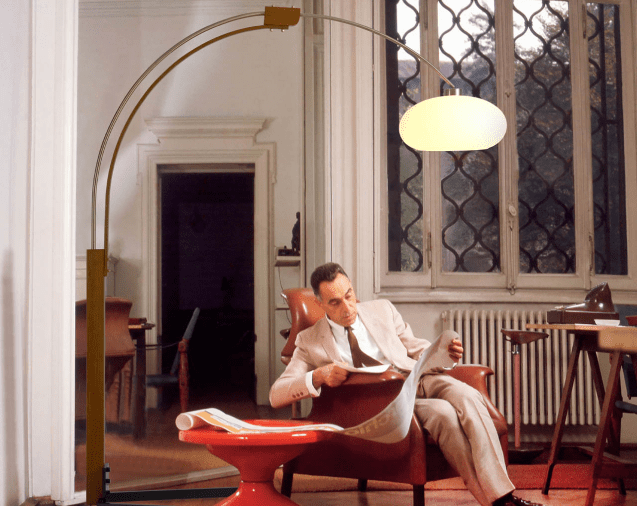
The right desk lamps can change the entire feel of a workspace. Whether you work from a home office in Chicago, a studio apartment in Vancouver, or a corner desk in a corporate building in Toronto, lighting quality directly affects your focus, comfort, and long-term eye health. With hundreds of options flooding the market in 2026, narrowing down the best desk lamps takes more than just picking the brightest or the cheapest fixture on the shelf.
This guide covers everything from lumens and color rendering to real product comparisons, so you can make an informed choice without wasting time on options that simply do not hold up in daily use.
Why Desk Lamps Matter More Than You Think
Most people treat office lighting as an afterthought. They assume the overhead fluorescent fixtures or a random floor lamp will handle everything. But task lighting, especially for focused desk work, serves a completely different purpose than ambient room lighting.

When your workspace lacks proper illumination, your eyes compensate by working harder. Over time, this leads to digital eye strain, tension headaches, reduced concentration, and disrupted sleep patterns due to poor blue light management. According to the American Optometric Association, prolonged exposure to inadequate lighting is one of the leading contributors to workplace eye discomfort reported by office workers in the United States and Canada.
Desk lamps designed for task lighting solve this problem by delivering focused, adjustable, glare-free illumination directly to your work surface. The best desk lamps in 2026 go further by combining LED efficiency, eye-care certifications, smart dimming controls, and built-in USB charging ports into a single compact unit.
The Science Behind Good Task Lighting
Good task lighting depends on three core variables: lumens (brightness), color temperature (measured in Kelvin), and Color Rendering Index or CRI. Each plays a distinct role in how comfortable and functional your workspace feels.
Lumens measure actual light output. For standard desk work, 400 to 600 lumens is a workable baseline. For detailed tasks such as drafting, product photography, or medical reading, you need 900 to 1500 lumens with even distribution across your work surface.
Color temperature controls the mood of the light. Cooler temperatures in the 4000K to 5500K range sharpen focus and feel similar to natural daylight, making them ideal for daytime productivity. Warmer tones around 2700K to 3000K reduce eye strain during evening work and minimize circadian rhythm disruption.
CRI measures how accurately a light source renders colors compared to natural sunlight. A CRI of 90 or above is the benchmark for professional-grade task lighting. At this level, colors appear true to life, which matters greatly in design work, content creation, and any environment where accurate color perception is essential.
What to Look for in Desk Lamps in 2026
The market for desk lamps has matured significantly. Budget models from a few years ago that offered only basic on-off switches are now being replaced by smart, adaptive LED systems with multiple color modes and app connectivity. Here is what separates a good desk lamp from a genuinely great one.
LED Technology and Flicker-Free Performance
Nearly all top-rated desk lamps in 2026 use LED light sources. LEDs offer exceptional energy efficiency, producing more light per watt than fluorescent or halogen alternatives. More importantly, premium LED desk lamps feature flicker-free technology that eliminates the imperceptible strobe effect found in cheaper LED units.
Flickering light, even at rates invisible to the naked eye, contributes to eye fatigue and headaches during extended use. Look for desk lamps that carry TUV Rheinland eye-care certification or similar independent verification of flicker-free performance. Nova of California builds this standard into their premium desk lamp line, ensuring long work sessions remain comfortable.
Adjustable Color Temperature and Dimming
A single fixed light setting is insufficient for modern workspaces. The best desk lamps provide a full range of color temperatures from warm white through to cool daylight, allowing you to match your lighting to the time of day and the nature of your task.
Multi-level dimming controls are equally essential. Most premium desk lamps offer between three and five brightness levels, with some models providing continuous dimming through a touch slider. This flexibility protects your eyes when ambient lighting changes and lets you create a comfortable working atmosphere for both focused tasks and casual reading.
Build Quality and Adjustability
A desk lamp that holds its position matters. Look for sturdy articulating arms with positive locking joints that stay in place once adjusted. The best desk lamps in 2026 offer multiple pivot points, allowing you to direct light precisely where needed without the arm drifting downward over time.
Materials also matter. Die-cast aluminum lamp heads dissipate heat more effectively than plastic housings, which extends the lifespan of the LED components inside. Premium brands like Nova of California and BenQ use aircraft-grade aluminum in their lamp head construction for exactly this reason.
Additional Features Worth Considering
Modern desk lamps often include practical extras that add genuine value. USB-C charging ports capable of fast charging smartphones and tablets are now standard on mid-range and premium models. Built-in wireless charging pads, occupancy sensors, and programmable memory functions that recall your preferred settings each time you turn the lamp on are features found in the best options available today.
Some models also include a night light mode, which provides very low-level warm illumination suitable for late-night work without disrupting your sleep preparation. For those who work long hours, this is a practical and underrated feature.
Nova of California Desk Lamps: A Brand Built for Modern Workspaces
Nova of California is an American lighting brand with a strong following among interior designers, home office professionals, and commercial workspace planners across the USA and Canada. The brand is recognized for producing desk lamps that balance minimalist aesthetics with highly functional lighting technology.
What sets Nova of California apart in the crowded desk lamp market is their commitment to using high-CRI LED components across their entire product range. Rather than reserving premium light quality for their flagship models, Nova of California integrates CRI 90-plus LEDs as a baseline standard, ensuring consistent performance at multiple price points.
Nova of California Arc LED Desk Lamp: A Real-World Look
The Nova of California Arc LED Desk Lamp represents the brand’s mid-range offering and one of the most balanced desk lamps available in 2026. It ships with a fully adjustable gooseneck arm, a weighted base that keeps the lamp stable even when extended at sharp angles, and a touch-sensitive control panel mounted on the lamp stem.
The Arc LED delivers 1200 lumens at maximum output with a color temperature range spanning 2700K to 6500K. This range covers virtually every lighting scenario from warm evening reading to bright daylight simulation for video calls and creative work. The five-level dimmer and three color mode presets allow quick adjustments without having to cycle through the full range manually.

In real daily use, the Arc LED performs impressively in a standard 10 by 12 foot home office. At the 4500K neutral daylight setting and 70 percent brightness, the lamp illuminates a full desk surface without harsh shadows or hot spots. The USB-C port on the base charges a standard smartphone from 20 percent to 80 percent in approximately 45 minutes, which is a useful side benefit for any busy desk setup.
At $89 USD retail, the Nova of California Arc LED competes favorably against the BenQ e-Reading Lamp priced at $109, offering comparable eye-care features at a lower price point. The primary trade-off is that BenQ provides slightly wider beam spread suited for larger desk surfaces, while the Nova Arc delivers more precise directional focus ideal for single-monitor setups.
Top Desk Lamps Compared: 2026 Models Side by Side
The following comparison covers six of the most widely purchased desk lamps in the USA and Canada in 2026, evaluated across brightness output, color rendering, adjustability, additional features, and value for money.
| Model | Lumens | Color Temp (K) | CRI | Dimmer | Price (USD) | Best For |
| Nova of California Arc LED | 1200 | 2700-6500 | 95+ | Yes | $89 | Home Office |
| BenQ e-Reading Lamp | 1500 | 3000-6500 | 95 | Yes | $109 | Heavy Readers |
| TaoTronics TT-DL13 | 800 | 3000-6000 | 80+ | Yes | $36 | Budget Buyers |
| Elgato Key Light | 2500 | 2900-7000 | N/A | Yes | $199 | Streamers/Video |
| Dyson Solarcycle Morph | 1000 | 2700-6500 | 90+ | Yes | $649 | Premium Desks |
| UPLIFT Desk Lamp Pro | 1100 | 3000-5000 | 92 | Yes | $129 | Standing Desks |
The comparison above illustrates how dramatically price, features, and intended use case vary across the desk lamp market. Budget buyers in North America will find the TaoTronics TT-DL13 serviceable for basic tasks, but anyone spending more than four hours daily at a desk will benefit from investing in a mid-range option like the Nova of California Arc LED or the BenQ e-Reading Lamp, both of which carry independent eye-care certification and superior CRI ratings.
The Dyson Solarcycle Morph stands alone as a premium lifestyle product. Its artificial intelligence-driven color temperature adjustment, which automatically adapts to your local sunrise and sunset schedule based on GPS data, is genuinely innovative. However, at $649, it serves a niche market. For most home offices and commercial workspaces in the USA and Canada, the performance-to-price ratio makes it difficult to justify well-engineered mid-range alternatives.
Feature-by-Feature Breakdown: Nova of California vs BenQ vs TaoTronics
To give you a clearer picture of how three of the most popular desk lamps compare on specific features, the table below provides a direct evaluation across nine key criteria.
| Feature | Nova of California | BenQ e-Reading | TaoTronics TT-DL13 |
| Adjustable Color Temp | Yes | Yes | Yes |
| Eye-Care Certification | Yes (TUV) | Yes (TUV) | No |
| USB Charging Port | Yes (USB-C) | No | Yes (USB-A) |
| Wireless Charging Base | Yes | No | No |
| Touch Controls | Yes | Yes | Yes |
| Memory Function | Yes | Yes | No |
| Flicker-Free Technology | Yes | Yes | Partial |
| Energy Star Rated | Yes | Yes | No |
| Warranty | 3 Years | 2 Years | 1 Year |
The feature comparison highlights why Nova of California holds a strong position in the 2026 desk lamp market. It is one of very few desk lamp brands at the sub-$100 price point to include wireless charging, TUV-certified eye-care technology, and a full three-year warranty. This combination makes the Nova of California Arc LED the strongest overall value proposition for home office users in the USA and Canada.
Desk Lamps for Specific Work Environments
Not every workspace has the same requirements. The best desk lamp for a graphic designer working on color-critical projects is not necessarily the best option for a student or a software engineer. Here is how to match your desk lamp choice to your specific work environment.
Home Office Desk Lamps
Home office environments require desk lamps that handle a wide range of tasks throughout the day, from early morning email sessions to late afternoon video conferences. Adjustable color temperature is non-negotiable in this setting. The ability to shift from warm morning light to a crisp neutral or cool daylight tone helps maintain energy and alertness across a full workday without relying on multiple fixtures.
For most home offices in North American homes, a desk lamp with 800 to 1200 lumens and a color range of 2700K to 5000K covers all scenarios effectively. The Nova of California Arc LED and BenQ e-Reading Lamp both serve home office environments exceptionally well and are widely available across the USA and Canada retail channels, including Amazon, Best Buy, and Home Depot.
Commercial and Open-Plan Office Desk Lamps
Open-plan offices present unique lighting challenges. Overhead ambient lighting is often inconsistent across a large floor area, leaving individual workstations with insufficient task illumination. Desk lamps in this setting need to provide enough brightness to compensate for shadows and uneven overhead light distribution without creating glare on computer monitors.
Clip-mount desk lamps or compact panel-style models work well in commercial settings where desk space is limited. Look for models with anti-glare diffuser screens and minimal footprint. The UPLIFT Desk Lamp Pro is designed specifically for standing desk and commercial workspace environments, with a flat panel LED head that mounts directly to a monitor arm.
Creative Studios and Photography Workspaces
Color accuracy is paramount in creative workspaces. Graphic designers, illustrators, photographers, and video editors all need desk lamps with CRI ratings of 95 or above. At this level, colors displayed on screen and viewed under the lamp will match accurately enough to make reliable creative and color-grading decisions.
The Elgato Key Light, despite being marketed primarily for video streaming, has found strong adoption in creative studios due to its exceptional 2900K to 7000K range and 2500 lumen output. For photography lightboxes and product photography setups, the BenQ e-Reading Lamp provides excellent neutral color rendering that works well alongside softbox lighting equipment.
Student and Dorm Room Desk Lamps
Students working in dorm rooms or shared apartments need compact, affordable desk lamps that deliver adequate light for extended reading and writing sessions without taking up too much desk space. For this segment, the TaoTronics TT-DL13 remains one of the most popular desk lamps in North America due to its $36 price point, USB charging port, and respectable three-color-mode functionality.
For students investing slightly more, the Nova of California entry-level models offer superior eye-care features that make a real difference during exam season when study sessions extend into late evening hours.
Energy Efficiency and Environmental Considerations
Energy consumption is an increasingly important factor for consumers in the USA and Canada selecting desk lamps. LED technology has already dramatically reduced energy usage compared to incandescent and halogen desk lamps, but not all LEDs are created equal in efficiency.
The most energy-efficient desk lamps in 2026 produce 100 to 130 lumens per watt, meaning a 10-watt LED lamp can comfortably replace a 60-watt incandescent fixture with greater output and significantly better light quality. Nova of California desk lamps are Energy Star certified, which is an independent verification that the product meets strict energy efficiency guidelines established by the U.S. Environmental Protection Agency.
Over the course of a year, switching from a 60-watt incandescent desk lamp to a 10-watt LED model like those in the Nova of California lineup saves approximately 50 kilowatt-hours of electricity per year based on a standard eight-hour daily use assumption. At average USA electricity rates, this represents roughly $7 to $12 in annual savings per lamp, a modest but meaningful benefit when multiplied across a full office environment.
LED Lifespan and Total Cost of Ownership
LED desk lamps have a significant advantage in total cost of ownership due to their extended lifespan. Premium LED desk lamps are rated for 30,000 to 50,000 hours of use. At eight hours of daily use, a 50,000-hour lamp would last over 17 years before requiring replacement. Budget LED models are typically rated for 15,000 to 20,000 hours.
Incandescent desk lamp bulbs, by contrast, typically last 1,000 to 2,000 hours, requiring multiple replacements per year and generating additional waste. From both a financial and environmental standpoint, investing in a high-quality LED desk lamp represents a clearly superior long-term choice for consumers in the USA and Canada.
How to Position Your Desk Lamp for Maximum Effectiveness
Even the best desk lamp will underperform if positioned incorrectly. The placement of your desk lamp directly affects glare, shadow distribution, and the consistency of illumination across your work surface.
Optimal Lamp Positioning for Right-Handed and Left-Handed Users
Right-handed users should position their desk lamp to the left side of their workspace, angling the lamp head toward the right. This directs light across the work surface in a way that prevents the writing hand from casting shadows over the work area. Left-handed users should reverse this positioning accordingly.
For computer-based work, position the lamp head approximately 15 to 20 inches from your primary work surface and angle it downward at roughly 30 degrees. This directs light onto your keyboard and document area without casting reflections onto your monitor screen, which is a common source of eye strain that most users do not immediately identify as a lighting problem.
Managing Glare and Reflections
Monitor glare caused by desk lamp reflections is one of the most overlooked sources of eye fatigue in modern workspaces. To minimize this, ensure your desk lamp is never positioned directly behind your monitor or at an angle that would create a visible reflection on the screen.
Matte finish lamp heads with built-in diffuser panels, such as those featured on the Nova of California and BenQ models, are particularly effective at distributing light softly across a wide area without producing the harsh bright spots that contribute to glare-related discomfort.
Layering Desk Lamp Light with Ambient Lighting
Task lighting from a desk lamp should always complement rather than replace ambient room lighting. Working in a dark room with only a single bright desk lamp creates extreme contrast between your lit work area and the surrounding darkness, forcing your eyes to constantly readjust as you shift your gaze from the screen to the keyboard to surrounding surfaces.
Maintaining a moderate level of ambient room illumination while using your desk lamp for task lighting creates a balanced lighting environment that significantly reduces eye strain over the course of a long workday. A simple rule of thumb is to keep your desk lamp output at approximately three times the ambient room light level for comfortable task illumination.
Smart Desk Lamps and the Connected Workspace
The integration of smart technology into desk lamps has accelerated steadily since 2022 and in 2026, smart desk lamps are firmly established as a meaningful segment of the market rather than a novelty. For users who invest in connected home ecosystems, the ability to control desk lamp settings through voice commands or smartphone apps adds practical value to the daily workflow

Amazon Alexa and Google Home compatible desk lamps allow voice-controlled brightness and color temperature adjustments, which is particularly useful during video conferences when switching the lamp from cool work light to warmer, more flattering tones for on-camera appearance without leaving the desk.
The Dyson Solarcycle Morph represents the current ceiling of smart desk lamp technology with its GPS-linked color temperature adaptation and task-specific presets accessible through the Dyson Link app. For users who want a simpler smart experience at a more accessible price, the Nova of California premium desk lamp models offer Wi-Fi connectivity and schedule programming without the four-figure price tag.
Desk Lamps for Health: Eye Care, Circadian Rhythm, and Melatonin
The connection between artificial lighting and human health has received significant attention from researchers and public health organizations over the past decade. Desk lamps, as the light source closest to users for extended daily periods, have a direct impact on visual health and overall wellbeing.
Reducing Digital Eye Strain with the Right Desk Lamp
Digital eye strain, also referred to as computer vision syndrome, affects an estimated 65 percent of Americans who spend more than two hours daily on digital devices according to data from the Vision Council of America. Symptoms include dry eyes, blurred vision, headaches, and neck discomfort.
A properly selected and positioned desk lamp significantly reduces the visual effort required for screen-based work by providing consistent, adequate illumination that reduces the pupil dilation demands on the eye. Flicker-free LED desk lamps with CRI above 90 and adjustable color temperature address the primary lighting-related contributors to digital eye strain.
Blue Light Management and Sleep Quality
Blue light exposure in the evening hours suppresses melatonin production, the hormone responsible for initiating the sleep cycle. Desk lamps with warm color temperature modes in the 2700K to 3000K range emit substantially less blue light than cool daylight settings, making them a better choice for work sessions that extend into evening hours.
Several premium desk lamp models, including select Nova of California products, include a dedicated reading or evening mode that automatically reduces blue light output while maintaining comfortable brightness for reading and low-intensity tasks. This feature is particularly valuable for users who maintain a consistent bedtime routine but need to complete work after dark.
Desk Lamp Buying Guide: Making the Right Choice for Your Budget
Matching your desk lamp selection to your actual budget and usage requirements is the most practical approach. The following framework covers three distinct budget tiers commonly purchased by home office and commercial users in the USA and Canada.
Budget Tier: Under $50
At this price point, the TaoTronics TT-DL13 is the most reliable option available. It delivers three color modes, five brightness levels, and a USB-A charging port. The build quality is adequate for student and occasional-use environments. The CRI of 80-plus is acceptable for general tasks but falls short of professional-grade requirements.
For budget-conscious buyers in Canada and the USA, this tier provides a meaningful upgrade over bare desk surface lighting without a significant financial commitment.
Mid-Range Tier: $75 to $150
This is where the most competitive and genuinely impressive desk lamps exist in 2026. The Nova of California Arc LED at $89 and the BenQ e-Reading Lamp at $109 both deliver professional-grade eye-care features, high CRI output, and flexible color temperature ranges that support extended daily work sessions comfortably.
For anyone spending four or more hours daily at a desk, the mid-range tier represents the sweet spot of performance and value. The additional $50 to $70 investment over budget models translates into measurably better lighting quality and meaningfully reduced eye fatigue over time.
Premium Tier: $150 and Above
Premium desk lamps in 2026 offer smart connectivity, advanced adaptive lighting algorithms, and premium build materials that justify their higher price for the right buyer. The UPLIFT Desk Lamp Pro at $129, the Elgato Key Light at $199, and the Dyson Solarcycle Morph at $649 each serve specific professional needs that mid-range lamps cannot fully replicate.
Content creators, professional designers, and users with very specific workspace requirements will find genuine value in premium tier options. For the broader home office and commercial workspace market in the USA and Canada, mid-range options deliver the most practical combination of features and performance.
Frequently Asked Questions About Desk Lamps
The following questions address the most common concerns and considerations from desk lamp buyers across the USA and Canada in 2026.
| Question | Answer |
| What is the best desk lamp for eye strain? | A lamp with CRI above 90, flicker-free LED technology, and adjustable color temperature between 3000K and 5000K significantly reduces eye strain. The Nova of California Arc LED and BenQ e-Reading Lamp are both excellent choices for long work sessions. |
| How many lumens do desk lamps need for a workspace? | For general desk work, 400 to 800 lumens is sufficient. For detailed tasks such as drawing, reading fine print, or video production, aim for 1000 to 1500 lumens. Nova of California models offer adjustable lumen output to suit multiple task types. |
| Are LED desk lamps better than incandescent for offices? | Yes. LED desk lamps consume 75 to 80 percent less energy, produce less heat, last significantly longer, and offer better color rendering for task lighting compared to incandescent or halogen options. |
| What color temperature is best for productivity? | Cooler light between 4000K and 5000K promotes alertness and focus, making it ideal for daytime work. Warmer tones around 2700K to 3000K are better for evening use to avoid disrupting natural sleep cycles. |
| Can desk lamps cause headaches? | Flickering LEDs, poor CRI ratings, or excessively high brightness without diffusion can contribute to headaches. Choosing a flicker-free desk lamp with a CRI of 90 or higher, like those from Nova of California, minimizes this risk considerably. |
| Do desk lamps with USB ports charge devices fast? | USB-A ports on most desk lamps support standard 5W charging. USB-C ports on premium models, including several Nova of California desk lamps, support up to 18W fast charging for smartphones and tablets. |
| What is the ideal desk lamp arm length? | An adjustable arm ranging from 18 to 28 inches provides the best coverage for most standard desk setups. This length allows you to position the light source at the optimal 15 to 20-inch distance from your work surface. |
| Are dimmable desk lamps worth it? | Absolutely. A dimmable desk lamp lets you adjust brightness based on ambient lighting conditions, reducing eye fatigue during extended work sessions. All top-rated desk lamps in 2026 include multi-level dimming functionality. |
| Is Nova of California a good brand for desk lamps? | Nova of California is a well-regarded American lighting brand known for combining modern design with energy-efficient LED technology. Their desk lamp line is popular in home offices, studios, and commercial workspaces across the USA and Canada. |
| What should I avoid when buying a desk lamp? | Avoid lamps with CRI below 80, no dimming option, fixed color temperature, and poor build quality. Also avoid lamps without proper heat dissipation, as these can shorten LED lifespan and affect light quality over time. |
Final Recommendations: Best Desk Lamps for Every Use Case in 2026
After evaluating the full range of desk lamps available in the USA and Canada market in 2026, the following recommendations represent the strongest options in each category.
Best Overall Desk Lamp: Nova of California Arc LED
For most home office users and professionals who need a reliable, eye-friendly desk lamp at a reasonable price, the Nova of California Arc LED is the top recommendation. It delivers a strong combination of CRI 95-plus output, full color temperature adjustment, flicker-free technology, USB-C fast charging, wireless charging base, and a three-year warranty at $89. It performs reliably across all standard task lighting scenarios and is built to a quality standard that justifies long-term investment.
Best Desk Lamp for Reading: BenQ e-Reading Lamp
For readers, students, and anyone who splits time between paper documents and screen work, the BenQ e-Reading Lamp at $109 provides the widest and most even beam spread in its class. Its asymmetric light distribution is specifically engineered to illuminate both a monitor and a document surface simultaneously without reflection or glare.
Best Budget Desk Lamp: TaoTronics TT-DL13
For students, remote workers on tight budgets, or secondary workspace setups, the TaoTronics TT-DL13 at $36 remains the best budget desk lamp in North America. It handles the basics well and includes the essential dimming and color mode features needed for comfortable daily use.
Best Premium Desk Lamp: Dyson Solarcycle Morph
For users who want the most technologically advanced and aesthetically refined desk lamp available, the Dyson Solarcycle Morph at $649 is in a category of its own. Its GPS-linked adaptive lighting and premium build quality make it the most sophisticated task light on the market in 2026.
Best Desk Lamp for Content Creators: Elgato Key Light
Content creators, video producers, and streamers who need studio-quality key lighting from a desk-mounted fixture will find the Elgato Key Light at $199 worth every cent. Its 2500 lumen output and 2900K to 7000K range deliver broadcast-quality illumination for on-camera work.
Conclusion
Desk lamps are not just a functional accessory. They are a direct investment in your productivity, visual health, and the quality of your daily work environment. In 2026, the range of high-quality desk lamps available to consumers in the USA and Canada is wider and more capable than at any point in history.
Whether you prioritize eye-care certification, smart home integration, energy efficiency, or raw brightness output, there is a desk lamp built specifically for your needs. Nova of California represents one of the strongest value propositions in the mid-range category, combining American design sensibility with genuinely professional-grade LED technology at an accessible price point.
Take the time to match your desk lamp choice to your actual work habits, daily hours, and workspace dimensions. A well-chosen desk lamp will serve you reliably for years and contribute meaningfully to a more comfortable, focused, and productive workspace every single day.


