

The best living room lighting is never about a single fixture. It is about how light is layered, directed, and balanced to support how the space is actually used. Furniture, color palette, and layout matter, but lighting is what ties everything together and determines whether the room feels flat or inviting.
This guide breaks down the best light fixtures for living rooms, how to layer them correctly, and how to match lighting choices with function, mood, and design style.
What Makes a Living Room Lighting Setup Work
The most effective living room lighting combines three things:
- Function, so the room works for reading, relaxing, and gathering
- Balance, so no area feels too bright or too dark
- Atmosphere, so the space feels intentional rather than accidental
Before choosing fixtures, step back and look at how your living room is used during the day and at night. That understanding should guide every lighting decision.
The Best Light Fixtures for Living Rooms
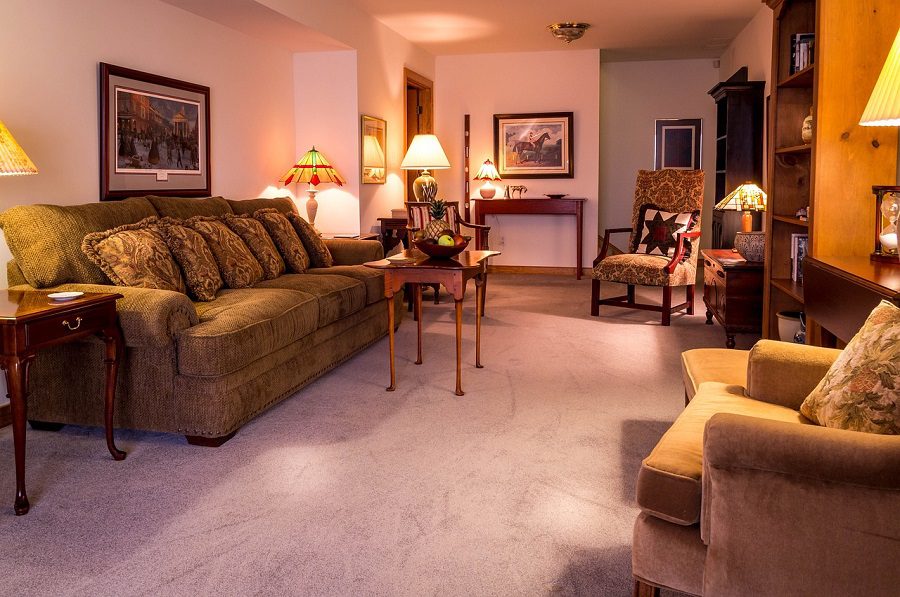
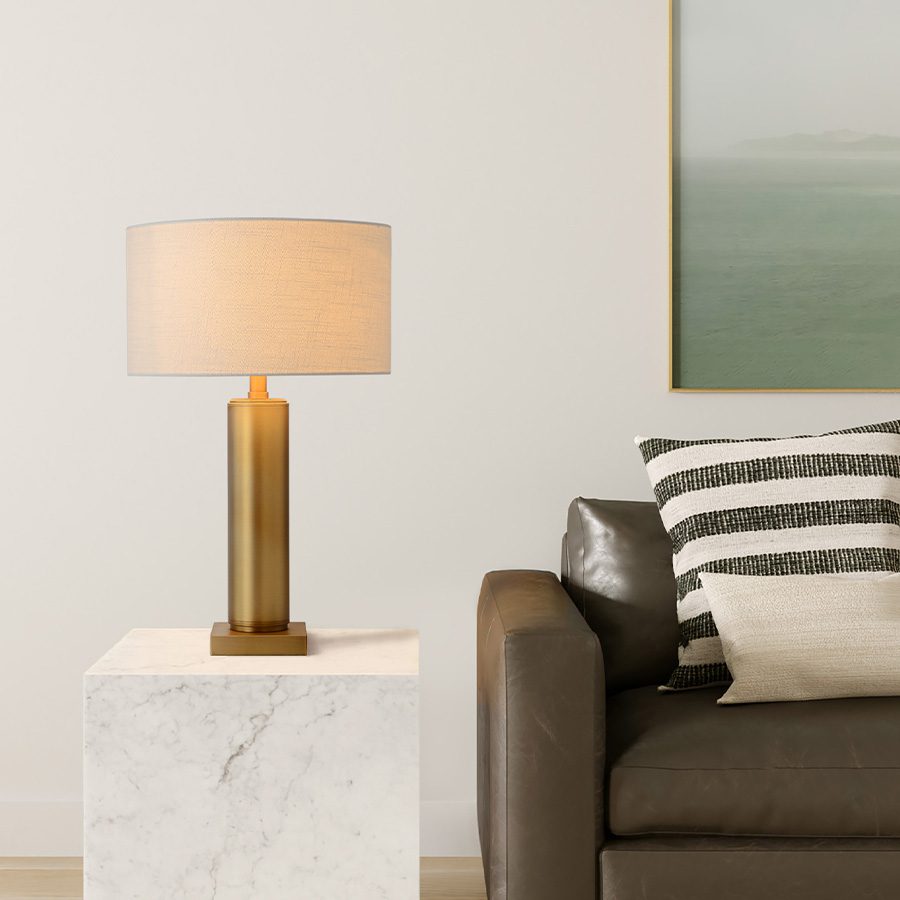
1. Table Lamps for Warmth and Flexibility
Table lamps are often underestimated, but they are one of the most versatile living room light fixtures.
They work well on:
- End tables beside sofas
- Console tables behind seating
- Shelving and accent surfaces
A pair of table lamps adds symmetry, but mixed styles can work just as well if they share a similar scale or color tone. The key is placement and purpose. A table lamp should always support an activity or soften the surrounding light, not exist purely as decoration.
2. Chandeliers as a Visual Anchor
Chandeliers provide central ambient light and help visually ground the room.
They work best when:
- Sized correctly for the room
- Hung at a height that does not interrupt sightlines
- Paired with dimmers for flexibility
Modern living rooms may benefit from sculptural or minimalist chandeliers, while traditional spaces pair well with brass or classic silhouettes. Even small living rooms can accommodate chandeliers if the proportions are right.
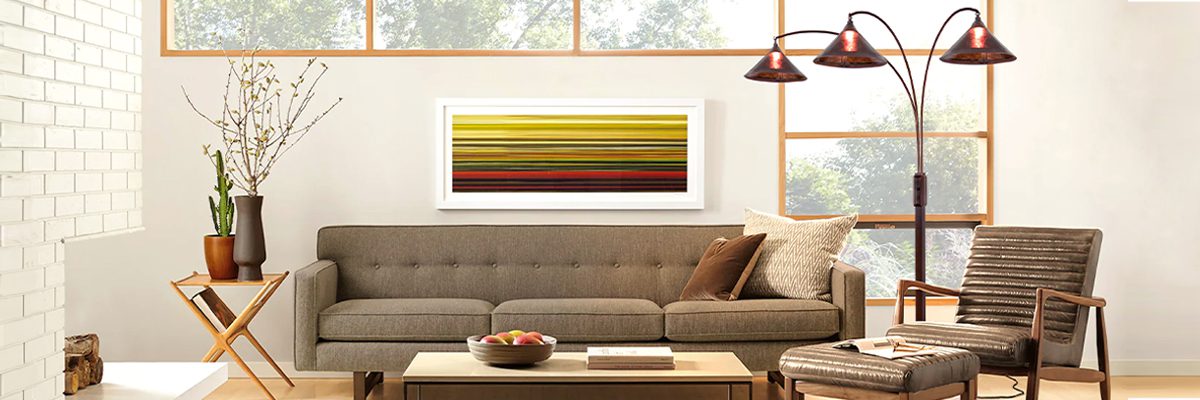
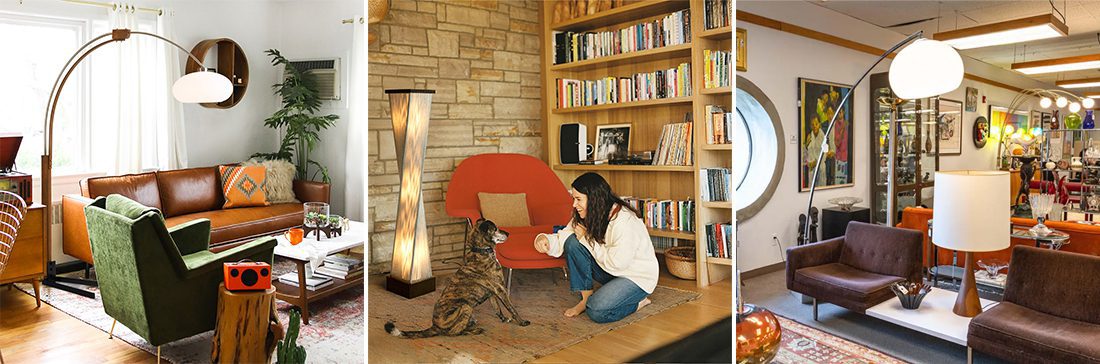
3. Arc Floor Lamps for Statement and Reach
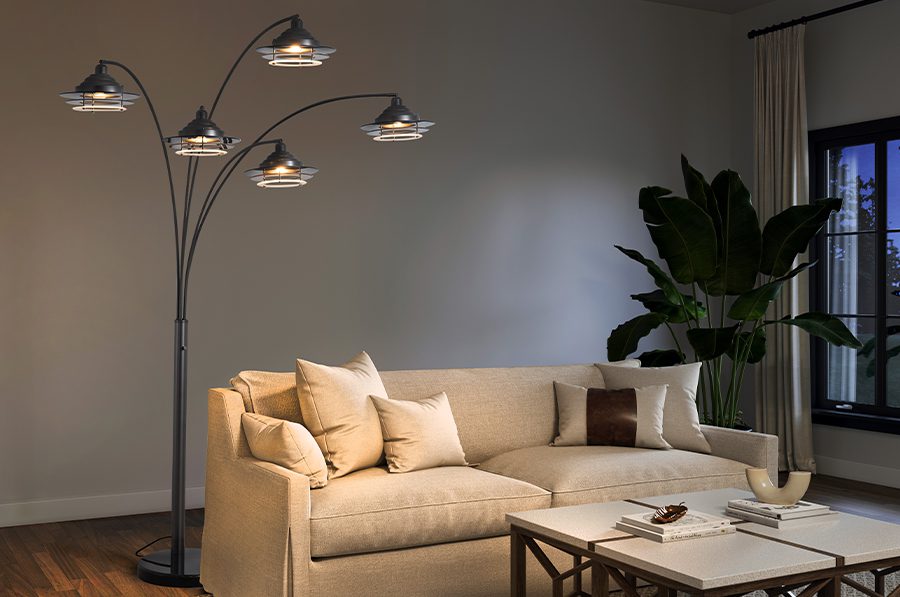
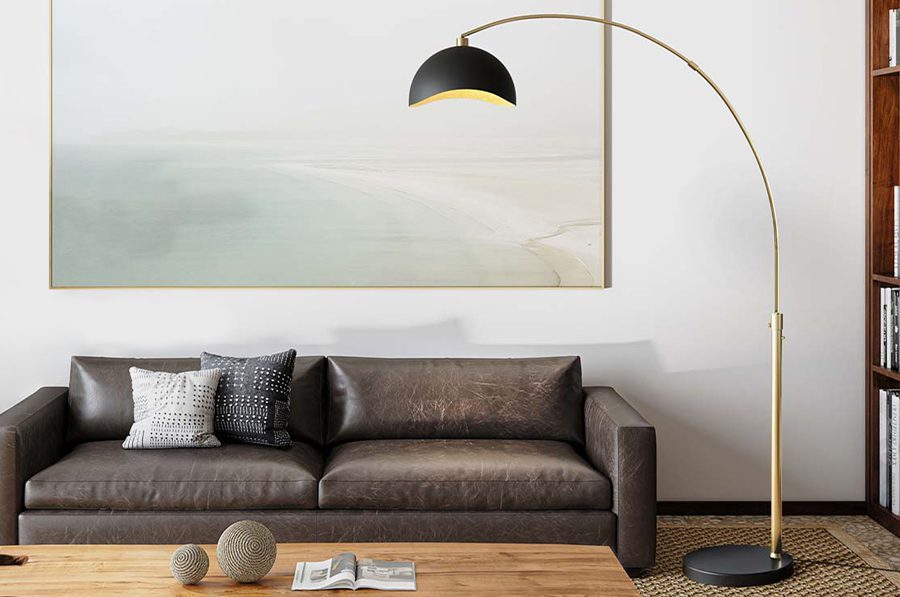
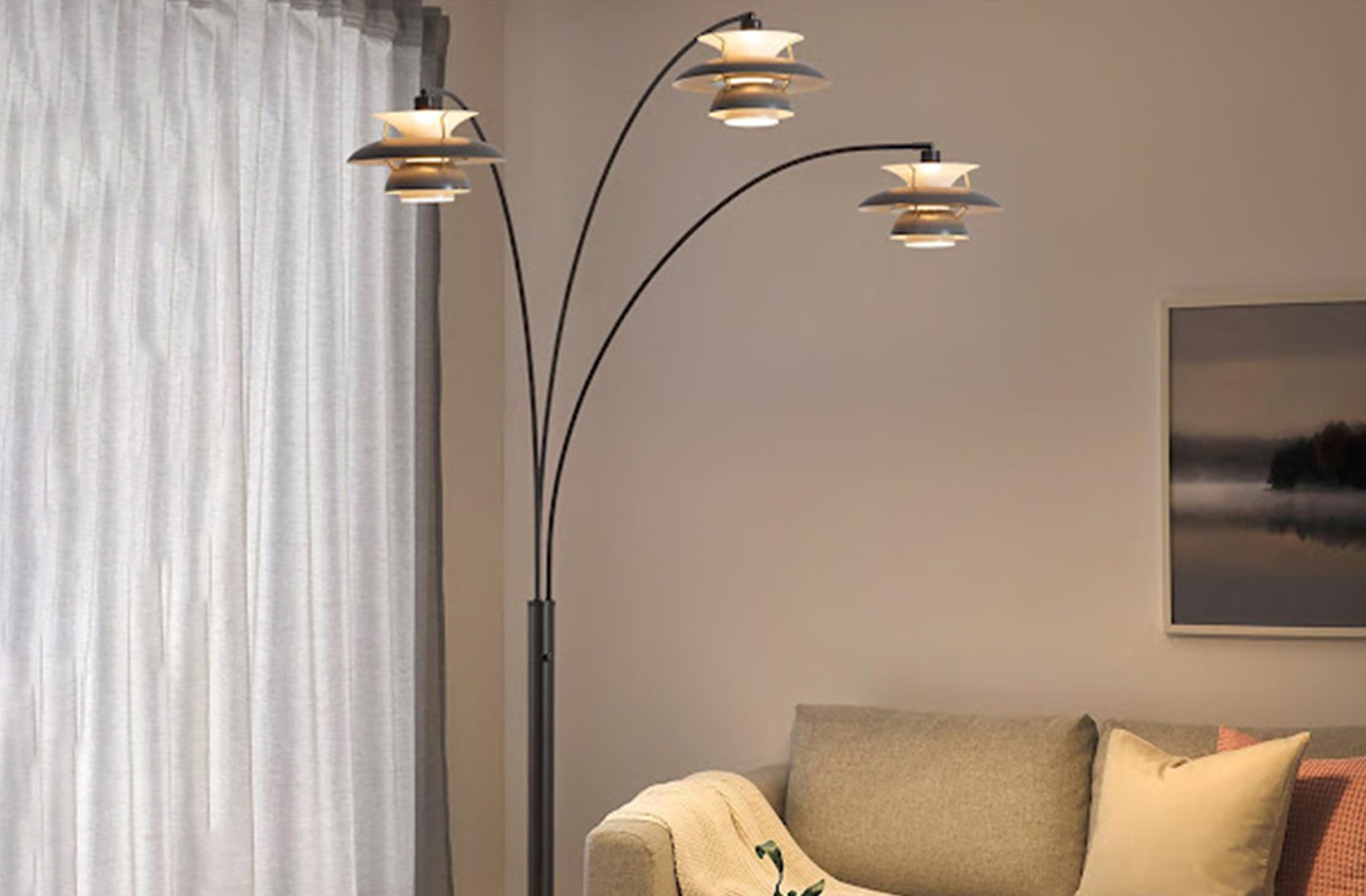
Arc floor lamps are ideal for living rooms that need overhead-style light without ceiling installation.
They are especially effective:
- Over sofas or sectionals
- In reading corners
- In open layouts where ceiling light is limited
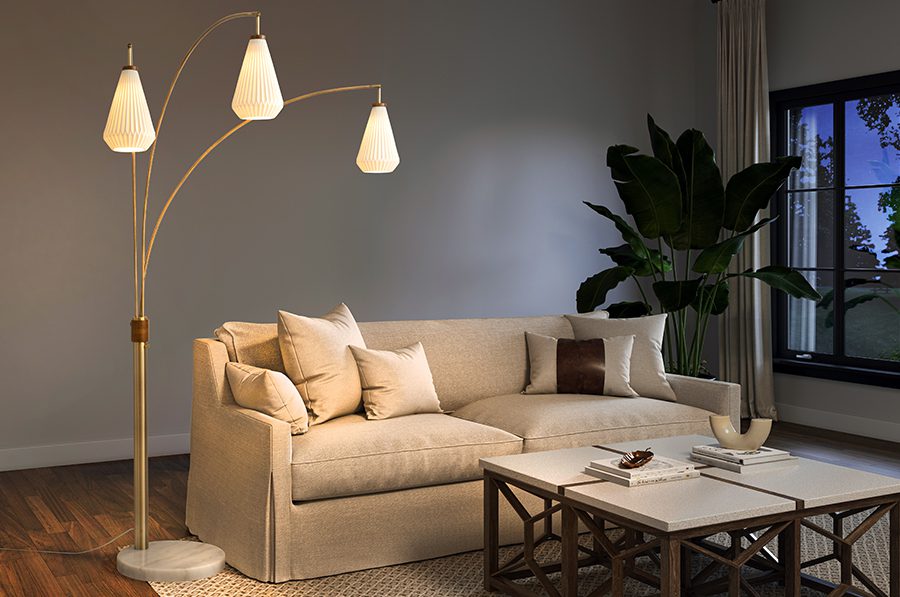
Because arc lamps project light outward, they create cozy zones while also adding a strong design element. They can easily shift a room from basic to intentional.
4. Recessed Lighting for Clean Background Illumination
Recessed lights provide even, unobtrusive lighting that supports other fixtures rather than competing with them.
They are useful for:
- General ambient lighting
- Highlighting artwork or architectural features
- Creating wall wash effects
Using dimmers is essential with recessed lighting. Without control, recessed lights can quickly make a living room feel harsh or overly bright.
Using Natural Light as Part of the Design
Natural light is one of the most powerful tools in living room lighting design.
To maximize it:
- Use sheer window treatments to diffuse daylight
- Place reflective surfaces near windows
- Avoid blocking light paths with heavy furniture
Wall color also plays a role. Light or slightly glossy finishes reflect daylight and help the room feel larger and brighter throughout the day.
How to Layer Light in a Living Room
Layered lighting is the foundation of good living room design.
Ambient Lighting
This is the base layer that fills the room evenly. Chandeliers, recessed lights, and torchieres often serve this role.
Task Lighting
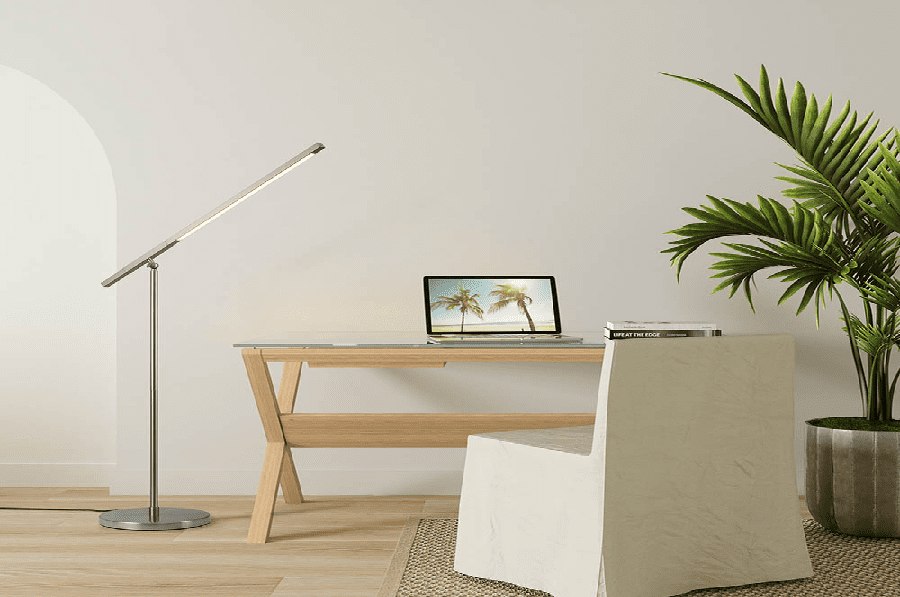
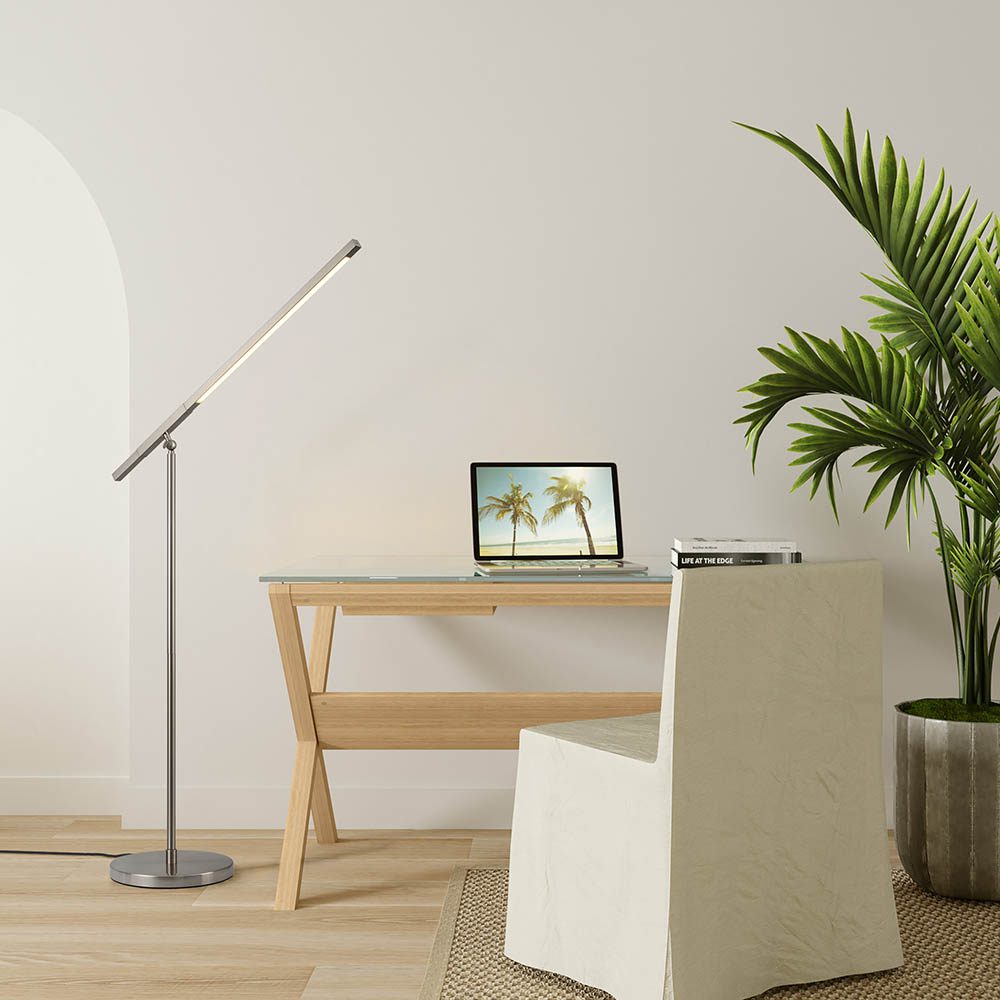
Task lighting supports specific activities such as reading, working, or crafting. Table lamps and adjustable floor lamps work best here.
Accent Lighting
Accent lighting adds depth and focus. It highlights artwork, bookshelves, fireplaces, or architectural features and adds visual interest.
A living room feels complete only when all three layers work together.
Lighting for Specific Living Room Activities
Reading and Work Areas
Use focused, adjustable lamps with warm to neutral light. Eye-level glare should be avoided.
Conversation Zones
Soft, indirect light encourages relaxation. Floor lamps and dimmable table lamps work well here.
TV Viewing
Avoid placing lights directly opposite the screen. Use low-level lighting on either side of the television to reduce eye strain and reflections.
Choosing the Right Light Bulbs
Warm Light (2000K–3000K)
Best for ambient lighting and evening relaxation. Ideal for most living rooms.
Neutral to Daylight (3500K–4500K)
Works well for task areas where clarity matters, such as desks or hobby zones.
Cool Light (5000K+)
Very bright and crisp. Use sparingly, as it can feel harsh in living spaces.
Dimmable LED bulbs offer the most flexibility and energy efficiency.
Matching Light Fixtures to Living Room Style
Contemporary
Look for sculptural forms, mixed materials, and clean lines. Matte finishes and subtle contrasts work well.
Modern
Simple shapes, drum pendants, slim profiles, and integrated LED fixtures complement modern interiors.
Traditional
Brass, gold, and classic silhouettes add warmth and elegance. Layered lighting is especially important to avoid heaviness.
Final Thoughts
There is no single best light fixture for every living room. The best results come from thoughtful layering, intentional placement, and lighting that supports how the space is used.
When lighting works, it enhances comfort, highlights design, and brings balance to the room. Choose fixtures that serve a purpose, bulbs that support mood, and layouts that adapt throughout the day.
When done right, lighting does not just illuminate a living room. It defines it.