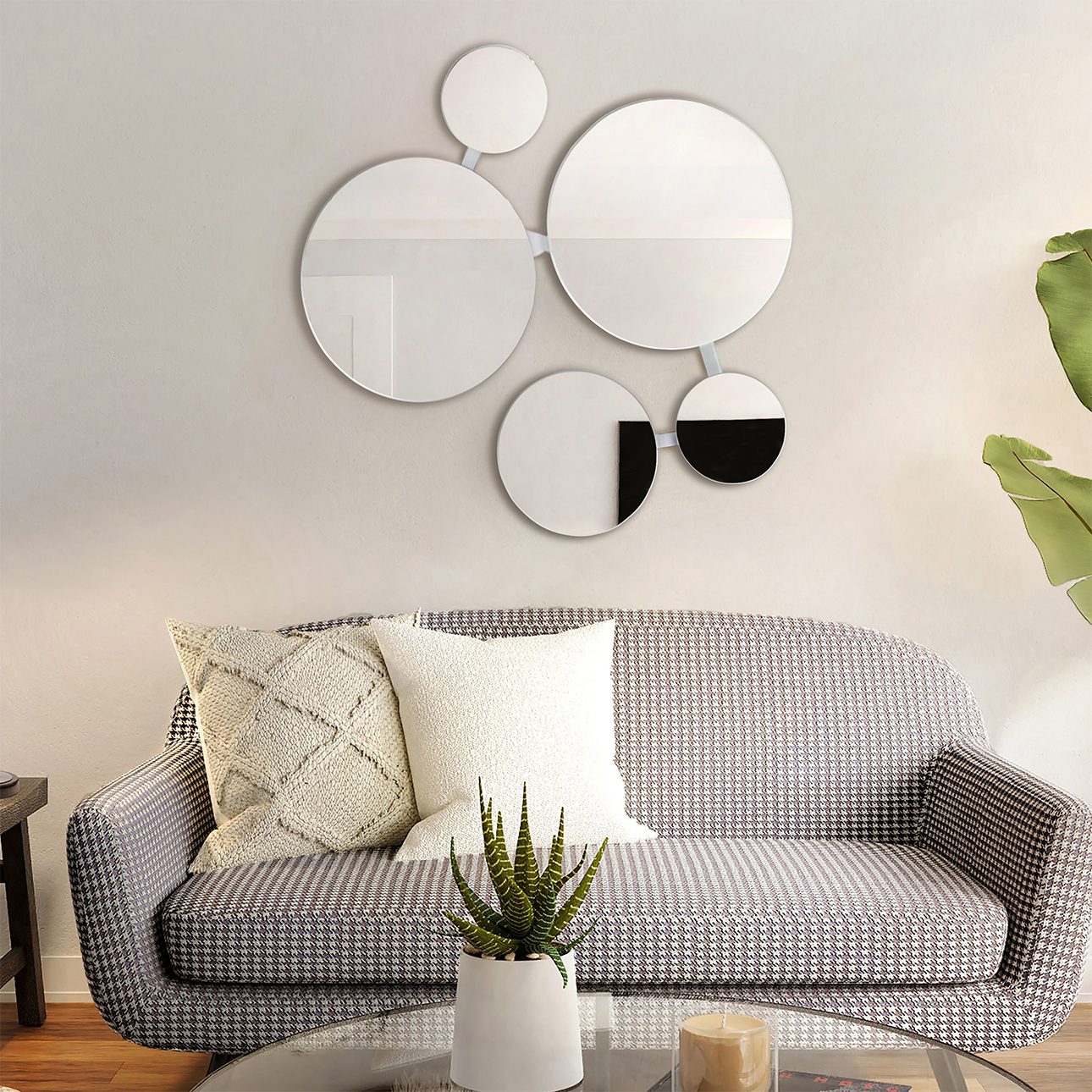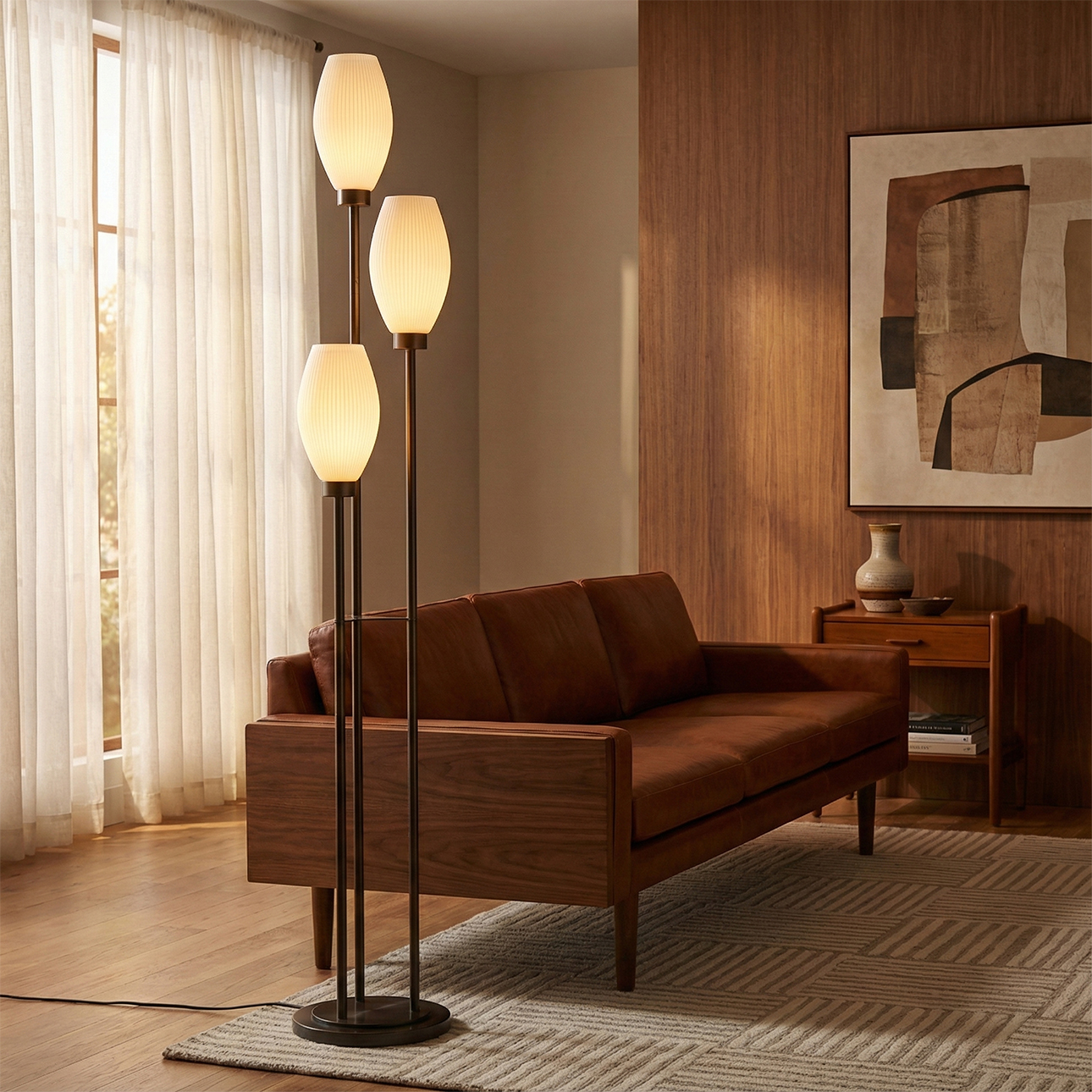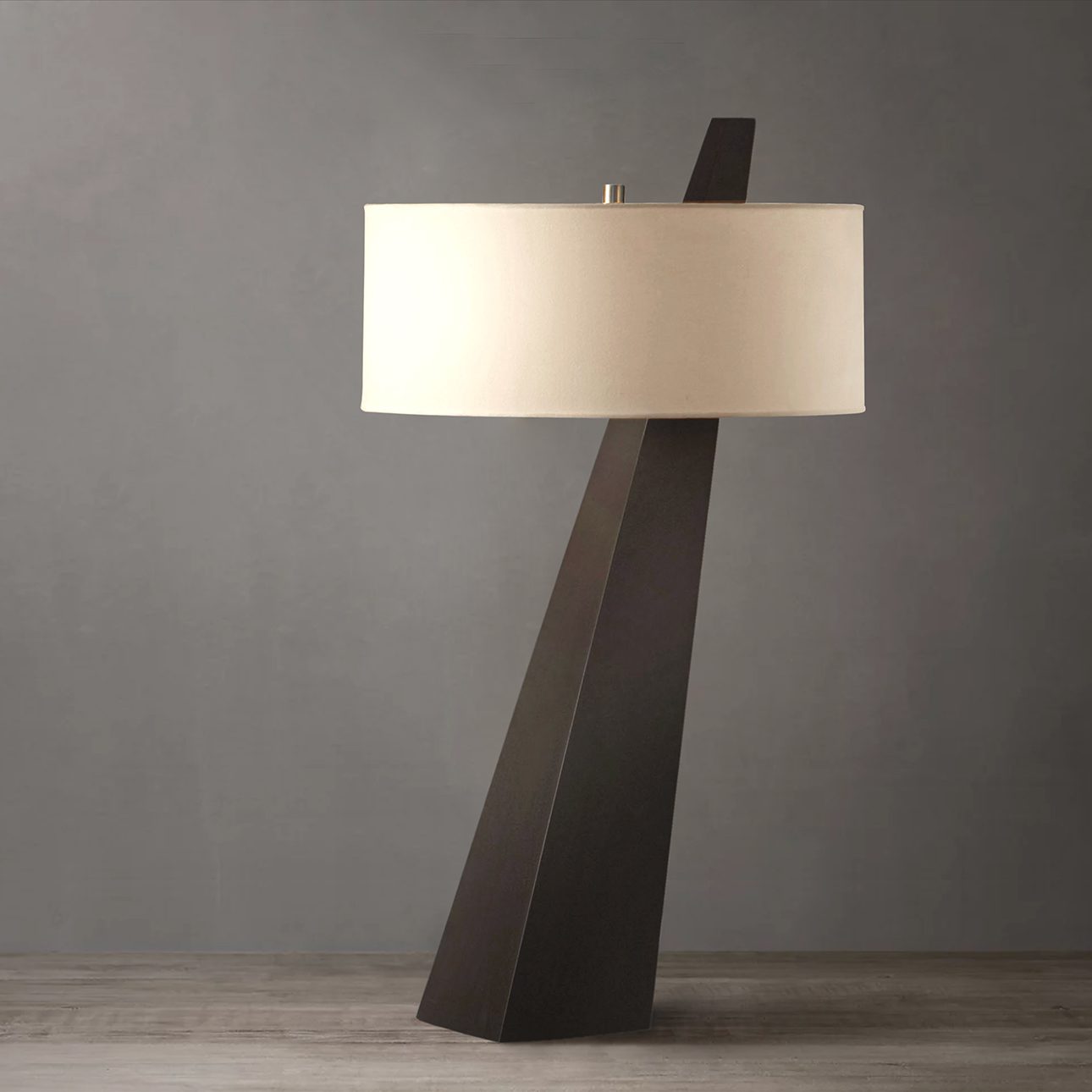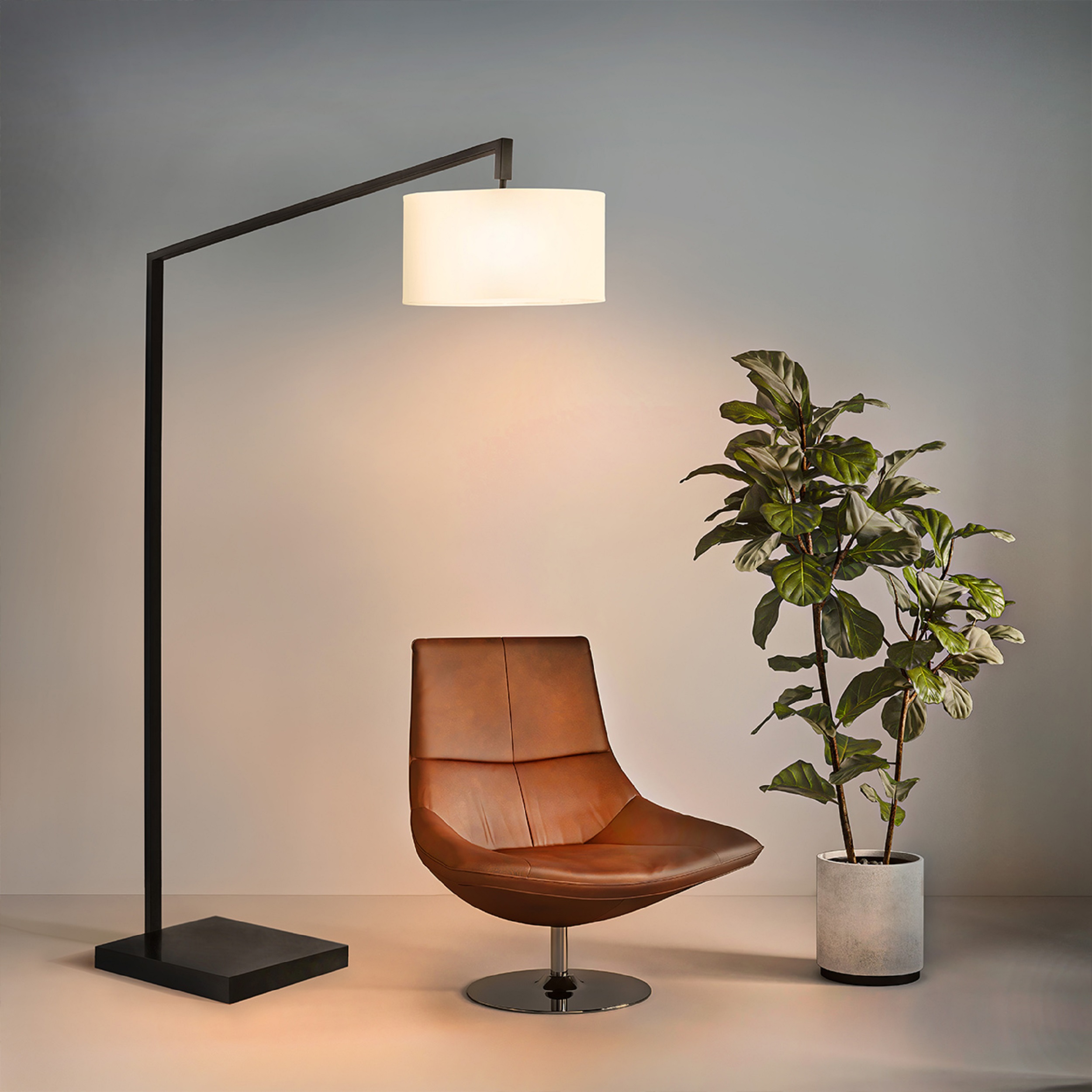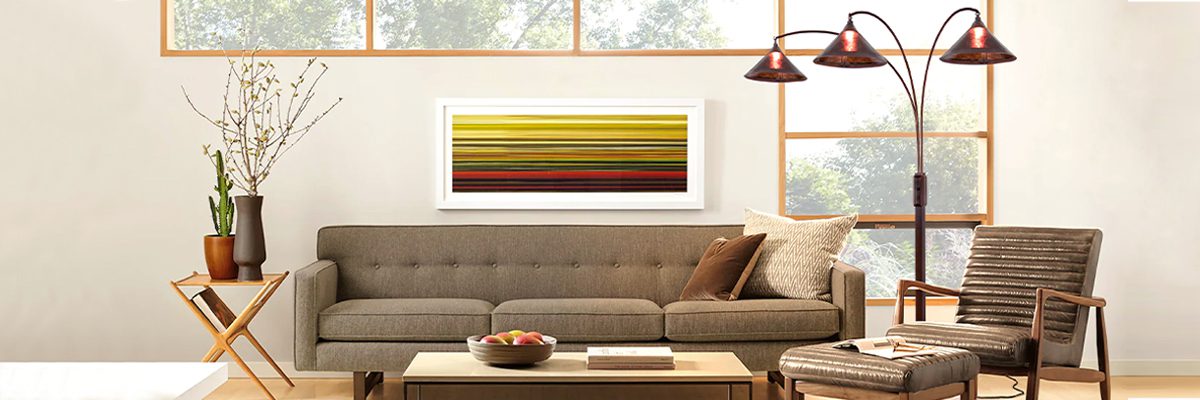


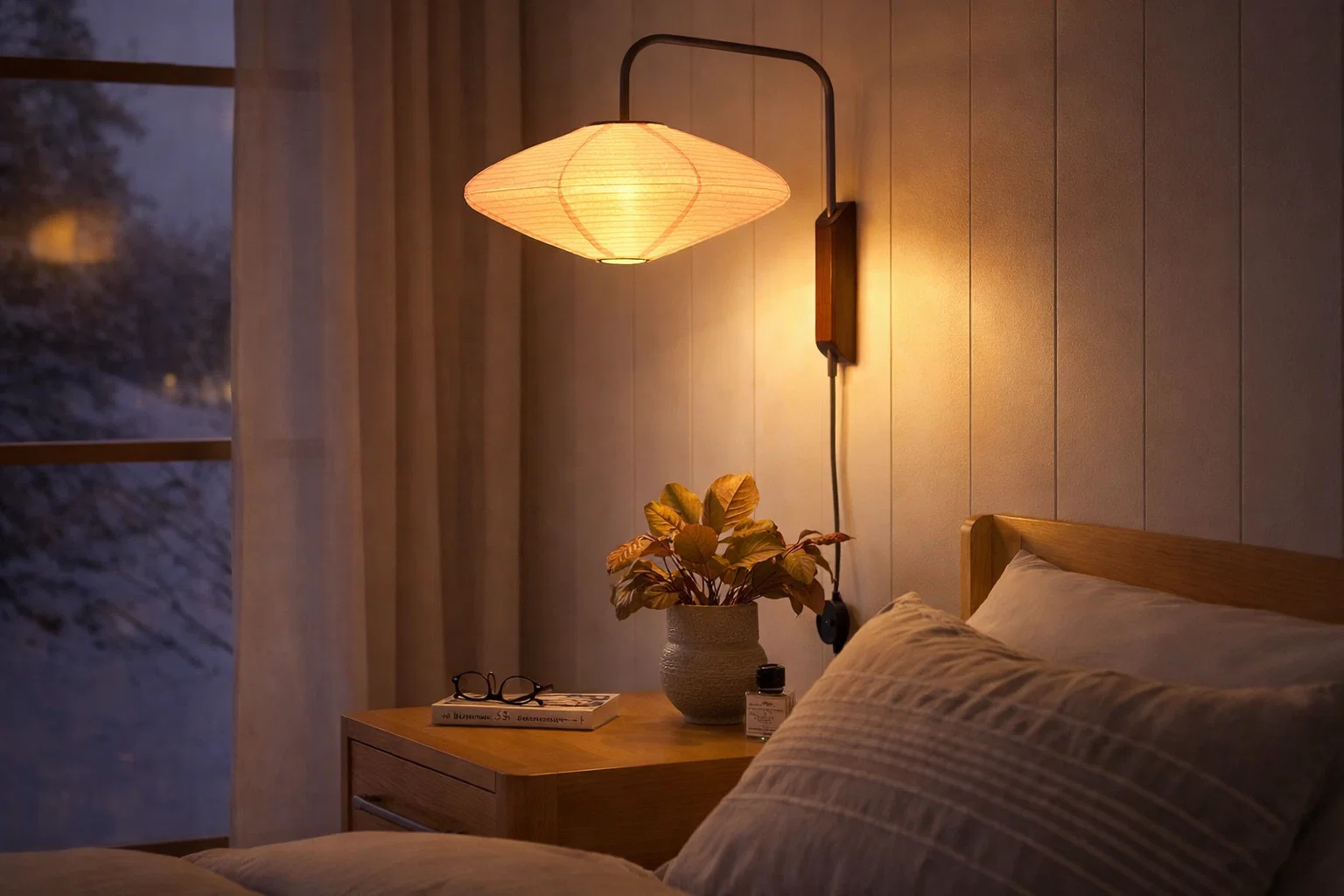
Wall lighting has undergone a remarkable transformation. No longer a secondary design element, wall lighting in 2026 is bold, intentional, and deeply integrated into the architecture of modern homes. Whether you are building from scratch, renovating, or simply refreshing a room, understanding the latest wall lighting trends will help you make smarter, more stylish choices. From minimalist LED panels to sculptural statement pieces by brands like NOVA of California, this guide covers everything you need to know.
The Growing Importance of Wall Lighting in Modern Homes

In recent years, homeowners and interior designers across the USA have fundamentally rethought how light shapes a living space. Wall lighting has moved from a practical afterthought to a central design priority, reflecting a broader cultural shift toward layered, intentional interiors.
Why Wall Lighting Is Replacing Traditional Ceiling Fixtures
For decades, the overhead ceiling fixture was the unchallenged ruler of room illumination. That era is drawing to a close. Flat, downward-cast overhead light creates harsh shadows and a clinical atmosphere that many homeowners now find uninspiring. Wall lighting, by contrast, casts light horizontally and upward, creating depth and dimension that transforms a space from functional to experiential.
Wall sconces and mounted fixtures allow designers to place light exactly where it is most flattering and most useful. In bedrooms, wall-mounted reading lights eliminate the need for nightstands cluttered with lamps. In hallways, a row of slim sconces creates a gallery-like ambiance while providing safe passage. In living rooms, flanking a fireplace or artwork with wall fixtures draws the eye and creates focal points that ceiling lights simply cannot achieve.
Beyond aesthetics, wall lighting supports the principle of task-oriented illumination. Rather than flooding an entire room with undifferentiated brightness, wall fixtures allow residents to illuminate only the zones they are actively using, reducing energy consumption and creating a more comfortable environment.
The Shift Toward Layered Lighting Design
Lighting designers and architects increasingly advocate for layered lighting: the deliberate combination of ambient, task, and accent light sources working together to serve different functions at different times of day. Wall lighting is a cornerstone of this approach.
A layered lighting scheme in a living room, for example, might combine recessed ceiling lights for general brightness, a statement floor lamp for reading, and a pair of wall sconces to create warmth and frame a focal point. Each layer adds depth and flexibility, allowing residents to adapt the mood of a room with a simple switch or dimmer adjustment.
In 2026, the most sophisticated homes in the USA are embracing lighting design the way they embrace furniture selection: with attention, intention, and an understanding that light is as fundamental to a room as its walls or floors.
Minimalist Wall Lighting Designs Taking Over in 2026
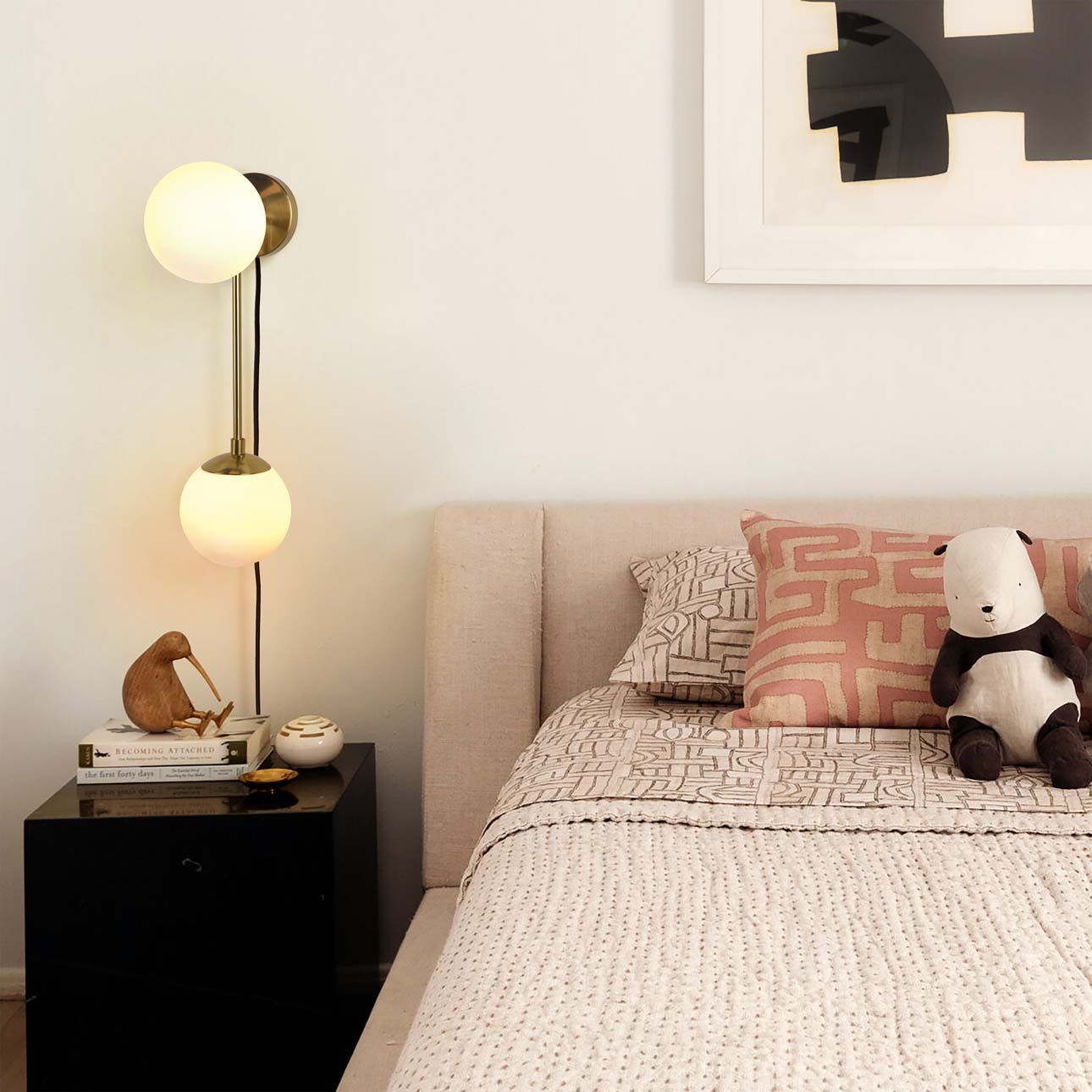
The cleaner and quieter a space feels, the more every design element must earn its place. Minimalist wall lighting achieves this balance by delivering powerful illumination through the most restrained possible form.
Slim Profile LED Wall Fixtures
Slim profile LED wall fixtures are among the fastest-growing segments of the wall lighting market in 2026. These fixtures, often less than an inch deep, mount flush against the wall and emit a precise beam of light either upward, downward, or in both directions simultaneously. The effect is both architectural and sculptural: light becomes a design element in itself, carving the wall into planes of brightness and shadow.
What makes slim LED fixtures so compelling in modern interiors is their versatility. In a hallway, a row of matching slim uplighters creates a rhythmic, hotel-like sophistication. In a bathroom, a single horizontal LED strip above a mirror provides clean, flattering light without the bulk of traditional vanity fixtures. In a bedroom, thin directional wall lights replace bedside lamps while adding a built-in, curated quality that freestanding lamps cannot match.
Materials matter here too. The best slim LED wall fixtures in 2026 are made from anodized aluminum, matte steel, or powder-coated metal in neutral tones: warm white, matte black, brushed brass, and soft grey. These finishes integrate seamlessly into contemporary and transitional interiors without competing for visual attention.
Floating Light Panels and Hidden Illumination
Floating light panels represent the most architectural end of minimalist wall lighting. These fixtures appear to hover in front of the wall, separated from the surface by a thin shadow gap that creates the illusion of weightlessness. Light spills from the edges and around the perimeter, producing a diffuse, ambient glow that fills a room without any visible source.
Hidden or concealed illumination is a related trend that continues to grow in influence. Cove lighting built into wall recesses, LED strips tucked behind floating shelves, and backlighting installed around television panels all contribute to an atmosphere of radiant warmth without a single visible bulb. This approach suits both high-end custom homes and well-considered apartment renovations.
Interior designers increasingly specify these solutions for bedrooms and living rooms, where the goal is a calm, enveloping light that cannot be traced to any particular source. The psychological effect is significant: hidden illumination feels restorative and serene in a way that exposed fixtures rarely achieve.
Sculptural Wall Lighting as Functional Art
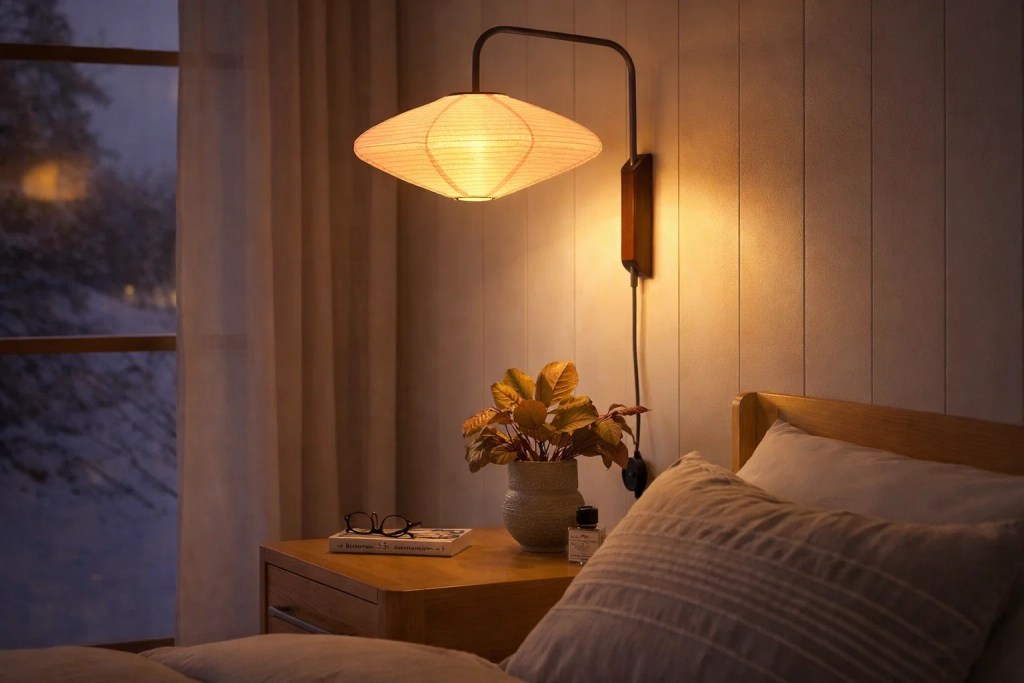
At the opposite end of the minimalist spectrum, sculptural wall lighting embraces boldness, form, and personality. These pieces are not merely functional; they are artworks that happen to emit light.
Statement Lighting Pieces for Living Rooms
The living room is where homeowners are most willing to take design risks, and statement wall lighting has become one of the most popular ways to express individual style. A sculptural wall sconce with an organic, branching form can serve as the visual centerpiece of an entire wall, replacing a painting or print as the room’s primary piece of art.
In 2026, statement lighting for living rooms tends to fall into a few distinct aesthetics. Organic and biomorphic forms, inspired by natural shapes like leaves, coral, and flowing water, are particularly prominent. Geometric and angular designs, with sharp edges and asymmetrical profiles, appeal to those who prefer an industrial or contemporary architectural language. Abstract and one-of-a-kind handcrafted pieces occupy the highest end of the market, often produced by independent studios or artisan designers in limited quantities.
NOVA of California, a celebrated American lighting brand, has become synonymous with this kind of deliberate, design-forward approach. Their collections blend artisanal craft with considered functionality, producing wall fixtures that are as rewarding to look at as they are to illuminate a space.
Gallery-Inspired Lighting Installations
The influence of gallery and museum design on residential interiors has never been stronger. Homeowners are increasingly drawn to the idea of creating curated wall displays that combine art, objects, and light in a unified composition.
Gallery-inspired wall lighting installations take several forms. Picture lights mounted above framed works draw attention to the art while adding layers of warmth to the room. Adjustable directional sconces, borrowed from museum design, can be aimed at sculptures, ceramics, or architectural niches. Multi-piece lighting arrangements, where several coordinated fixtures are grouped on a single wall, create an installation quality that elevates the entire room.
This trend reflects a broader cultural shift in how Americans think about their homes. The living room and dining room are increasingly understood as curated environments for self-expression, and lighting is one of the most powerful tools available for achieving that goal.
Smart Wall Lighting and Connected Homes
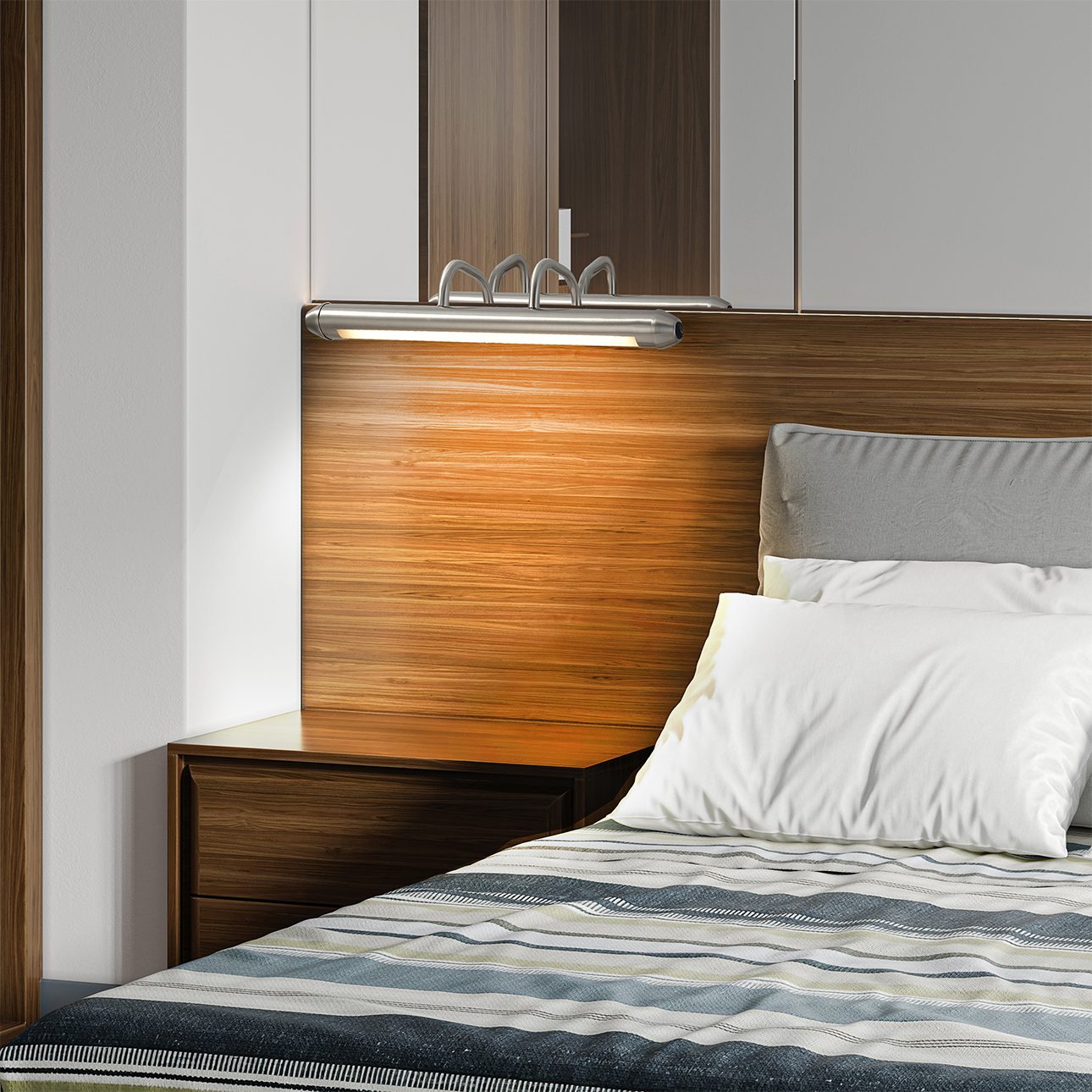
Technology has transformed wall lighting from a passive architectural element into an active, responsive part of the home ecosystem. Smart wall lighting in 2026 is smarter, faster, and more integrated than ever before.
App-Controlled Wall Lighting Systems
App-controlled wall lighting systems allow homeowners to adjust brightness, color temperature, and on/off schedules from a smartphone or tablet, regardless of whether they are sitting in the same room or traveling across the country. The most advanced systems offer granular control over individual fixtures, allowing users to create and save lighting scenes tailored to different activities: bright and cool for morning routines, warm and dim for evening relaxation, or dynamic and colorful for entertaining.
Leading smart lighting platforms in the USA have expanded their wall fixture offerings significantly in 2026, reflecting strong consumer demand. Integration with popular ecosystems such as Apple Home, Google Home, and Amazon Alexa has become a baseline expectation rather than a premium feature.
For homeowners investing in quality wall fixtures, brands like NOVA of California have begun offering smart-compatible versions of their most popular designs, ensuring that aesthetic quality and technological capability coexist without compromise.
Voice and Automation Integration
Voice control has matured from a novelty into a genuinely useful tool for managing wall lighting. Asking a smart assistant to dim the bedroom lights to forty percent or to turn on the hallway lights is faster and more intuitive than reaching for a switch, particularly for people with accessibility needs or when hands are full.
Automation takes this further. Smart wall lighting systems can now respond to occupancy sensors, triggering lights when someone enters a room and extinguishing them automatically when the space is empty. Time-based automation adjusts color temperature throughout the day, warming the light in the evening to support the body’s natural circadian rhythm and reducing blue light exposure before sleep.
Geofencing capabilities allow the home’s lighting systems to activate as residents approach the house, ensuring a welcoming environment upon arrival. These automations reduce energy waste while improving daily comfort, making smart wall lighting one of the most practical home technology investments available.
Sustainable and Energy-Efficient Wall Lighting
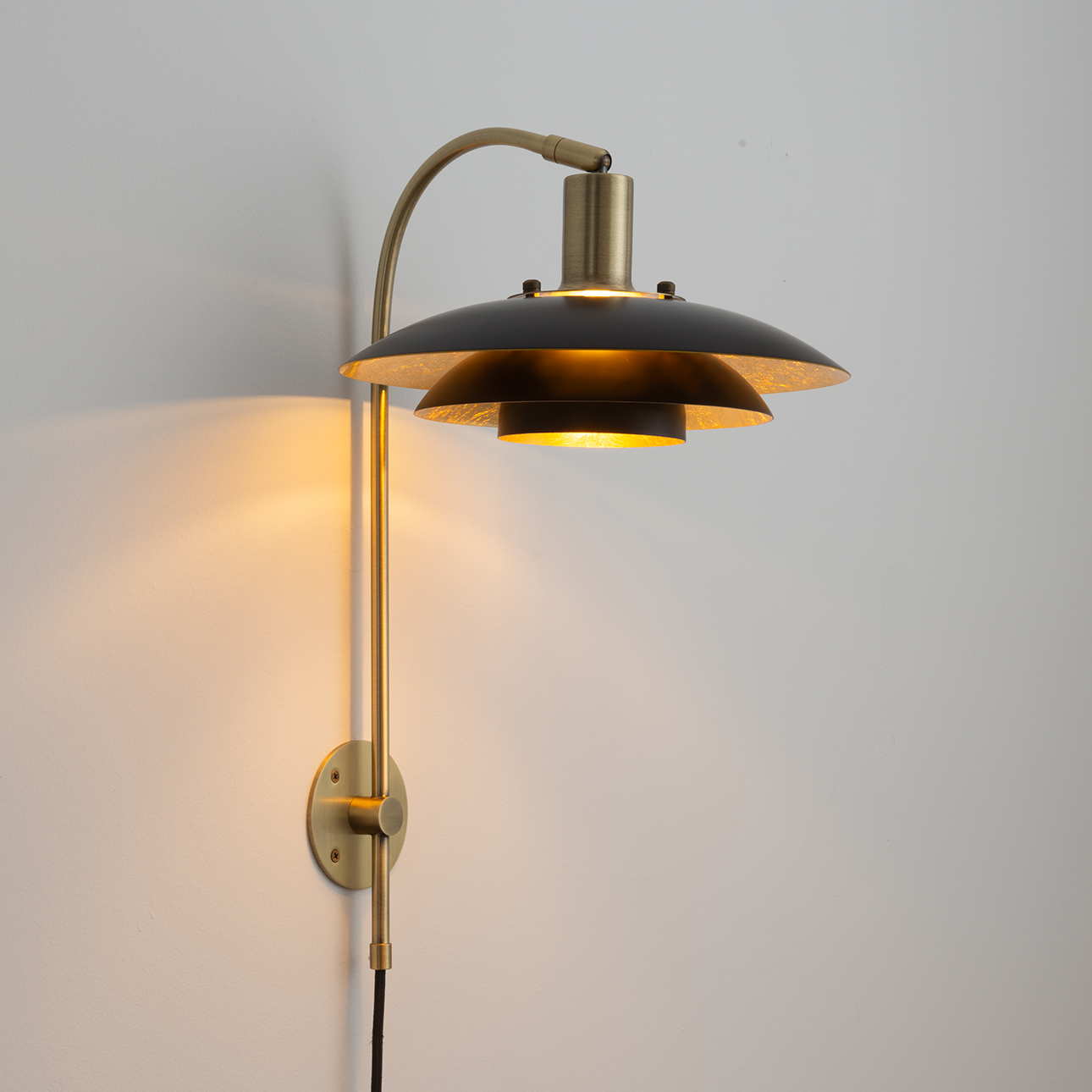
Sustainability is no longer a niche concern in the USA lighting market. Consumers are actively seeking products that reduce environmental impact without sacrificing performance or beauty.
LED Innovation and Energy Savings
LED technology continues to advance rapidly. Modern LED wall fixtures consume a fraction of the energy required by incandescent or halogen equivalents while delivering superior light quality, longer lifespans, and greater design flexibility. In 2026, high-CRI (Color Rendering Index) LEDs have become the industry standard, ensuring that colors appear true and natural under wall lighting just as they would in natural daylight.
Tunable white LEDs, which allow the color temperature of light to be adjusted from cool daylight to warm amber, are now available in a wide range of wall fixture designs at accessible price points. This capability was once confined to professional and commercial applications; it has now become a mainstream feature in residential wall lighting across the USA.
The long lifespan of LED wall fixtures, typically rated at 25,000 to 50,000 hours, dramatically reduces maintenance costs and waste associated with bulb replacement. For homeowners, this translates into years of reliable, beautiful light with minimal ongoing expense.
Eco-Friendly Materials in Lighting Design
Material choices in wall lighting design are evolving alongside consumer values. Manufacturers are increasingly using recycled metals, sustainably sourced wood, and low-VOC finishes in their fixtures. Some designers are experimenting with bio-based composites and reclaimed materials, creating products with compelling stories as well as compelling appearances.
Packaging has also improved significantly. Leading American lighting brands have moved away from excessive plastic packaging toward recycled cardboard, paper cushioning, and minimal materials, reducing the environmental footprint of each product from factory to home.
For environmentally conscious homeowners, purchasing decisions now encompass the full lifecycle of a product: not just its energy consumption during use, but the materials, manufacturing processes, and end-of-life considerations that define its true environmental impact.
Natural and Organic Lighting Styles
As homes become more technologically sophisticated, many homeowners are seeking to balance that modernity with warmth, texture, and a connection to the natural world. Organic lighting styles address this need directly.
Wood, Stone, and Mixed Materials
Wall lighting fixtures incorporating natural materials have experienced a significant surge in popularity. Wood accents, ranging from turned walnut arms to hand carved oak backplates, bring warmth and organic texture to wall sconces that would otherwise feel cold or industrial. Stone elements, including marble, travertine, and slate, add weight and permanence to fixtures that serve as genuine objects of craft.
Mixed material designs are particularly appealing in 2026, combining the warmth of natural materials with the precision of metal hardware and the efficiency of LED technology. A brass armed sconce with a smoked glass shade, for example, bridges the organic and the refined in a way that suits both traditional and contemporary interiors.
NOVA of California has long been recognized for its commitment to material quality and craft. Their wall fixtures frequently pair natural materials with considered metal finishes, producing pieces that feel anchored in the physical world even as they incorporate the latest lighting technology.
Biophilic Lighting Concepts
Biophilic design, the practice of integrating natural patterns, materials, and living elements into built environments, has moved from architectural theory into mainstream interior design. Wall lighting plays a central role in biophilic homes, both as a source of light and as a reference to natural forms and processes.
Fixtures shaped like branches, leaves, vines, or water are prominent in biophilic wall lighting collections. Light quality matters too: warm, slightly variable light that mimics the quality of natural daylight at different times of day creates a more psychologically nourishing environment than static, uniform illumination.
Living walls, in which plants are integrated directly into wall surfaces, can be enhanced dramatically by thoughtfully designed wall lighting that highlights the textures and colors of the vegetation while providing practical illumination for the surrounding space. This intersection of light, plant life, and architecture represents one of the most exciting frontiers in residential design.
Mid-Century Modern Wall Lighting Revival
Every era of design eventually finds its way back into fashion, and the mid-century modern period, roughly spanning the 1940s through the 1970s, is experiencing one of its most enthusiastic revivals in decades.
Retro Shapes With Modern Technology
The most successful mid-century modern wall lighting designs in 2026 are not strict reproductions of historical pieces. Instead, they translate the iconic shapes, proportions, and material palettes of the mid-century era into fixtures built with contemporary manufacturing precision and LED technology.
Sputnik-inspired starburst sconces, gently curved arm designs, cone-shaped shades, and the warm combination of brass hardware with frosted glass are all prominent in current collections. These fixtures work particularly well in open-plan living spaces, dining rooms, and entryways, where their expressive forms can be appreciated from multiple vantage points.
The appeal of mid-century modern design lies in its balance: organic enough to feel warm and human, geometric enough to feel ordered and intelligent. This balance translates beautifully to wall lighting, producing fixtures that are simultaneously nostalgic and entirely of the moment.
Iconic Designs From Brands Like NOVA of California
NOVA of California occupies a unique position in the American lighting market: a brand with deep roots in quality craftsmanship and an aesthetic sensibility that draws fluidly from mid-century modern, organic, and contemporary influences. Their wall fixture collections are designed to work across a range of interior styles, from classic California ranch homes to urban loft apartments.
What distinguishes NOVA of California is the consistency of their design philosophy: clean forms, honest materials, and a commitment to light quality that serves both function and mood. Their sconces and wall fixtures are frequently specified by architects and interior designers working on high-end residential projects across the USA, where the expectation for both aesthetics and performance is uncompromising.
For homeowners seeking wall lighting that will remain relevant and beautiful for years rather than seasons, investing in designs from established American brands with strong design credentials is a sound strategy.
Best Rooms to Showcase Wall Lighting
Wall lighting can be used effectively throughout the home, but certain spaces offer particular opportunities for dramatic and functional impact.
Living Rooms and Hallways
The living room is the heart of the home and the natural showcase for the most expressive wall lighting designs. Flanking a fireplace with a pair of sconces creates immediate symmetry and warmth. Illuminating a gallery wall with picture lights or adjustable directional sconces elevates art and objects while adding layers of ambient light. A single dramatic sculptural fixture on a blank wall can serve as the room’s primary focal point, eliminating the need for additional artwork altogether.
Hallways are often neglected in lighting design, but they offer tremendous potential. A row of well-spaced sconces transforms a transitional corridor into a memorable architectural experience. In longer hallways, alternating wall fixtures on opposite walls create a rhythm that draws the eye forward. Even a single, well-chosen sconce at the end of a hallway can create a sense of destination and anticipation.
Bedrooms and Ambient Lighting
The bedroom demands lighting that serves multiple functions: bright enough for getting dressed and reading, but capable of transitioning to the softest possible warmth for winding down before sleep. Wall-mounted reading lights, installed on either side of the bed at a height that works comfortably for seated reading, are among the most practical and popular wall lighting applications in residential design.
Ambient wall lighting in the bedroom, such as upward-facing sconces that bounce light off the ceiling, creates the gentle, diffuse illumination ideal for relaxation. Combined with smart controls that allow precise dimming and color temperature adjustment, bedroom wall lighting can be tuned to support every phase of the evening routine, from active to restful.
How to Choose the Right Wall Lighting for Your Space
Choosing wall lighting requires balancing aesthetics, function, scale, and practical considerations. The following principles will help you navigate the selection process with confidence.
Start with the purpose of the space. A kitchen demands bright, task-oriented light that renders food colors accurately. A bedroom calls for warm, dimmable fixtures that support relaxation. A living room benefits from a combination of ambient and accent lighting that can be adjusted for different occasions. Defining the functional requirements of each space before considering aesthetics prevents costly mistakes.
Consider scale carefully. Wall fixtures must be proportionate to both the wall surface and the other furniture and architectural elements in the room. A sconce that looks elegant in isolation can appear overwhelmed or overbearing once installed in context. As a general rule, the diameter of a wall fixture should be no more than one-quarter of the available wall width between architectural features such as doors or windows.
Pay attention to mounting height. The center of most wall sconces should be installed at approximately 60 to 65 inches from the floor in living areas, where it aligns with eye level and creates the most flattering distribution of light. In hallways, a consistent mounting height creates the rhythmic visual order that makes corridors feel intentional and refined.
Think about finish and material coordination. Wall lighting finishes should relate to the other hardware and metal finishes in the room, including door handles, cabinet pulls, faucets, and furniture legs. Perfect matching is not necessary, but a coherent palette of one or two complementary finishes creates a more sophisticated result than a random assortment.
Finally, consider the source. Purchasing wall lighting from established brands with strong design credentials and quality manufacturing provides assurance of both aesthetic longevity and technical reliability. Brands like NOVA of California offer the additional confidence of American design heritage and a consistent commitment to craft.
Conclusion
Wall lighting in 2026 is defined by intention, craft, and versatility. Whether you are drawn to the crisp lines of minimalist LED fixtures, the expressive forms of sculptural statement pieces, the intelligence of smart-connected systems, or the warmth of natural materials and organic forms, there has never been a more exciting moment to invest in this aspect of your home’s design.
The trends explored in this guide reflect a deeper shift in how Americans understand their living environments: as places of self-expression, comfort, and craft, where every element, including the light that fills each room, deserves careful thought and confident choice.
Brands like NOVA of California continue to lead the way, demonstrating that beautiful wall lighting and functional excellence are not competing values but complementary ones. As you plan your next lighting project, let these trends inspire you, and let quality guide your final decisions.
FAQs
What is the most popular wall lighting trend in 2026?
Minimalist slim profile LED fixtures and sculptural statement sconces are both highly popular in 2026, reflecting a market that values both restraint and bold self-expression depending on the space and the homeowner’s aesthetic.
How high should wall sconces be mounted?
In most living areas, the center of a wall sconce should be approximately 60 to 65 inches from the floor. In hallways, consistent mounting height across all fixtures creates the most visually refined result.
Are smart wall lighting systems worth the investment?
For most homeowners, yes. Smart wall lighting systems offer meaningful improvements in comfort, convenience, and energy efficiency. The ability to control brightness, color temperature, and scheduling from a smartphone or through voice commands adds genuine value to daily life.
What makes NOVA of California stand out in the wall lighting market?
NOVA of California is recognized for combining high-quality materials and artisanal craftsmanship with thoughtful, design-forward aesthetics. Their fixtures are designed to work across a range of interior styles and to deliver beautiful light quality alongside lasting durability.
Can wall lighting replace ceiling fixtures entirely?
In many spaces, wall lighting can serve as the primary or sole light source, particularly in hallways, bedrooms, and intimate living areas. In rooms that require a higher level of ambient illumination, combining wall lighting with recessed or pendant ceiling fixtures as part of a layered lighting scheme produces the most flexible and beautiful results.
What are eco-friendly options for wall lighting?
LED wall fixtures are inherently more energy-efficient than older light source technologies and represent the most practical eco-friendly choice for most homeowners. Additionally, looking for fixtures made from recycled metals, sustainably sourced wood, or low-VOC finishes, and purchasing from brands that use responsible manufacturing practices, further reduces environmental impact.