Lighting shapes how a space feels, functions, and flows. The right combination of fixtures can make a room feel calm, focused, warm, or dramatic without changing furniture or layout.
This guide breaks down four essential lighting elements: floor lamps, table lamps, wall sconces, and lamp shades. You will learn what each does best, how to use them together, and how to choose lighting that fits both your space and your lifestyle.
Floor Lamps: Functional Lighting with Visual Impact
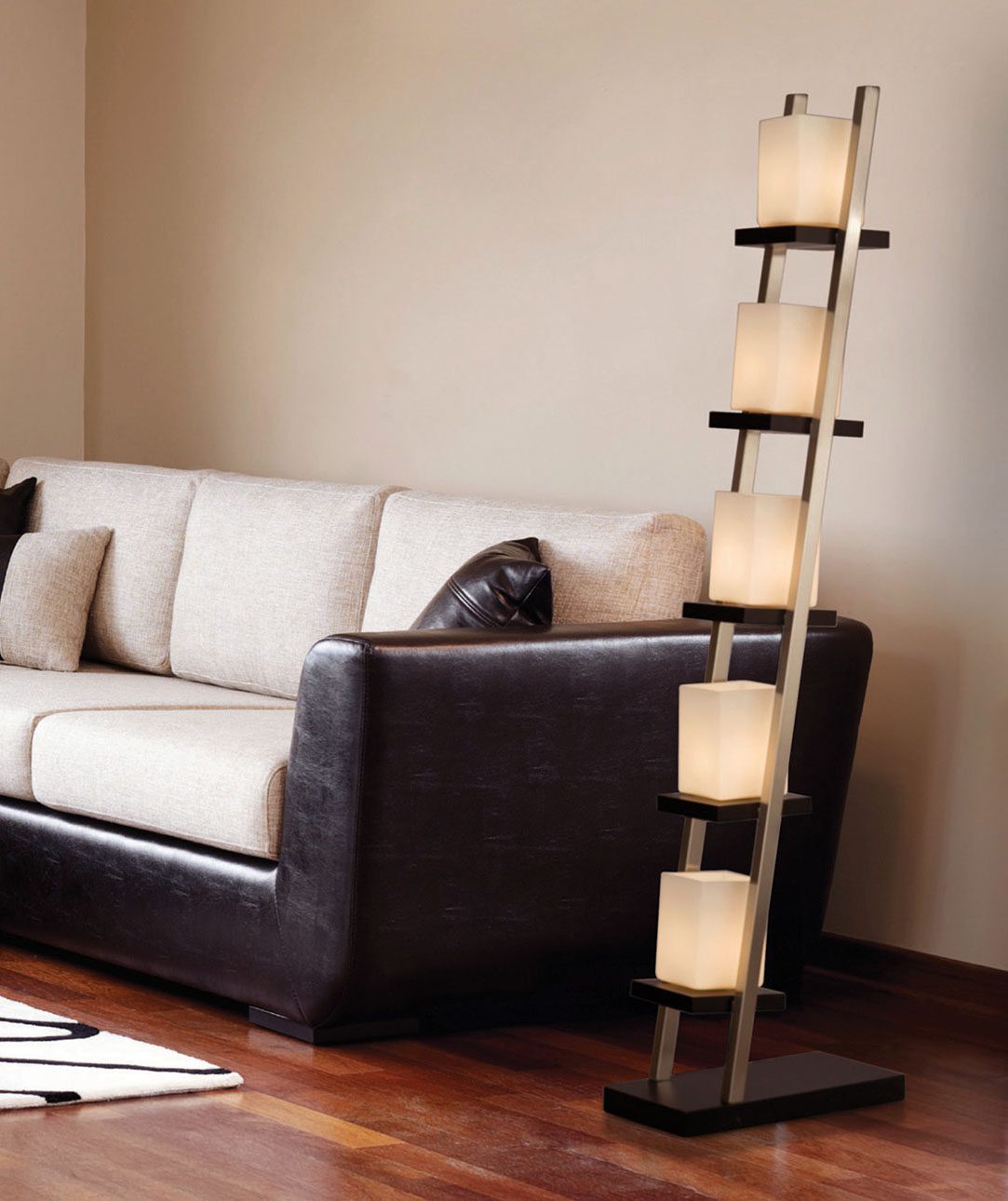
Floor lamps provide illumination while also defining space. Because they sit on the ground and extend upward, they add height and structure to a room.
Why Floor Lamps Work So Well
- They offer flexible lighting without installation
- They fill vertical space in rooms with limited surfaces
- They create ambient or task lighting depending on placement
- They double as decorative design elements
Common Types of Floor Lamps
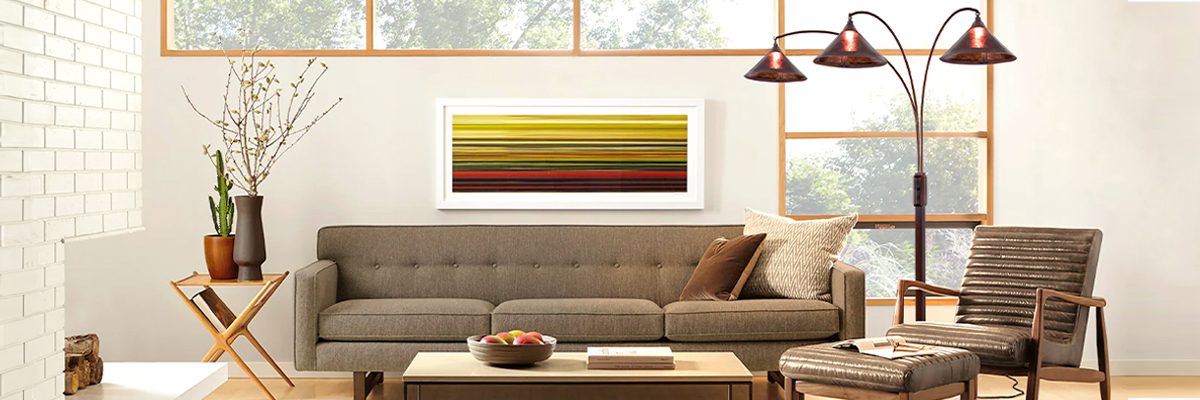
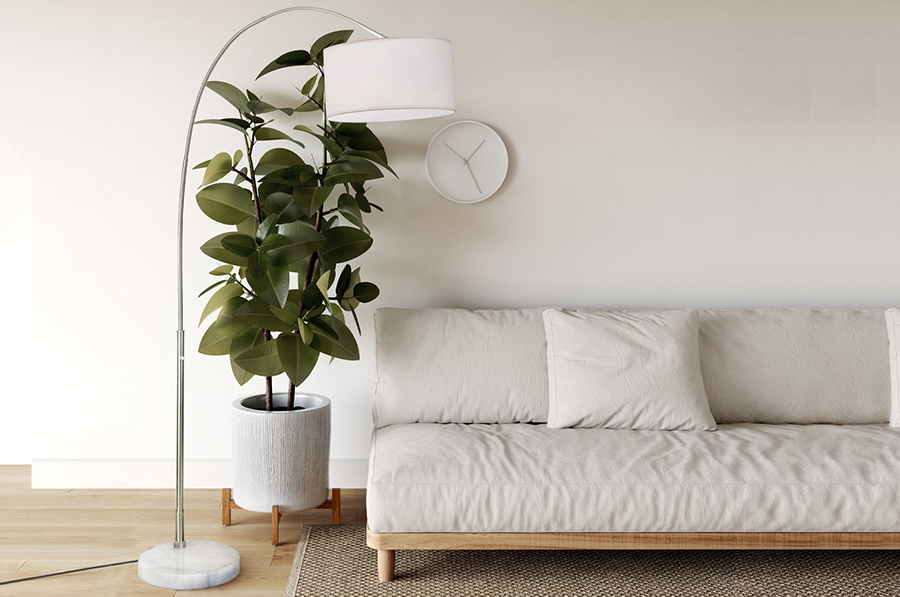
Arc Floor Lamps
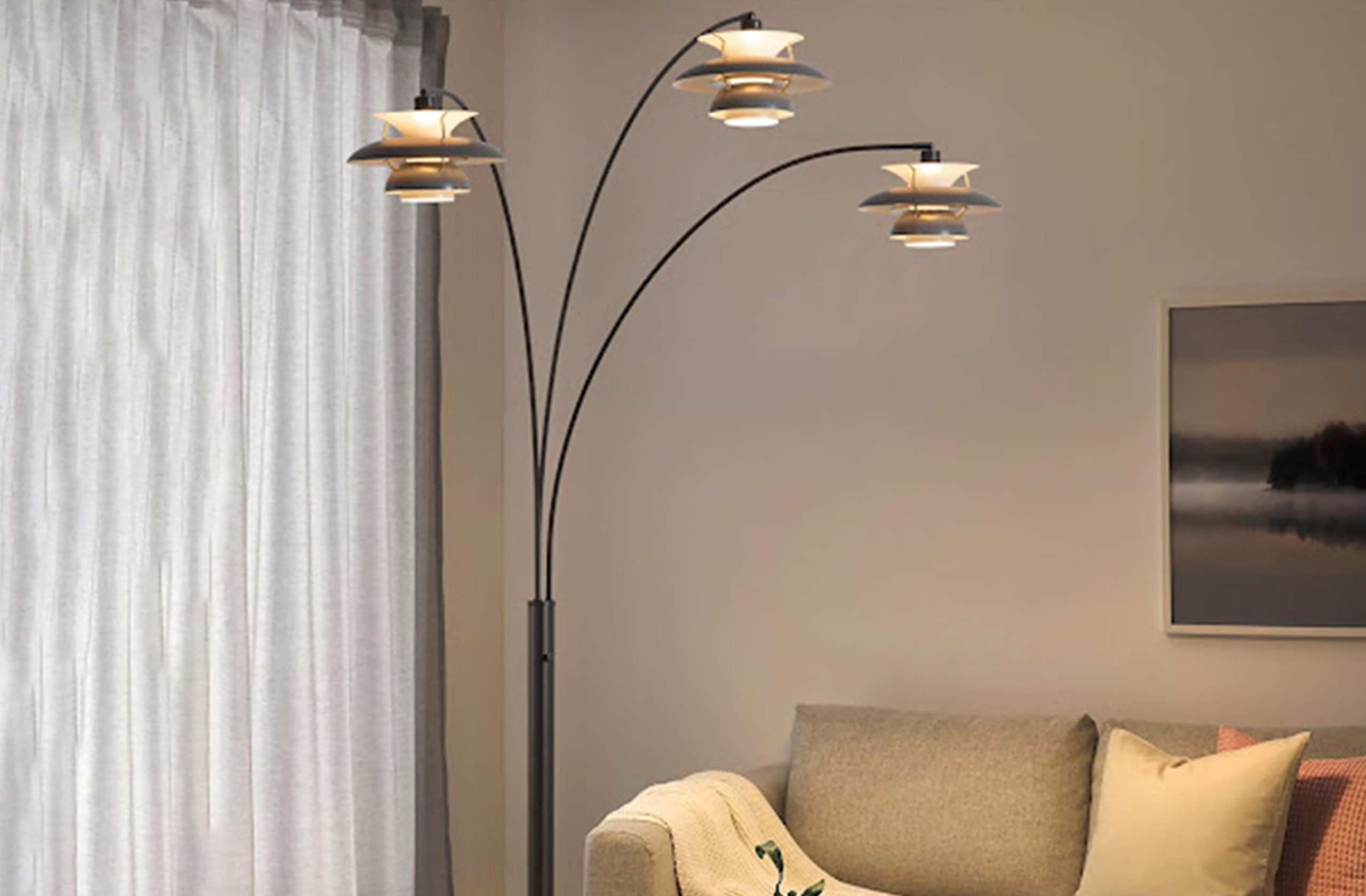
Designed with a curved arm that extends light over seating areas. Ideal for reading corners or behind sofas. They provide overhead light without ceiling fixtures.
Torchiere Floor Lamps
Direct light upward, reflecting it off the ceiling for soft ambient lighting. Useful in rooms without recessed lighting.
Tree Floor Lamps
Feature multiple adjustable arms that allow layered lighting from one base.
Where Floor Lamps Work Best
Place floor lamps where they enhance existing lighting rather than compete with it. Avoid walkways and tight corners where the base may feel intrusive.
A well placed floor lamp can turn an unused corner into a functional and inviting space.
Table Lamps: Practical Light with Decorative Value

Table lamps provide focused lighting while adding personality to a room. They are often the most noticeable decorative lighting element in a space.
Why Use Table Lamps
- Ideal for task lighting such as reading or working
- Easy to move and restyle
- Add warmth and balance to furniture arrangements
Popular Table Lamp Styles
Traditional and Tiffany Style
Recognized by decorative shades and classic forms.
Modern Minimalist
Simple silhouettes that work well in contemporary interiors.
Mid Century Modern
Balanced proportions and quality materials with a focus on function.
Placement Tips
Use table lamps in pairs for symmetry or mix styles for a more relaxed look. Bedside tables, console tables, and side tables next to sofas are natural placements.
Wall Sconces: Light That Enhances Architecture

Wall sconces combine lighting and wall design. They add depth and atmosphere without taking up floor or table space.
Benefits of Wall Sconces
- Save space in compact rooms
- Create layered ambient lighting
- Highlight architectural features or artwork
Common Wall Sconce Styles
Uplights
Cast light upward to create a soft glow.
Downlights
Provide focused illumination for hallways or reading areas.
Creative Placement Ideas
- Frame artwork or mirrors
- Line hallways for visual rhythm
- Install above console tables or dining room sideboards
Wall sconces are especially effective in spaces where floor or table lamps would feel crowded.
Lamp Shades: Controlling Light and Mood
Lamp shades influence both the quality of light and the overall look of a lamp. They are not just accessories but functional components.
Why Lamp Shades Matter
- Diffuse harsh light
- Prevent glare and hot spots
- Add texture, color, and shape to a fixture
Common Lamp Shade Styles
Drum Shades
Clean and versatile, suitable for modern and transitional spaces.
Empire Shades
Tapered and traditional, often used in classic interiors.
Choosing the Right Shade
Proportion is key. The shade should complement the base without overpowering it. Ensure the harp and saddle are concealed and the shade aligns with the room’s color palette.
How to Choose the Right Lighting for Your Space
Start with Purpose
Decide whether the light is meant for general illumination, focused tasks, or highlighting features.
Use Layered Lighting
A well lit room includes:
- Ambient lighting for overall brightness
- Task lighting for activities
- Accent lighting for visual interest
Balance Budget and Quality
Invest in fixtures that serve as visual anchors. Choose durable, well made luminaires that will last rather than replacing lower quality products frequently.
Bringing It All Together
A thoughtfully lit room often uses a combination of floor lamps, table lamps, wall sconces, and well chosen lamp shades. Together, they create depth, comfort, and flexibility.
Lighting is not just about visibility. It defines how a space feels and how it is used.
When chosen with intention, lighting becomes one of the most powerful tools in interior design.