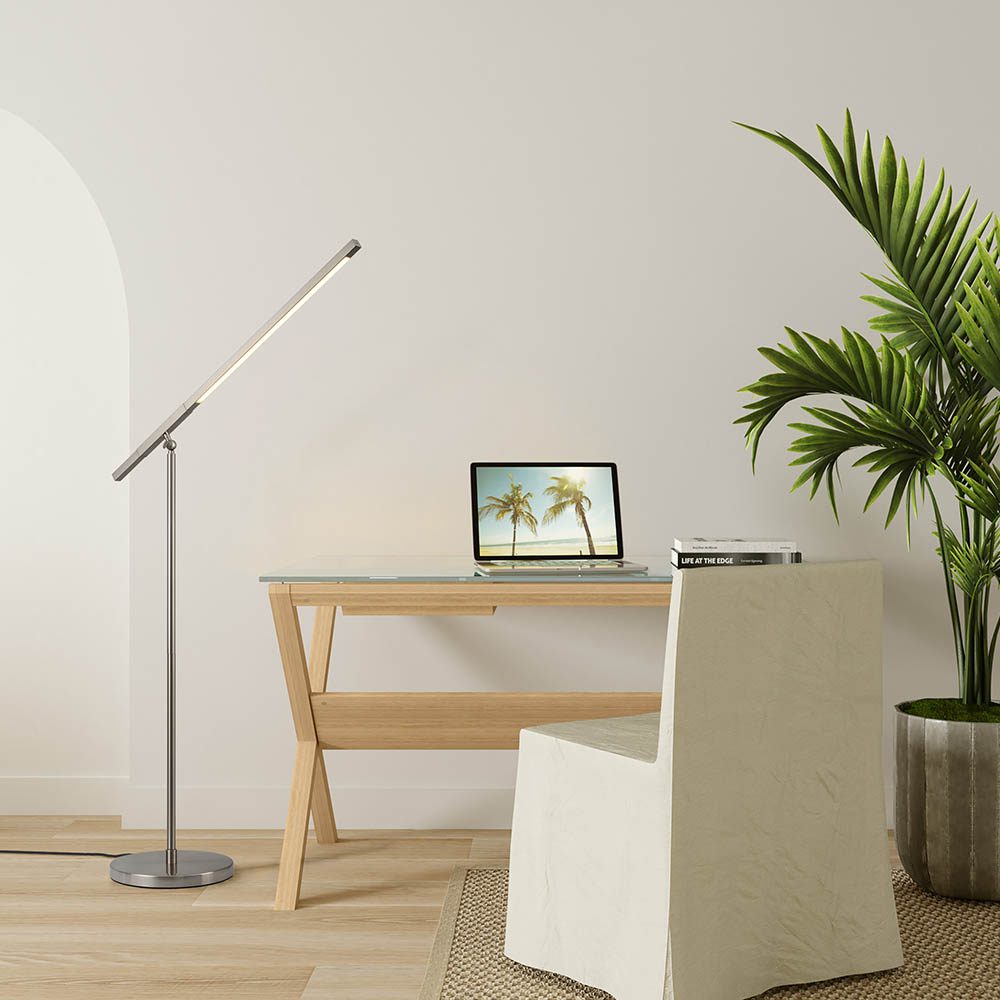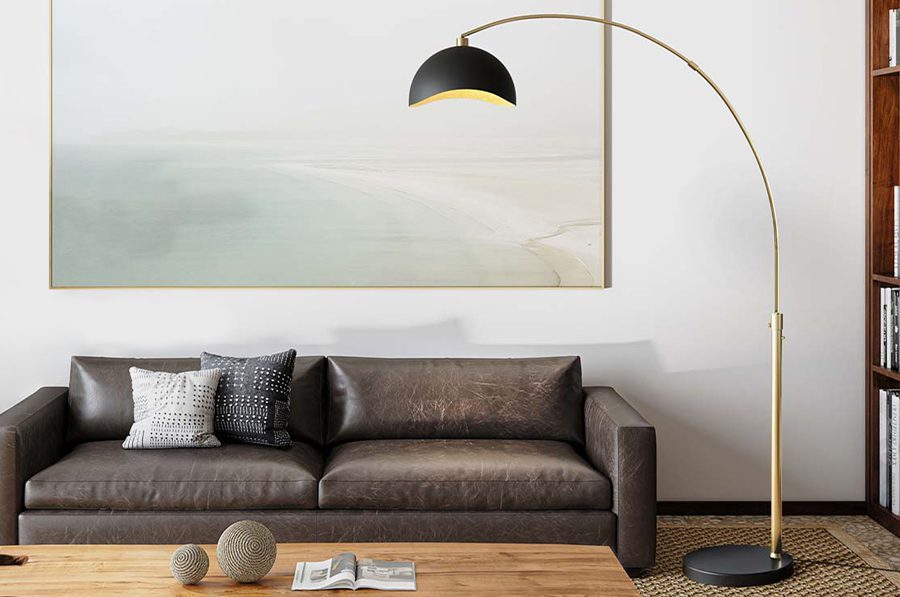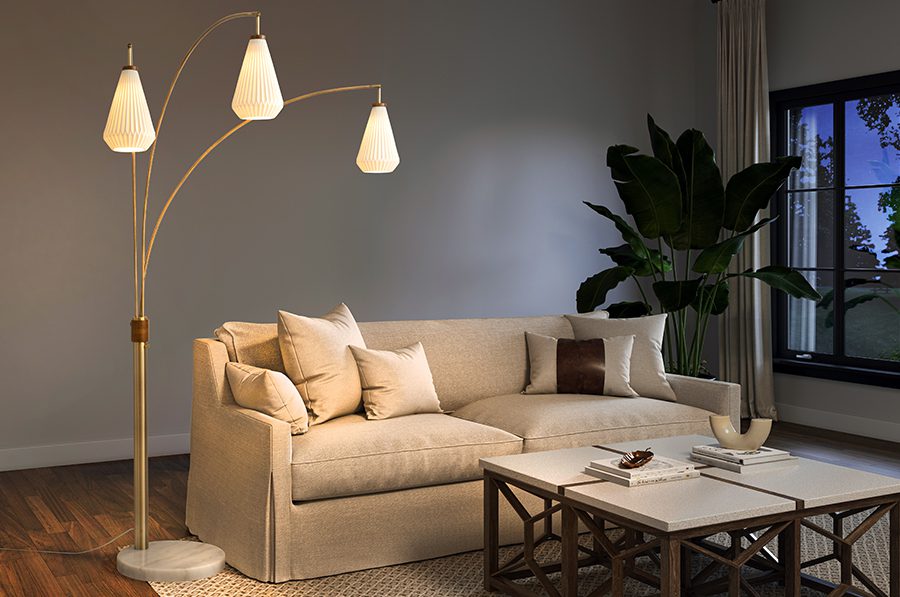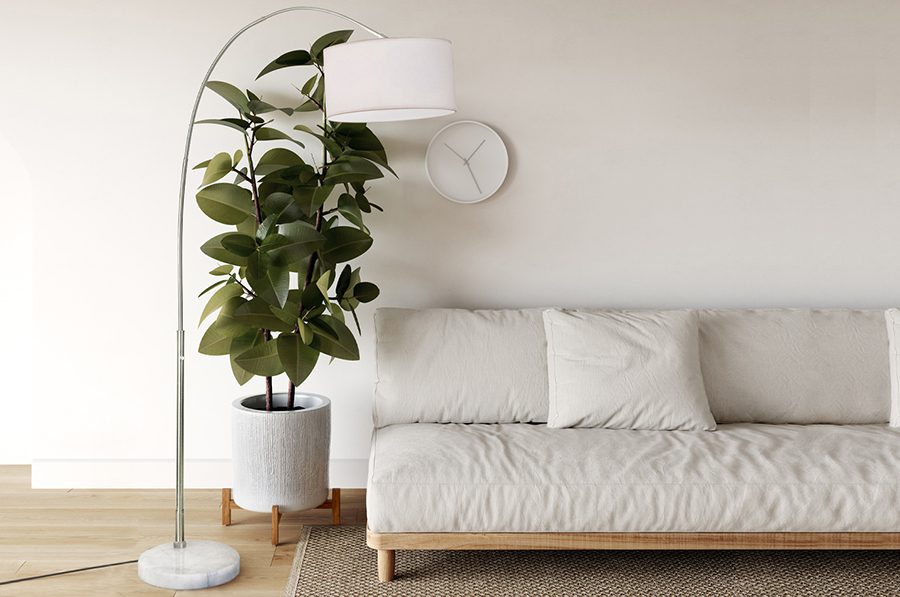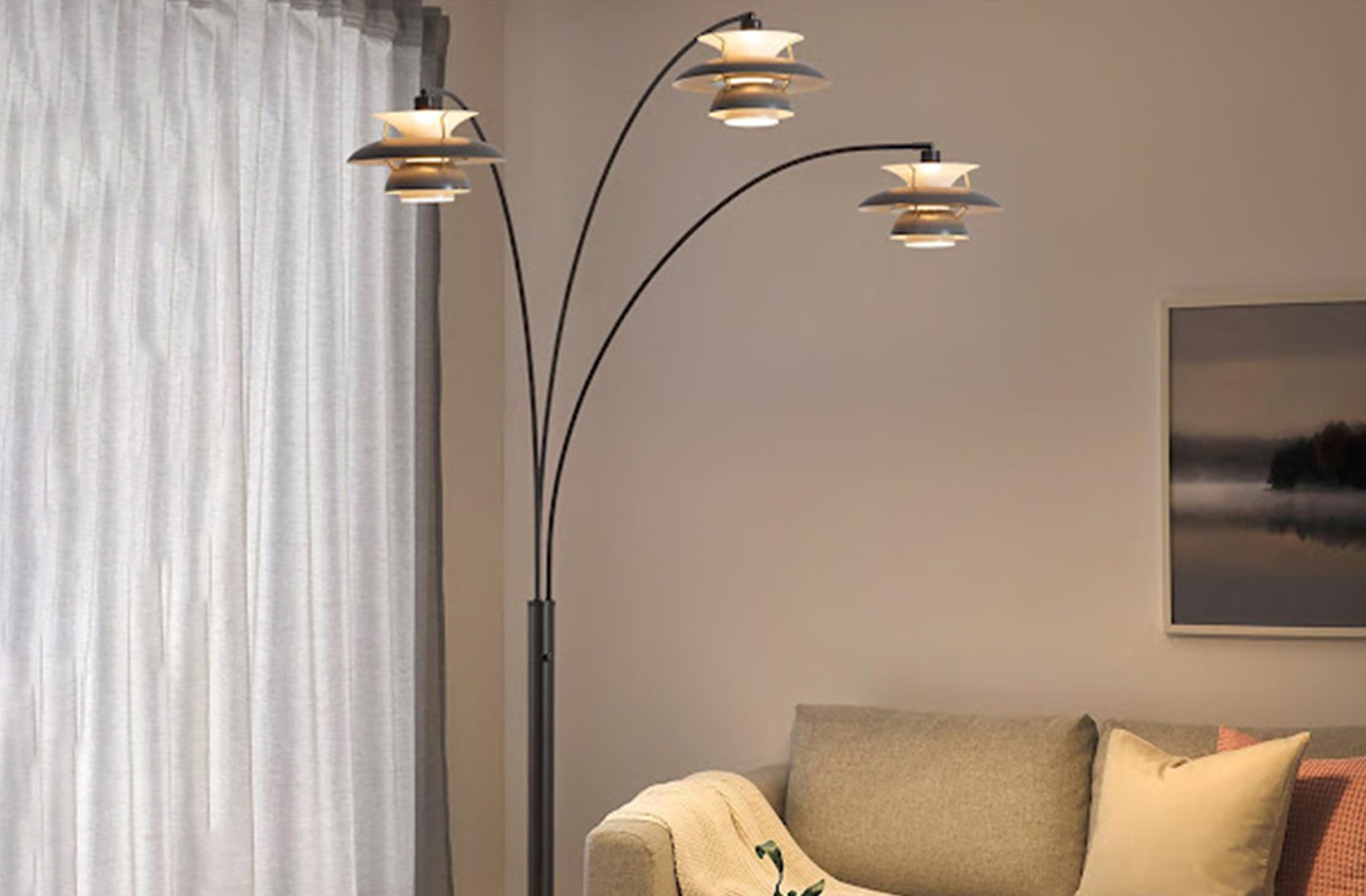



A comfortable chair usually gets all the attention when people design a reading nook. That makes sense. Seating matters. But here is the part many people underestimate: lighting is what determines whether a reading nook feels relaxing or frustrating.
The right lighting reduces eye strain, improves focus, and sets the mood that makes you want to stay and read longer. The wrong lighting creates glare, harsh shadows, or uneven brightness that pulls you out of the moment. Let us break down how to light a reading nook properly, using practical choices that work in real homes.
Start With How You Actually Read
Before choosing a lamp, think about how you read. This single decision shapes everything else.
Reading Printed Books vs Digital Devices
- Printed books and magazines need focused, directional light aimed directly at the page.
- Tablets and older e-readers reflect light and are more sensitive to glare.
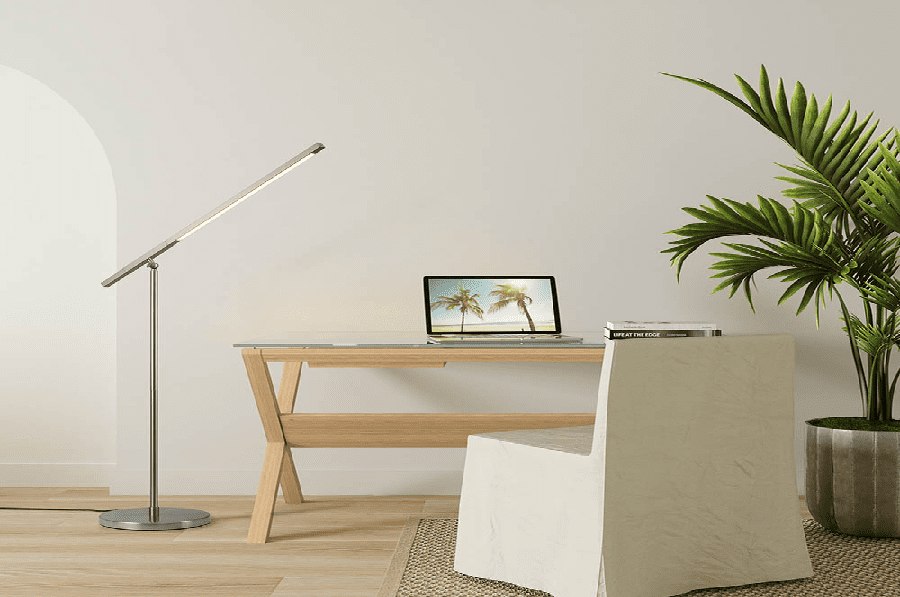
If you read on a screen, avoid placing light directly overhead or straight in front of you. Instead, position lighting slightly to the side of your chair. This angle minimizes reflection and reduces eye fatigue.
This small adjustment alone can dramatically improve comfort during long reading sessions.
Consider the Location of Your Reading Nook
Where your reading nook sits in your home matters just as much as what you read.
Near Natural Light
If your nook is close to a window or skylight, you may only need artificial lighting in the evening or on darker days. In these cases, a single adjustable task lamp or wall sconce often works well as supplemental light.
In Dark Corners or Enclosed Spaces
Reading nooks tucked under stairs, in corners, or inside repurposed closets need more intentional lighting.
For these spaces:
- Choose adjustable task lighting so the light moves with you.
- Directional light is key to avoid shadows on the page.
- Avoid relying on overhead lighting alone.
If floor space is limited, wall-mounted lighting becomes the best solution. Adjustable wall sconces provide strong, focused light without crowding the nook, making them ideal for small or awkward layouts.
Match Lighting to the Time of Day You Read
Your lighting needs change depending on when you use the nook most.
Morning and Daytime Readers
Natural light should do most of the work. Pair it with a soft task light to balance brightness and reduce contrast.
Evening and Night Readers
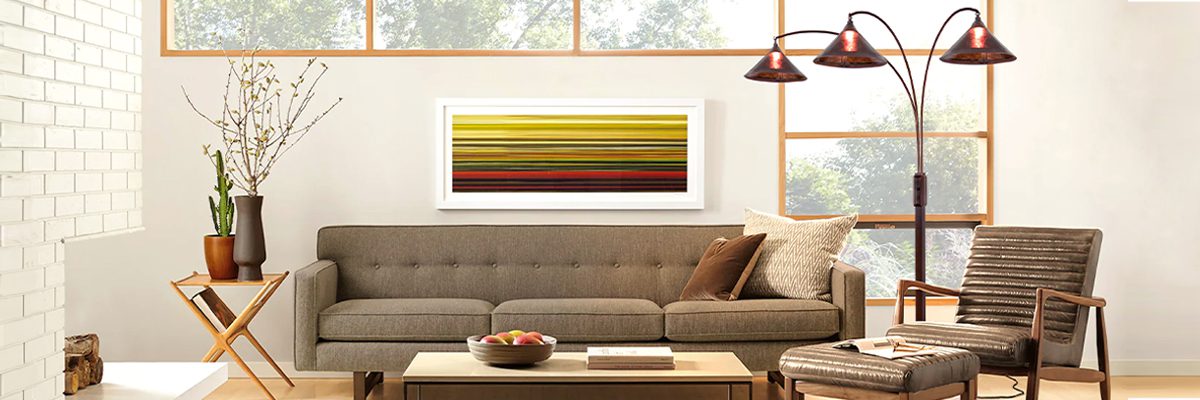
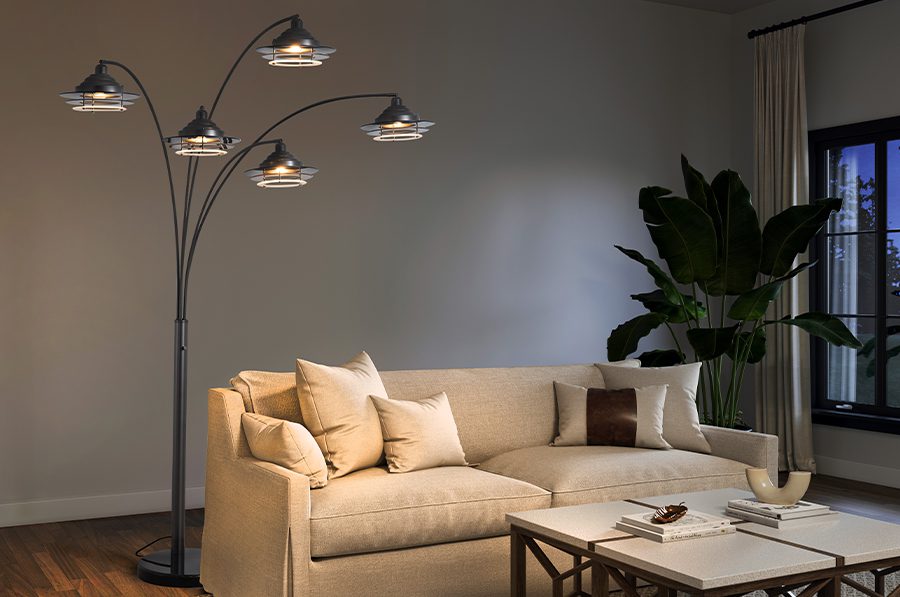
Warm, controlled lighting becomes essential. Floor lamps and wall sconces work especially well here because they deliver focused illumination without flooding the entire room.
For tight spaces or corners without room for tables, wall-mounted fixtures keep the area uncluttered while still delivering strong reading light.
Aim for Even Illumination With Light Layering
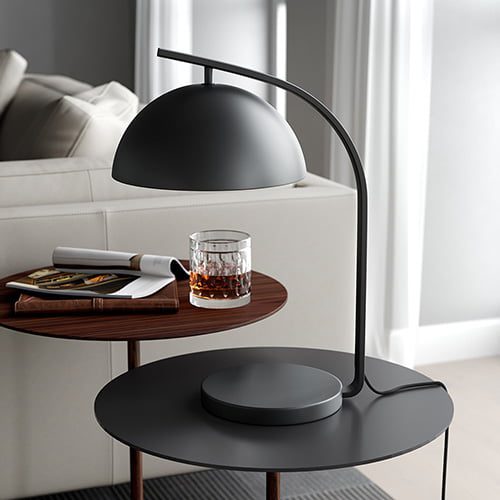
One of the most common mistakes in reading nook lighting is relying on a single light source.
The best reading nooks use light layering, which means combining:
- Ambient room lighting
- Focused task lighting
- Optional accent lighting for mood
For example:
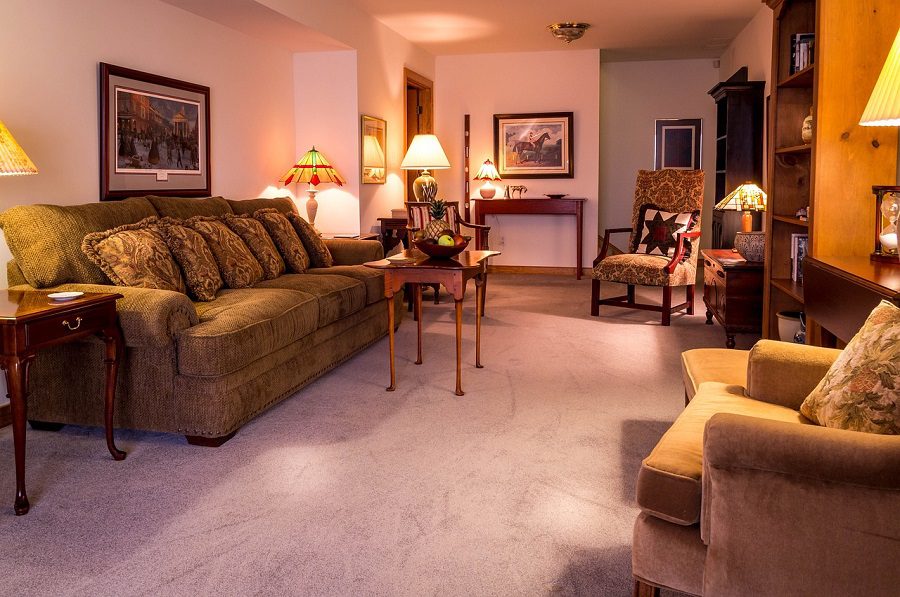
- Recessed ceiling lights paired with a floor lamp
- A wall sconce supported by soft ambient lighting
- A pendant light combined with a directional task lamp
Relying only on recessed lighting creates glare and shadows. Ignoring ambient lighting and using only a task lamp can feel harsh. Balance is what makes the space comfortable and visually calm.
Use Natural Light, But Control It
Natural light is ideal for reading. It is easier on the eyes and supports focus. If possible, place your reading nook near a window or a space that benefits from reflected daylight.
That said, too much natural light can cause glare, especially on glossy pages or screens.
To control brightness:
- Use sheer curtains
- Add light-filtering shades
- Position mirrors to bounce light indirectly
The goal is soft, even daylight supported by artificial light when needed.
Choose the Right LED Bulbs for Reading
Even the best lamp will fail if the bulb is wrong.
For reading nooks, LED bulbs are the best choice when selected carefully.
Look for bulbs that are:
- Flicker-free
- Dimmable
- Warm in tone, ideally around 2700K
This color temperature mimics natural evening light and feels comfortable over long reading sessions. It creates warmth without feeling dim or yellow.
Avoid overly cool bulbs. They may seem bright, but they can feel clinical and increase eye fatigue in a reading environment.
The Goal: Comfortable, Focused, and Inviting Light
A well-lit reading nook does not call attention to itself. It simply works.
The best lighting setup:
- Supports your eyes
- Adjusts to different reading habits
- Fits the size and layout of your space
- Feels warm, calm, and intentional
When lighting is done right, your reading nook becomes more than a corner with a chair. It becomes a place where time slows down and reading feels effortless.
Start with the light. Everything else follows.
You have not enough Humanizer words left. Upgrade your Surfer plan.