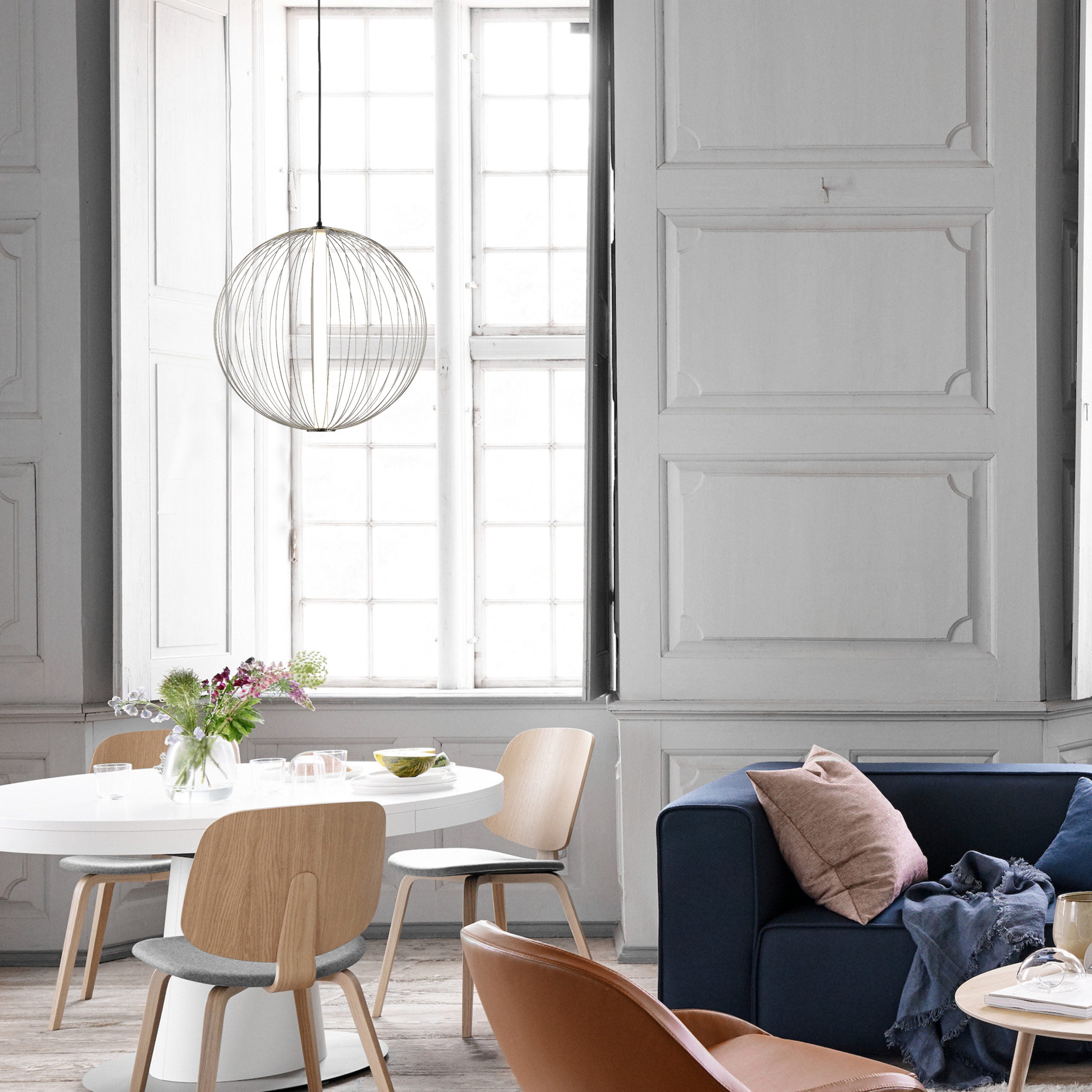
Great lighting design is never accidental. It is planned, layered, and intentional. While a beautiful floor lamp or pendant can elevate a room visually, no single fixture can do all the work. The most comfortable, functional, and visually rich interiors rely on light layering.
Light layering is the foundation of professional home lighting design. It uses three distinct but complementary layers of light to shape how a space looks, feels, and functions throughout the day and night.
When done correctly, layered lighting creates balance, depth, comfort, and flexibility without feeling overlit or flat. The goal is simple: provide the right light, in the right place, for the right purpose.
Let’s break down the three layers of light and how they work together in real homes.
The Three Layers of Light Explained
Every well-designed interior uses a combination of:
- Ambient lighting
- Task lighting
- Accent lighting
Each layer serves a specific role. Alone, none of them is sufficient. Together, they create a space that feels intentional, inviting, and adaptable.
Ambient Lighting: The Foundation of Every Room
Ambient lighting is the base layer of light. It provides overall illumination and allows people to move safely and comfortably through a space. This is the light you instinctively turn on when you enter a room.
Think of ambient lighting as the canvas. Everything else builds on top of it.
What Ambient Lighting Does
- Establishes overall brightness
- Eliminates harsh shadows
- Creates visual comfort
- Sets the general tone of the room
Ambient lighting should be even, glare-free, and strong enough to light the entire space without overwhelming it.
Common Sources of Ambient Lighting
- Natural daylight from windows and skylights
- Ceiling-mounted fixtures such as pendants and chandeliers
- Flush-mount and semi-flush-mount ceiling lights
- Recessed lighting or downlights
- Torchieres that bounce light upward
A well-lit room often combines natural light during the day with ceiling or indirect lighting in the evening.
Task Lighting: Light That Supports What You Do
Task lighting is the second layer and serves a more focused purpose. It delivers concentrated light where precision is required, reducing eye strain and improving functionality.
Unlike ambient lighting, task lighting is directional and intentional.
What Task Lighting Does
- Supports specific activities
- Improves focus and visibility
- Reduces glare and visual fatigue
- Enhances comfort in work and reading areas
Task lighting is essential in spaces where detail matters.
Common Task Lighting Applications
- Home offices and desks
- Reading nooks and seating areas
- Kitchen counters and prep zones
- Bathroom vanities
- Bedside reading areas
Common Task Lighting Fixtures
- Adjustable desk lamps
- Directional floor lamps
- Swing-arm wall sconces
- Vanity lights
- Picture lights when used for focused illumination
The key to effective task lighting is adjustability. The light should be easy to aim and bright enough for the task without spilling harshly into the rest of the room.
Accent Lighting: Mood, Depth, and Visual Interest

Accent lighting is where personality and drama come into play. This third layer adds depth, highlights focal points, and brings emotional warmth to a space.
Accent lighting is not about brightness. It is about intention.
What Accent Lighting Does
- Highlights architectural features
- Draws attention to décor, artwork, or textures
- Adds visual layers and contrast
- Creates atmosphere and mood
Accent lighting gives a room its character. It turns a functional space into a designed one.
Where Accent Lighting Works Best
- On side tables and nightstands
- Along shelves and bookcases
- Near fireplaces and mantels
- Around artwork and sculptures
- In entryways and hallways
Common Accent Lighting Fixtures
- Decorative table lamps
- Sculptural accent lamps
- Wall sconces used for framing
- Low-level lamps placed strategically
Some accent lamps double as statement pieces, acting as both light source and décor.
There is no strict rule for accent lighting. Experimentation is encouraged. The goal is to create visual rhythm and warmth without overpowering the space.
How the Three Layers Work Together
Layered lighting works best when all three layers are present and balanced.
- Ambient lighting ensures comfort and visibility
- Task lighting supports daily activities
- Accent lighting adds depth, mood, and style
A room with only ambient light feels flat.
A room with only accent light feels impractical.
A room with only task light feels harsh.
Layering allows you to adjust the space throughout the day. Bright and functional in the morning. Soft and atmospheric in the evening.
Choosing the Right Light Bulbs for Layered Lighting
Bulb selection has a major impact on how layered lighting performs.
Color Temperature Matters
- Warm light around 2700K creates comfort and relaxation
- Neutral to cooler light around 3500K–4000K supports focus and activity
Mixing temperatures intentionally across layers is fine. Mixing them randomly is not.
Consistency Is Key
Use matching color temperatures within the same room to maintain visual harmony.
Light Control: The Secret to Flexibility
Dimmers are essential for layered lighting. They allow you to:
- Adjust brightness by time of day
- Shift mood instantly
- Prevent over-lighting
- Extend bulb life
With dimmers, the same lighting setup can support entertaining, working, relaxing, and unwinding.
Final Thoughts on Light Layering
Light layering is not about adding more fixtures. It is about adding the right light in the right places.
When ambient, task, and accent lighting work together, a room feels balanced, comfortable, and alive. Thoughtful lighting can transform harsh spaces into welcoming sanctuaries without changing furniture or layout.
Once you understand the basics of layered lighting, you begin to see your home differently. Every corner becomes an opportunity. Every fixture has a purpose.
Light well, layer thoughtfully, and let your space work for you.