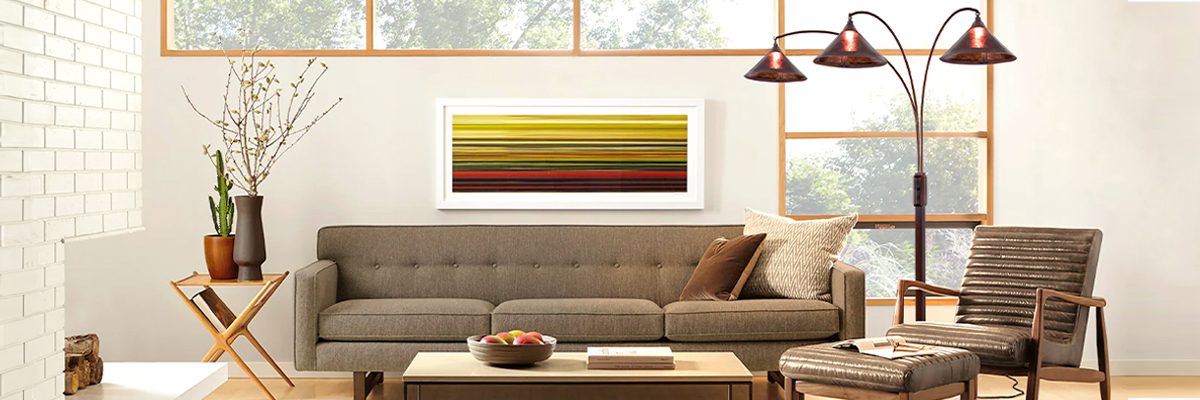
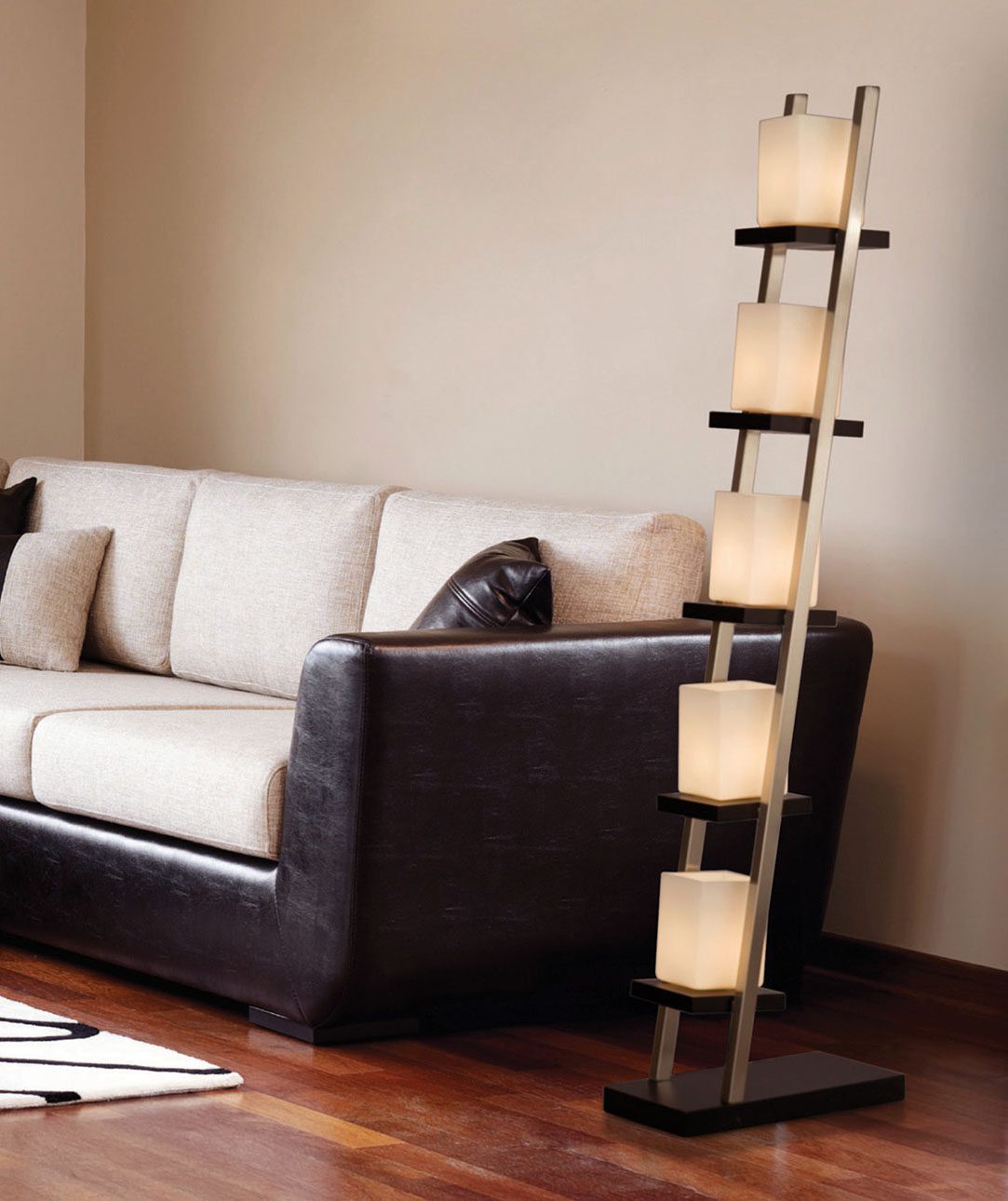
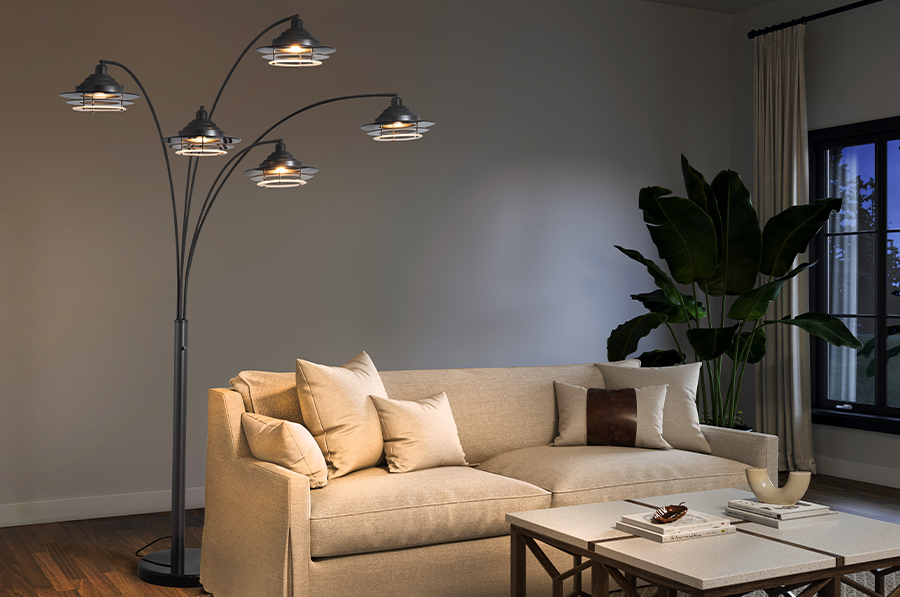
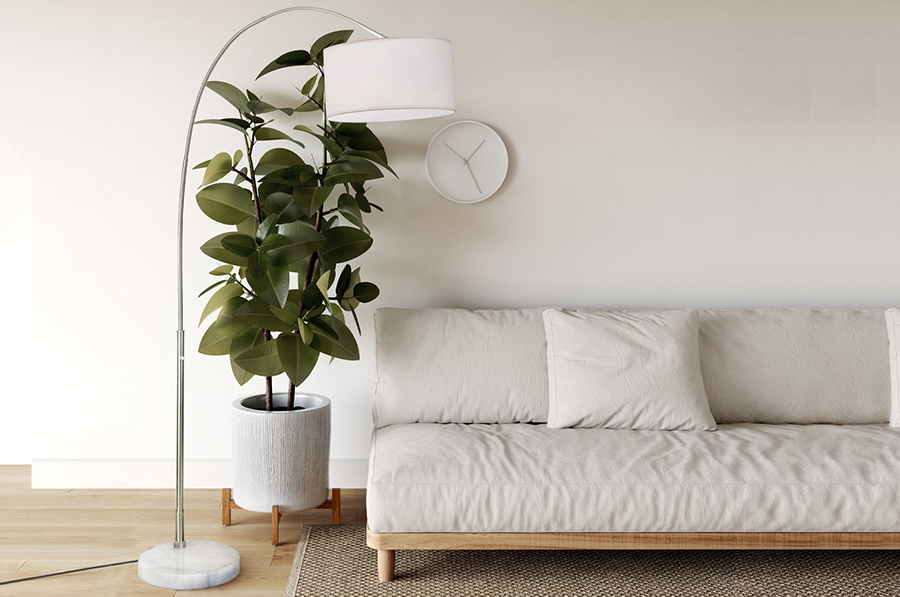
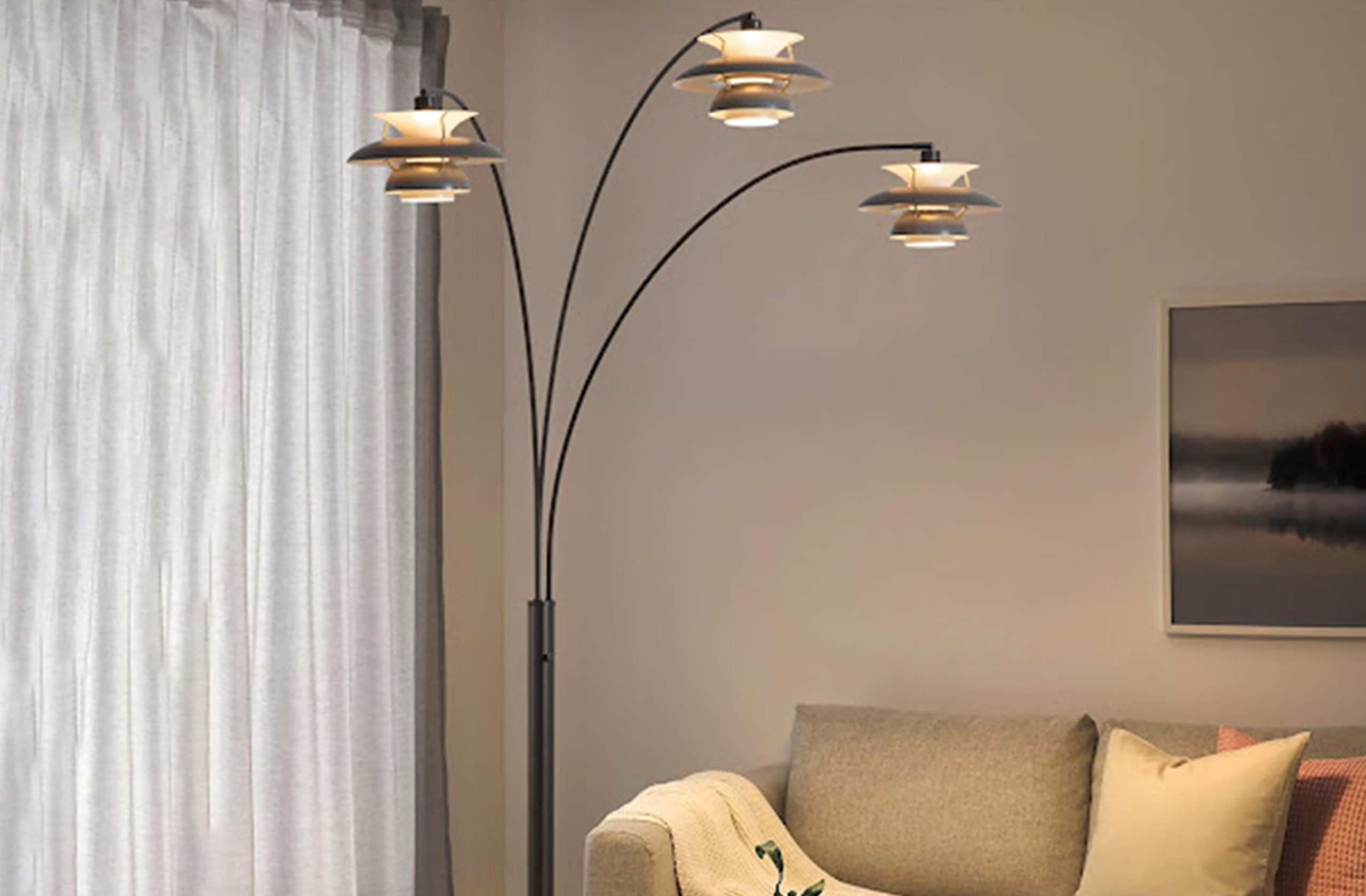
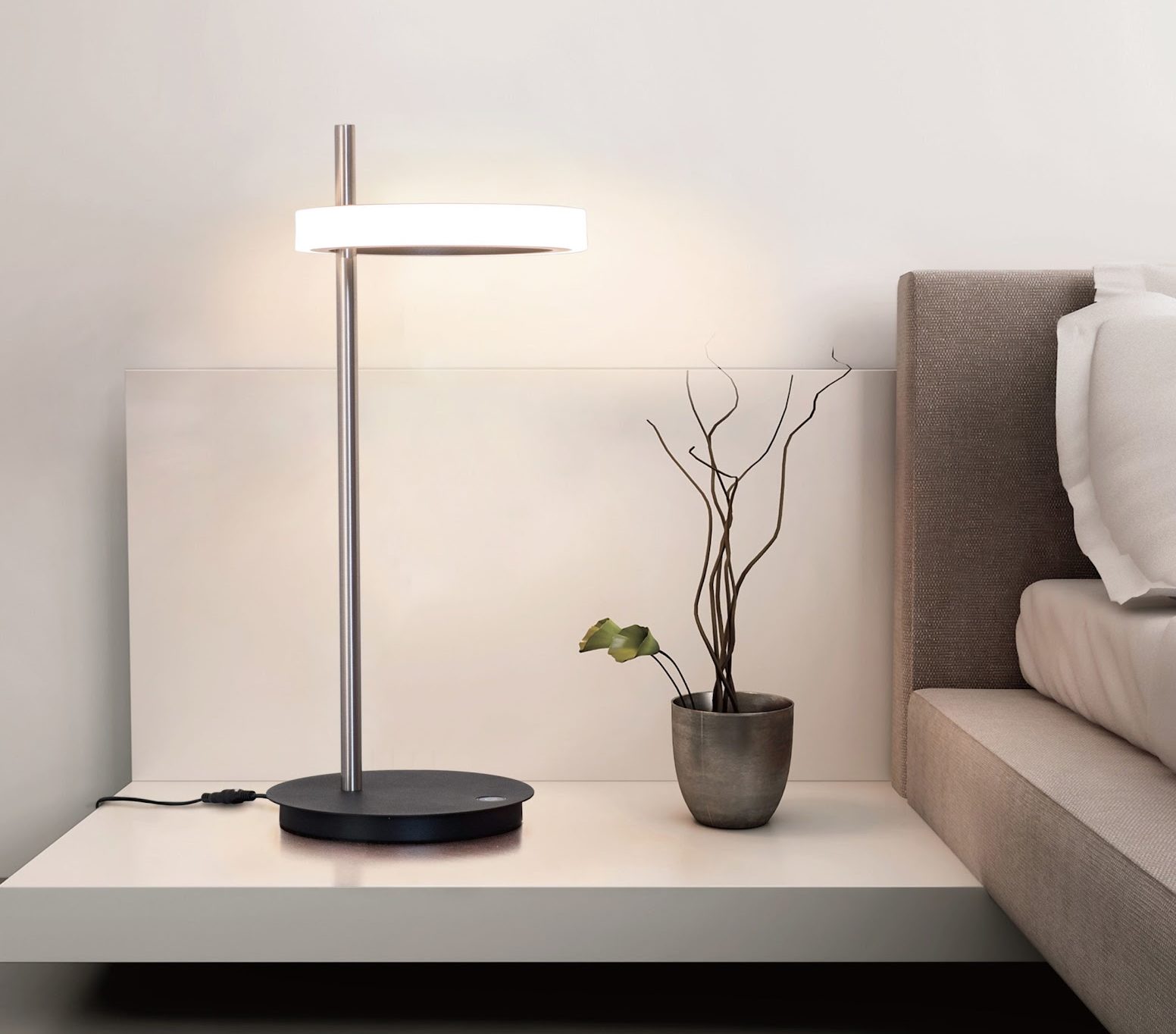
Good lighting is often the first thing you feel when you step into a home. Before furniture, colors, or décor register, your eyes adjust to the light. You sense whether the space feels open or enclosed, calm or dramatic, warm or cold. Lighting quietly sets expectations and emotions long before anything else does.
A well lit home is not about brightness alone. It is about balance, intention, and how light supports daily life. Below are the key reasons why good lighting is essential in every home and how it shapes both experience and function.
1. Light Creates Space and Visual Depth
Lighting has a powerful effect on how large or small a space feels. Proper illumination can visually expand a room, making it feel open and breathable.
When light is paired with lighter colors, walls appear to recede, ceilings feel higher, and rooms feel more spacious. Illuminating vertical surfaces such as walls or shelving adds depth and dimension rather than leaving areas visually flat.
Thoughtful lighting also allows you to create micro environments within the home. A reading corner, a home office area, a play space, or a quiet retreat can all exist within one room simply through changes in light placement and tone.
A practical guideline is to use brighter, neutral light in kitchens and bathrooms where clarity matters, and warmer light in living areas and bedrooms where comfort is the priority.
2. Safety Inside and Outside the Home
Lighting plays a direct role in safety. Indoors, it reduces the risk of trips and falls by ensuring hallways, staircases, and transitional spaces are clearly visible.
Exterior and landscape lighting are equally important. Well lit pathways, entrances, and driveways help prevent accidents and make movement around the home safer at night. These measures protect both residents and visitors while reducing liability concerns.
3. Lighting Improves Home Security
A well lit home is less attractive to intruders. Exterior lighting, especially when paired with smart controls or motion sensors, acts as a visible deterrent.
Research consistently shows that homes with good exterior lighting are significantly less likely to experience break ins or vandalism. Lighting signals occupancy, awareness, and care, all of which discourage unwanted attention.
Smart lighting systems also allow homeowners to control lights remotely, creating the appearance of presence even when the home is empty.
4. Light Highlights What Matters
Lighting draws attention. It can elevate artwork, architectural details, textures, and decorative objects that might otherwise go unnoticed.
Accent lighting adds drama and focus, guiding the eye through a space. Without it, darker colors and heavier elements can feel overpowering. With it, even bold design choices feel intentional and balanced.
Good lighting does not overwhelm. It enhances selectively, allowing the most important elements of the home to stand out naturally.
5. Good Lighting Saves Energy and Money
Modern lighting solutions are far more efficient than older systems. LED technology offers longer lifespan, lower energy consumption, and reduced maintenance.
Maximizing natural light is equally important. Window placement, room orientation, and reflective surfaces all help extend daylight deeper into the home, reducing reliance on artificial lighting during the day.
When designed thoughtfully, good lighting lowers electricity costs while improving overall comfort.
6. Lighting Influences Mood and Well Being
Light has a measurable effect on mood and mental health. Studies consistently show that limited exposure to light, especially natural light, is linked to increased stress and lower energy levels.

Warm, balanced lighting creates a sense of calm and relaxation. Bright, focused lighting supports alertness and productivity. Adjusting light levels throughout the day helps align the home with natural rhythms.
Decorative lighting also plays a role. Contemporary fixtures can refresh a space emotionally as much as visually, transforming rooms that feel tired or outdated into environments that feel current and uplifting.
7. Lighting Brings Comfort and Cohesion
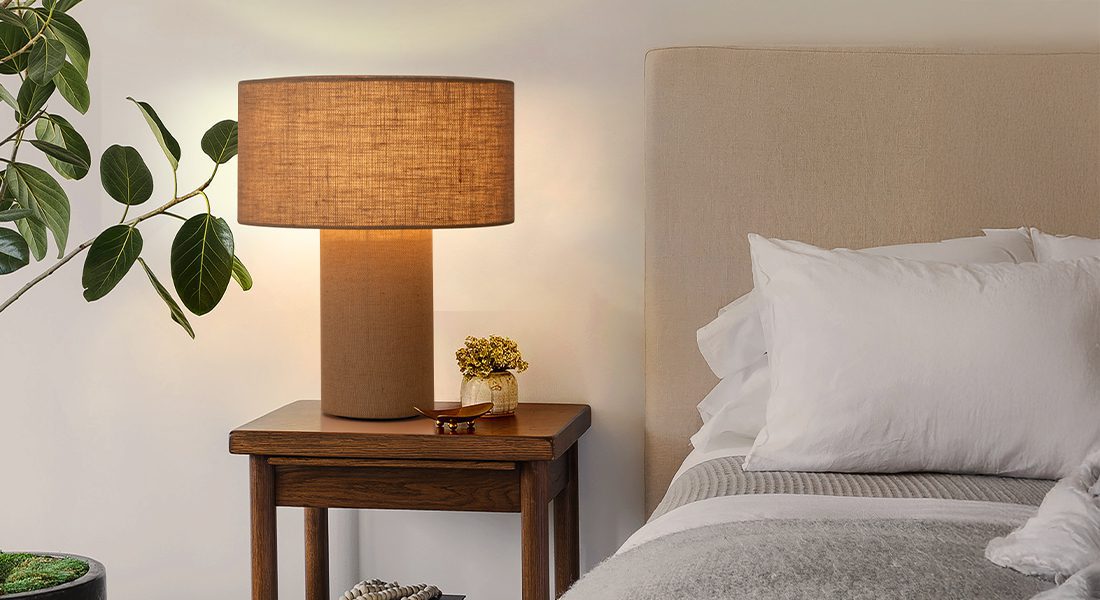
Natural light provides warmth and connection to the outdoors, especially during colder months. In the evening, lamps, wall lighting, and even candlelight add intimacy and personal character.
Layered lighting creates cohesion. Ambient lighting sets the foundation, task lighting supports activity, and accent lighting adds depth. Together, they create a home that feels complete rather than unfinished.
Final Thoughts
Lighting is not a finishing touch. It is a foundational element of how a home looks, feels, and functions.
Good lighting adds perceived space, improves safety and security, supports well being, and enhances design. It shapes mood, guides movement, and makes everyday living more comfortable.
A thoughtfully lit home feels intentional, welcoming, and alive. When lighting is done well, everything else in the space has room to shine.