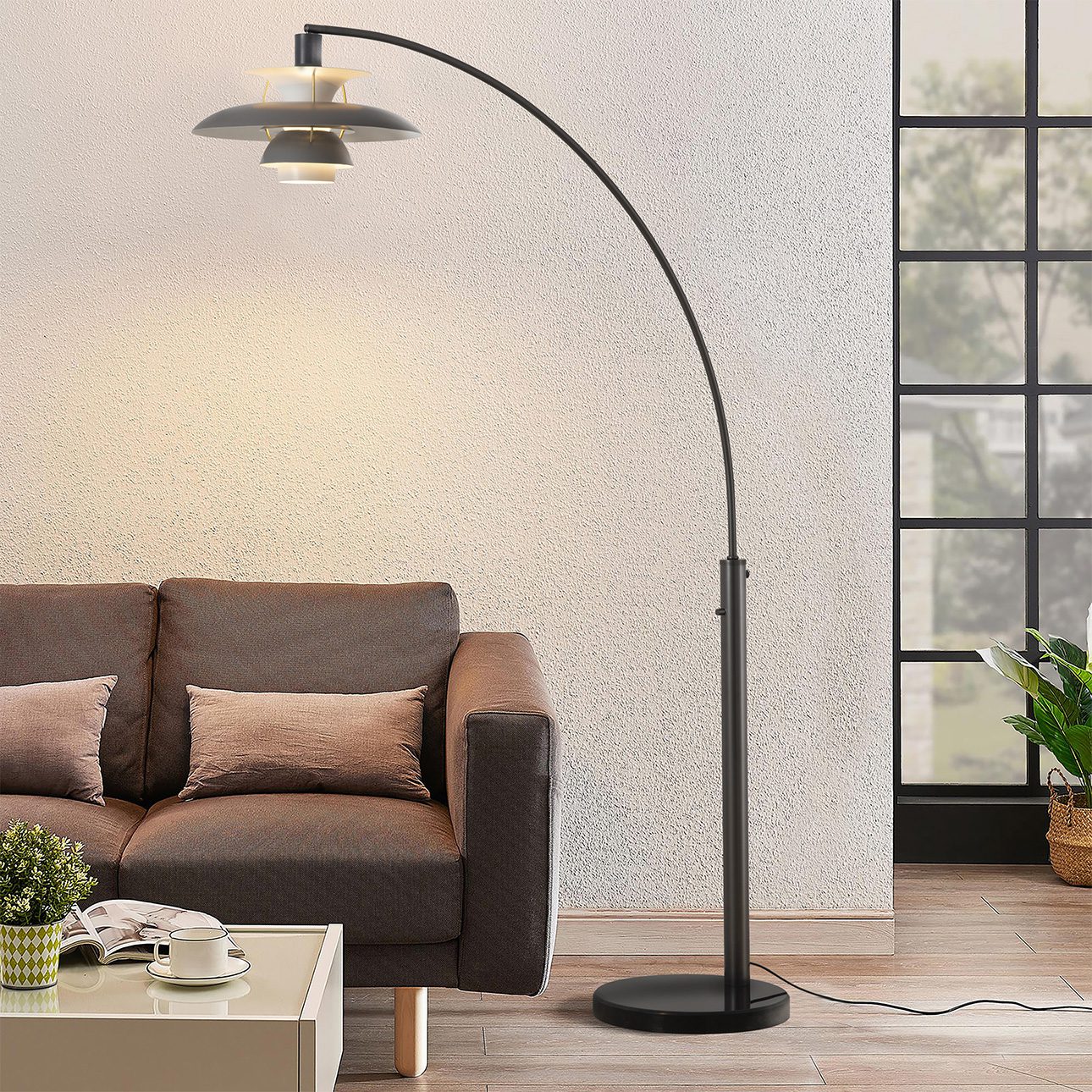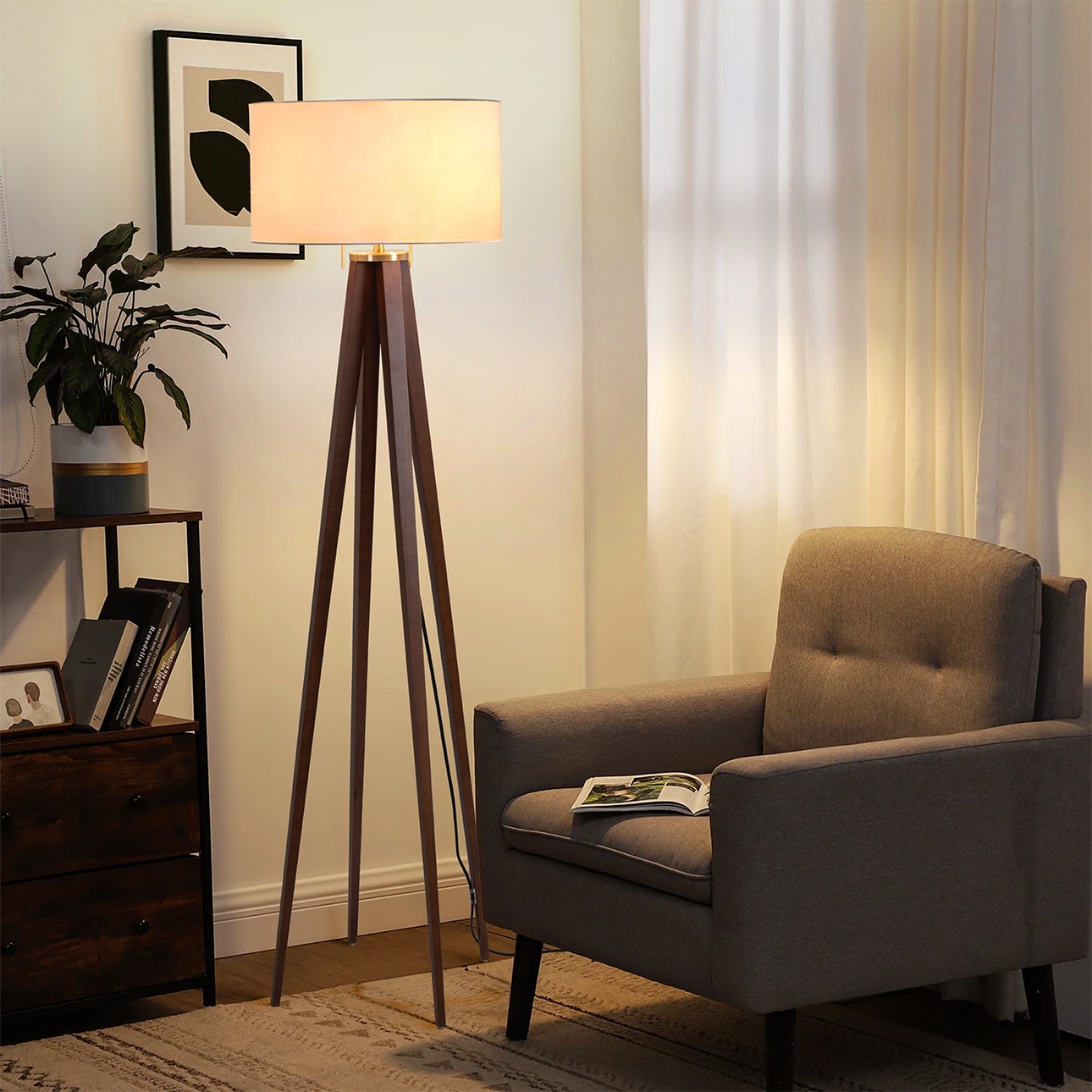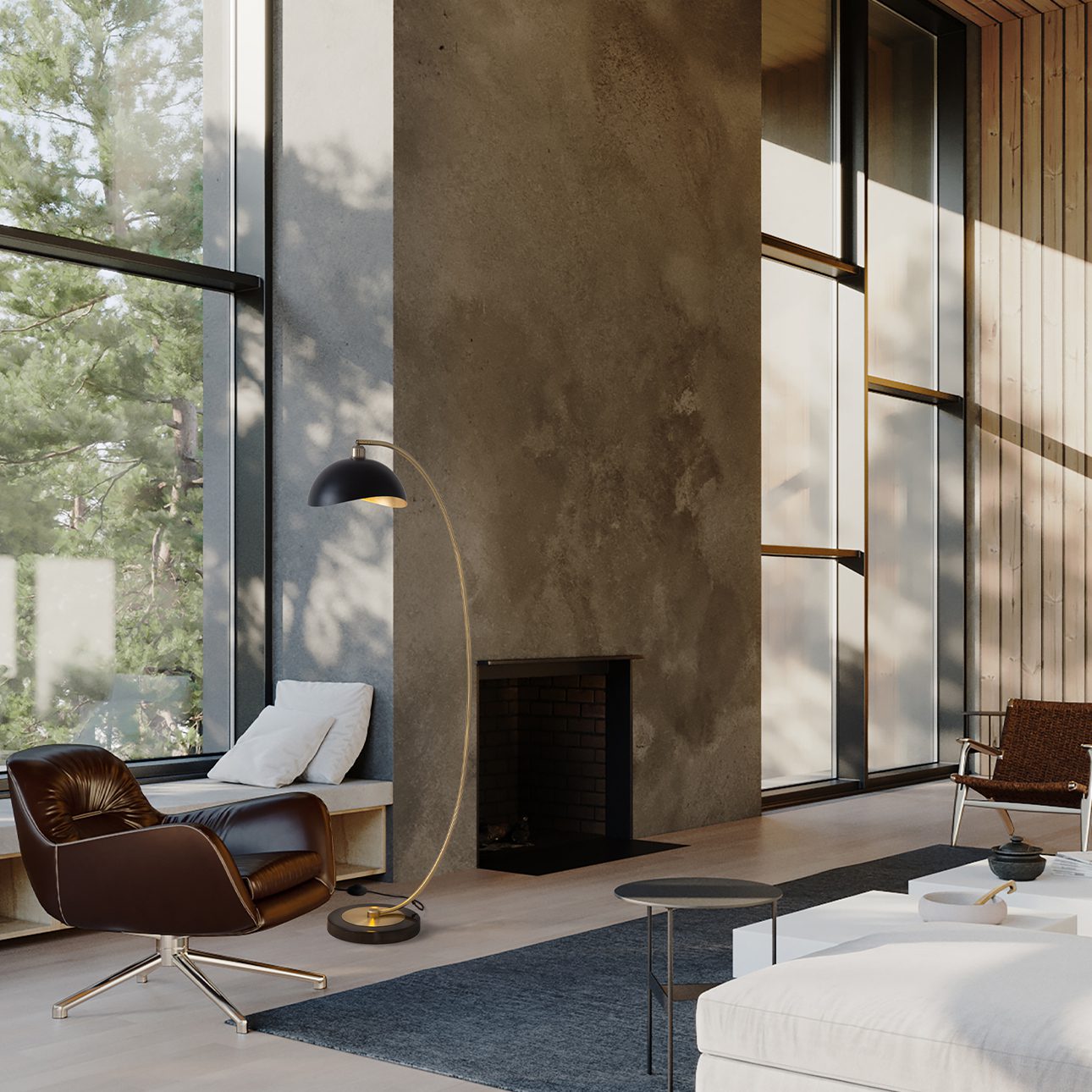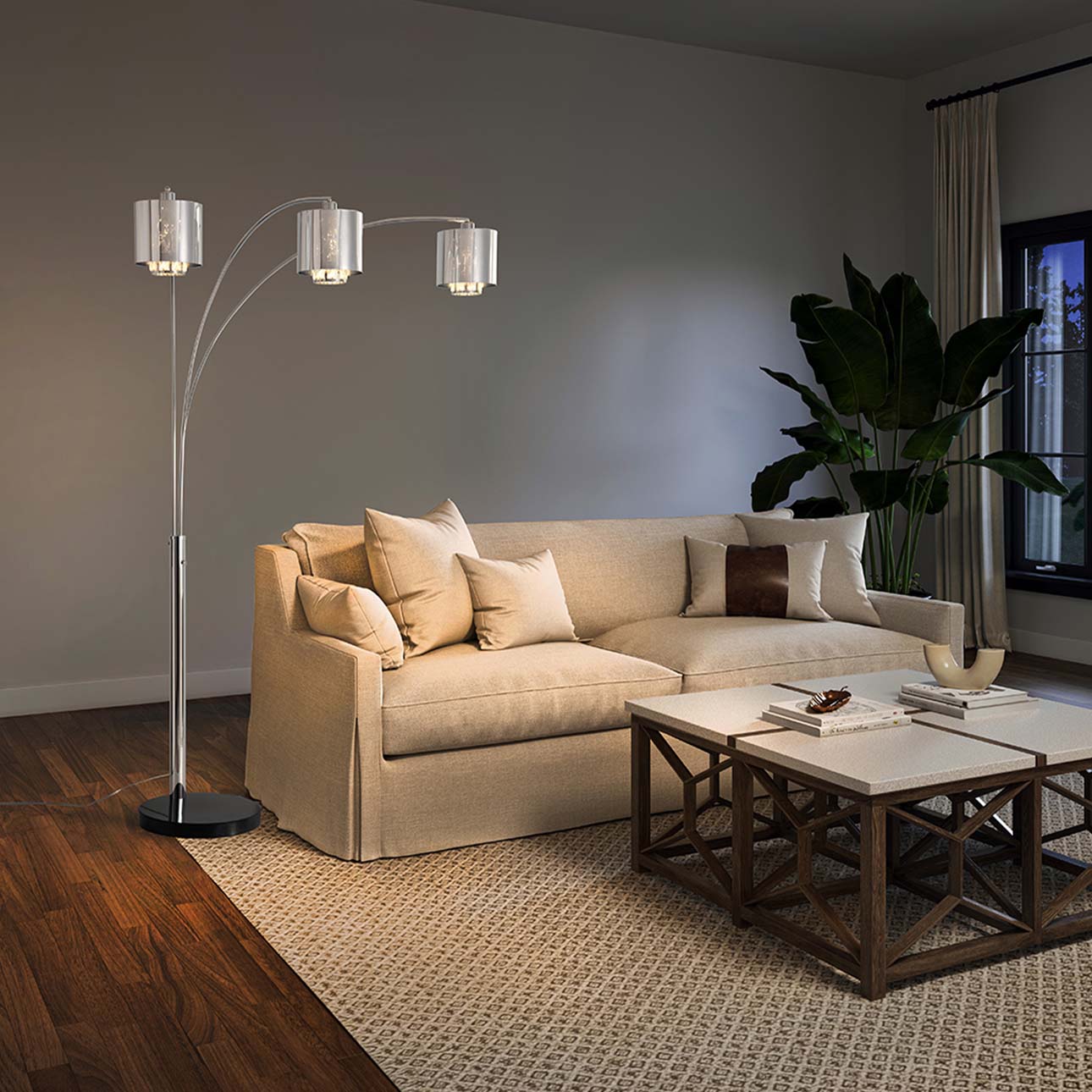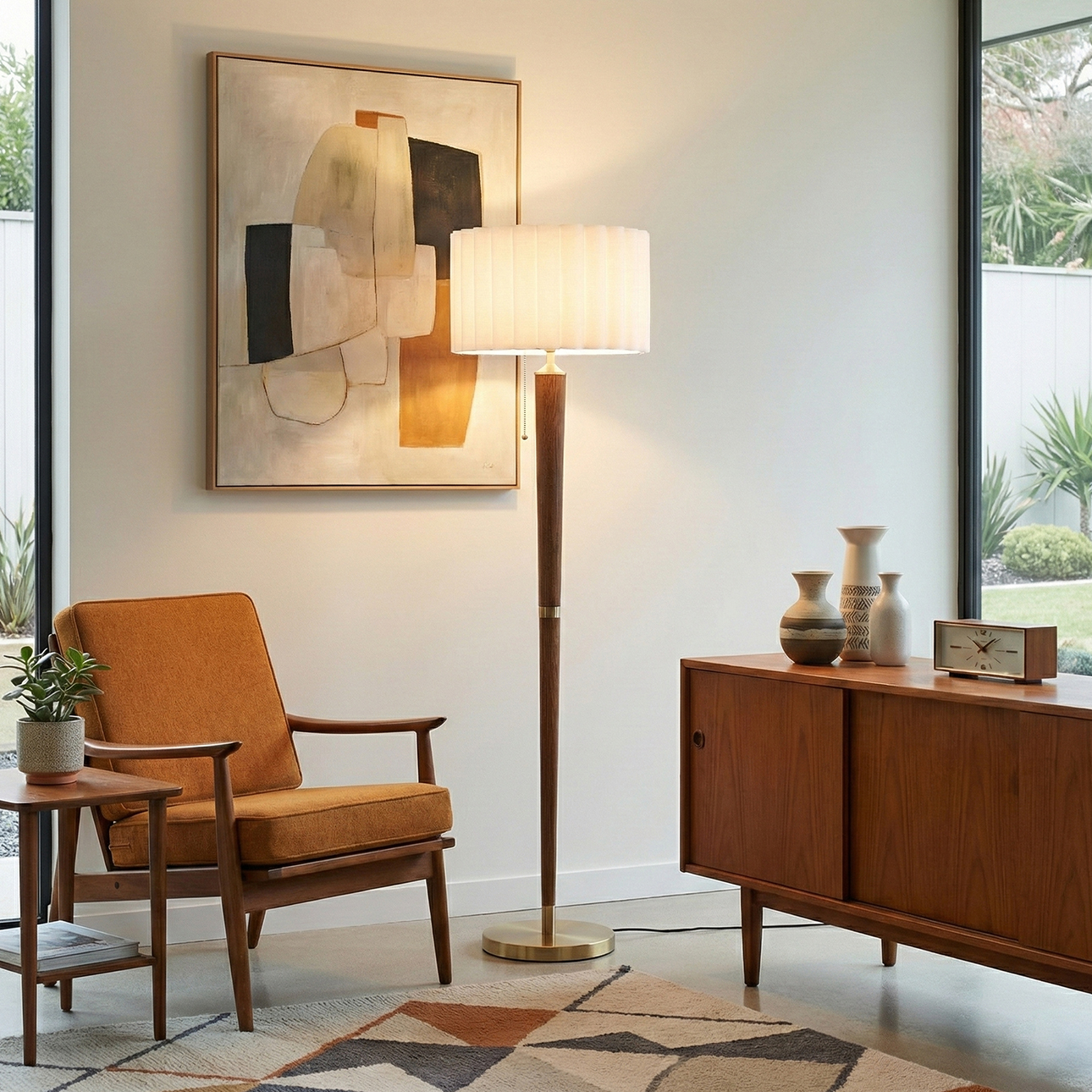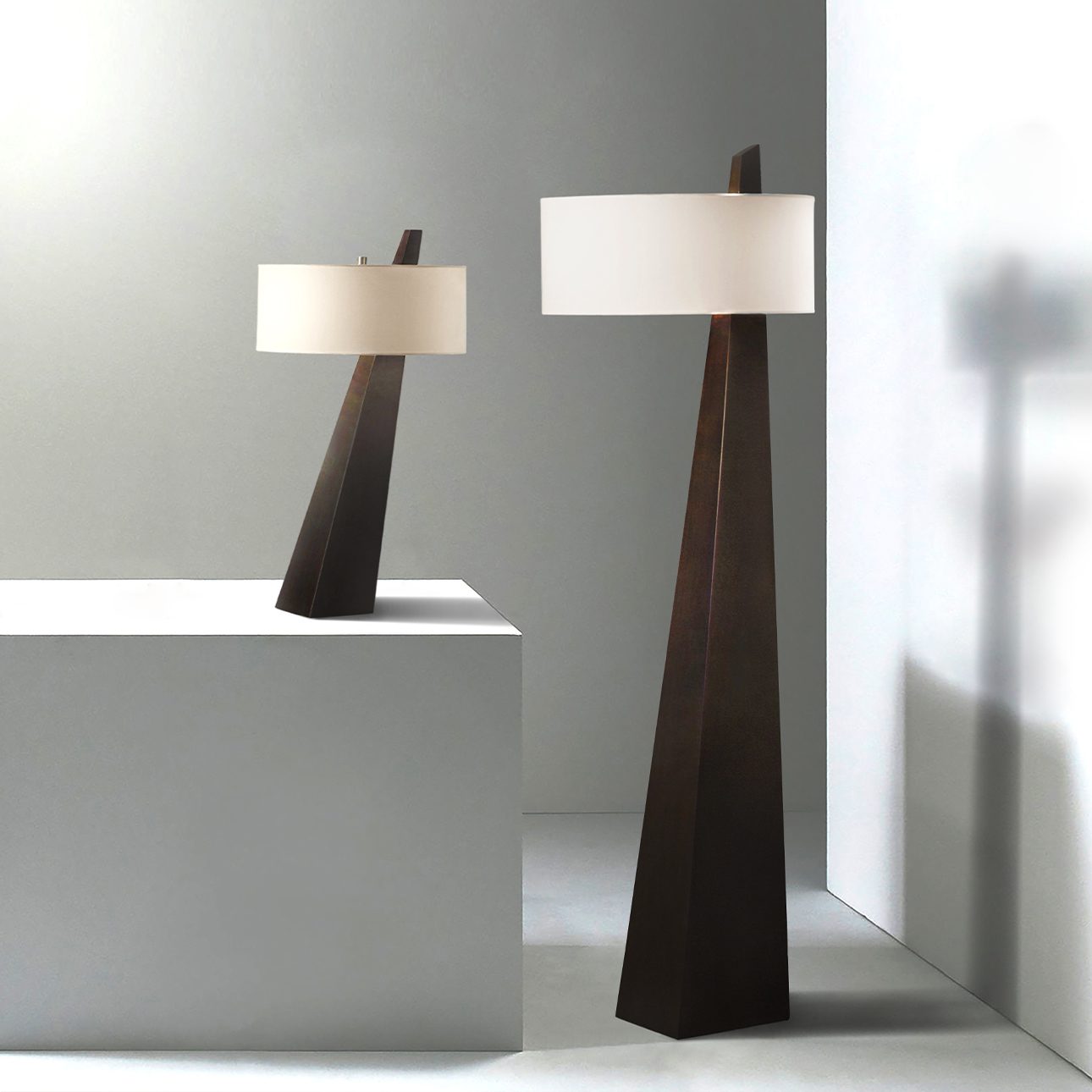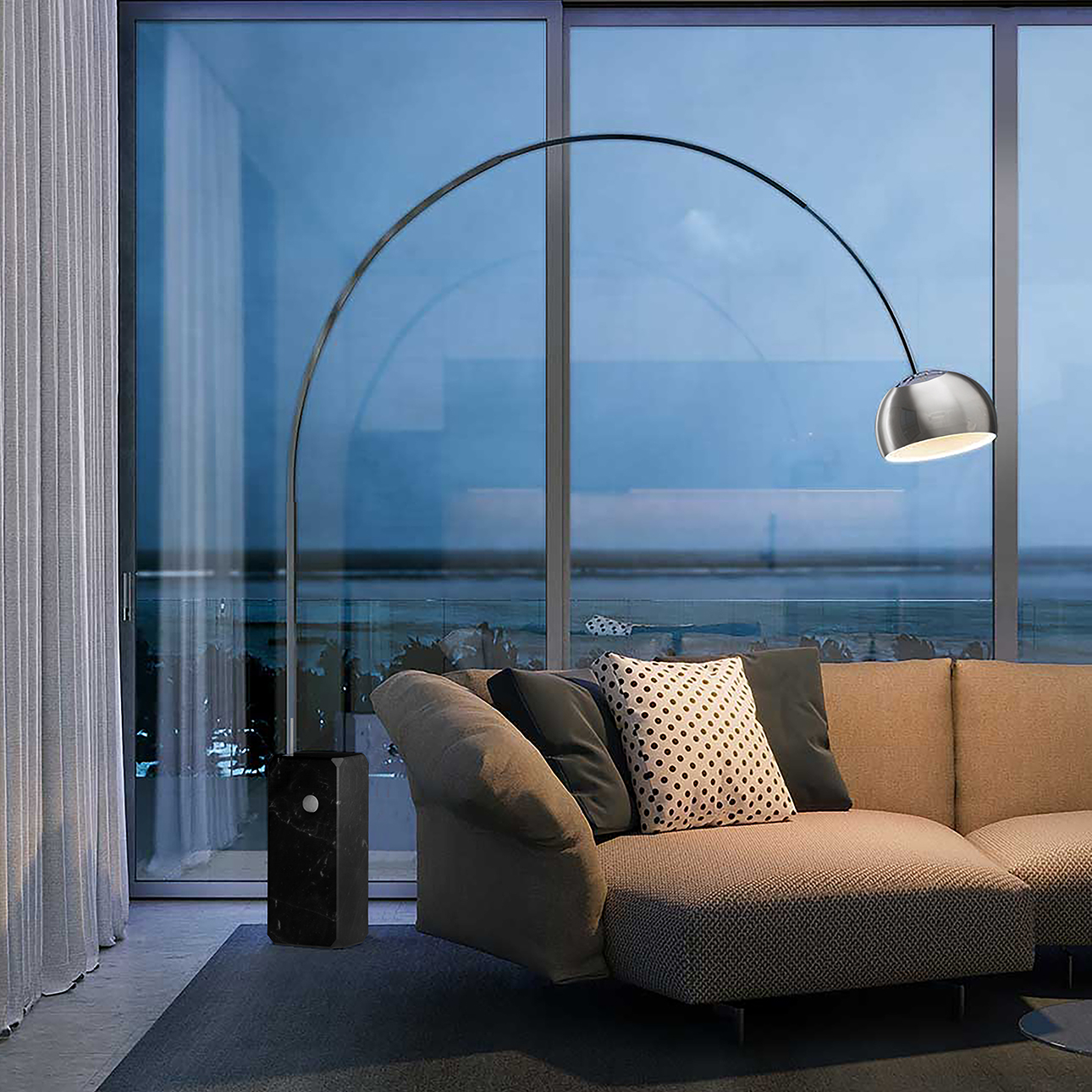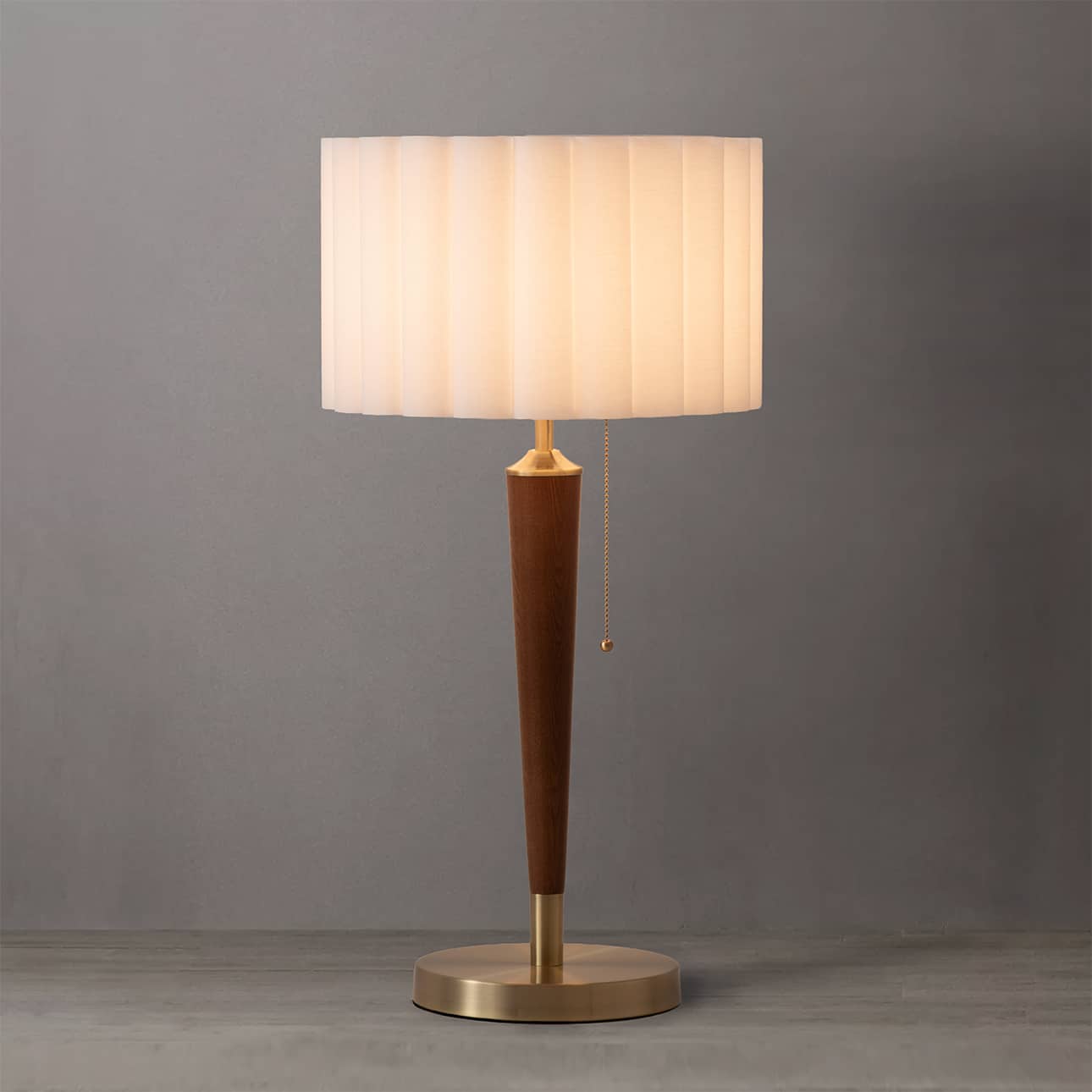
Mid-century modern wall sconces have moved from period pieces to everyday staples in contemporary interiors. Homeowners, designers and collectors are embracing sconces for the way they layer light, create atmosphere and act as sculptural accents that read as furniture rather than mere fixtures. Alongside a renewed interest in authentic mid-century pieces, there is a growing appetite for well made reissues and contemporary lamps that honor the original designs proportions, materials and craftsmanship. Brands with historical provenance and a commitment to quality from boutique makers to legacy firms are seeing rising consumer interest as buyers become more discerning about materials and workmanship.
In this post we will explore the reasons behind the trend, how sconces are being used in modern homes, what buyers look for when they want “true” mid-century modern and why companies with strong design pedigrees matter today.
Why wall sconces and why now?
There are several reasons mid-century sconces/wall lights have reentered the mainstream:
1. Layered lighting is the design language of the moment:
Contemporary interior schemes focus on layered light combining ambient, task and accent sources to create depth. Wall sconces are perfect for adding that intimate, eye level glow that uplifts a hallway, frames a bed, or washes texture across a fireplace wall without the harshness of a single overhead source. Design editors and trend pieces continue to highlight layered lighting as essential, which has brought wall sconces back into the spotlight.
2. They bridge vintage and modern:
Mid-century sconces have clean lines and sculptural profiles that complement modern furniture while also adding warmth and personality. Their proportions often read like small artworks a valuable trait for contemporary open plans that rely on a few carefully chosen focal points rather than cluttered displays.
3. Practicality meets aesthetics:
In many homes, especially renovated period properties or modern apartments without flexible wiring options, wall sconces offer a relatively low impact way to add versatile lighting. Plug in or surface mounted sconces allow renters and homeowners to add sophistication without a major renovation. Source pages and product descriptions for well known makers show how modern production balances classic proportion with installation flexibility.
What “mid-century” means for wall sconces
When people say they want “mid-century” sconces, they usually mean several overlapping things:

Balanced proportions and bold silhouettes
Mid-century designers favored forms that looked engineered clear arcs, discs, discs with arms, conical shades and globes often arranged in asymmetric, visually lively compositions. A sconce that reads as a deliberate geometric composition signals mid-century influence.
Material honesty
Metal, blown glass, walnut accents and brass hardware were common. The finish and how a material ages are part of the design’s appeal.
Functional elegance
These fixtures do more than look good: they were designed to deliver directed or diffused light in an intelligent way, whether for reading, wall washing, or accenting an architectural feature.
Buyers now want all of the above but paired with modern electrical safety, LED compatibility and finishes that endure which is why many are looking to established makers and high quality reissues rather than cheap imitations.
How designers use mid-century sconces today
Sconces are incredibly flexible. Here are common contemporary applications that explain their popularity:
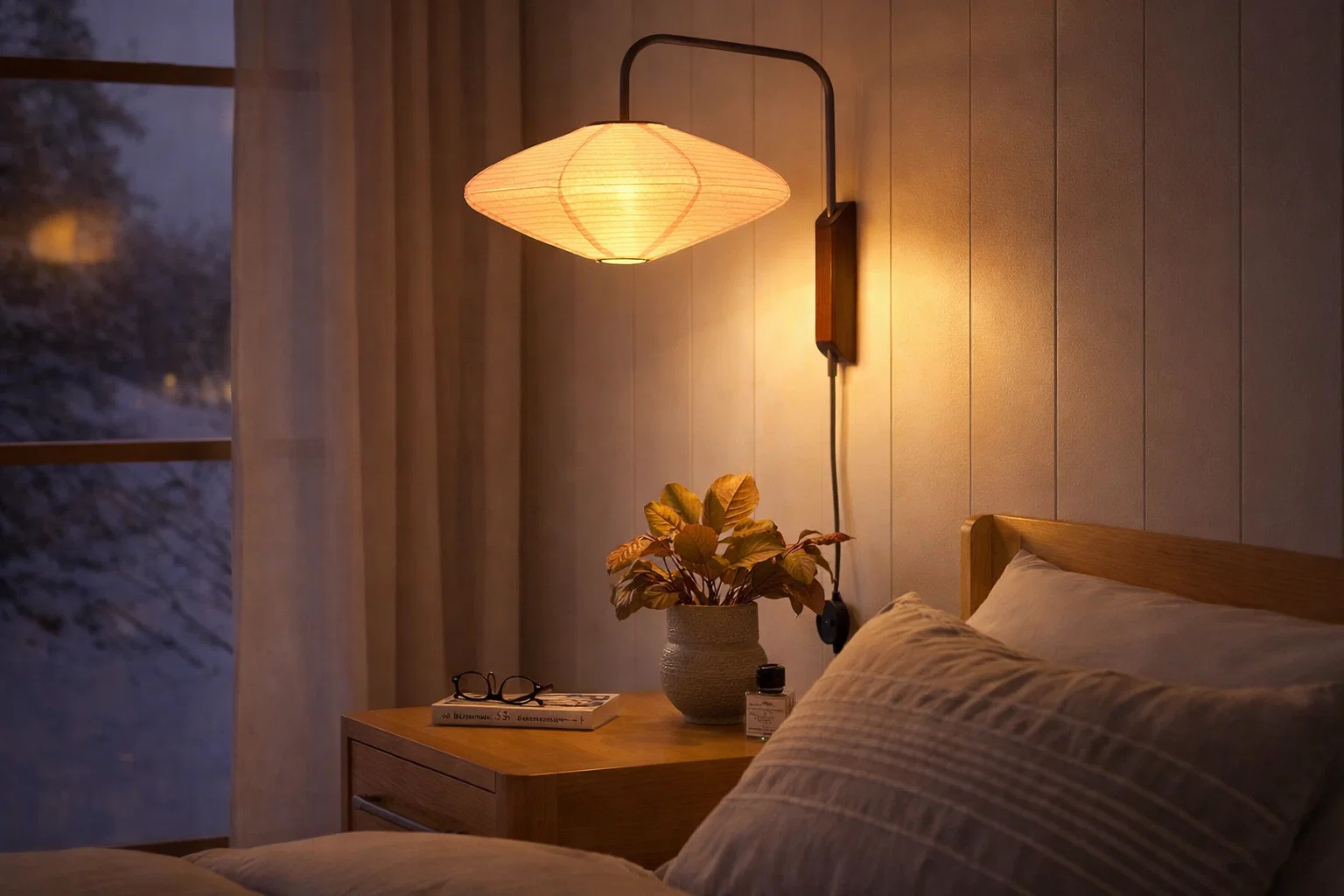
- Flanking and framing: Matching sconces on either side of a mirror, mantle, or bed create symmetry and a composed look. Mid-century sconces with globe or saucer shades produce a flattering, diffuse glow for portraits and rooms.
- Reading and task light: Swing arm or adjustable arm sconces next to a bed or beside a lounge chair provide lit zones for reading without floor lamps.
- Accent and texture lighting: A sconce aimed up or down can wash a textured wall exposed brick, plaster, or fluted wood turning materiality into the room’s star.
- Hallway and stair illumination: Low profile sconces scale well to corridors and stairwells where pendants would be too large or disruptive.
- Layering in open plans: Designers use sconces to define intimate pockets in larger living spaces a sconce at sofa height establishes a conversation area without physical dividers.
These uses demonstrate why interior stylists often pair iconic mid-century sconces with contemporary furnishings: the lights add both function and narrative.
The consumer shift: silhouette vs. authenticity
There are two broad buyer groups in this market:
1. Silhouette buyers
These consumers want the look of mid-century sconces: the globe, the cone, the asymmetry. They are often price sensitive and comfortable buying contemporary, silhouette based items from mass retailers. This is fine for disposable quality products to be used in dorm rooms or for temporary remodels.
2. Authenticity buyers.
These customers seek the real thing: original pieces, licensed reissues, or contemporary products made with the same attention to scale, proportion and materials as classics. They care about maker provenance, construction details (how a shade is joined, how an arm pivots) and the tactile quality of finishes. For this segment, investing in a high quality piece is not just about lighting it’s buying an heirloom. Many of the major design houses and heritage lighting brands cater to this market.
Why brand pedigree and craftsmanship matter
When buyers cross the line from “I want the look” to “I want the real thing,” three factors consistently matter:

Materials:
Authentic mid-century pieces and well made reissues use robust metals, hand formed glass and quality fasteners. These materials age gracefully and often patina in ways that add to the object’s story.
Attention to detail:
Look for crisp seams, secure joints and finishes that are applied with care (brushed, plated, or lacquered with even coverage). Details like precision threaded parts, replaceable sockets and quality wiring indicate a product designed for longevity.
Design fidelity:
Reissues or contemporary pieces that respect the original designer’s proportions the overhang of a shade, the radius of an arm, the weight distribution in an articulated mount simply look and perform better. Cheap copies can feel flimsy or out of scale, which reveals themselves quickly once installed.
Heritage companies and design driven manufacturers make this difference explicit in product descriptions and build notes; buyers increasingly consult brand pages and authorized retailers to verify provenance and specs. For example, long standing lighting firms highlight both their design history and contract grade materials to reassure authenticity seeking customers.
Notable makers and what they bring to the table
There’s renewed interest in companies with design credibility both as reassurance of authenticity and because their pieces often combine vintage ethos with modern manufacturing standards.
- Nova of California A heritage lighting company known for original mid-century designs and a catalogue that balances handcrafted details with accessible price points. Many of their wall pieces emphasize bone porcelain, walnut wood or linen shades and thoughtful mounting systems that suit both historic and modern interiors.
- Louis Poulsen — A Danish maker celebrated for designs that marry Scandinavian simplicity with precise optical control. Louis Poulsen wall lamps provide considered diffusion and sculptural silhouettes that blend seamlessly into contemporary schemes while staying true to modernist principles. Their catalog of wall lighting is often referenced by designers for its balance of form and function.
- Herman Miller — While best known for furniture, Herman Miller’s lighting offerings (including licensed or revived pieces by mid-century designers) bring trusted design provenance to homeowners who want museum quality silhouettes paired with modern safety and finishes. Their wall sconce offerings nod to classic Nelson designs and other mid century icons.
Each of these names signals something to buyers: a commitment to design history, rigorous manufacturing and a product that will last all qualities consumers are more willing to pay for now than in previous decades.
Choosing a sconce: a buyer’s checklist
If you are shopping for a mid-century modern wall sconce with an eye toward quality, here is a practical checklist:
- Measure twice. Consider height above furniture and how the sconce’s scale relates to the wall and nearby objects.
- Inspect materials. Prefer solid metal hardware, hand formed glass or quality ceramic shades and finishes that are baked or plated rather than cheaply painted.
- Check the mounting system. A secure mounting plate, accessible junction box compatibility and clear installation instructions are signs of professional design.
- Ask about bulb compatibility. LED friendly designs with recommended lumen and color temperature ranges will perform better long term.
- Look for replaceable parts. Can you swap the shade, replace the socket, or access the wiring? Longevity depends on serviceability.
- Verify provenance. If authenticity matters, ask for designer attribution or a maker’s mark. Reputable retailers typically list these clearly.
Styling tips for modern interiors
- Bedroom: Mount sconces low on each side of the bed for reading light; look for dimmable options so the fixture works for both late night pages and ambient mood.
- Bathroom: Use pairings that flank mirrors; choose IP rated fixtures or those explicitly rated for damp locations.
- Hallway: Stagger a series of small sconces to create rhythm and a soft guiding light.
- Living room: Use a statement sconce to anchor an art wall or to highlight a textured surface. Pair with a floor lamp or pendant for layered illumination.
- Entryway: A single sconce beside a console and mirror can make compact spaces feel curated rather than crowded.
In each application, respect scale: a sconce should interact with the eye level of the furniture and the proportions of the wall, not fight them.
The long view: lighting as investment
What is changed in the last five to ten years is a consumer willingness to think of lighting as a long term investment. Rather than swapping cheap fixtures annually, many people now prefer to buy fewer, better pieces that age well and can travel with them from home to home. This attitudinal shift is one reason why authentic mid-century designs and high quality reissues have regained traction: they promise durability, timelessness and a design story that matters.
Mid-century modern wall sconces have earned their contemporary revival because they do more than light a room they shape it. With a silhouette that reads as sculptural art and the practical ability to layer light at eye level, these fixtures are uniquely suited to the needs and tastes of today’s homeowners. For consumers who value authenticity and craftsmanship, buying from heritage manufacturers and design houses offers reassurance that a sconce will perform visually and practically for years to come. Whether you are outfitting a modern loft, a renovated bungalow, or a compact apartment, a thoughtfully chosen mid-century sconce can be the small but decisive element that elevates the whole space.