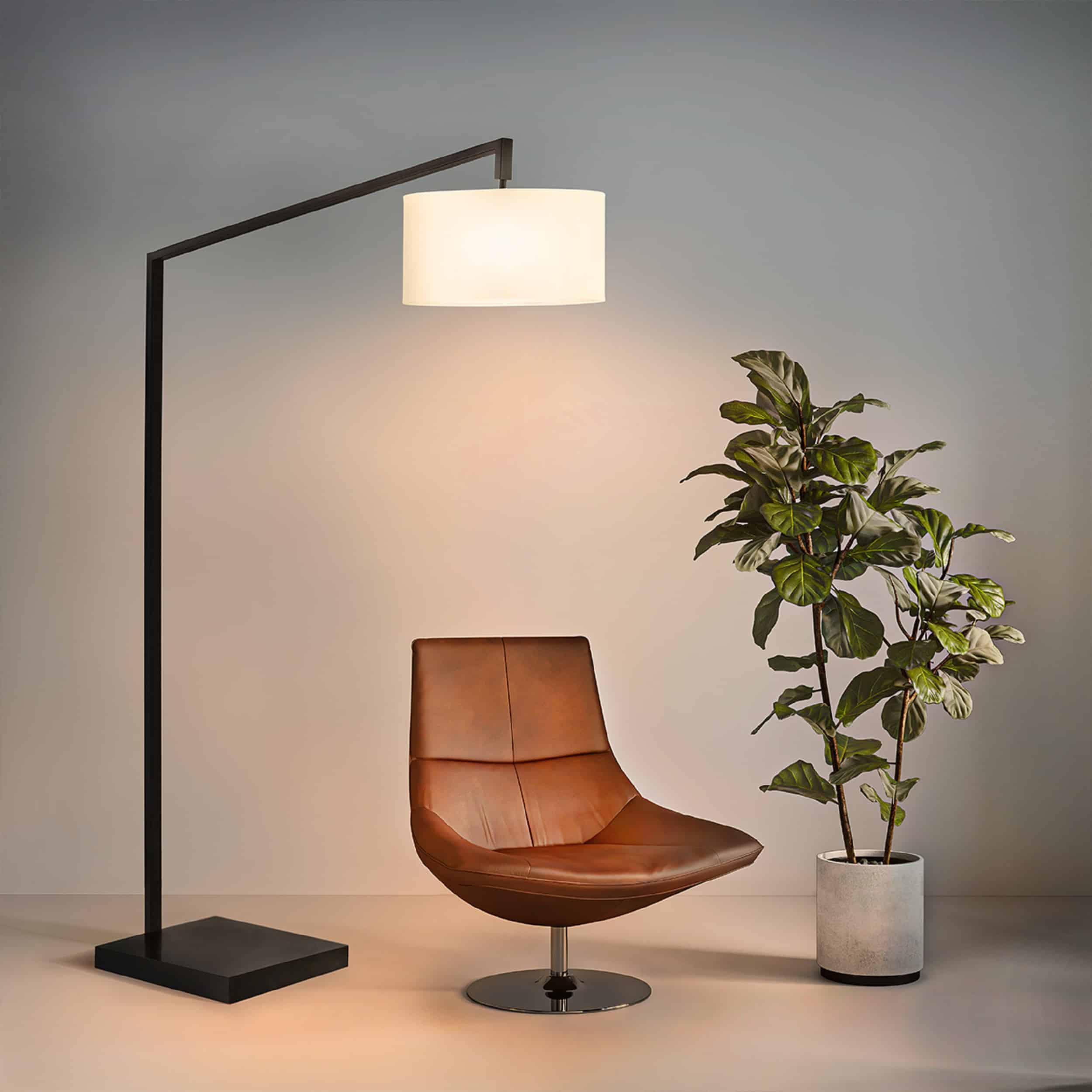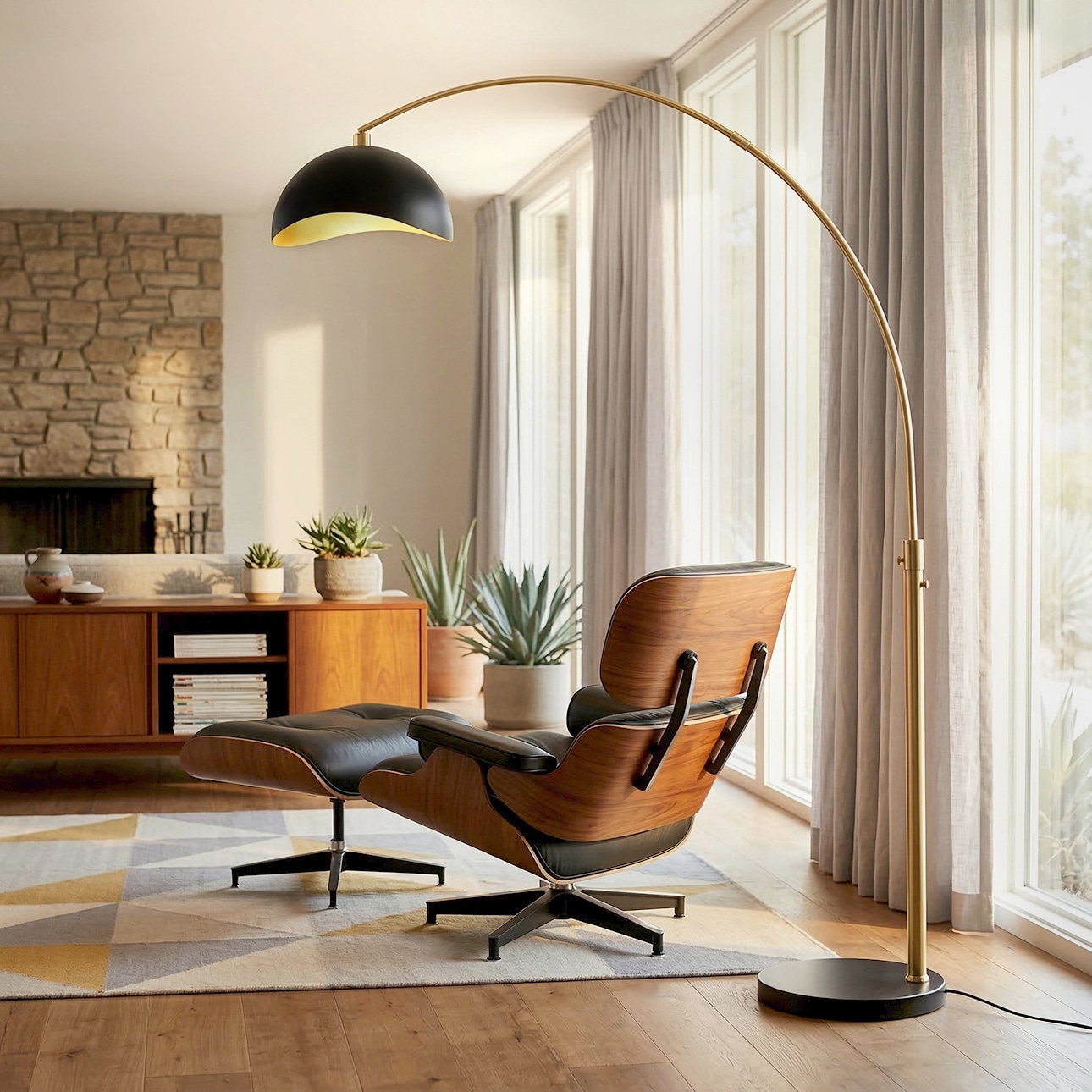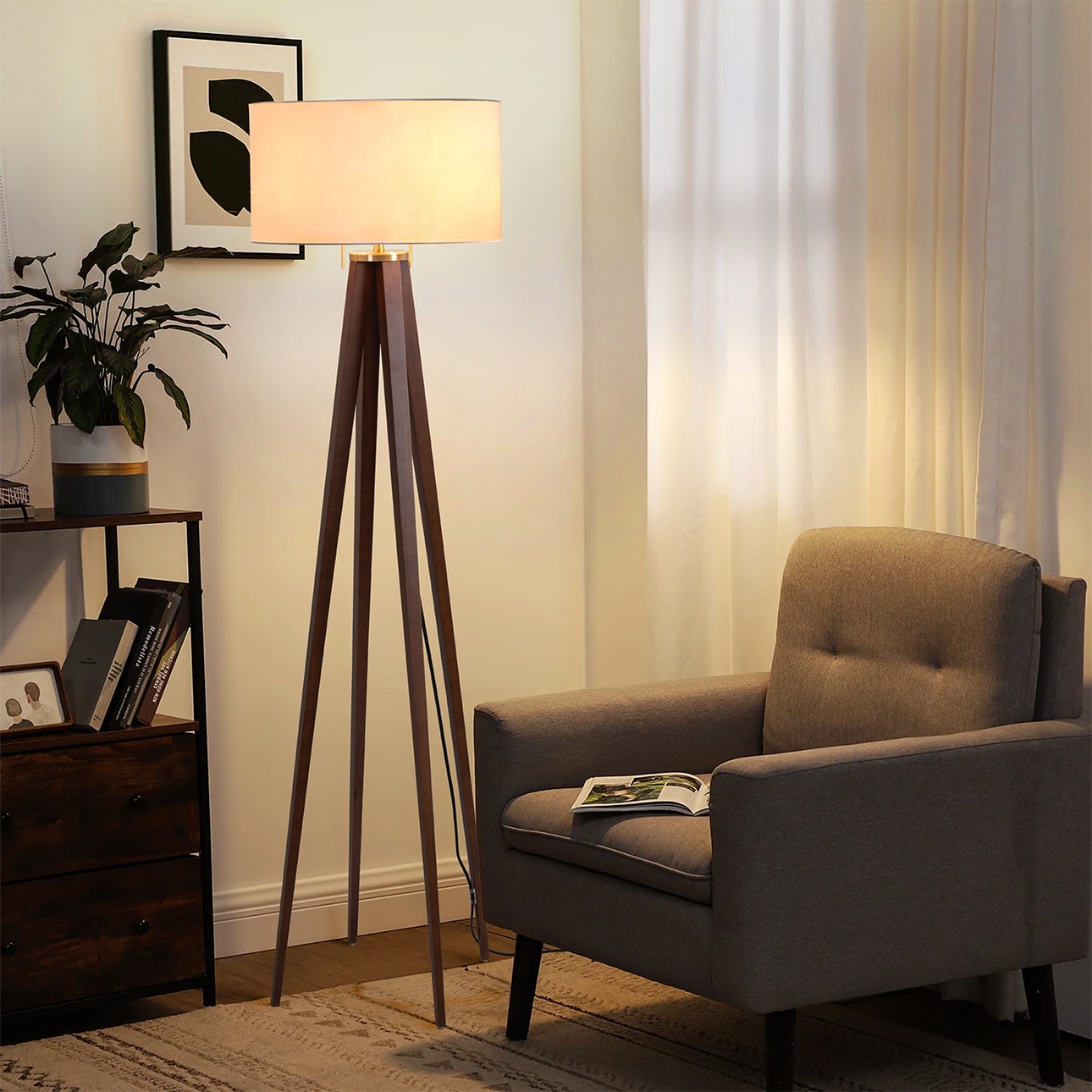
Your living room sets the mood for your entire home. The right living room lamps don’t just light a space, they shape how it feels. Warm, layered lighting turns an ordinary room into a place people actually want to stay.
At Nova of California, we’ve spent years helping homeowners across the USA find lamps that match their style, their space, and their daily routines. This guide walks you through everything you need to know before making a choice.
Why Living Room Lamps Matter More Than You Think
Most people underestimate lighting. They install one overhead fixture and call it done. But overhead lighting casts harsh, flat light that wipes out warmth and dimension. Living room lamps fill in what ceiling lights can’t.
Good lamp placement creates layered lighting, which interior designers consistently rank as one of the top factors in a cozy, inviting space. Think about how a coffee shop feels versus a hospital waiting room. That difference is almost entirely lighting.

The Three Layers of Living Room Lighting
Ambient lighting is your base layer. It fills the room with general, even light. A tall floor lamp or a torchiere pointed upward works well here.
Task lighting focuses on a specific activity. Reading chairs, home office corners, and craft areas all benefit from a directional table lamp or an arc lamp positioned overhead.
Accent lighting adds depth and personality. A buffet lamp on a console table or a small table lamp beside a bookcase creates visual interest and warmth.
When you combine all three, your living room instantly feels more intentional and more comfortable. That’s the goal.
Types of Living Room Lamps and When to Use Each
Floor Lamps for Living Rooms
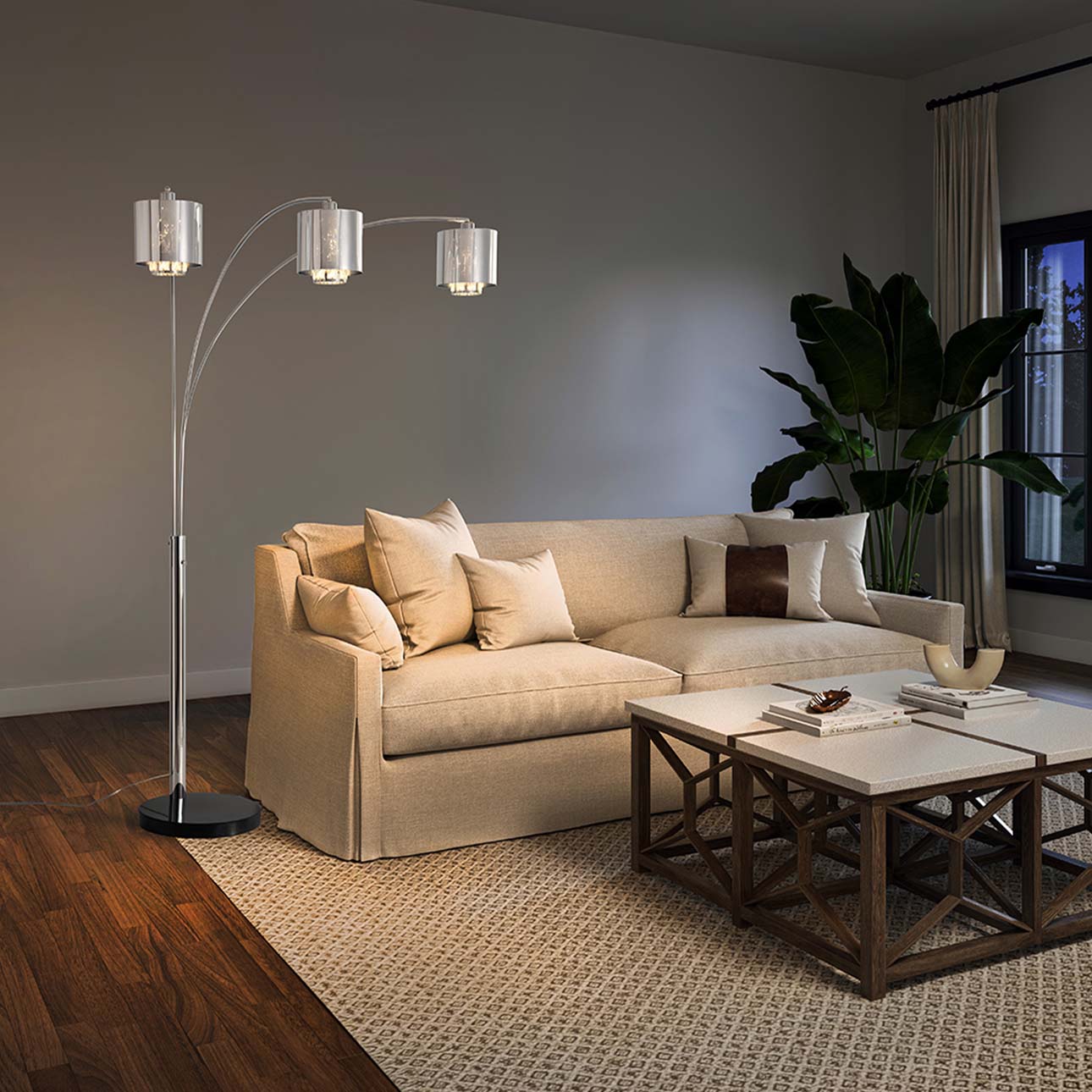
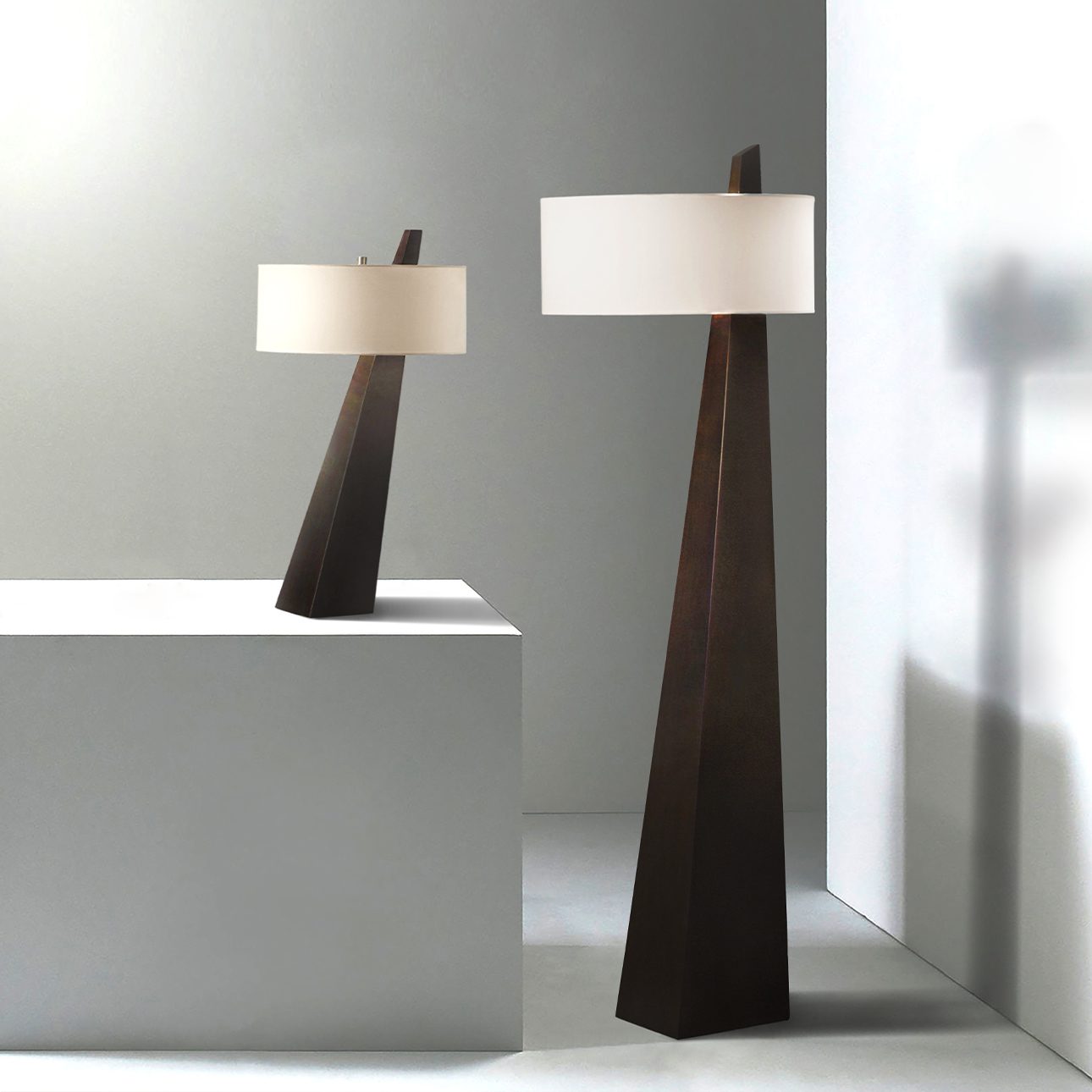
Floor lamps are the workhorses of living room lighting. They stand independently, require no table space, and deliver strong ambient or task light depending on the shade direction. I’ve seen them transform dark corners into the coziest reading nooks in minutes.
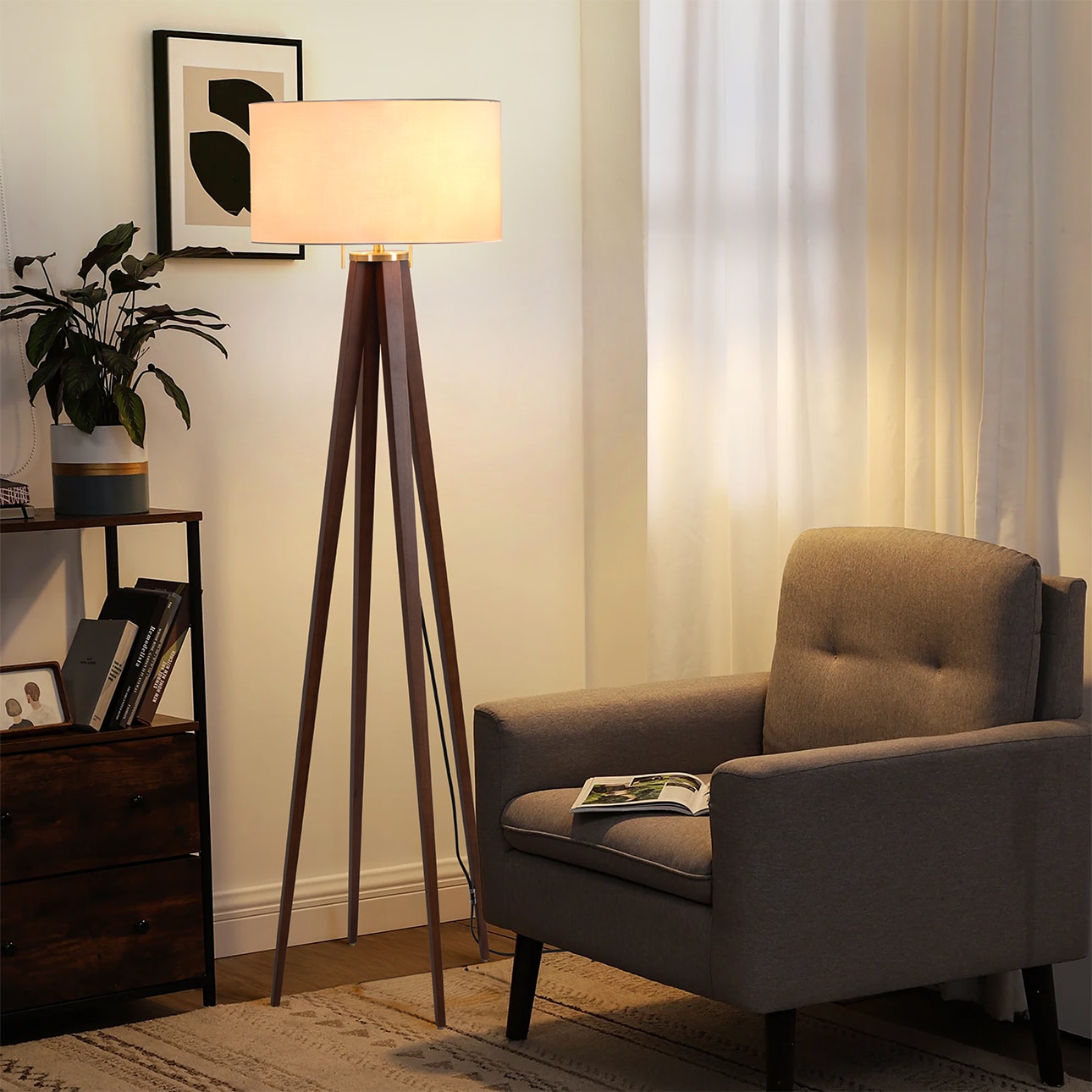
A shaded floor lamp with a warm-white bulb works beautifully beside a sofa or armchair. Nova of California’s floor lamp collection uses durable metal bases with fabric and glass shades designed specifically for warm, residential-grade light output.
Best placement for floor lamps
Place a floor lamp behind and slightly to the side of your main seating area. This angle reduces glare and creates a soft glow that wraps around the space. Avoid centering it directly behind someone’s head, which creates a spotlight effect.
Table Lamps for Living Rooms
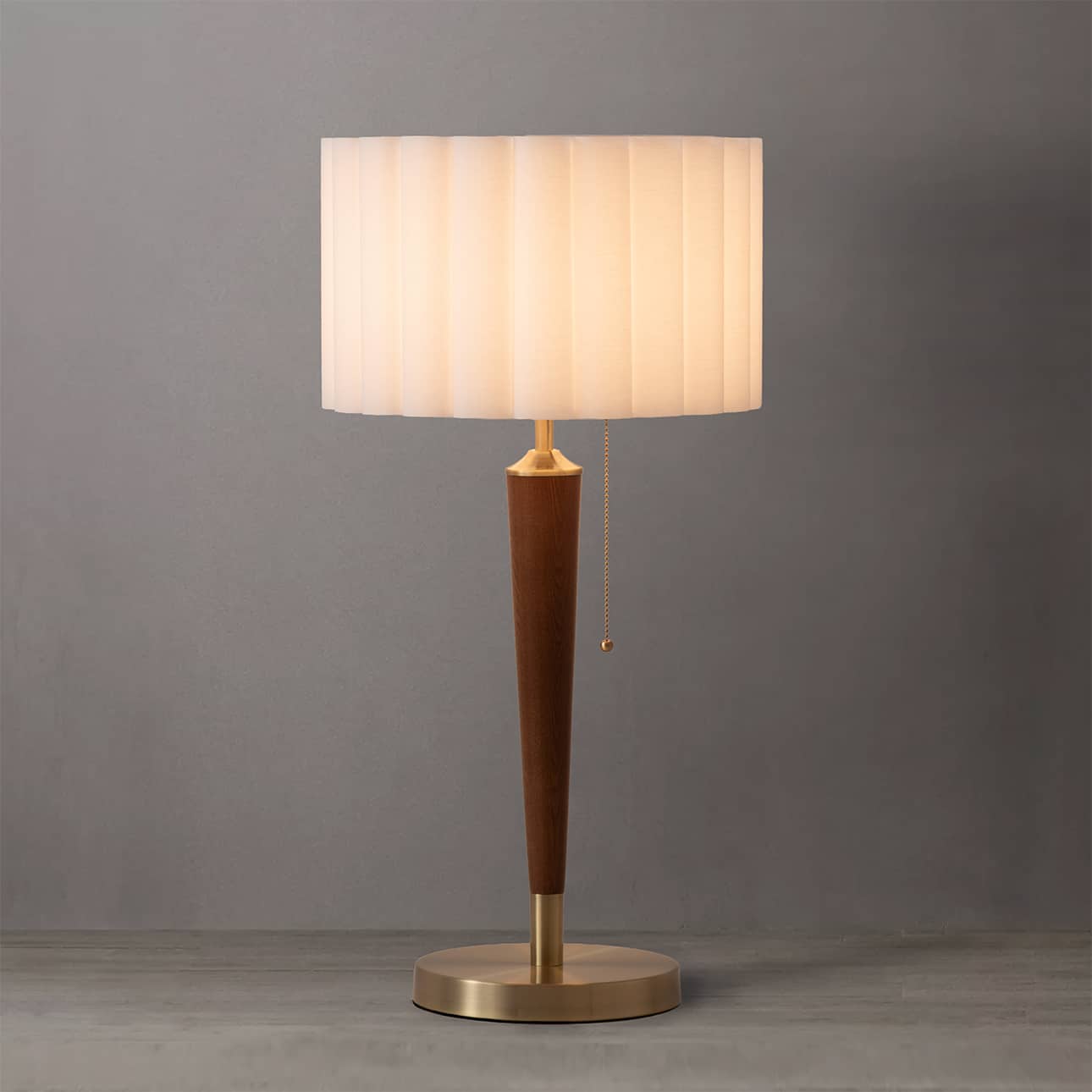
Table lamps are the most versatile option. They sit on side tables, console tables, and bookshelves, adding both light and decorative value. A matched pair of table lamps on either side of a sofa creates symmetry and elegance.
For example, placing two identical Nova of California ceramic table lamps with linen shades on matching end tables gives a living room a pulled-together, finished look without a full redesign. It’s one of the simplest ways to elevate a space.
Choosing the right table lamp height
The bottom of the lampshade should sit roughly at eye level when you’re seated. For most sofas and chairs, that’s about 58 to 64 inches from the floor to the top of the shade. A lamp that’s too tall or too short throws off the visual balance of the room.
Arc Lamps for Living Rooms
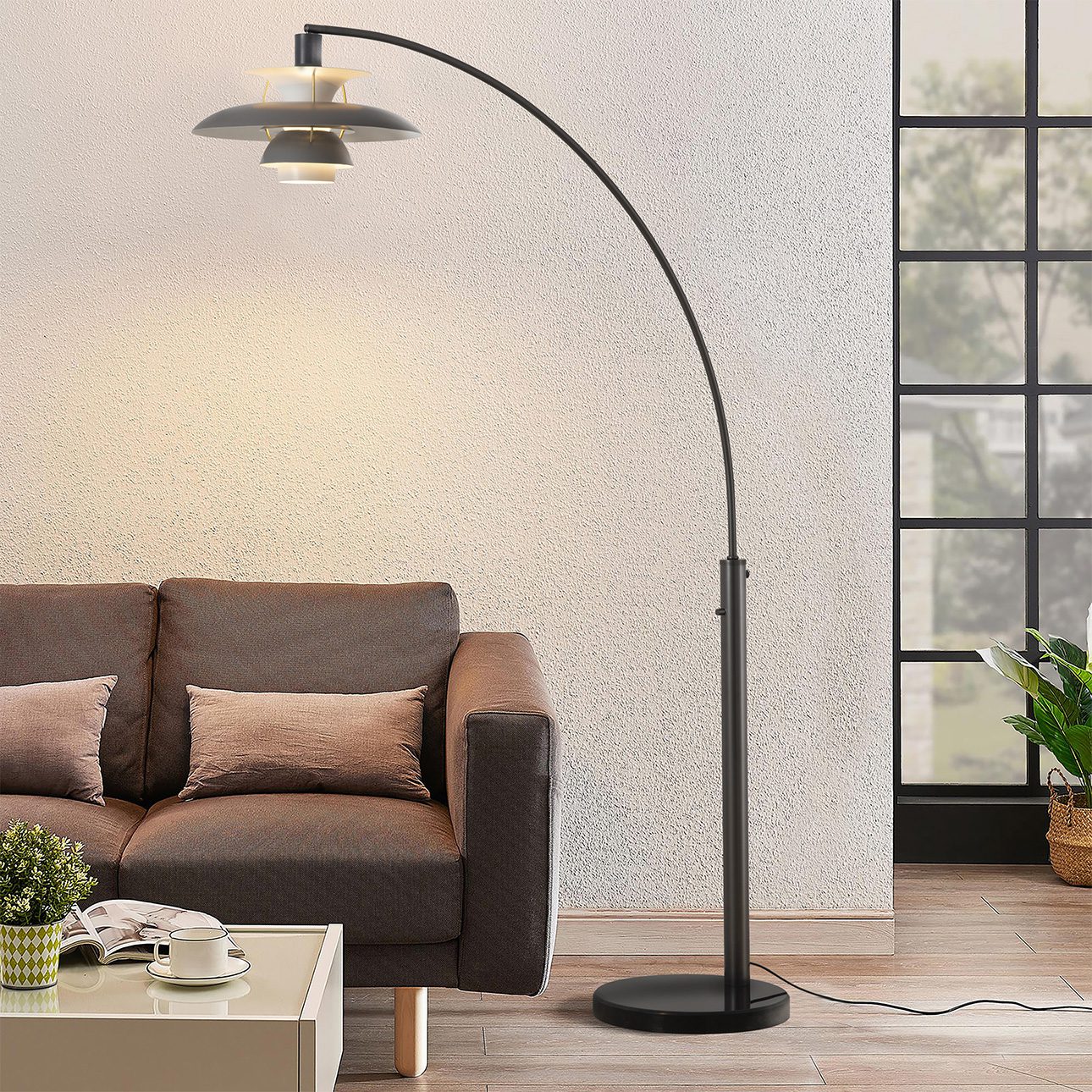
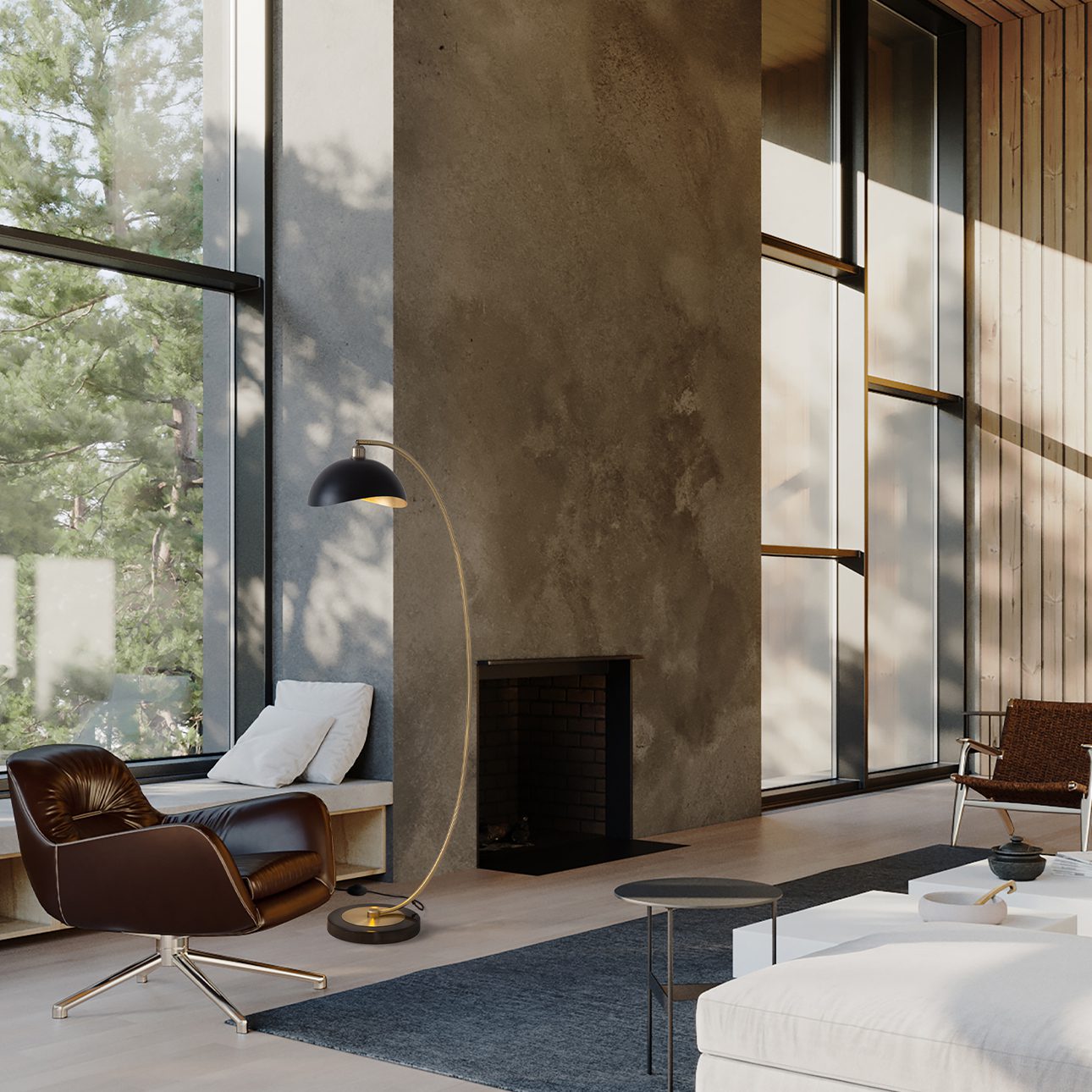
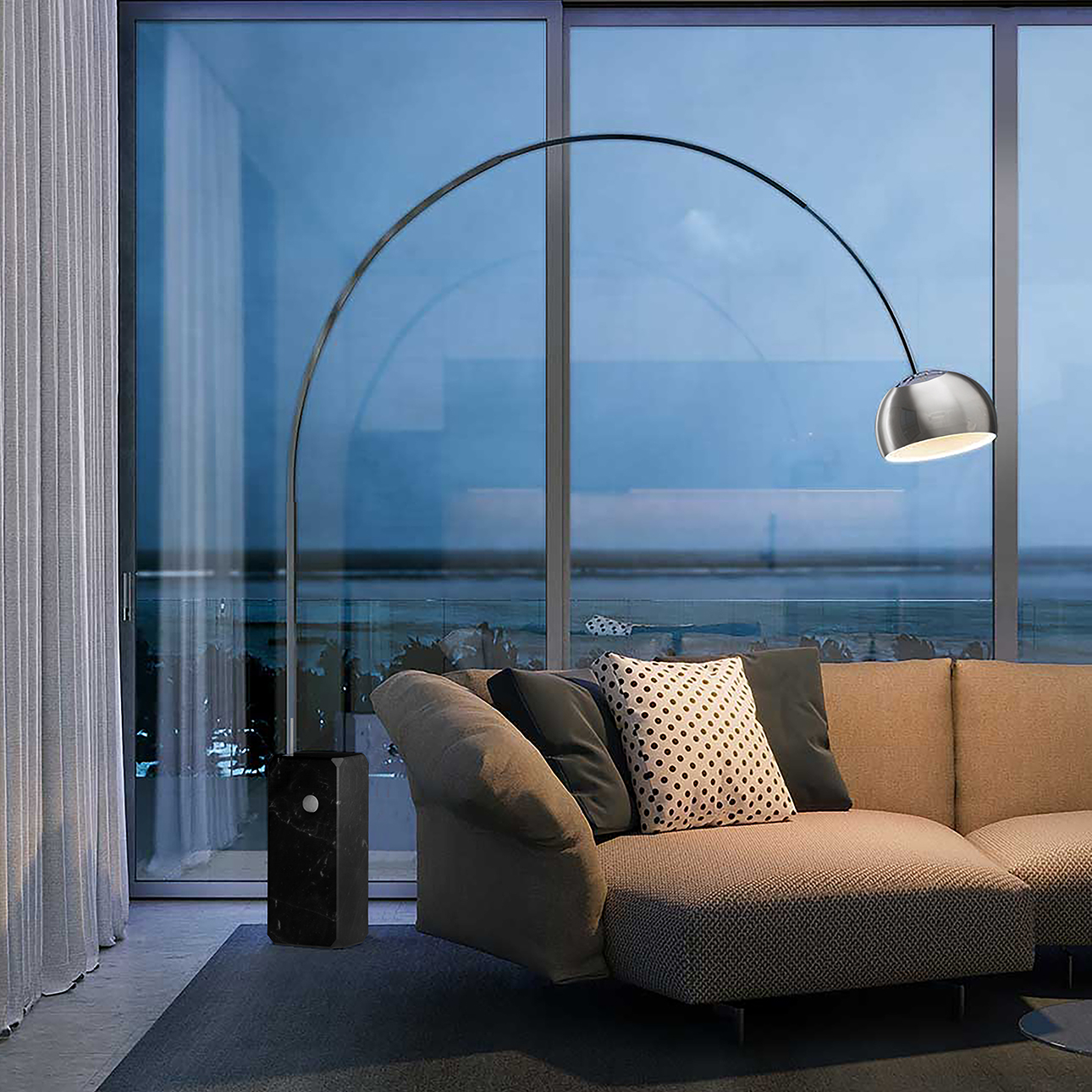
Arc lamps extend out over furniture, delivering overhead light without a ceiling fixture. They’re ideal for living rooms where you want task lighting above a reading chair or a soft pool of light over a coffee table. The swooping silhouette also adds a sculptural element.
Modern arc lamps come with marble bases for stability and adjustable arms for reach. Nova of California’s arc lamp designs use weighted bases that keep the lamp steady even with the arm fully extended, which is a detail that matters more than most people realize until they’ve dealt with a wobbly one.
Torchiere Lamps
Torchieres direct light upward, bouncing it off the ceiling to create soft, diffused ambient light. They’re great for living rooms with low ceilings or spaces where direct lighting feels too harsh. A dimmer switch on a torchiere gives you full control over mood.
Buffet and Accent Lamps
These narrower, taller lamps fit console tables, hallways, and shelving. They’re less about illumination and more about warmth and visual interest. A pair of slim buffet lamps on either side of a TV console adds balance and softens the hard edges of electronics.
Living Room Lamp Types at a Glance
Use this table to quickly compare options based on your needs and room setup.
| Lamp Type | Best For | Light Output | Style Fit | Price Range |
| Floor Lamp | Reading, ambient glow | High | Modern, Traditional | $40 – $300 |
| Table Lamp | Side tables, accent light | Medium | All styles | $25 – $200 |
| Arc Lamp | Over sofa, task light | High | Mid-century, Minimalist | $60 – $350 |
| Torchiere Lamp | Upward ambient light | Very High | Contemporary | $50 – $250 |
| Buffet Lamp | Console, narrow spaces | Low-Medium | Traditional, Glam | $30 – $180 |
How to Choose the Right Living Room Lamp

Match the Lamp Scale to Your Room Size
Scale is everything. A tiny table lamp in a large, open living room disappears. A towering floor lamp in a small apartment feels oppressive. Before buying, measure your ceiling height, your furniture dimensions, and the space where the lamp will sit.
For rooms with 8-foot ceilings, lamps between 58 and 64 inches tall work well for floor lamps. Rooms with 9 or 10-foot ceilings can handle taller, more dramatic pieces. Nova of California offers lamps in a range of heights precisely because one size does not fit every American home.
Choose a Color Temperature That Supports the Room’s Mood
Color temperature is measured in Kelvin. Bulbs around 2700K to 3000K produce warm, amber-tinted light. That’s the range that feels cozy, relaxed, and residential. Bulbs at 4000K and above lean cool and blue, which is better suited to offices or kitchens.
For a living room, I’ll always recommend staying under 3000K. It’s a small detail that makes a large difference in how comfortable and inviting the room feels after dark.
Consider Your Interior Design Style
Your lamp should look like it belongs, not like it wandered in from another room. Here’s a quick reference by style:
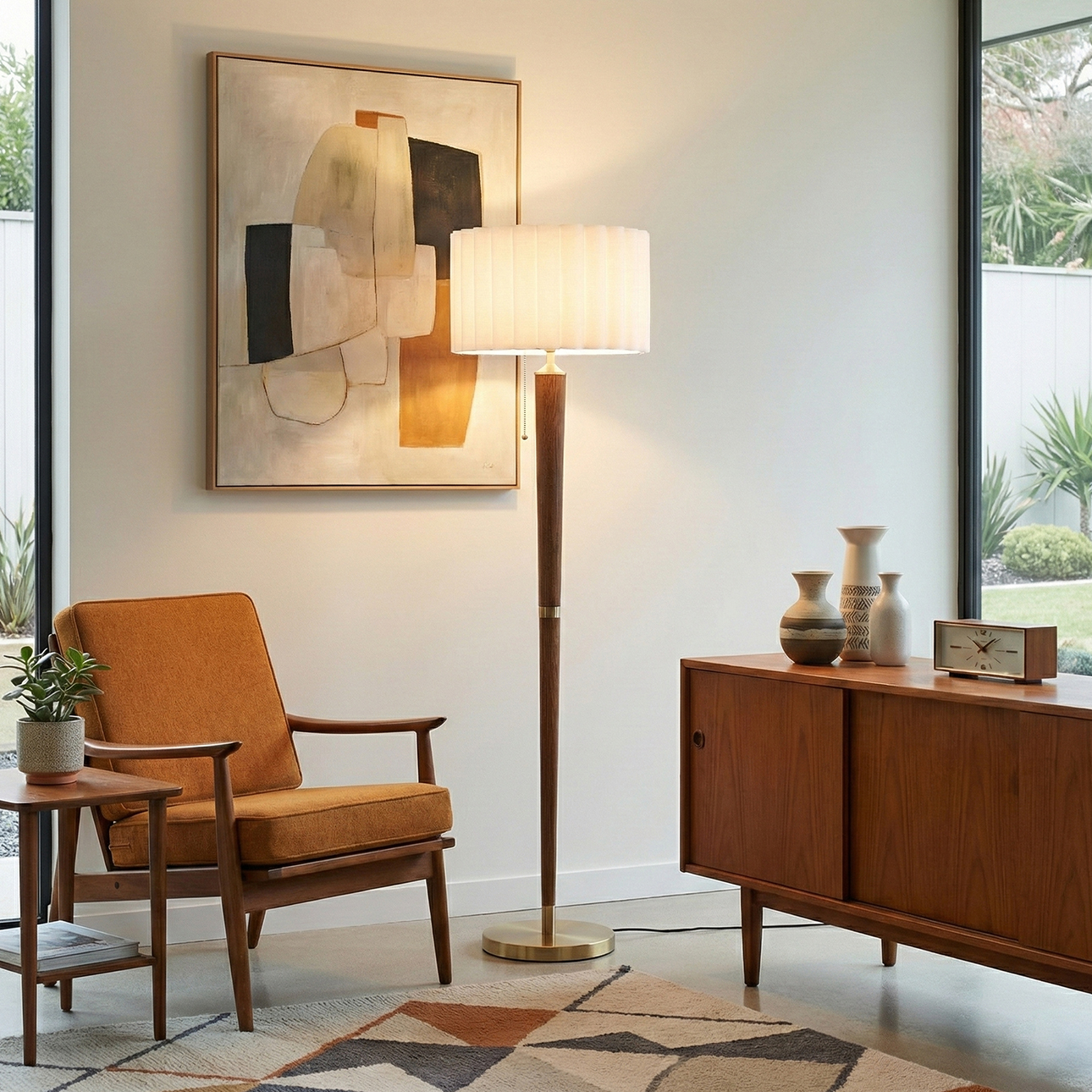
Mid-century modern: Tripod floor lamps, walnut wood accents, dome shades.
Contemporary: Sleek metal arc lamps, matte black finishes, geometric silhouettes.
Traditional: Turned column bases, pleated fabric shades, brass or bronze tones.
Farmhouse or coastal: Woven rattan shades, white ceramic bases, linen fabric.
Glam or transitional: Crystal or glass bases, polished nickel, drum shades.
Nova of California designs lamps across all these categories, so whether you’re furnishing a craftsman bungalow in Portland or a beachside condo in Miami, there’s a lamp that fits the aesthetic naturally.
Think About Functionality, Not Just Looks
A beautiful lamp that’s hard to use is a frustrating lamp. Check for USB charging ports if you frequently charge devices from your seat. Look for built-in dimmers if you want lighting flexibility without adding a wall switch. Consider swing-arm or adjustable designs if you read next to the lamp regularly.
Nova of California builds functional features into lamp design without compromising the look. It’s the kind of thoughtful detail that makes a lamp feel like a long-term investment rather than just a decorative purchase.
Living Room Lamp Placement Tips That Actually Work

The 30-60-10 Lighting Rule
Interior designers often use the 30-60-10 rule for room lighting. Roughly 60 percent of the light should come from ambient sources, 30 percent from task lighting, and 10 percent from accent lamps. Apply this to your living room and you’ll immediately notice a more balanced, layered effect.
Avoid Lighting Mistakes Most Homeowners Make
Too many bare bulbs: Always use shaded lamps in a living room. Bare bulbs create glare that feels harsh and makes the space uncomfortable.
Placing lamps too high: A lamp that sits above eye level when you’re seated will shine directly into your eyes. Lower is almost always better.
Using only one light source: A single overhead light or a single lamp creates flat, unflattering light. Layer your sources.
Ignoring corners: Dark corners make a room feel smaller. A small table lamp or even a plug-in sconce in a corner adds depth and perceived square footage.
Use Dimmers to Control the Mood
Dimmable lamps change everything. At full brightness during the day, a floor lamp supplements natural light. In the evening, dialed back to 40 percent, that same lamp creates a warm, intimate atmosphere. Nova of California’s dimmable floor lamps and table lamps work with standard in-line dimmers and most smart home systems.
Nova of California Living Room Lamps: What Sets Them Apart
Nova of California has built a reputation in the USA lighting market for combining thoughtful design with dependable quality. Their living room lamp collection draws on California’s natural light aesthetic, clean lines, and a strong preference for materials that age well.
Design Philosophy
Nova of California lamps aren’t designed to shout. They’re designed to complement. The finishes, proportions, and shade materials are chosen to work with real furniture and real rooms, not just with styled photoshoots. That’s a meaningful distinction when you’re buying for your actual home.
Material Quality
The brand uses solid metal bases, hand-blown glass accents, and tightly woven fabric shades that hold their shape and color over time. Cheaper lamps often yellow or warp within a year. Nova of California’s materials are selected for longevity, which matters when you’re buying a piece you’ll look at every day.
Range and Availability in the USA
Nova of California ships across the contiguous United States with fast turnaround times. Their catalog includes floor lamps, table lamps, arc lamps, torchieres, and buffet lamps in a wide range of finishes and styles. They also offer replacement shades and spare parts, which is something most budget lamp brands simply don’t provide.
Real Examples: Living Room Lamp Setups That Work

The Classic Reading Corner
Place a Nova of California 60-inch shaded floor lamp behind a reading chair, angled slightly inward. Add a small table lamp on the side table beside the chair. Use warm-white 2700K bulbs in both. The result is a warm, layered reading nook that feels intentional and comfortable without being overdone.
The Modern Minimalist Living Room
An arc lamp in matte black positioned over a low-profile sofa delivers overhead light without a ceiling pendant. Pair it with one slim table lamp on a credenza in the same finish. Keep everything else uncluttered. The result is a room that looks designed but not fussy.
The Open-Plan Living and Dining Space
In an open floor plan, living room lamps define zones. A tall torchiere near the seating area creates a visual anchor for the living space. Two matching table lamps on a console table at the boundary between dining and living reinforce the separation while keeping the space connected. It’s a practical trick that works in nearly every open-plan American home.
Frequently Asked Questions
Here are the most common questions we receive about choosing, placing, and using living room lamps.
What type of living room lamp gives the coziest light?
Warm-white bulbs (2700K–3000K) in floor or table lamps create the coziest and most welcoming glow. Fabric shades and shaded torchieres help soften and diffuse the light for a comfortable atmosphere.
How many lamps does a living room need?
Most living rooms work best with three light sources: one ambient lamp for overall lighting, one task lamp for reading or focused activities, and one accent lamp to add style and depth.
What wattage is best for living room lamps?
For general ambient lighting, 60–100W equivalent LED bulbs are ideal. Reading and task lighting usually benefit from 75–100W equivalent bulbs. Dimmable LEDs offer the most flexibility for brightness control.
Are floor lamps or table lamps better for small living rooms?
Slim floor lamps, torchieres, and arc lamps are excellent for smaller living rooms because they save table space while providing broad illumination. Table lamps are a good choice when side tables are already part of the layout.
What lamp style suits a modern living room?
Modern living rooms often feature minimalist floor lamps, geometric table lamps, and sleek arc lamps. Popular finishes include matte black, brushed brass, and chrome for a clean contemporary look.
Can Nova of California lamps be used with smart bulbs?
Yes. Most lamps from Nova of California are compatible with standard E26 smart bulbs, making it easy to control brightness and color temperature through smart home systems or mobile apps.
Final Thoughts on Choosing the Best Living Room Lamps
Great living room lamps don’t require a big budget or an interior designer. They require a little knowledge about scale, color temperature, and layering, and a brand that builds lamps worth keeping. Nova of California checks that box consistently.
Whether you’re refreshing a room you’ve lived in for years or furnishing a new home from scratch, the right lamps are one of the highest-return investments you can make in your space. They’re functional, they’re decorative, and when chosen well, they make every hour at home feel a little better.