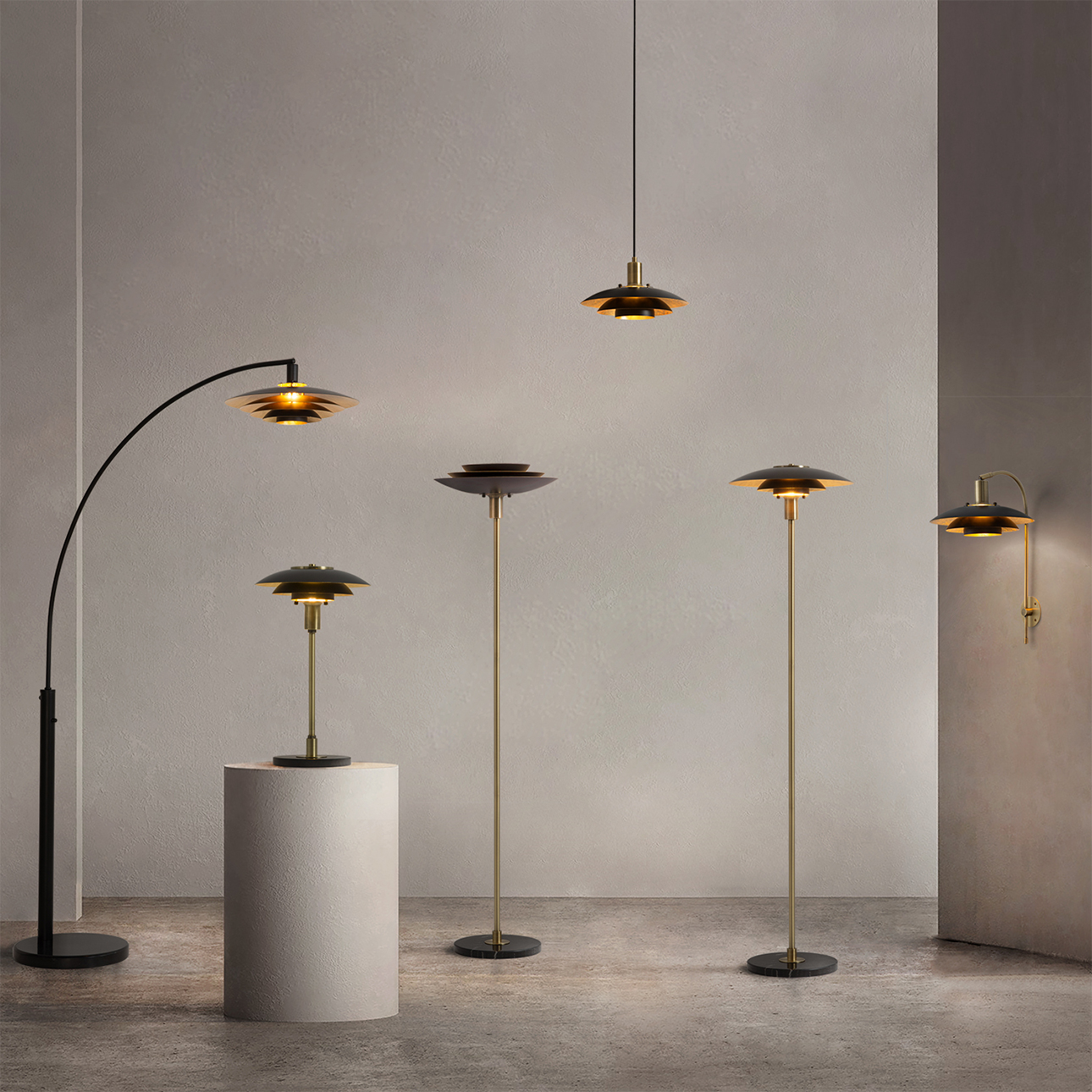


If you have ever tried to read in a dimly lit room and ended up with a headache, you already know how critical good lighting for reading room spaces truly is. The right light does not just help you see the words on the page; it sets the entire mood of the room, reduces eye strain and makes your reading sessions something you actually look forward to.
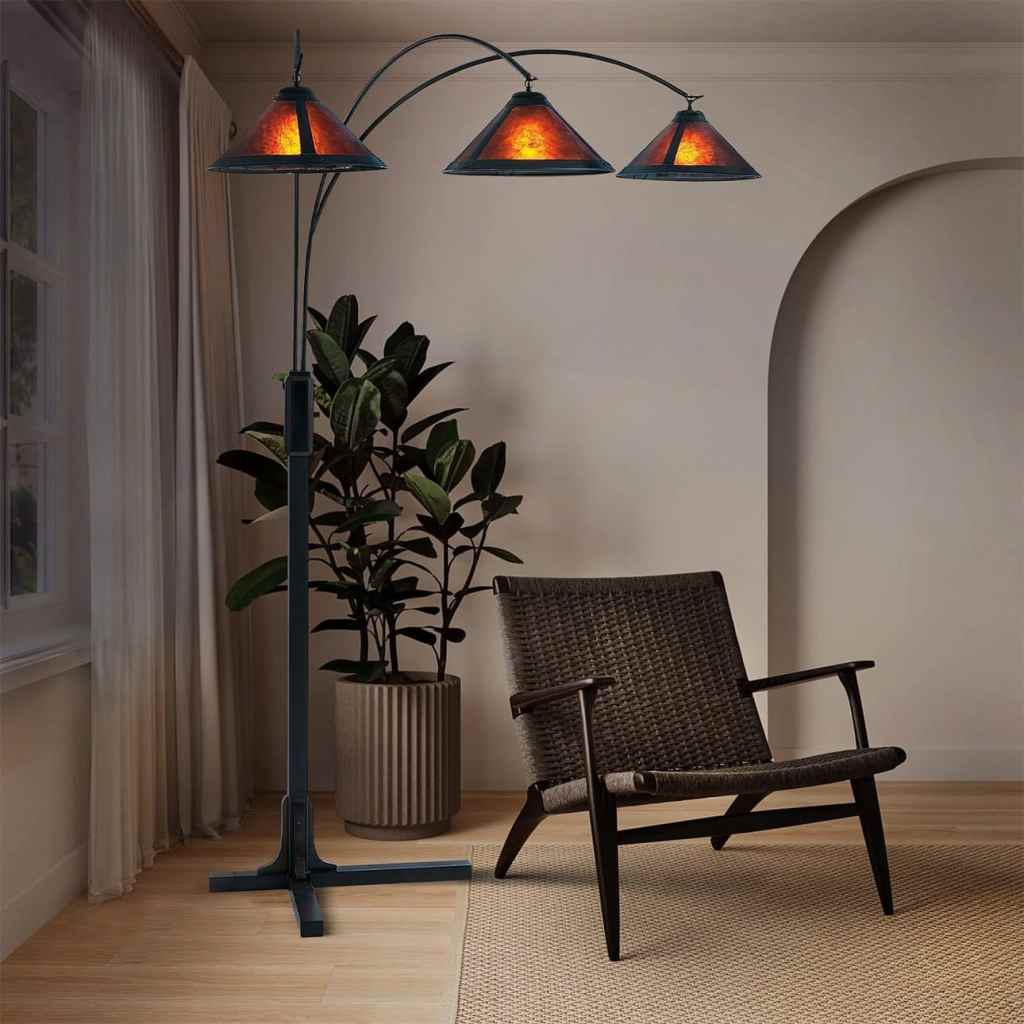
At Nova of California, we have spent years helping homeowners across the USA craft reading rooms that feel as good as they look. Whether you’re designing a brand-new reading nook or refreshing an existing library room, this guide walks you through everything you need to know about reading room lighting, from the science behind it to the latest 2026 design trends.
Why Lighting for Reading Room Spaces Matters More Than You Think
Most people underestimate how much light quality affects reading comfort. It’s not just about brightness; it’s about color temperature, light direction, glare control, and layering multiple light sources to create a balanced, comfortable environment.
Poor illumination causes your eyes to work harder. That effort leads to digital eye strain (even when reading print), dry eyes, and tension headaches. The American Optometric Association points to inadequate task lighting as one of the most common triggers of reading-related eye fatigue. And yet, so many reading rooms across the USA still rely on a single overhead fixture that casts harsh shadows and uneven light.
Good reading room lighting, on the other hand, does three things well: it provides enough brightness at the reading surface, it minimizes glare and contrast, and it creates a warm, inviting atmosphere that makes you want to stay and read for hours.
The Science of Lumens, Color Temperature and CRI
Before choosing any fixture, it helps to understand three key lighting metrics:
Lumens: This measures the total amount of visible light a bulb produces. For reading, you’ll want between 450 and 800 lumens at the task surface, which is bright enough to read comfortably without being overwhelming.
Color Temperature (Kelvin): Lower Kelvin values (2700K to 3000K) produce warm, yellowish light that’s relaxing and ideal for leisure reading. Higher values (4000K to 5000K) produce cool, blue-tinted light better suited for focused study. For most reading rooms, 2700K to 3000K is the sweet spot.
Color Rendering Index (CRI): This measures how accurately a light source renders colors compared to natural daylight. A CRI of 90 or above is ideal for reading rooms because it makes text crisp and reduces visual fatigue.
When you’re shopping for reading room lighting fixtures, these three numbers tell you more about the actual performance of the light than any product photo ever could.
The Three Layers of Reading Room Lighting You Need
Professional interior designers and lighting specialists always talk about layered lighting. It’s one of the most important principles in illumination design, and it applies perfectly to a reading room. The idea is simple: no single light source can do everything. Instead, you combine three types of lighting to create a space that’s both functional and beautiful.

Layer One: Ambient Lighting
Ambient lighting is your room’s base layer. It’s the general illumination that allows you to move around the room safely and sets the overall tone. In a reading room, ambient light shouldn’t be harsh or overly bright. Think of it as the room’s background glow.
Great ambient lighting options for reading rooms include recessed ceiling fixtures with warm LED bulbs, semi-flush mount fixtures for rooms with lower ceilings, and cove lighting that bounces soft indirect light off the ceiling. Nova of California’s Warm White LED Flush Series is specifically designed for rooms where you spend extended time, offering a 2700K color temperature and a CRI of 92, which means text and page colors look natural and easy on the eyes.
Layer Two: Task Lighting
This is the workhorse of your reading room. Task lighting is the direct, focused light aimed at your reading surface, whether that’s a chair, a desk, or a bed. It needs to be bright enough to read comfortably but positioned so it doesn’t create glare on the page.
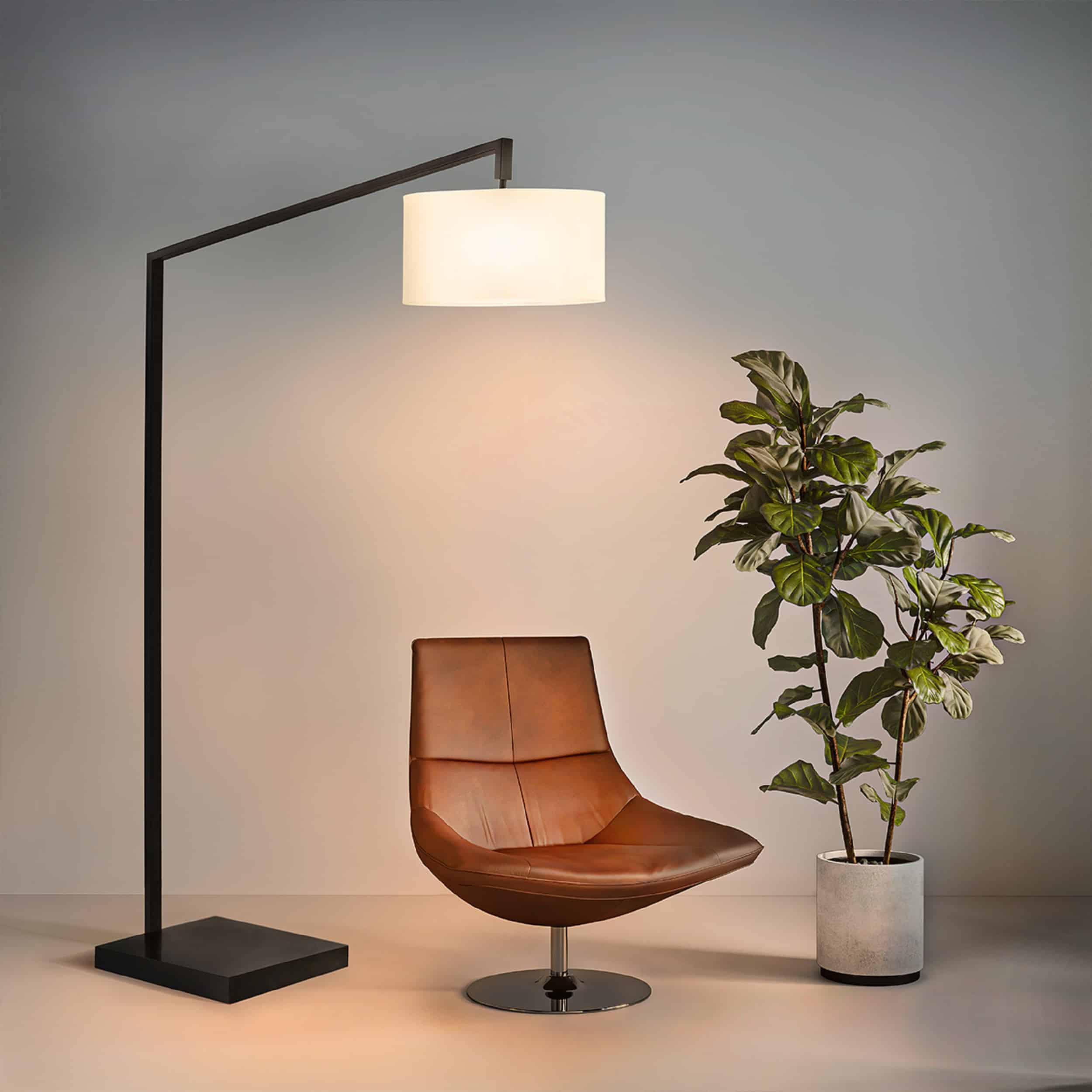
The best task lighting for reading rooms comes from adjustable floor lamps positioned just behind and to the side of your reading chair, swing-arm wall sconces mounted at eye level beside your seat, and articulating desk lamps if you have a reading desk. The key is directionality: you want the light to fall onto the page, not into your eyes.
Here’s a practical example: I’ve seen many homeowners place a beautiful floor lamp directly in front of their reading chair, which floods the room with a lovely glow but creates significant glare because the light source is in their field of vision. Moving that same lamp 45 degrees to the side and slightly behind the chair transforms the experience entirely. Same lamp, better position, dramatically better reading comfort.
Layer Three: Accent Lighting
Accent lighting isn’t strictly necessary for reading, but it’s what transforms a functional room into a truly inviting one. It highlights architectural features, bookshelves, artwork, and the textures that make your reading room feel personal and curated.
Accent lighting options include picture lights over artwork, LED strip lighting inside bookcases, small directional spotlights aimed at a wall-mounted bookshelf, and table lamps that double as decorative pieces. When done well, accent lighting makes your reading room look like something out of an architectural magazine.
Best Lighting Fixtures for a Reading Room in 2026
The lighting industry has made incredible strides in recent years. LED technology has matured to the point where energy efficiency and warm, high-quality light are no longer at odds. Smart lighting integration has also become mainstream, giving you total control over your reading room ambiance from your phone or voice assistant. Here’s a breakdown of the best fixture types for reading rooms right now.

Adjustable Floor Lamps
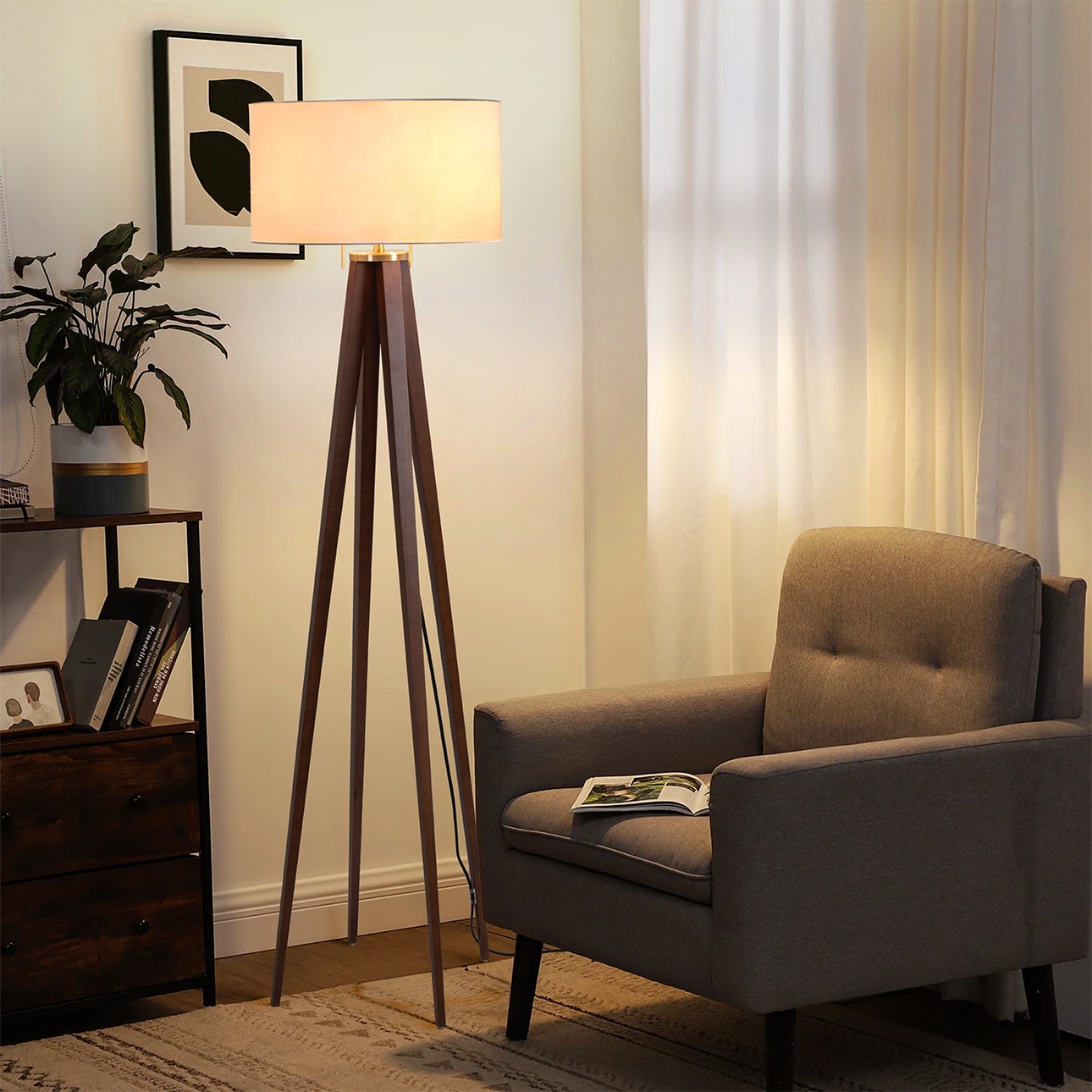
Adjustable floor lamps remain the gold standard for reading room task lighting. They’re versatile, easy to reposition, and available in a wide range of styles from mid-century modern arched designs to sleek contemporary tripods. Look for models with a 3-way switch or a dimmer so you can dial in exactly the right brightness level for your current reading session.
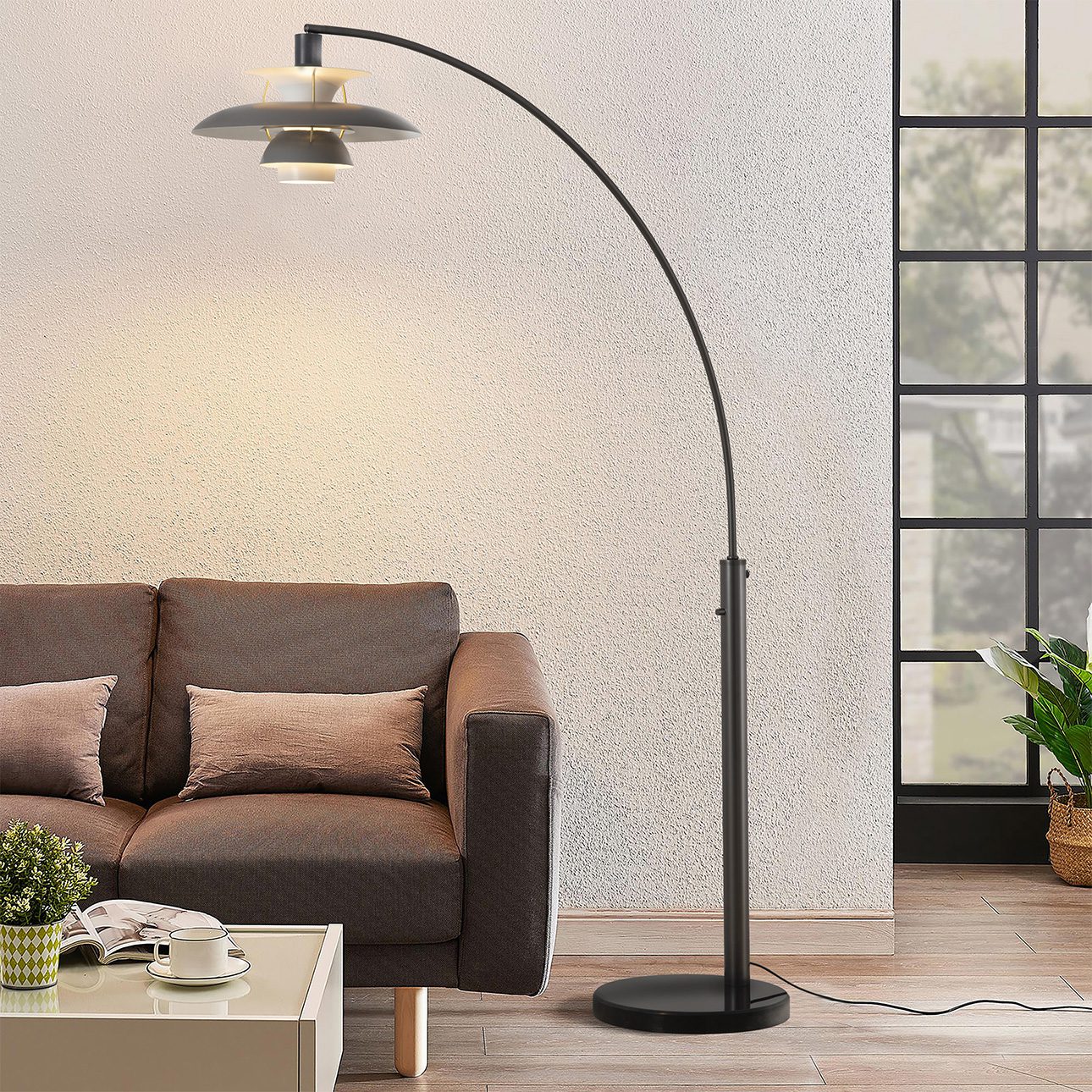
The best floor lamps for reading rooms in 2026 feature articulating arms that let you direct light precisely where you need it, bulb sockets positioned above head height to prevent glare, and built-in dimmer controls. Nova of California’s Arc Reading Floor Lamp, for example, uses a weighted base for stability and an adjustable arm that extends to 65 inches, giving you precise control over light direction.
Swing-Arm Wall Sconces
If you’re working with limited floor space or you want a cleaner aesthetic, swing-arm wall sconces are an outstanding choice. They mount directly to the wall beside your reading chair or built-in bookcase seating, keep the floor clear, and can be swung out of the way when not in use.
Wall-mounted reading lights are particularly effective in built-in reading nooks, bedroom reading corners, and library-style rooms with floor-to-ceiling shelving. They deliver focused task light without taking up any floor footprint.
Recessed Lighting with Dimmer Controls
Many homeowners default to recessed lighting for their reading rooms because it’s clean, unobtrusive, and works with virtually any design style. The challenge is that a single recessed fixture pointed straight down creates a pool of light with dark edges, which is exactly what you don’t want for reading.
The solution is to pair recessed fixtures with a quality dimmer switch and to use them as your ambient layer rather than your primary task light. Arrange multiple recessed fixtures in a grid pattern across the room to create even, shadowless ambient illumination, then layer task lighting on top of that foundation.
Pendant Lights and Chandeliers
In a dedicated reading room, pendant lights and chandeliers work beautifully as ambient fixtures. A statement chandelier above the center of the room creates a visual focal point and fills the space with warm, diffused light. Just make sure you choose a fixture with a dimmer-compatible bulb and an appropriate lumen output for your room size.
Drum shade pendants are especially popular for reading rooms right now because their fabric shades diffuse light softly, reducing glare while still providing solid ambient illumination.
| Fixture Type | Best Use | Typical Lumens | Ideal Color Temp | Dimmer Compatible |
| Adjustable Floor Lamp | Primary Task Reading | 400-800 lm | 2700K-3000K | Yes |
| Swing-Arm Wall Sconce | Task / Space-Saving | 300-600 lm | 2700K-3000K | Yes |
| Recessed Ceiling Fixture | Ambient / Base Layer | 600-1200 lm | 2700K-3000K | Yes |
| Drum Shade Pendant | Ambient / Decorative | 500-900 lm | 2700K-3000K | Yes |
| LED Bookcase Strip | Accent / Decorative | 200-400 lm | 2700K-4000K | Often |
| Table Lamp | Accent / Supplemental | 300-600 lm | 2700K-3000K | Yes |
Reading Room Lighting Ideas by Style
Lighting design doesn’t exist in a vacuum. The fixtures you choose need to match or thoughtfully contrast with the rest of your room’s aesthetic. Here’s how to approach reading room lighting across the most popular interior design styles in the USA right now.
Traditional and Classic Reading Rooms
Traditional reading rooms, think rich wood tones, leather chairs, and wall-to-wall bookshelves, call for warm-toned fixtures with classic silhouettes. Brass and antique bronze finishes work beautifully here. Look for torchiere floor lamps with fabric shades, banker’s lamps on reading desks, and crystal or candelabra-style chandeliers for overhead ambient light.
The color temperature should stay firmly in the 2700K range to complement the warm wood tones and create that cozy, firelight feel that makes traditional reading rooms so inviting.
Modern and Contemporary Reading Rooms
Modern reading rooms favor clean lines, minimal ornamentation, and a slightly cooler color palette. Matte black and brushed nickel finishes look sharp here. Look for geometric pendant lights, sleek swing-arm wall sconces with exposed Edison-style LED bulbs, and recessed lighting in a clean grid pattern.
You can push the color temperature slightly higher in a modern reading room, up to 3000K or even 3500K, without it feeling clinical. The cooler light complements the crisp, uncluttered aesthetic.
Scandinavian and Hygge-Inspired Reading Rooms
The hygge aesthetic, that Danish concept of cozy comfort and warm well-being, is practically built around reading room culture. Lighting is central to achieving this feel. Go for warm, layered light with lots of small light sources rather than one dominant fixture. Think: a soft ambient ceiling fixture, a warm task lamp beside your reading chair, and perhaps a string of warm Edison bulb lights along a bookshelf or window frame.
Natural materials like wood and linen in your lamp shades will soften the light further and add to that wrapped-in-warmth feeling. Keep everything in the 2700K range or even warmer at 2400K for true hygge ambiance.
Industrial and Rustic Reading Rooms
Industrial-style reading rooms use exposed brick, raw wood, and metal accents as their canvas. Lighting choices should lean into that raw, utilitarian aesthetic. Cage-style pendant lights, gooseneck wall sconces, and adjustable spotlight track lighting all work well here. Edison-style LED bulbs with their visible filaments are practically made for this style.
Because industrial rooms often feature exposed ceilings and open floor plans, you may need slightly higher lumen output to fill the space adequately. Aim for a 2700K to 3000K color temperature to keep things warm and inviting despite the rugged materials.
Smart Lighting for Modern Reading Rooms
One of the most significant developments in home lighting over the past few years is smart lighting integration. For reading rooms, smart bulbs and smart dimmers aren’t just a convenience; they’re a genuine quality-of-life upgrade.
What Smart Lighting Can Do for Your Reading Room
Smart lighting systems like Philips Hue, Lutron Caseta, and similar platforms let you control color temperature and brightness from your smartphone, a dedicated wall panel, or your voice. For a reading room, this means you can set the perfect ambiance for daytime focused reading (brighter, slightly cooler light) and shift automatically to a warmer, dimmer setting for evening leisure reading, all with a single tap or voice command.
Some smart systems even offer circadian rhythm programming, which gradually shifts your light’s color temperature throughout the day to match the natural progression of sunlight. This is particularly useful in reading rooms that get limited natural light, as it keeps your body’s internal clock better calibrated.
Popular Smart Lighting Features for Reading Rooms in 2026
Scene presets: Save your perfect reading ambiance as a named scene and activate it with one tap.
Scheduling: Automatically shift from bright task light during daytime study to warm ambient light in the evening.
Voice control: Integrate with Amazon Alexa, Google Assistant, or Apple HomeKit for hands-free control.
Motion sensing: Lights automatically come on when you enter the reading room and turn off when you leave.
Energy monitoring: Track how much energy your reading room lighting uses and optimize accordingly.
Natural Light in a Reading Room and How to Supplement It
If you’re lucky enough to have a reading room with good natural light exposure, that’s your most valuable lighting asset. Natural daylight provides full-spectrum illumination that’s easy on the eyes, boosts mood, and improves alertness. The challenge is that natural light is variable, too bright at noon, too dim in the evening, and potentially harsh with direct sun glare.
Window Treatments That Work With Your Lighting Plan
The right window treatments make a huge difference in how natural light behaves in your reading room. Sheer curtains or light-filtering cellular shades allow diffused daylight to enter without harsh glare. Blackout shades or heavy drapes let you control light entirely when you need to screen a film or reduce afternoon sun glare during reading.
For rooms that face south or west in the USA, solar shades with a 5 to 10 percent openness factor are ideal. They filter UV rays and reduce glare while maintaining your view and still admitting soft, usable daylight.
Balancing Natural and Artificial Light
The key to a well-lit reading room is seamless transition between natural and artificial light. As daylight fades in the evening, your artificial lighting should take over without a jarring shift. This is where dimmers become essential. By slowly increasing the brightness of your ambient and task lights as the natural light fades, you maintain consistent, comfortable illumination throughout the day.
Photosensitive smart bulbs can actually detect ambient light levels and adjust automatically, which is a genuinely useful feature for reading rooms with variable natural light.
Lighting for Reading Room Nooks and Small Spaces
Not every reading room is a full-sized library. Many of us create reading spaces within a larger room, a built-in window nook, a cozy corner of the living room, or a repurposed closet transformed into a tiny reading retreat. These smaller reading spaces have their own lighting challenges and opportunities.
Built-In Window Reading Nooks
A window seat reading nook is a dream for many book lovers. During the day, natural light does the heavy lifting. For evening reading, you’ll want a dedicated light source that’s close enough to the seat to provide adequate task illumination without requiring a large floor lamp that might not fit in the nook.
The best solutions for built-in nook lighting include recessed ceiling fixtures directly above the seating area, small wall sconces mounted on either side of the window, and discreet LED strip lighting installed along the inside edge of the nook’s soffit, if there is one. These keep the nook feeling cozy and enclosed rather than cluttered with stand-alone fixtures.
Corner Reading Areas
A corner reading chair creates a naturally defined space within a larger room. A tall arc floor lamp positioned behind and above the chair is the classic and still excellent solution here. The lamp’s arc allows it to extend over the chair and direct light downward onto your book or e-reader while keeping the base tucked behind the chair and out of the main traffic flow.
Common Reading Room Lighting Mistakes to Avoid
Even with good intentions, homeowners frequently make lighting decisions that undermine their reading room’s comfort and function. Here are the most common mistakes and how to sidestep them.
| Common Mistake | Why It’s a Problem | The Better Approach |
| Single overhead fixture only | Creates uneven light, harsh shadows, poor task illumination | Layer ambient, task, and accent lighting |
| Placing task lamp in front of you | Light source in field of vision causes glare | Position lamp behind and to the side at 45 degrees |
| Using daylight bulbs (5000K+) in evening | Cool blue light suppresses melatonin, disrupts sleep | Use 2700K-3000K warm white for evening reading |
| No dimmer controls | Fixed brightness can’t adapt to different times of day | Install dimmers on all reading room circuits |
| Ignoring CRI ratings | Low CRI bulbs make text look flat and reduce visual clarity | Choose bulbs with CRI 90 or higher |
| Overhead light behind you | Creates shadow on your reading material | Ensure no fixture is directly behind your head |
How Nova of California Approaches Reading Room Lighting
At Nova of California, we believe that lighting for reading room spaces should be as thoughtfully designed as any other element of your home. We’ve helped clients across the USA, from cozy apartment reading corners in San Francisco to grand home libraries in New York, create reading environments that genuinely support the act of reading while expressing each client’s personal aesthetic.
Our approach starts with understanding how you use your reading room. Do you read for pleasure in the evenings? Do you use the space for serious study or professional research? Do you share the room with a partner who reads at different times? Each of these scenarios calls for different lighting strategies.
We also prioritize energy efficiency in all our recommendations. Our entire Nova of California residential lighting line uses LED technology with high CRI ratings and long lifespans, which means lower electricity bills and fewer bulb replacements over time.
Nova of California’s Top Reading Room Lighting Recommendations for 2026
The Arc Pro Reading Floor Lamp: Our most popular reading room fixture, featuring a 65-inch adjustable arm, built-in 3-stage dimmer, and a warm 2700K LED at 600 lumens.
The Luxe Swing-Arm Wall Sconce: A wall-mounted reading light with a pivoting arm, available in brushed nickel, matte black, and antique brass finishes.
The Warm Dome Flush Mount: A clean, modern flush ceiling fixture ideal for reading rooms with lower ceilings, producing 900 lumens at 2700K with a CRI of 93.
Bookcase LED Strip Kit: A dimmable LED strip light kit designed for bookshelf installation, adding warm accent lighting to your collection display.
Energy Efficiency and Sustainability in Reading Room Lighting
Sustainability matters, and lighting is one of the easiest places to make a meaningful impact at home. LED technology has transformed reading room lighting from an energy-intensive luxury into an efficient, environmentally responsible choice.
A standard incandescent floor lamp might draw 60 to 100 watts. An equivalent LED reading lamp uses just 9 to 15 watts for the same light output. Over the course of a year, if you read for two hours each evening, that difference adds up to real energy and cost savings.
LED bulbs also last dramatically longer, typically 15,000 to 25,000 hours compared to 1,000 hours for incandescent. That means you’re replacing bulbs far less often, which reduces both cost and waste. For a reading room where the light is on daily, this longevity makes a meaningful difference.
ENERGY STAR and DLC Certifications
When shopping for reading room lighting, look for ENERGY STAR certified fixtures and bulbs. ENERGY STAR certification means the product has been independently tested and verified to meet strict efficiency and performance standards. For commercial-grade reading room fixtures, the DesignLights Consortium (DLC) Premium certification is another reliable quality indicator.
At Nova of California, all of our residential LED fixtures carry ENERGY STAR certification, and our commercial-grade products meet DLC Premium standards.
Frequently Asked Questions
What is the best light color temperature for a reading room?
The best color temperature for a reading room is between 2700K and 3000K. This warm white range closely resembles the quality of incandescent light that people find naturally comfortable for extended reading sessions. It’s warm enough to be relaxing and easy on the eyes without being so dim that reading becomes difficult. For study or research-focused reading, you might consider going slightly cooler at 3000K to 3500K for a bit more visual alertness.
How many lumens do I need for reading room task lighting?
For comfortable reading, you’ll want between 450 and 800 lumens at the reading surface from your task light. This range provides enough brightness to read clearly without causing glare or visual fatigue. A 40-watt equivalent LED bulb typically produces around 450 lumens, while a 60-watt equivalent produces around 800 lumens. If you have a dimmer, you can stay at the higher end and dial back as needed.
Is LED lighting good for reading rooms?
LED lighting is excellent for reading rooms. Modern high-CRI LED bulbs produce light that’s indistinguishable from warm incandescent light in terms of color quality, while using 75 to 85 percent less energy. They also run cool, which is an advantage in a reading room where a lamp may be on for hours at a time. The key is choosing LED bulbs with a CRI of 90 or higher and a color temperature in the 2700K to 3000K range.
Where should I position a reading lamp relative to my chair?
Position your reading lamp behind and slightly to the side of your reading chair, at about a 45-degree angle. The light source should be at or slightly above head height when you’re seated so it shines down onto the page rather than into your eyes. If you’re right-handed, positioning the lamp to your left (and vice versa for left-handers) minimizes hand shadows on the page.
Do I need a dimmer switch in my reading room?
Yes, a dimmer switch is one of the most worthwhile investments you can make in your reading room. Different reading scenarios call for different light levels. Daytime reading in a naturally bright room might need supplemental task light at 70 to 80 percent of maximum brightness. Evening leisure reading, on the other hand, often feels more comfortable at 50 to 60 percent. A dimmer gives you that flexibility and also extends bulb life.
Can I use smart bulbs in my reading room?
Absolutely, and I’d strongly recommend it. Smart bulbs let you save custom scenes for different reading moods, integrate with voice assistants for hands-free control, and even schedule automatic transitions from bright daytime reading light to warm evening ambiance. Brands like Philips Hue and LIFX offer smart bulbs in the warm white color temperatures ideal for reading rooms, and they’re compatible with Nova of California’s existing fixture designs.
What kind of lighting is best for a small reading nook?
For a small reading nook, the best approach is focused task lighting that doesn’t visually clutter the space. A wall-mounted swing-arm sconce on one or both sides of the nook provides excellent task illumination without taking up floor or surface space. If the nook has a soffit or overhang, a small recessed fixture directly above the seating area is also highly effective. Avoid large floor lamps in tight nook spaces as they can feel overwhelming and restrict movement.
How do I reduce glare in my reading room?
Glare reduction in a reading room comes down to light source positioning and shade selection. Always position task lights so the bulb is out of your direct line of sight. Choose lamps with opaque or translucent shades rather than bare bulbs. Use matte finishes on walls rather than high-gloss paint, which can create reflective glare. For overhead fixtures, opt for frosted diffusers or downlights with deep recesses that shield the bulb from view.
Final Thoughts on Creating Your Perfect Reading Room Lighting Setup
Getting the lighting for reading room spaces right is a process, not a single purchase. It starts with understanding your specific needs, your reading habits, your room’s natural light conditions, and your design aesthetic. From there, it’s about layering ambient, task, and accent lighting thoughtfully to create a space that supports both comfortable reading and genuine aesthetic pleasure.
The best reading rooms I’ve seen aren’t the ones with the most expensive fixtures. They are the ones where every light source has been placed with intention, where the color temperature is warm and consistent, and where a simple dimmer switch lets the room shift seamlessly from bright afternoon study light to soft evening reading ambiance.
At Nova of California, we are here to help you get there. Whether you’re starting from scratch or refining an existing space, our lighting specialists can walk you through fixture selection, placement strategy, and smart lighting integration to create a reading room that you’ll genuinely love spending time in.
Because at the end of the day, good lighting for reading room spaces isn’t just a design detail. It’s what makes the difference between a room you tolerate and a room you treasure.