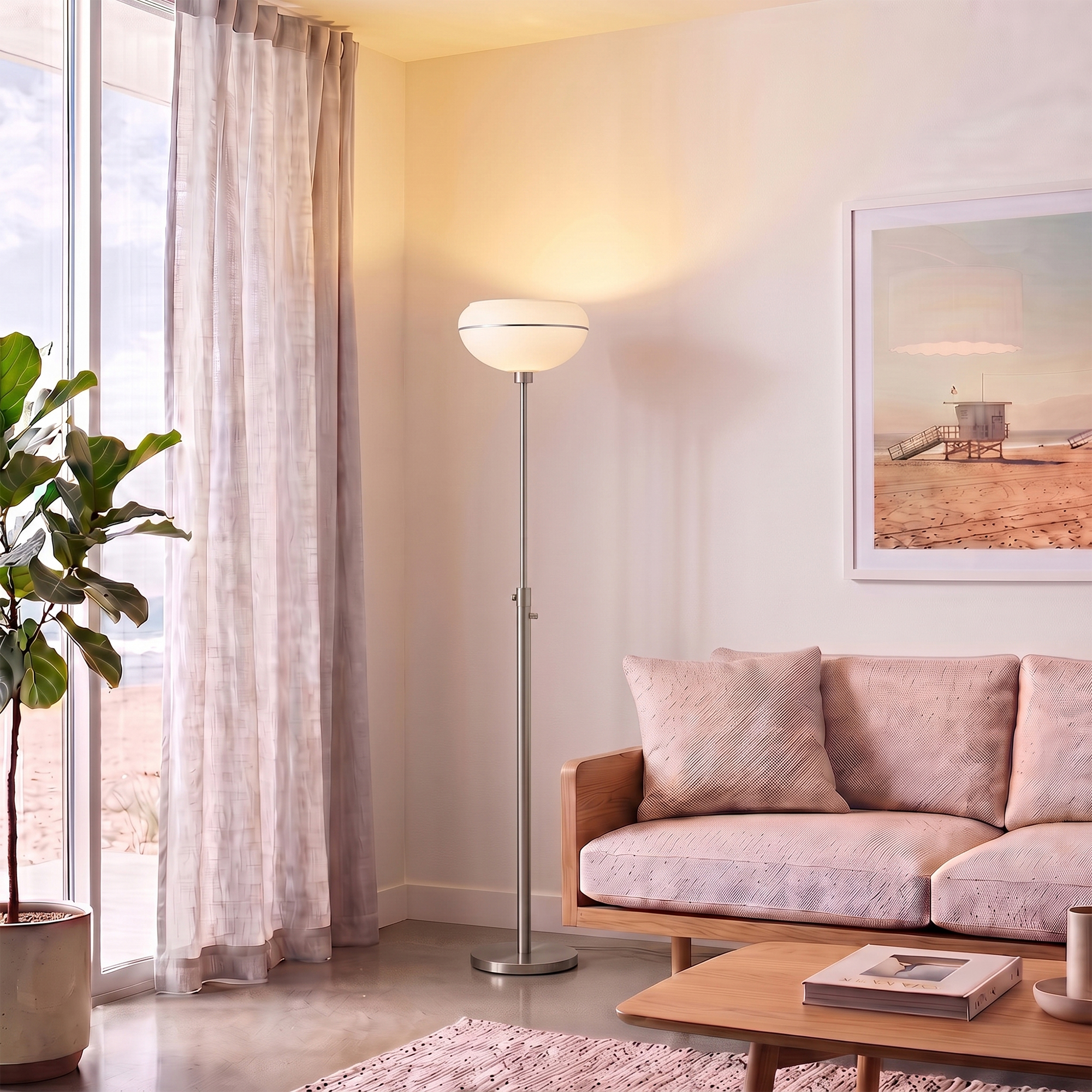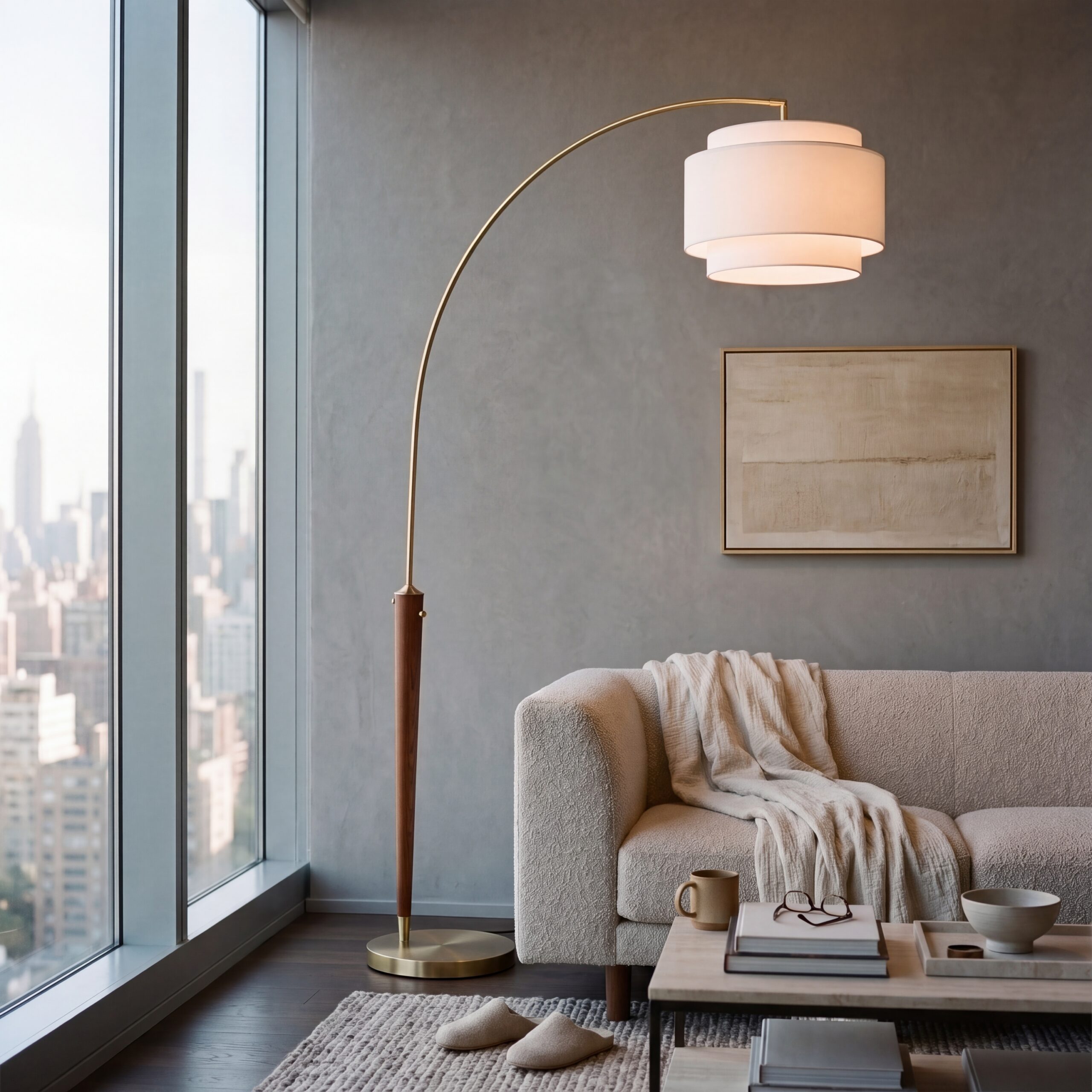
Lighting trends for 2027 favor warm layers, dimmable lamps and simple forms that last. Start a new year refresh by adding one floor lamp, replacing cool bulbs with 2700K options and choosing finishes that repeat across the room. Trends matter less than how the room is used after dark.
Why Trend Lists Feel Louder Each January
Every new year brings a wave of design predictions. Magazines, retailers and designers publish lists of colors, materials and lighting styles. Many of these lists are useful, but they can also push a room toward changes that do not suit how people live. A good refresh starts with the room’s use, then adds trends that fit.
The strongest signals in recent coverage point toward warmth, layered light and personal touches. Rooms look less like showrooms and more like lived spaces. Lighting plays a central role in that shift, because the light decides how a room feels at night.
Warm Layers Replace the Single Ceiling Light
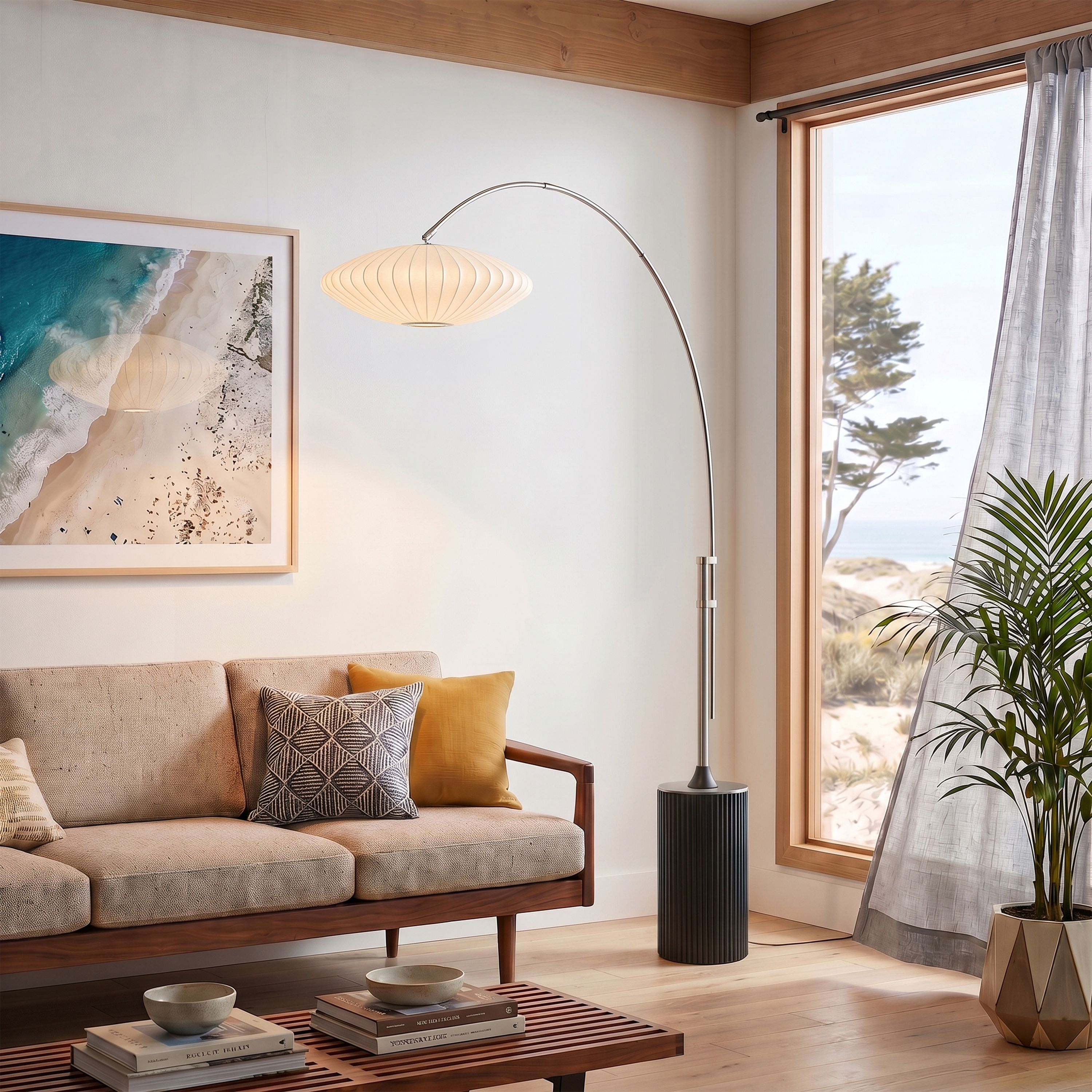
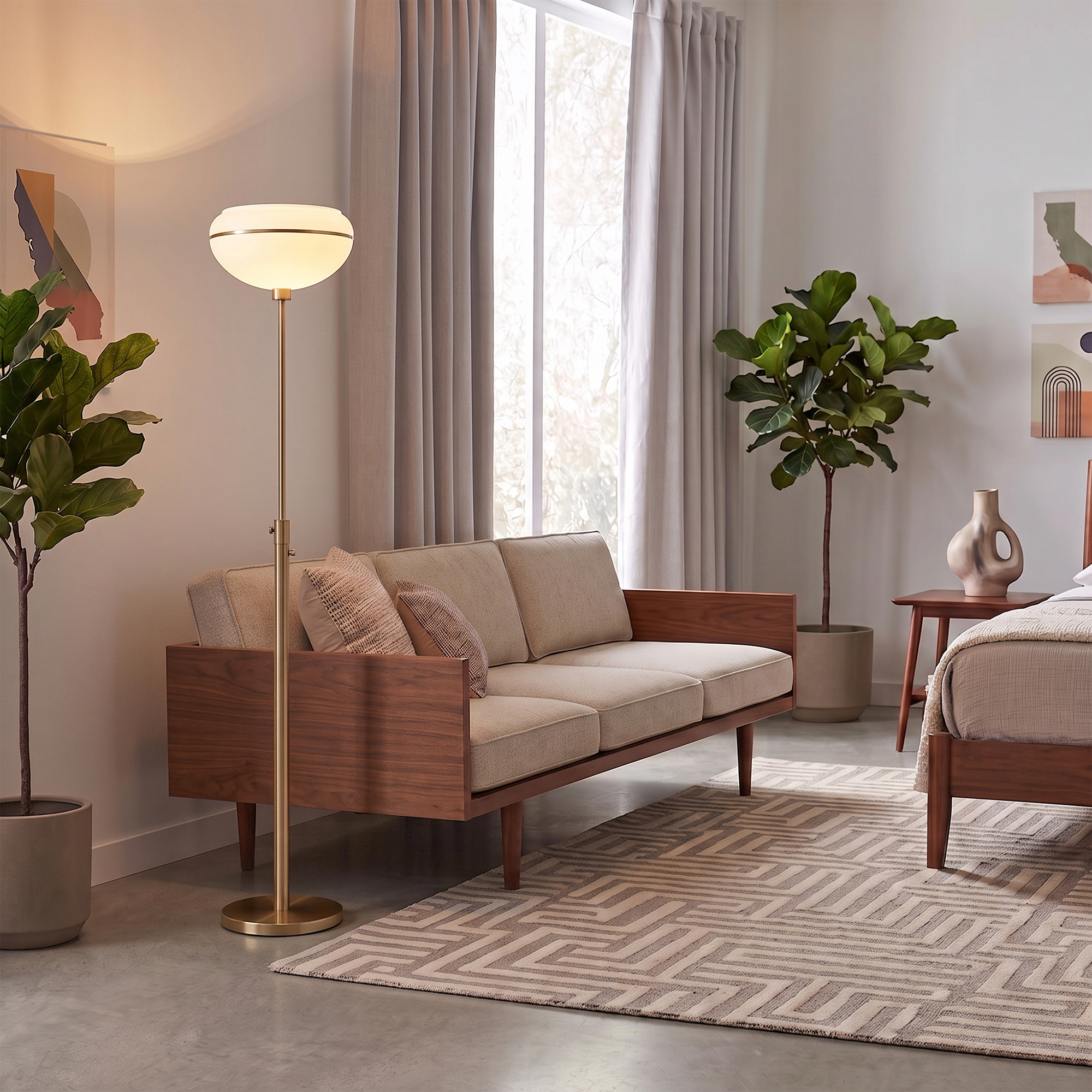
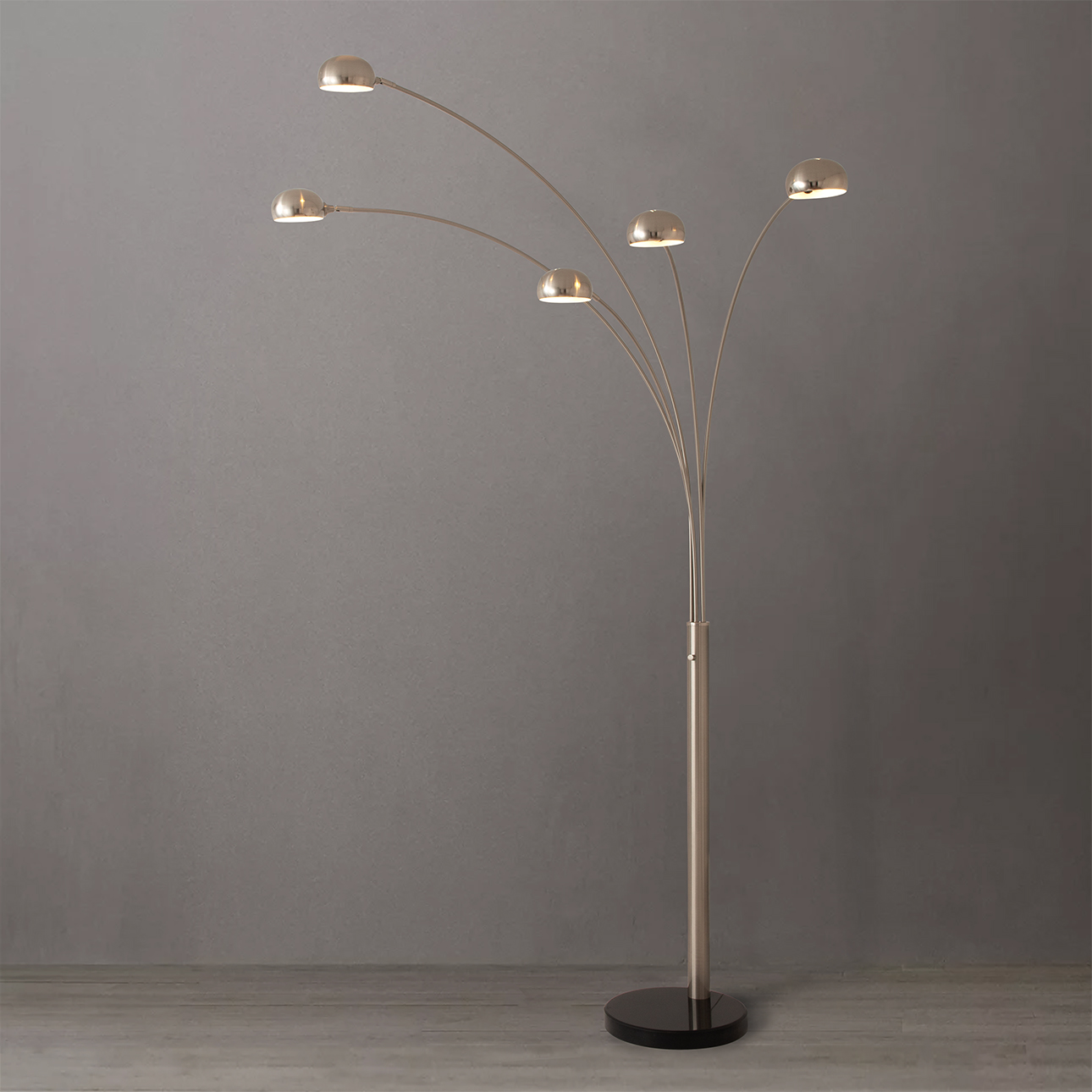
The most consistent direction in current coverage is a move away from one central fixture. Instead, rooms use several light sources at different heights. A floor lamp adds ambient light, a table lamp supports reading and a warm bulb ties the layers together. This approach feels calmer and gives people control over the mood.
Layering also makes a room easier to adjust across seasons. In summer, the room may need less light. In winter, the same lamps can deliver warmth. A dimmer on at least one lamp makes this adjustment simple and removes the need for a larger fixture.
Dimmable Lamps Are Becoming the Default
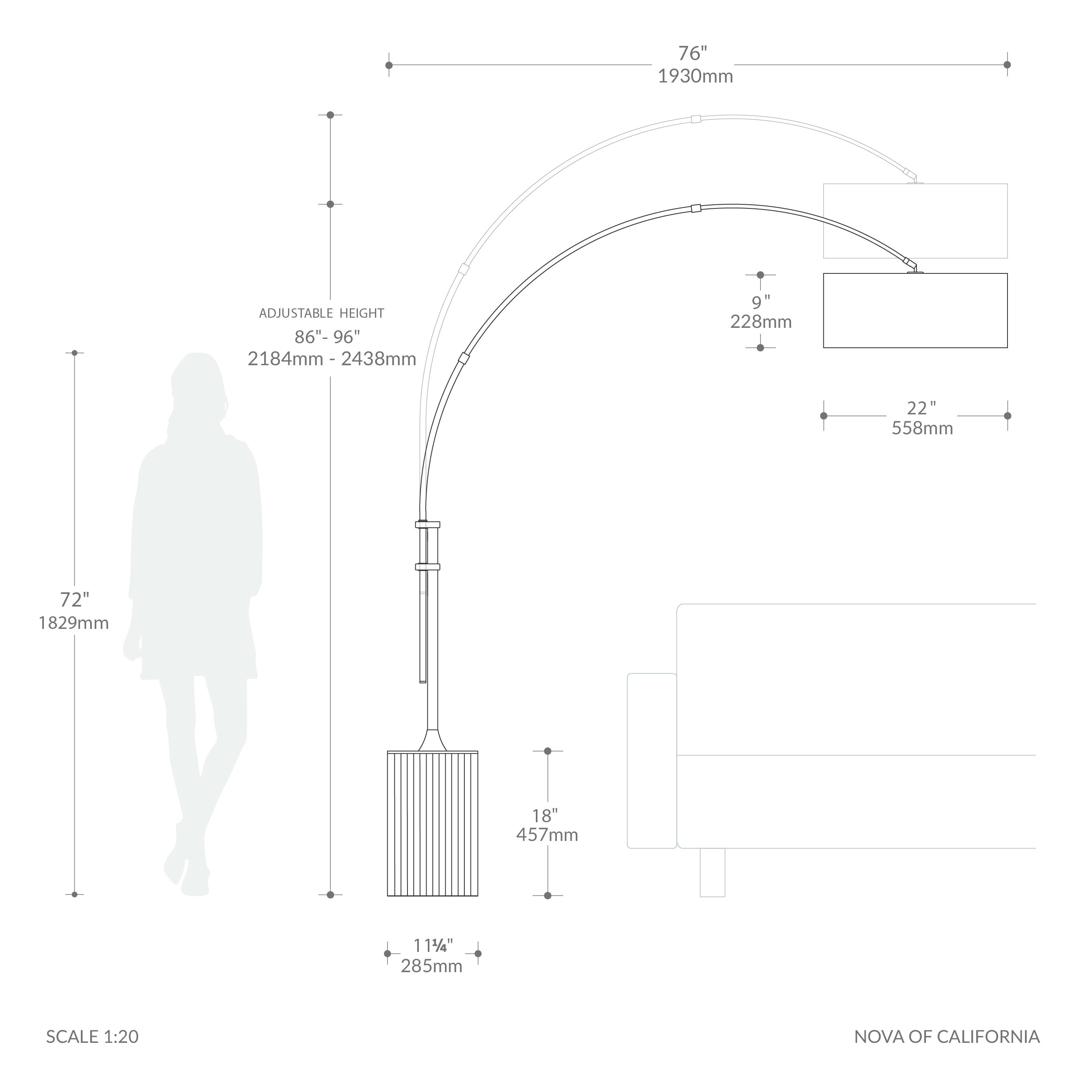
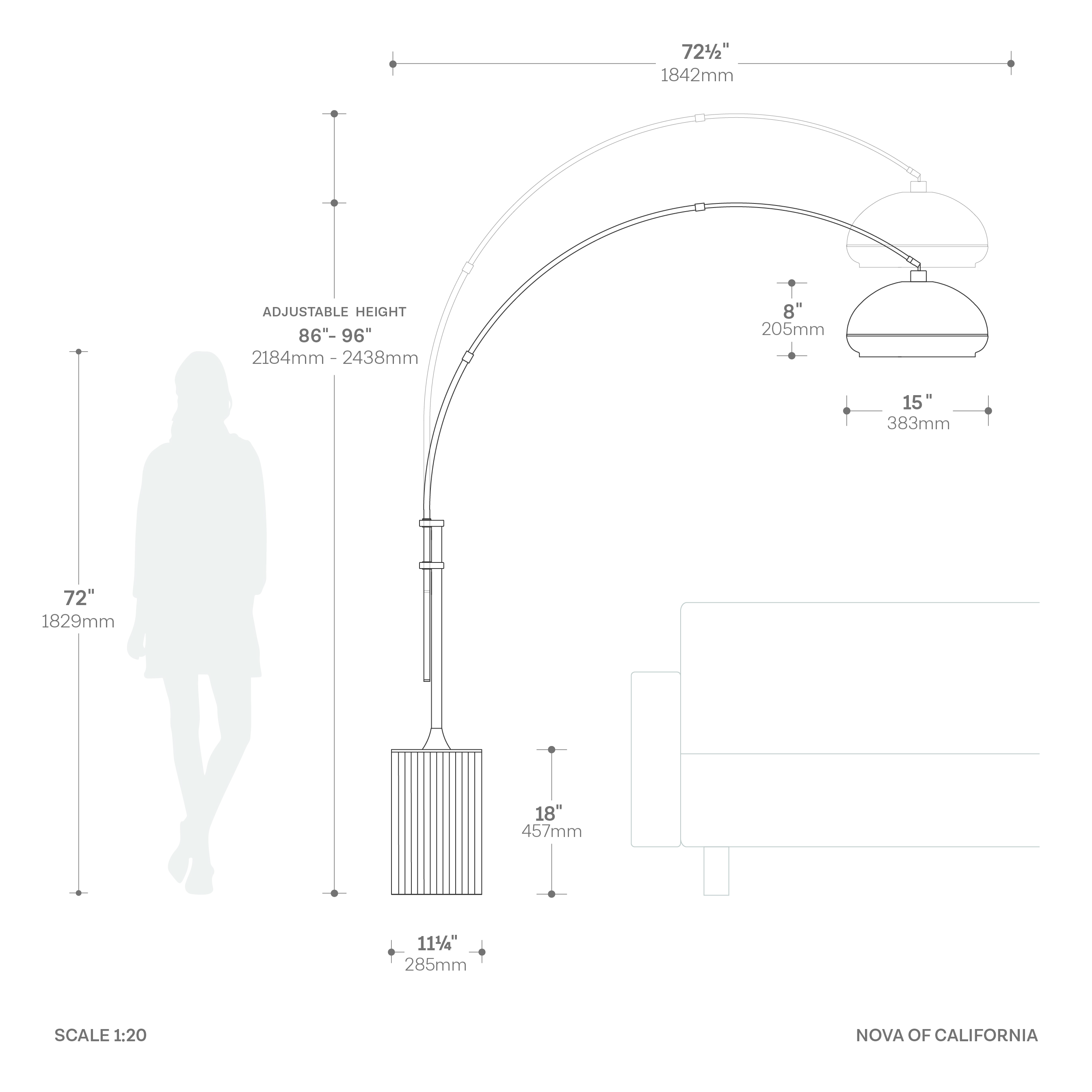
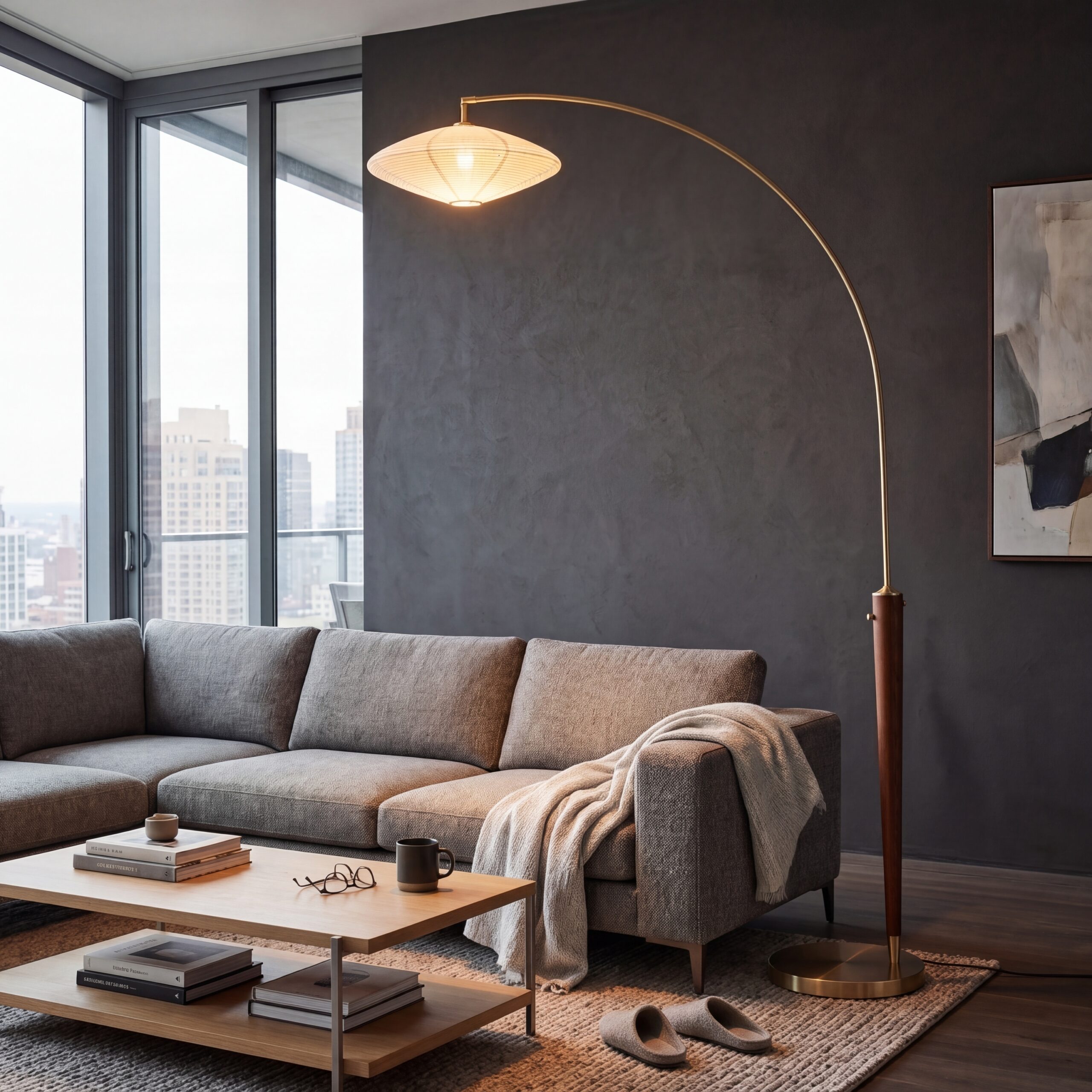
A dimmable lamp is no longer a luxury feature. It lets people shift from bright task light in the morning to soft evening light without changing fixtures. The Luna Bella arc floor lamp stands 92 inches tall and includes a stem dimmer, so the owner can set the level without a wall switch. That kind of control has become a basic expectation for a living room lamp.
NOVA lamps are dimmable and smart ready through the E26 socket. A compatible smart bulb can add scheduling later, but the lamp works fully without wifi. Buyers should be wary of claims that a lamp is smart without explaining what that means. Honest framing focuses on what the lamp does today.
Arc Forms Return With a Purpose
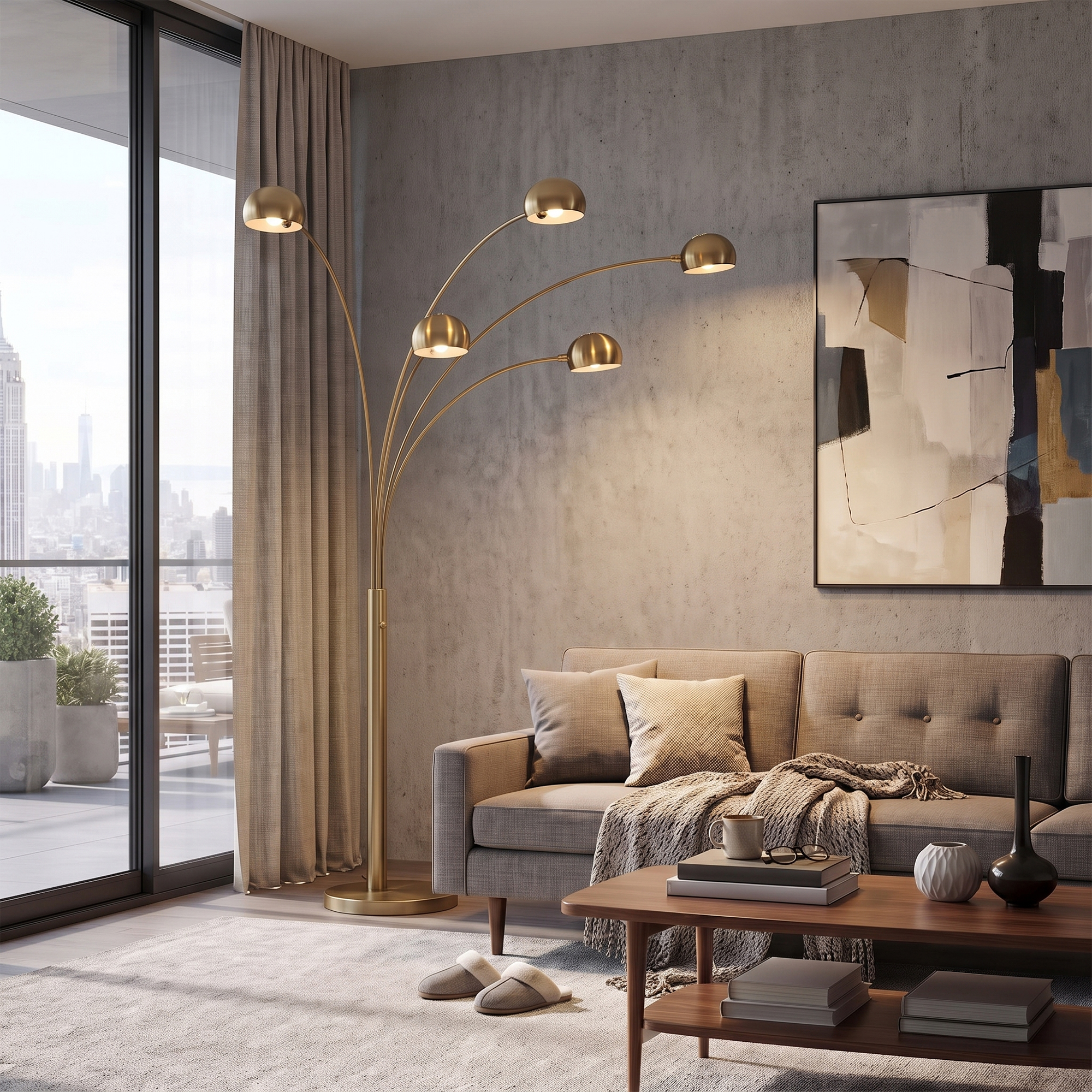
The arc lamp has moved from a mid century reference to a common choice for modern living rooms. Its long reach places light over seating without filling the floor. The Flos Arco, introduced in 1962 and designed by Achille Castiglioni and Pier Giacomo Castiglioni, set the pattern. Many designs today still follow that logic.
The arc works best when the room has a clear seating area and enough space for the base. In a smaller room, a chairside arc or a wall mounted version can offer the same benefit with less footprint. The form is only a trend when it serves a clear purpose in the room.

Finishes That Repeat Across the Room
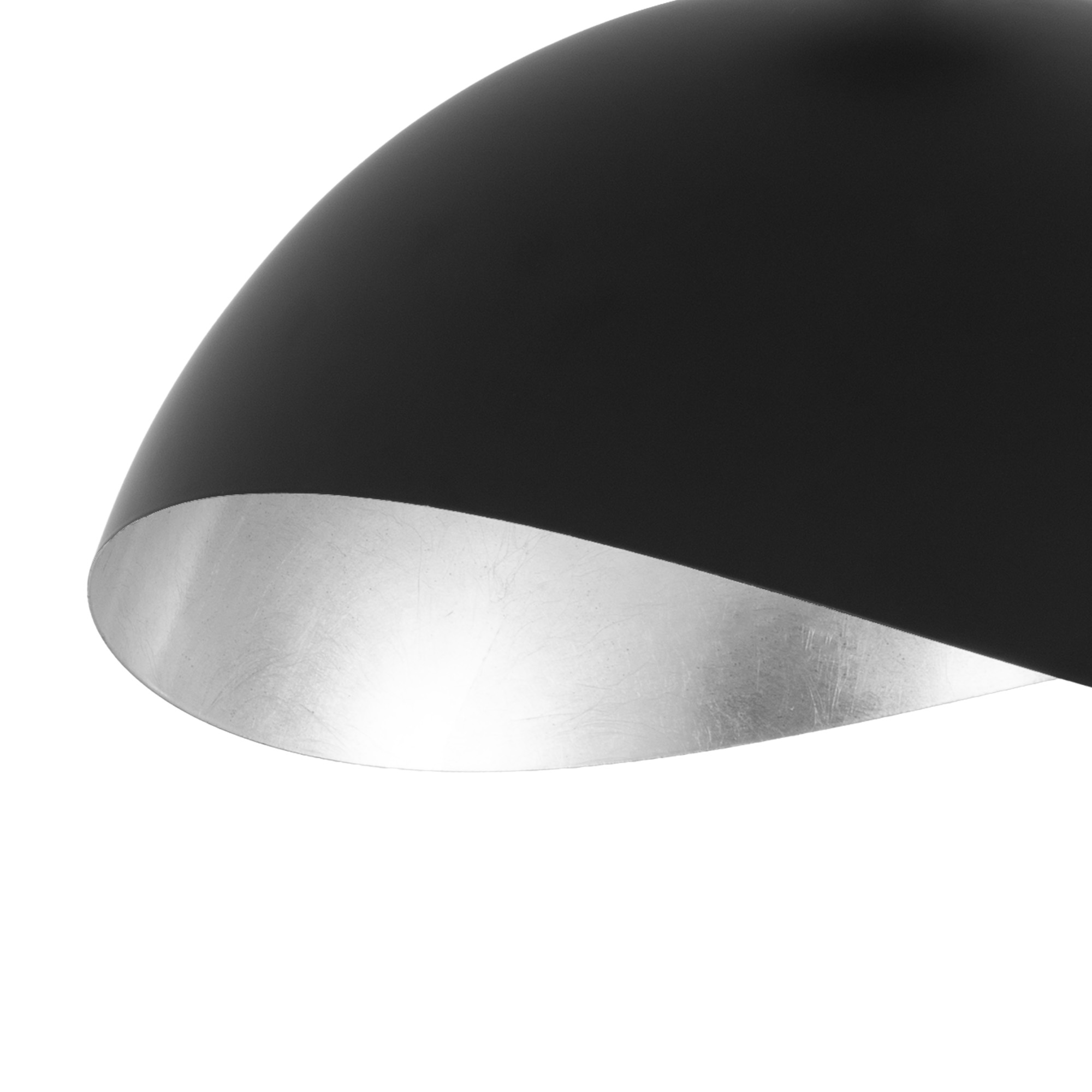
Metal finishes continue to matter. Weathered brass suits warm wood, cream walls and wool. Satin nickel suits cooler palettes and modern hardware. Matte black creates contrast and gives a lamp a sculptural presence. NOVA lamps come in these three finishes only, so the choice should follow the room’s existing palette.
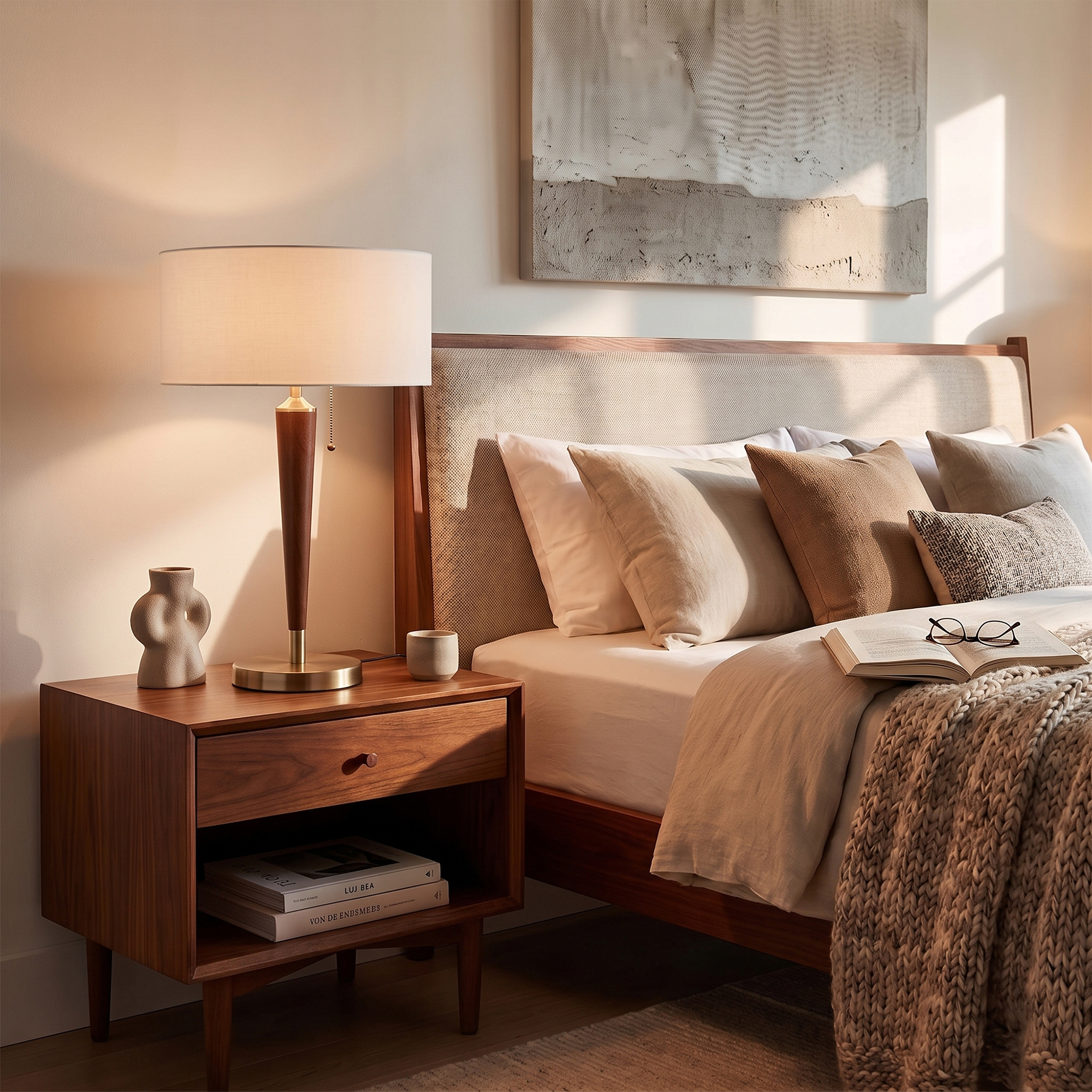
The best refresh repeats one finish across the room. If the floor lamp is brass, add a brass accent such as a frame or a vase. This repeat creates a sense of intention, which lasts longer than a trend that appears in one season and fades in the next.
Table Lamps for Reading and Evening Tasks
Table lamps remain one of the simplest ways to refresh a room. A table lamp adds task light for reading or writing, and it can change the mood in a few minutes. Position it at the height of the seated person’s shoulder, so the light lands on the page rather than the eyes.
Tizio, designed by Richard Sapper for Artemide in 1972, remains a reference for focused task light. Its adjustable arms direct light precisely. Tolomeo, designed by Michele De Lucchi and Giancarlo Fassina for Artemide in 1987, shows a similar approach with a simpler form. These lamps remind buyers that function and form can work together.
The Bulb Is Part of the Trend
Color temperature has become a major part of lighting choices. Warm white, usually 2700K, suits most living rooms, while cooler tones suit kitchens and workspaces. The NOVA bulb is a 14W E26 LED with 1500 lumens and a warm 2700K color temperature. It has a color rendering index above 95 and a rated life of 25,000 hours.
Changing bulbs is one of the cheapest refresh steps. A warm bulb in each lamp can change a room more than a new piece of furniture. Check the color temperature, the CRI and the dimmer compatibility before buying.
A Practical New Year Refresh Plan
Start with a room audit. Note where the light falls after dark, which chairs get used most and where a corner feels dim. Next, add one floor lamp for ambient light. Add one table lamp for reading. Replace cool bulbs with warm 2700K options. Choose a finish that repeats the metal in the room. Keep the cord route safe and short.
Once the lamps are in place, live with the room for two weeks before adding anything else. Many rooms need less than expected. A focused refresh feels more intentional and costs less than a full redesign.
What to Avoid in a Trend Led Refresh
The first mistake is buying every new style at once. The second is choosing a finish that clashes with existing metals. The third is ignoring the bulb and then blaming the lamp. The fourth is installing a lamp where the cord crosses a walkway, which creates a trip hazard in winter when rugs and blankets are added.
Trends are useful as a guide, not a rulebook. A lamp that fits how a room is used will remain relevant longer than one chosen only because it appeared in a list.
Final Note
Who Benefits Most From a Refresh
Some homes benefit more than others. A family room that is used every evening often gains the most from warm layers and a dimmer. A bedroom that needs a calm reading corner benefits from a single well placed table lamp and a 2700K bulb. A studio apartment can use one floor lamp to define the seating zone and make the space feel organized without adding walls or furniture.
Homes with high ceilings and few windows often benefit from floor lamps that raise the light level at seating height. Homes with many windows may need lamps placed to frame the view rather than compete with it after dusk. Rental homes can also refresh with lamps, since a lamp moves with the household and does not require any change to the walls or ceiling.
Measuring Success After the Refresh
A refresh succeeds when the room feels better at the times it is used most. Check the room at dusk, during dinner and while reading. If the light feels right at each moment, the refresh is working. If one corner still feels dim or one lamp feels too strong, adjust the placement or the dimmer before adding another fixture. The goal is comfort that lasts beyond the new year, not a look that only suits a single season.
Lighting trends for 2027 point toward warmth, layers and personal control. A new year refresh does not need a full renovation. Start with the light, choose lamps that serve daily life, and let the room evolve over time.