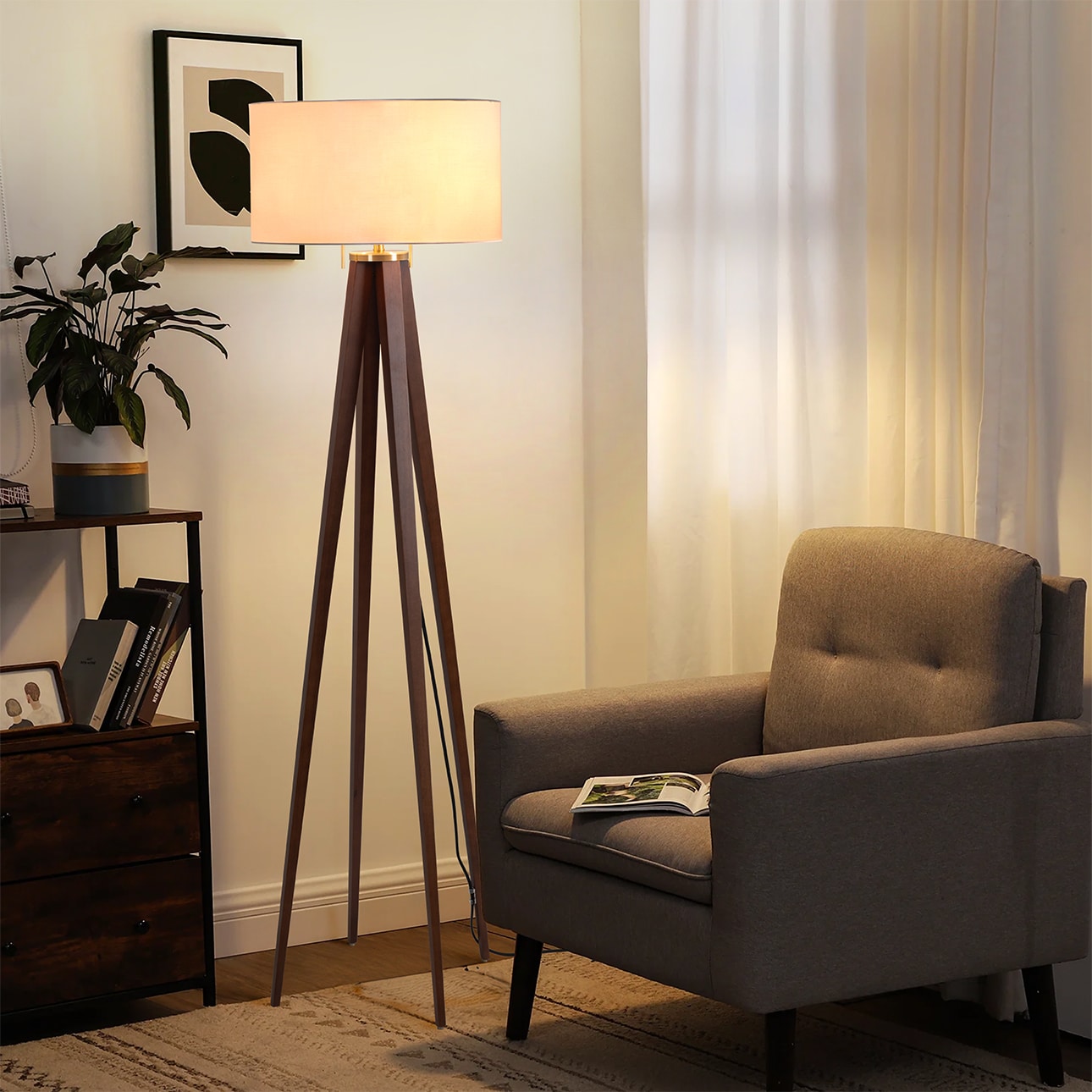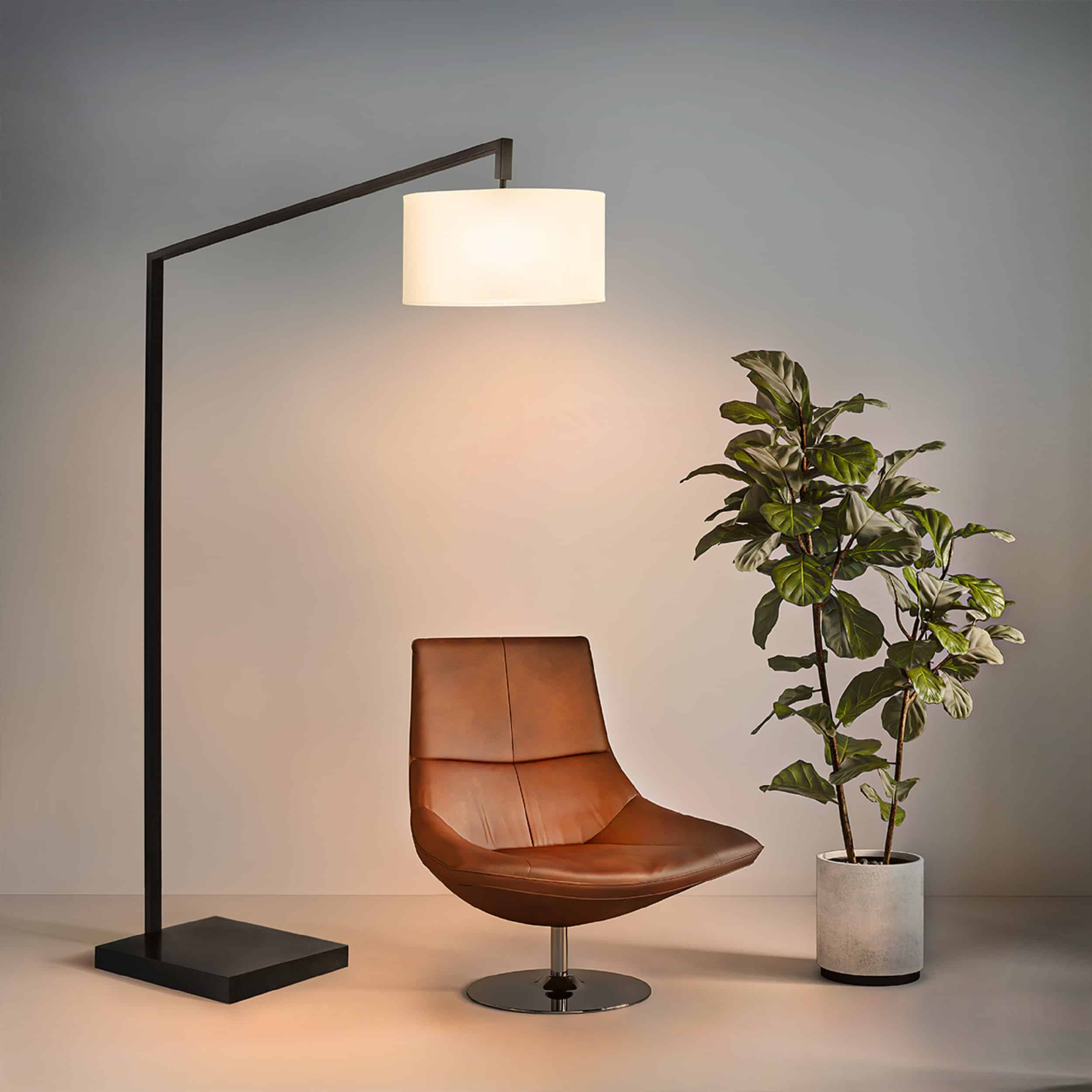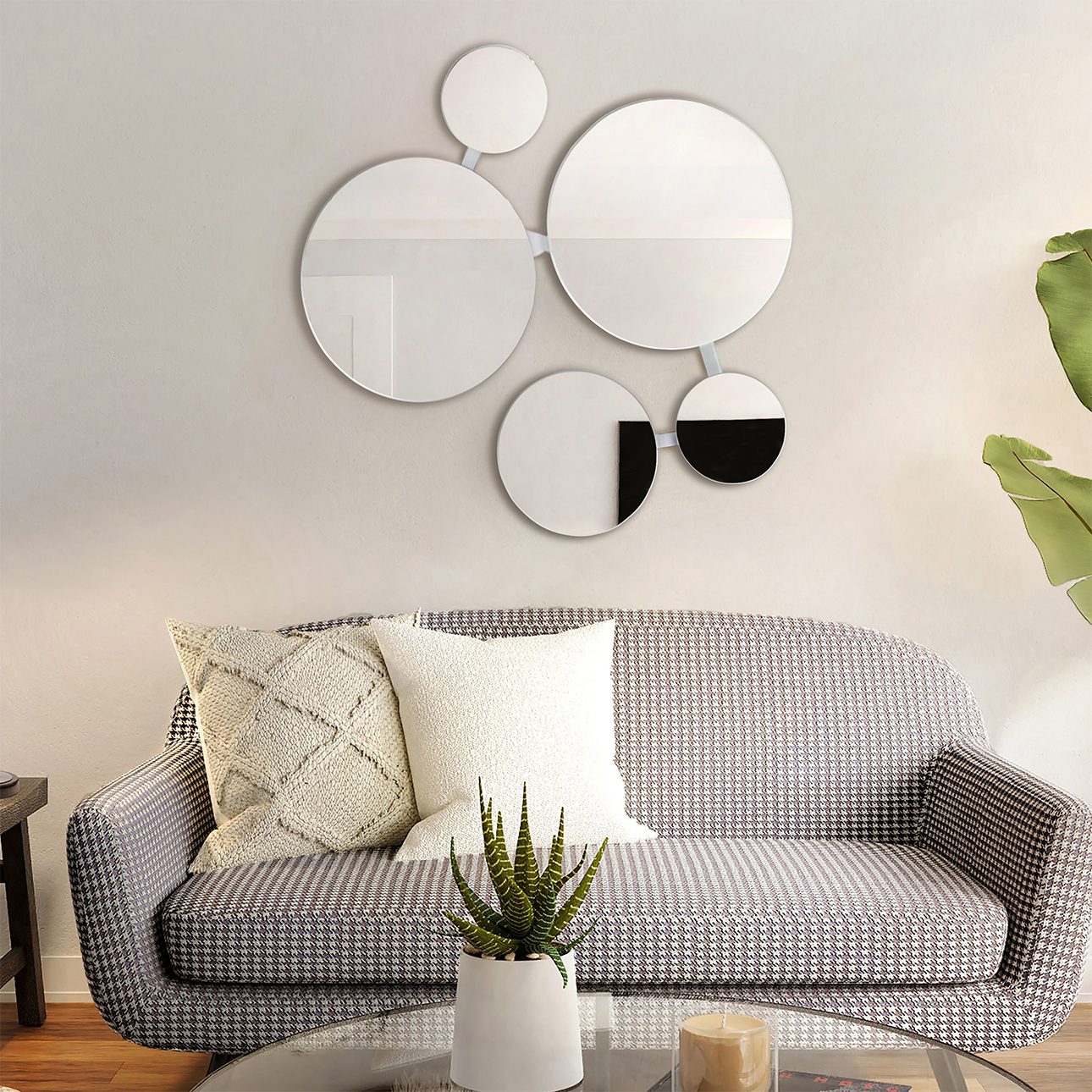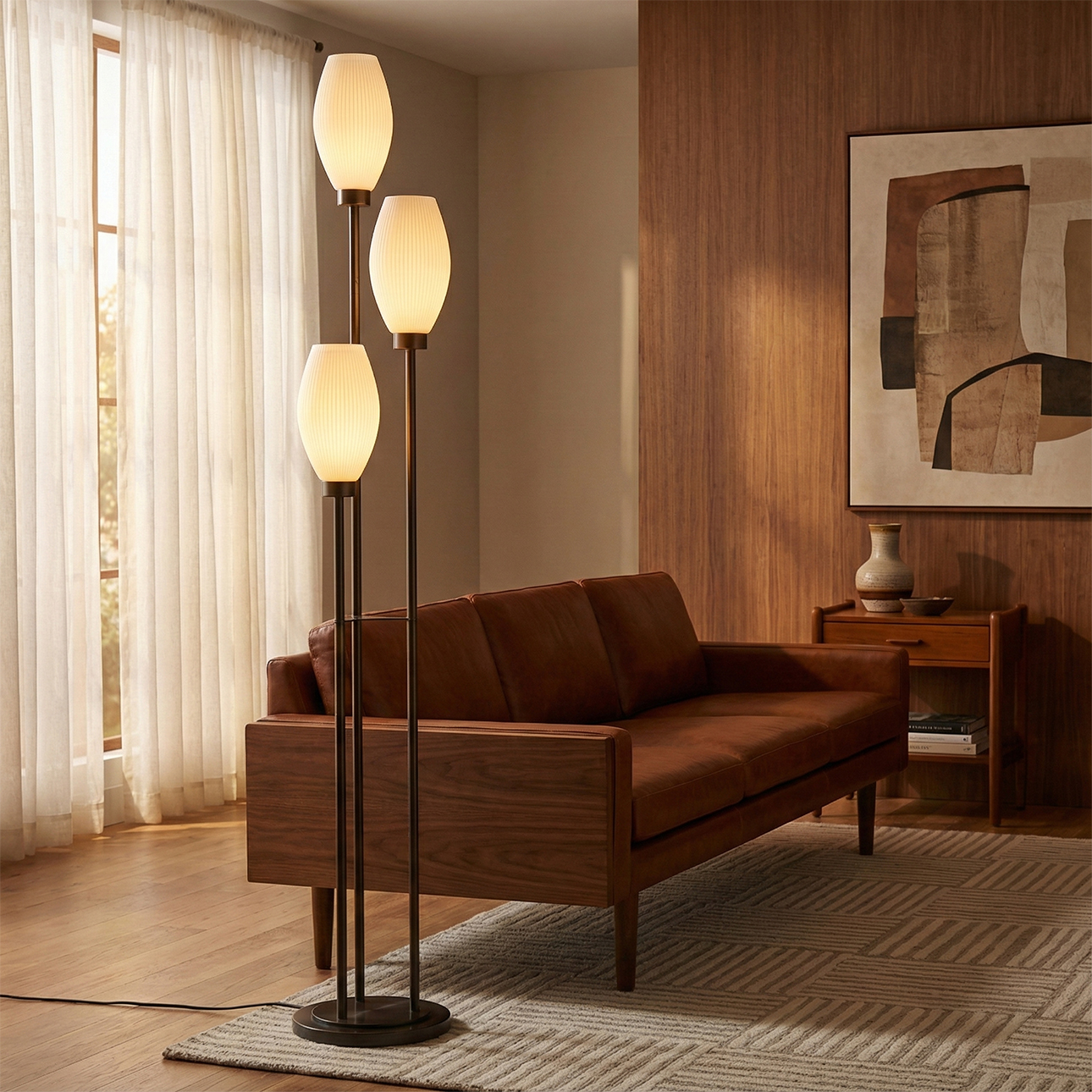


When most people think about living room upgrades, they think about furniture, paint colors, or maybe a new rug. Lighting is usually an afterthought — and that is a costly mistake. The right lighting setup does not just illuminate a room. It shapes how the space feels, how colors appear on the walls, how relaxed or energized you feel sitting in it, and how guests perceive the entire home the moment they walk through the door.
Smart living room lighting has evolved well beyond ceiling fixtures and floor lamps. One of the most significant shifts in modern interior lighting design is the rise of LED mirrors. Once associated primarily with bathrooms and vanity areas, LED mirrors have moved into living spaces in a serious way. Brands like Nova of California have been at the forefront of this shift, offering thoughtfully designed LED mirrors that bring architectural elegance, functional illumination, and energy efficiency into the same package.
This guide covers everything a homeowner needs to know about building a smart lighting plan for the living room, with LED mirrors as a core component of that plan. From layered lighting concepts and fixture placement to real product comparisons and design tips for different room sizes, this is a complete resource.
Why Living Room Lighting Deserves More Attention
The living room is one of the most used spaces in any home. It handles multiple functions throughout a single day. In the morning, it might serve as a reading area or a place to work remotely. In the afternoon, it becomes a space for casual conversation or entertaining guests. In the evening, it shifts into a relaxation zone for watching TV, listening to music, or simply unwinding.
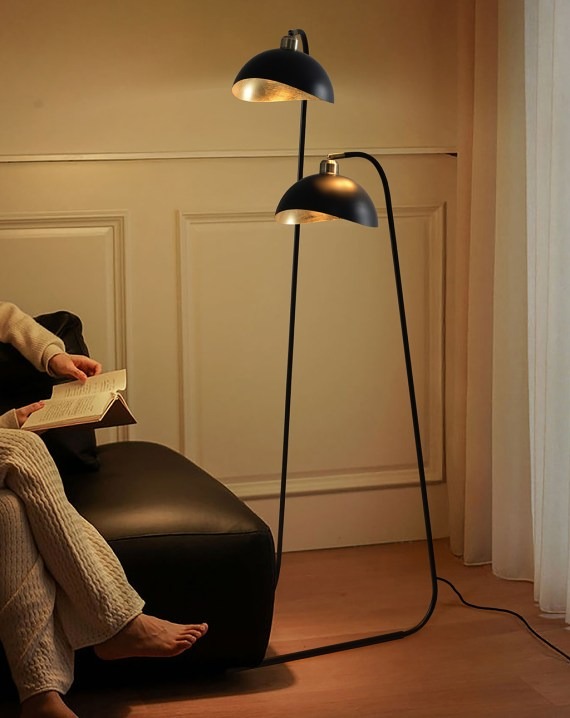
Each of these scenarios calls for a different quality and intensity of light. Harsh overhead lighting that works fine for daytime tasks feels uncomfortable and unflattering at night. Dim, warm accent lighting that creates the perfect evening mood can feel inadequate when you need to read or concentrate.
This is where smart lighting design — and specifically layered lighting — becomes essential.
The Three Layers of Living Room Lighting
Professional lighting designers consistently work with three distinct layers when planning any living space.
Ambient lighting provides the base level of illumination. This is your general overhead light — whether from recessed ceiling fixtures, a pendant, or a central chandelier. It establishes the overall brightness of the room and sets the first impression.
Task lighting targets specific functional areas. A floor lamp next to a reading chair, a table lamp on a side table near a home office corner, or directed lighting over a work surface all fall into this category. Task lighting is practical and purposeful.
Accent lighting adds depth, drama, and visual interest. This is where LED mirrors, wall sconces, LED strip lighting, and decorative fixtures come in. Accent lighting draws attention to architectural features, artwork, or design elements, and it contributes significantly to the overall mood of a room.
Most homes rely almost entirely on ambient lighting, which leads to flat, uninspiring interiors. A room that uses all three layers thoughtfully feels professionally designed, even without expensive renovations.
What Makes LED Mirrors a Smart Choice for Living Rooms
The Functional Elegance of LED Mirrors
LED mirrors are exactly what they sound like — mirrors with built-in LED lighting integrated into the frame, behind the glass, or along the edges. In living spaces, they serve a dual purpose that no other lighting fixture can replicate.
First, they provide light. The LED elements in a quality mirror like those from Nova of California emit consistent, clean, color-accurate illumination. This light can be warm, cool, or adjustable depending on the model. It bounces off the mirror surface, distributing light throughout the room without the harshness of a direct overhead source.
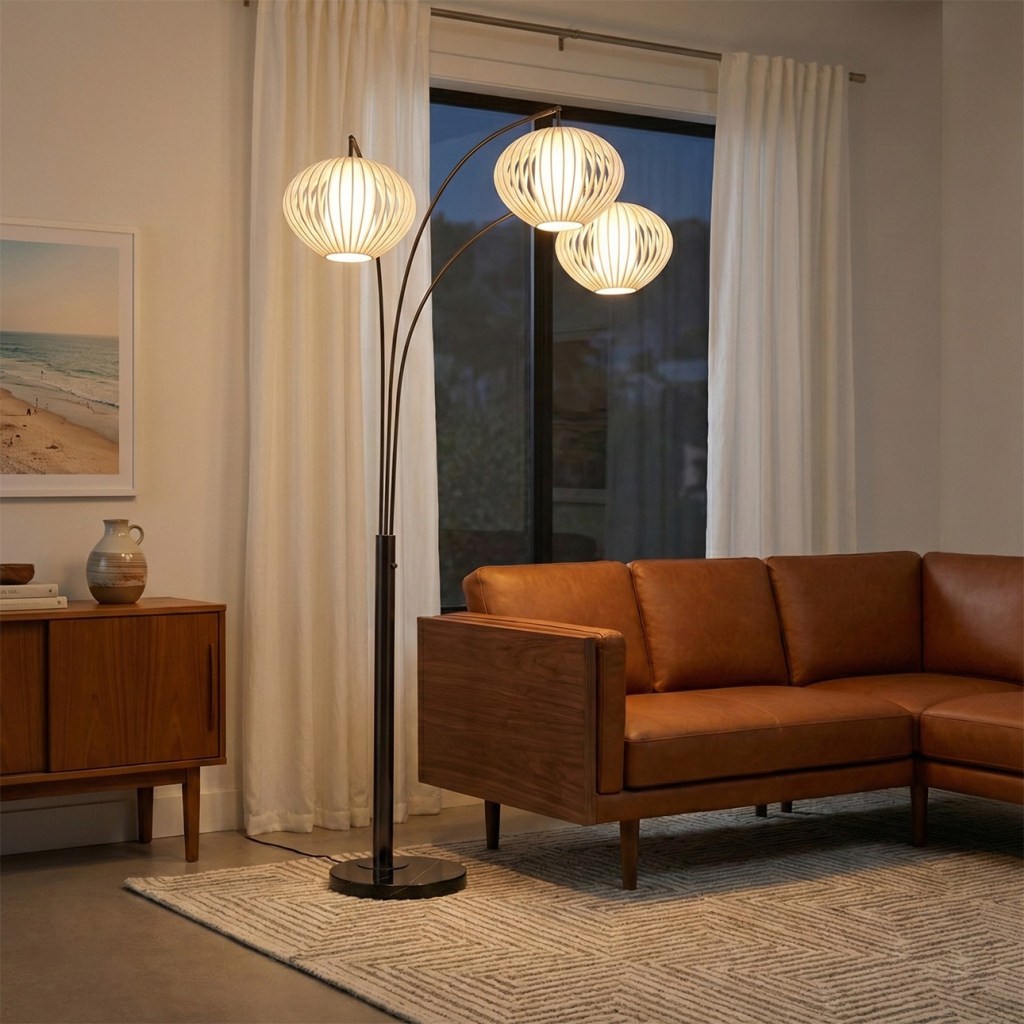
Second, the mirror surface itself amplifies the sense of space and brightness. Mirrors reflect light from other sources in the room, which means placing an LED mirror strategically can effectively double the perceived brightness of an area. In smaller living rooms, this effect is transformative.
Third, an LED mirror functions as a design statement. The combination of reflective glass and subtle integrated lighting creates a visual anchor for a wall — something with presence and intentionality that elevates the entire room.
Energy Efficiency and Long-Term Value
Traditional incandescent and halogen lighting sources waste a significant portion of their energy output as heat. LED technology operates on a completely different principle. LEDs convert most of their energy directly into light, which means lower electricity bills and significantly longer operational lifespans.
A high-quality LED mirror fromNova of California typically operates at a fraction of the wattage required by equivalent traditional fixtures. Over time, this results in meaningful savings on energy costs, especially in rooms like the living room where lighting is used for many hours each day.
Beyond the operating cost savings, LED lighting also requires far less maintenance. The LED elements in a well-built mirror can last tens of thousands of hours without needing replacement. That is years of reliable performance without the hassle of changing bulbs.
Color Temperature and Light Quality
One of the most important technical aspects of any lighting fixture is its color temperature. Measured in Kelvin, color temperature determines whether light appears warm and amber, neutral and white, or cool and blue-white.
For living rooms, the general preference falls between 2700K and 3500K — the warm to neutral range. This range is flattering for skin tones, complements most interior color palettes, and creates a comfortable, inviting atmosphere.
Many LED mirrors, including several models in the Nova of California lineup, offer adjustable color temperature. This flexibility allows a single fixture to serve multiple moods and functions. Set it warm in the evening for a relaxed ambiance. Shift it slightly cooler during the day when you want brighter, more alert illumination.
Color Rendering Index (CRI) is another important metric. A CRI of 90 or above means the light source renders colors very close to how they appear in natural daylight. For living rooms with artwork, vibrant upholstery, or carefully chosen paint colors, high-CRI lighting ensures those colors look their best at all times.
How to Plan a Layered Lighting Setup With LED Mirrors
Start With the Room Layout
Before selecting any fixtures, map out how the living room is used. Identify the primary seating area, any dedicated reading or work zones, the location of the TV or entertainment setup, and any architectural features — fireplace, built-in shelving, large windows — that might benefit from accent lighting.
This mapping exercise will clarify where ambient sources need to go, where task lighting is required, and where accent pieces like LED mirrors will have the most impact.
Choosing the Right Wall for Your LED Mirror
Placement makes all the difference with an LED mirror. In a living room, the most effective positions are generally opposite or adjacent to natural light sources. When an LED mirror faces a window, even indirectly, it catches and redistributes daylight during the day and ambient artificial light in the evening.
A wall behind or beside a sofa is another strong option. Here, the mirror adds depth to the primary viewing axis of the room — the wall that guests and residents look toward most often. The integrated LED lighting frames the mirror with a subtle glow that reads as intentional design rather than an afterthought.
Avoid placing LED mirrors directly behind the main TV wall if glare might become an issue. However, flanking a TV wall with one or two LED mirrors on adjacent walls can be extremely effective, creating a balanced visual arrangement and contributing to the overall ambient light level in the room.
Sizing the Mirror to the Space
Proportion matters enormously in interior design. A mirror that is too small for its wall looks hesitant and out of place. One that is too large can overwhelm a room or feel institutional.
As a general guideline, an LED mirror in a living room should occupy between one-third and two-thirds of the wall width it is placed on. For a standard wall in an average American living room, this typically works out to a horizontal width between 36 and 60 inches, or a vertical mirror between 48 and 72 inches tall.
Nova of California offers LED mirrors across a wide range of sizes, which makes it straightforward to find the right proportion for any room. Their sizing guide accounts for both the mirror field and the overall frame or backlit perimeter, so the dimensions represent the full visual footprint of the fixture.
Real Example: Comparing Two Living Room Lighting Setups
To make this practical, consider two real-world scenarios. Both represent typical American living rooms of similar size — approximately 15 by 20 feet — but with very different lighting approaches.

Setup A: Standard Overhead Lighting Only
The first setup relies entirely on a central ceiling fixture — a basic flush-mount light with soft white bulbs. There are no lamps, no accent lighting, and no mirrors of any kind.
In this room, the light is uniform but flat. There are no visual focal points on the walls. The furniture reads as a collection of objects rather than a composed interior. In the evening, the single ceiling source creates unflattering top-down shadows on faces and textures. The space feels functional but not particularly welcoming.
Energy use is minimal because there is only one fixture, but the quality of the experience reflects that minimal investment. Guests tend to describe rooms like this as “fine” but not memorable.
Setup B: Layered Lighting With a Nova of California LED Mirror
The second setup adds three elements to the same basic overhead fixture. A large LED mirror from Nova of California — approximately 48 by 36 inches — is mounted on the primary accent wall, opposite the main seating arrangement. Two table lamps with warm-toned bulbs are placed on side tables flanking the sofa. The LED mirror is set to a 2700K warm white temperature.
In the evening, the overhead light is dimmed using a simple smart dimmer switch. The table lamps provide comfortable ambient light for the seating area. The LED mirror contributes a steady, even glow that reflects off surrounding surfaces and creates a sense of depth on the wall.
The room feels larger, warmer, and more intentionally designed. The mirror acts as a visual anchor for the accent wall, and its light integrates seamlessly with the other sources rather than competing with them.
The energy cost of the second setup is only marginally higher than the first, because the LED mirror operates at very low wattage. The experiential difference, however, is significant.
Comparing LED Mirror Styles for Living Rooms
Not all LED mirrors are designed the same way, and for living rooms specifically, certain styles work better than others. Here is a comparison of the most common configurations.
| Style | Best For | Light Output | Design Impact |
| Frameless Backlit | Modern, minimalist interiors | Soft, diffused halo effect | High visual elegance |
| Framed with Front LEDs | Traditional or transitional rooms | Direct, brighter illumination | Defined, classic look |
| Full-Length Vertical | Narrow walls, studio spaces | Broad ambient coverage | Strong visual presence |
| Horizontal Wide Format | Above consoles or fireplaces | Wide, even light spread | Architectural proportion |
| Smart Dimmable with CCT | Rooms with multiple lighting needs | Adjustable warm to cool | Maximum flexibility |
Nova of California produces mirrors across all of these categories, with particular strength in the frameless backlit and smart dimmable segments. Their smart models integrate with voice control platforms and allow users to adjust brightness and color temperature without touching the mirror itself — a feature that fits naturally into any connected home setup.
Living Room LED Mirror Placement Tips by Room Size
Small Living Rooms (Under 200 Square Feet)
In compact living spaces, an LED mirror serves a critical visual function beyond just lighting. The reflective surface creates the illusion of additional depth, making the room feel larger and more open. For rooms of this size, a vertically oriented mirror works especially well, drawing the eye upward and adding perceived ceiling height.
Mount the mirror on the wall that receives the most natural light during the day. The combination of reflected daylight and the mirror’s own LED output will make the space feel bright even when the room has limited window area.
Avoid oversizing in small rooms. A mirror that spans more than half the wall width can feel oppressive rather than expansive. The sweet spot in a compact room is usually between 24 and 36 inches wide.
Medium Living Rooms (200 to 400 Square Feet)
Medium-sized living rooms have the most flexibility in LED mirror placement and sizing. These spaces can support a statement piece — a large horizontal mirror above a console or fireplace mantel, for example — without the space feeling crowded.
At this scale, the LED mirror becomes a true focal point. It should be paired with a consistent lighting plan that includes dimmable ambient sources and at least one task-oriented lamp. The mirror’s backlit glow becomes the signature aesthetic element of the room’s evening atmosphere.
Large Living Rooms (Over 400 Square Feet)
Large living rooms benefit from multiple accent lighting elements, and a single LED mirror may not be sufficient to serve the entire space. Consider pairing two LED mirrors on opposite walls to create a sense of symmetry and to distribute reflected light more evenly.
In great rooms and open-plan layouts, zoning the lighting by function is important. The main seating zone, the entertainment area, and any dining or work areas should each have their own lighting logic. LED mirrors work best anchoring the primary seating and conversation zone.
Smart Home Integration and LED Mirror Technology
One of the most compelling developments in residential lighting is the integration of fixtures with smart home platforms. LED mirrors have followed this trend, and models equipped with wireless connectivity offer features that were unimaginable in decorative mirrors just a decade ago.
Voice Control and App Management
Compatible LED mirrors from Nova of California can connect to smart home platforms, allowing users to adjust brightness levels, switch between color temperatures, set schedules, and create automated scenes — all without physical interaction with the mirror.
A common use case is creating a lighting scene for evening relaxation. With a single command, the LED mirror dims to 30 percent brightness at 2700K, the overhead light switches to low, and the room transitions into a warm, intimate atmosphere suited for unwinding.
Morning scenes work in the opposite direction: brighter output, slightly cooler color temperature, and coordinated activation with other smart home devices like thermostats and speakers.
Dimming and Brightness Control
Even without full smart home integration, a dimmable LED mirror provides substantial flexibility. Dimming capability allows the same fixture to serve completely different functions depending on the time of day and the activity taking place in the room.
Full brightness during daytime gatherings. Medium brightness for evening conversation. Low brightness for background ambiance during a movie. A single LED mirror with proper dimming support handles all of these scenarios without requiring additional fixtures.
Common Lighting Mistakes to Avoid in the Living Room
Relying Solely on Overhead Lighting
As addressed earlier, this is the most common and most impactful mistake in residential lighting. Overhead-only setups create flat, uninviting rooms that fail to take advantage of the room’s design potential. Layering is not optional in a well-designed living space — it is fundamental.
Ignoring Color Temperature Consistency
Mixing very warm and very cool light sources in the same room creates visual dissonance that most people find uncomfortable without being able to identify the cause. Aim for consistent color temperature across all fixtures in the living room, with a maximum variance of about 500K between sources.
If a mix is necessary — for example, a cooler task lamp in a reading corner within a room that uses warm ambient lighting — make sure the cooler source is a deliberate contrast rather than an accidental inconsistency.
Placing Mirrors Without Considering Reflection Angles
An LED mirror placed directly opposite a TV screen can create glare that disrupts viewing. Similarly, a mirror that reflects a cluttered or unattractive part of the room amplifies that problem rather than hiding it. Before committing to a placement, take time to stand at the mirror position and observe what it will reflect from multiple vantage points in the room.
Underestimating the Importance of Fixture Quality
Low-quality LED fixtures often flicker, produce inconsistent color temperatures across their output, or have poor CRI that makes room colors look dull or distorted. These problems are not always obvious in a showroom but become very apparent in daily living.
Investing in quality fixtures — like those in the Nova of California catalog — pays dividends in both the quality of the lighting experience and the longevity of the product. A well-built LED mirror will outlast multiple generations of cheaper alternatives while delivering consistently beautiful light throughout its service life.
The Nova of California Approach to LED Mirror Design
Nova of California has built its reputation on a combination of design sophistication and technical quality. Their LED mirror line reflects a commitment to both aesthetics and performance that is evident from the first interaction with any of their products.
Every mirror in their living room collection is designed with the understanding that lighting fixtures are also design objects. The proportions, edge treatments, and frame finishes are developed in parallel with the lighting specifications, so the visual and functional dimensions of each mirror work together rather than competing.
Their use of high-efficiency LED strips with consistent color binning — the process that ensures all LEDs in a fixture produce the same color temperature — means that Nova of California mirrors deliver uniform light output across the entire emitting surface. There are no hot spots, no color variations from edge to center, and no dimming artifacts at lower brightness levels.
The brand also prioritizes installation accessibility. Their mounting systems are designed to accommodate the most common residential wall configurations, and their wiring setups are straightforward enough for most homeowners to manage without professional assistance. For larger or more complex installations, their customer support team is available to walk through the process.
Maintenance and Care for LED Mirrors in Living Spaces
LED mirrors are relatively low-maintenance compared to traditional decorative lighting, but they do benefit from basic care that extends their lifespan and keeps them performing at their best.
Glass cleaning should use streak-free glass cleaner applied to a soft microfiber cloth rather than sprayed directly onto the mirror surface. This prevents moisture from reaching the LED components behind or around the glass.
Dust accumulation around the LED emitters can gradually reduce light output over time. A dry microfiber cloth or a soft brush attachment on a vacuum at low power can clear this without risk of damage.
The electrical components in quality LED mirrors require no maintenance during their operational lifespan. However, if any LED elements begin to show uneven output or color shift, contacting the manufacturer is the appropriate first step rather than attempting independent repair.
Frequently Asked Questions About LED Mirrors in Living Rooms
Can LED mirrors be used as the primary light source in a living room?
An LED mirror can contribute meaningfully to a room’s overall light level, but it works best as part of a layered lighting scheme rather than as the sole source of illumination. For most living rooms, combining an LED mirror with dimmable ambient fixtures produces the most flexible and comfortable result.
What is the ideal mounting height for an LED mirror in a living room?
For mirrors mounted above furniture like consoles or sideboards, the bottom edge of the mirror should sit approximately 6 to 8 inches above the top surface of the furniture. For wall-mounted mirrors without supporting furniture beneath, the center of the mirror should align with eye level, typically around 57 to 60 inches from the floor.
Are LED mirrors safe to use in living areas near soft furnishings?
Yes. LED technology generates very little heat compared to incandescent or halogen sources, which means the risk of heat-related damage to nearby soft furnishings is essentially negligible. Quality LED mirrors like those from Nova of California are built and tested to residential safety standards appropriate for living spaces.
How do I choose between a warm white and a cool white LED mirror for my living room?
For most American living rooms with traditional or transitional design styles, warm white in the 2700K to 3000K range is the most flattering and comfortable choice. For contemporary or modern interiors with cooler color palettes, neutral white around 3500K can work well. If flexibility is a priority, choose a model with adjustable color temperature so the mirror can serve multiple moods.
Do LED mirrors in living rooms add to home resale value?
While no single fixture is guaranteed to add measurable resale value on its own, a well-executed lighting plan — including statement LED mirrors — contributes to the overall impression of quality and intentional design. Homes with thoughtful lighting consistently photograph better, show better, and attract stronger buyer interest than comparable homes with basic or outdated lighting.
Can I install an LED mirror myself, or do I need an electrician?
Most LED mirrors from Nova of California are designed for straightforward hardwired or plug-in installation. Plug-in models can typically be installed without any electrical expertise. Hardwired models require connecting to an existing wall circuit, which many homeowners can manage but which some prefer to have completed by a licensed electrician to ensure code compliance and safety.
How long do the LED elements in a quality mirror typically last?
High-quality LED elements have rated lifespans of 50,000 hours or more. At an average of 8 hours of daily use, that translates to over 17 years of continuous service. Nova of California mirrors are built with commercial-grade LED components that meet or exceed this standard.
What size LED mirror works best in a living room with standard 8-foot ceilings?
For a room with 8-foot ceilings, a mirror between 36 and 48 inches tall strikes the best visual balance. Taller mirrors can feel cramped in low-ceiling rooms, while shorter mirrors may not have sufficient visual presence on a full-height wall. A horizontal rectangular mirror at this height range is particularly effective for standard American living rooms.
Final Thoughts on Building a Smarter Living Room With LED Mirrors
Smart living room lighting is one of the most accessible and high-impact upgrades a homeowner can make. The investment is moderate, the installation is manageable, and the results are immediate and lasting. Of all the elements in a layered lighting plan, LED mirrors occupy a unique position — they are simultaneously functional light sources, design objects, and spatial enhancers.
Nova of California has positioned itself as one of the most reliable and design-conscious names in the LED mirror category. Their commitment to light quality, proportional design, and long-term durability makes their mirrors a genuine investment in the livability and beauty of a home.
Whether the goal is a full smart home lighting integration or simply a more beautiful and functional living room, starting with a well-placed LED mirror from Nova of California is a decision that pays off every day.
Nova of California produces a curated collection of LED mirrors and smart lighting solutions for residential and commercial interiors. Their products are available through authorized retailers across the United States.