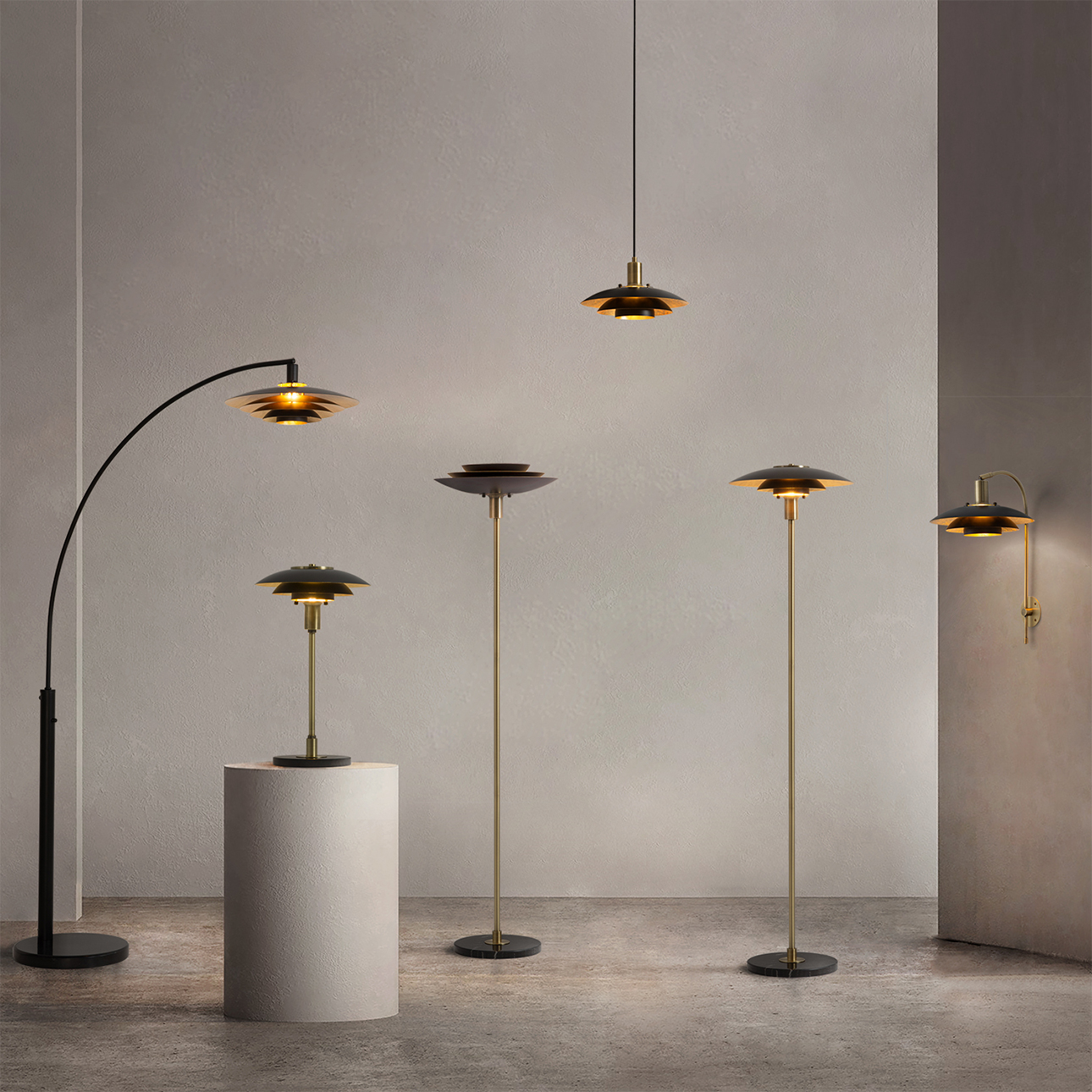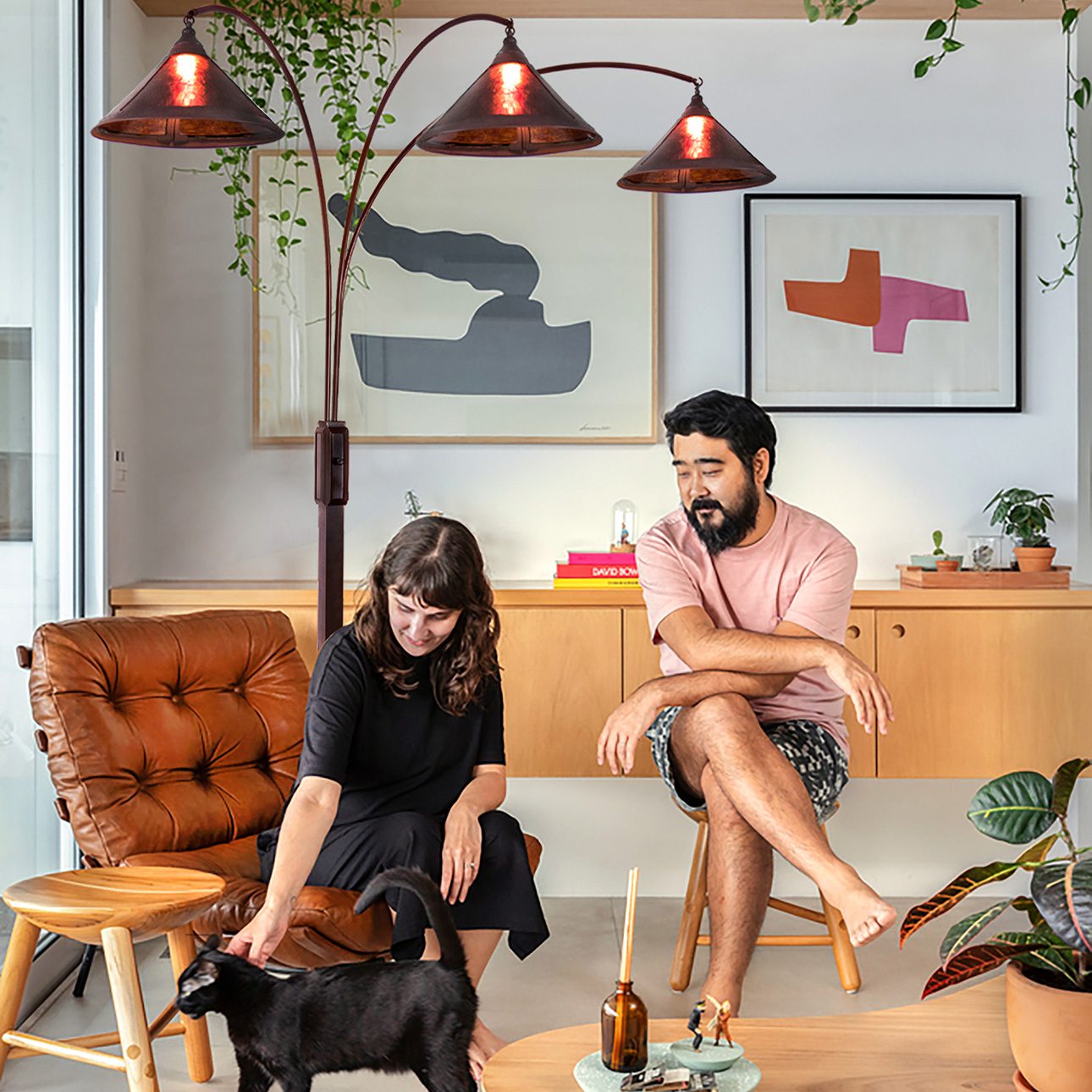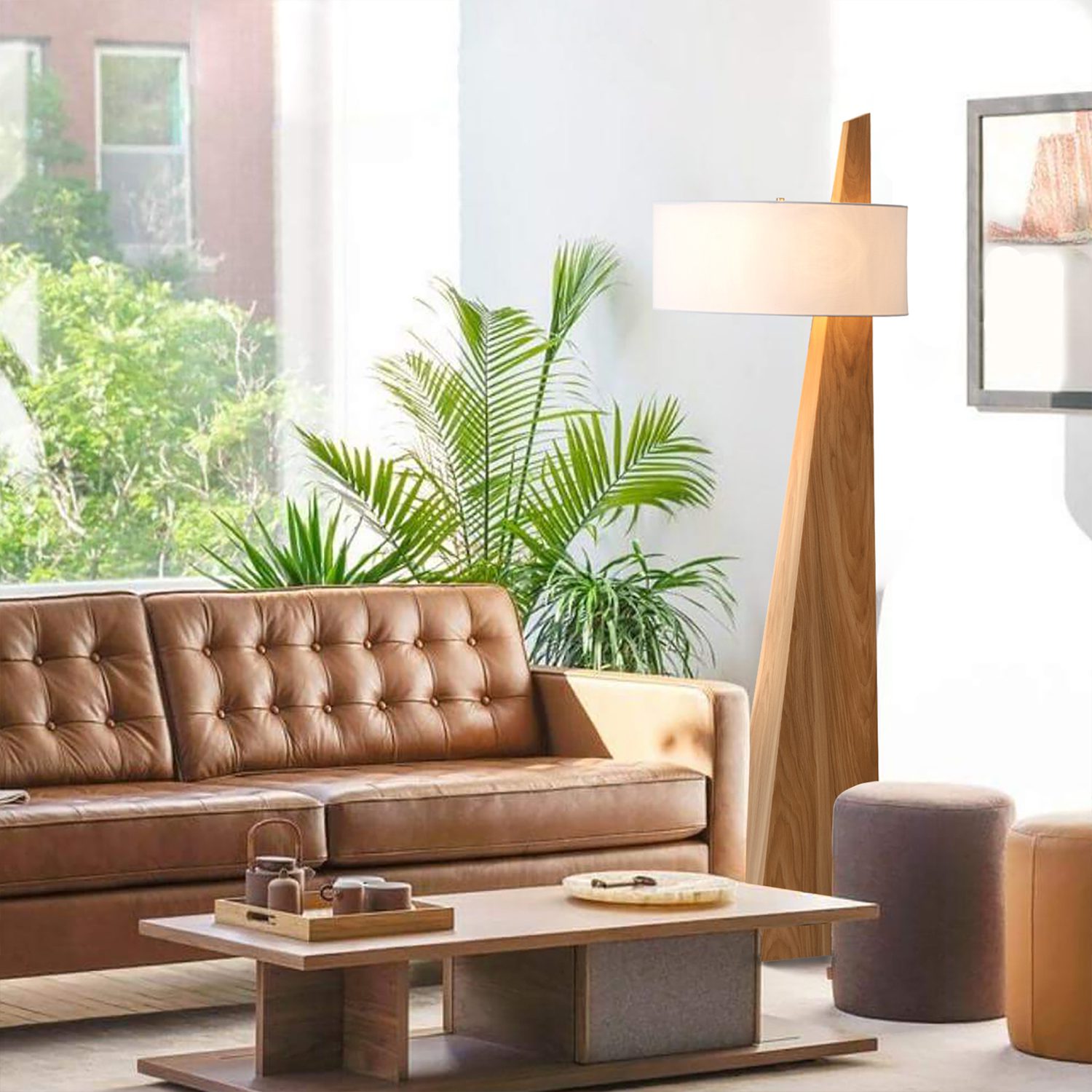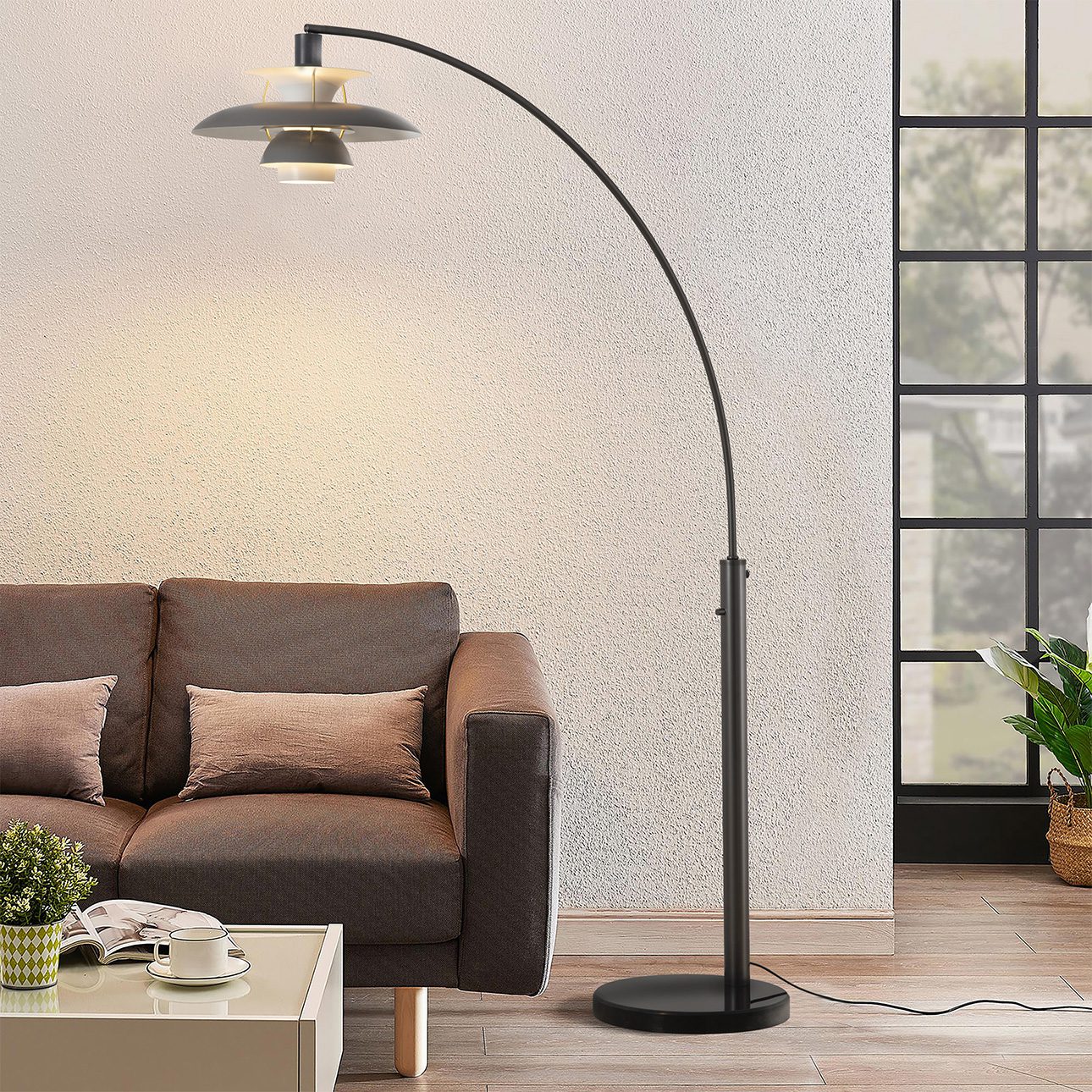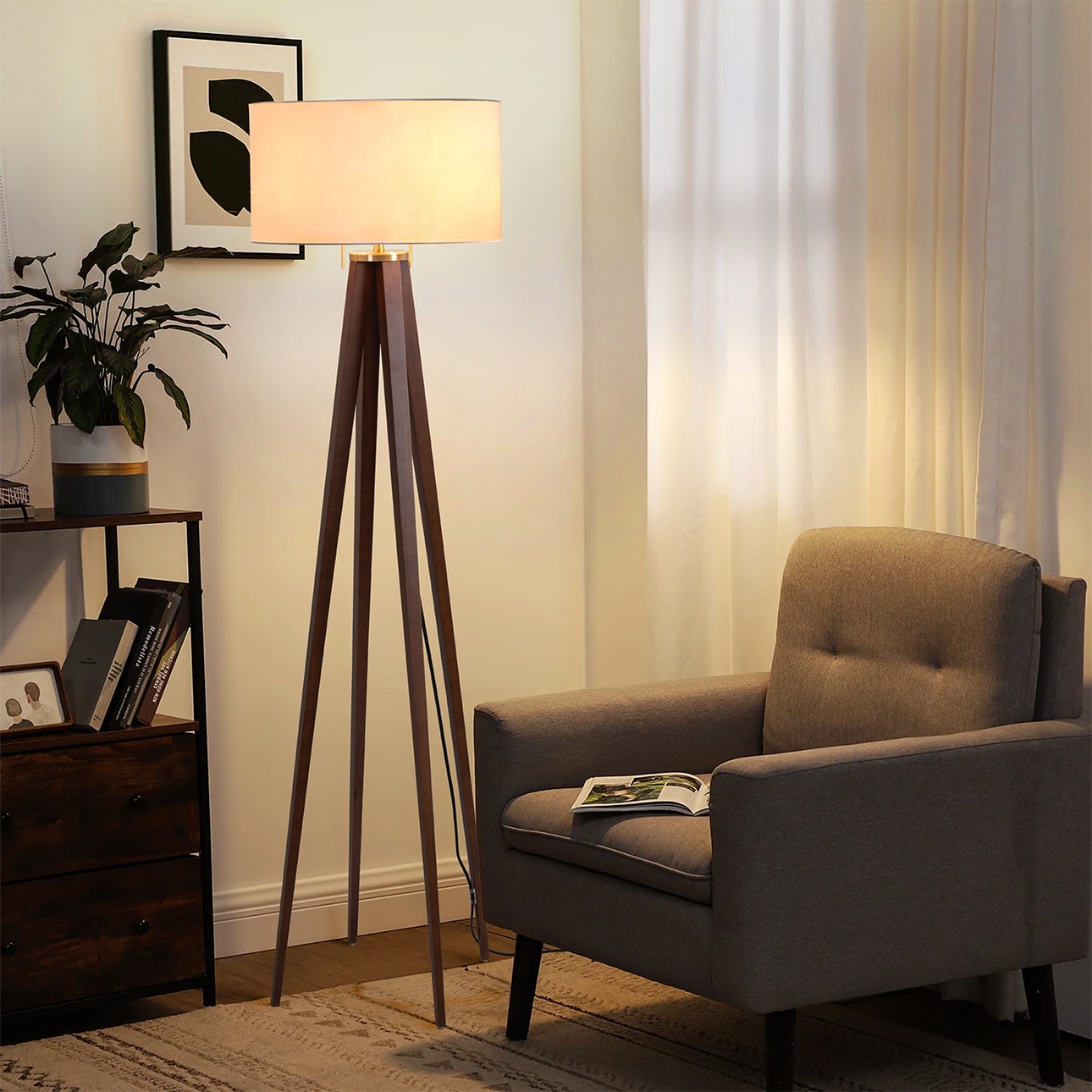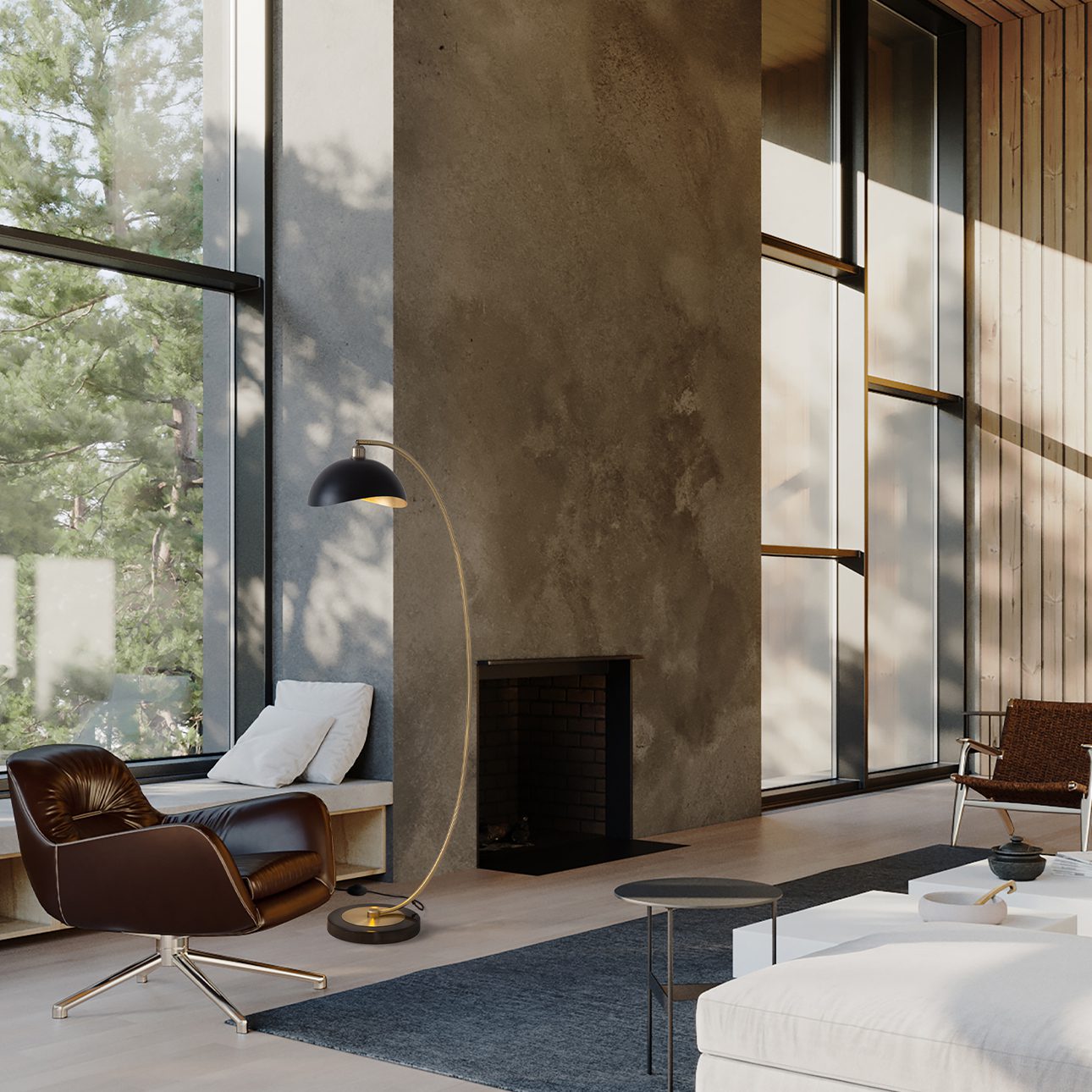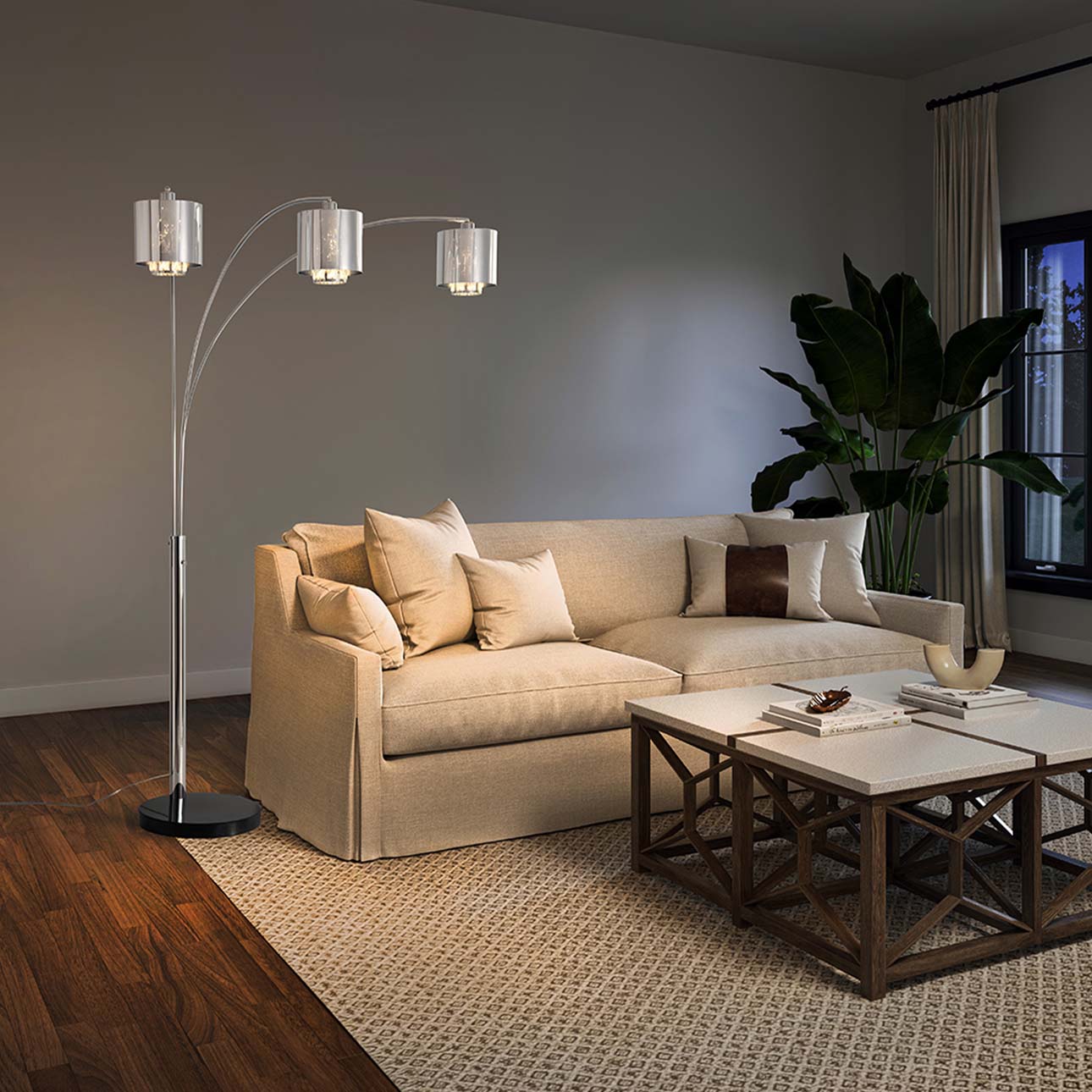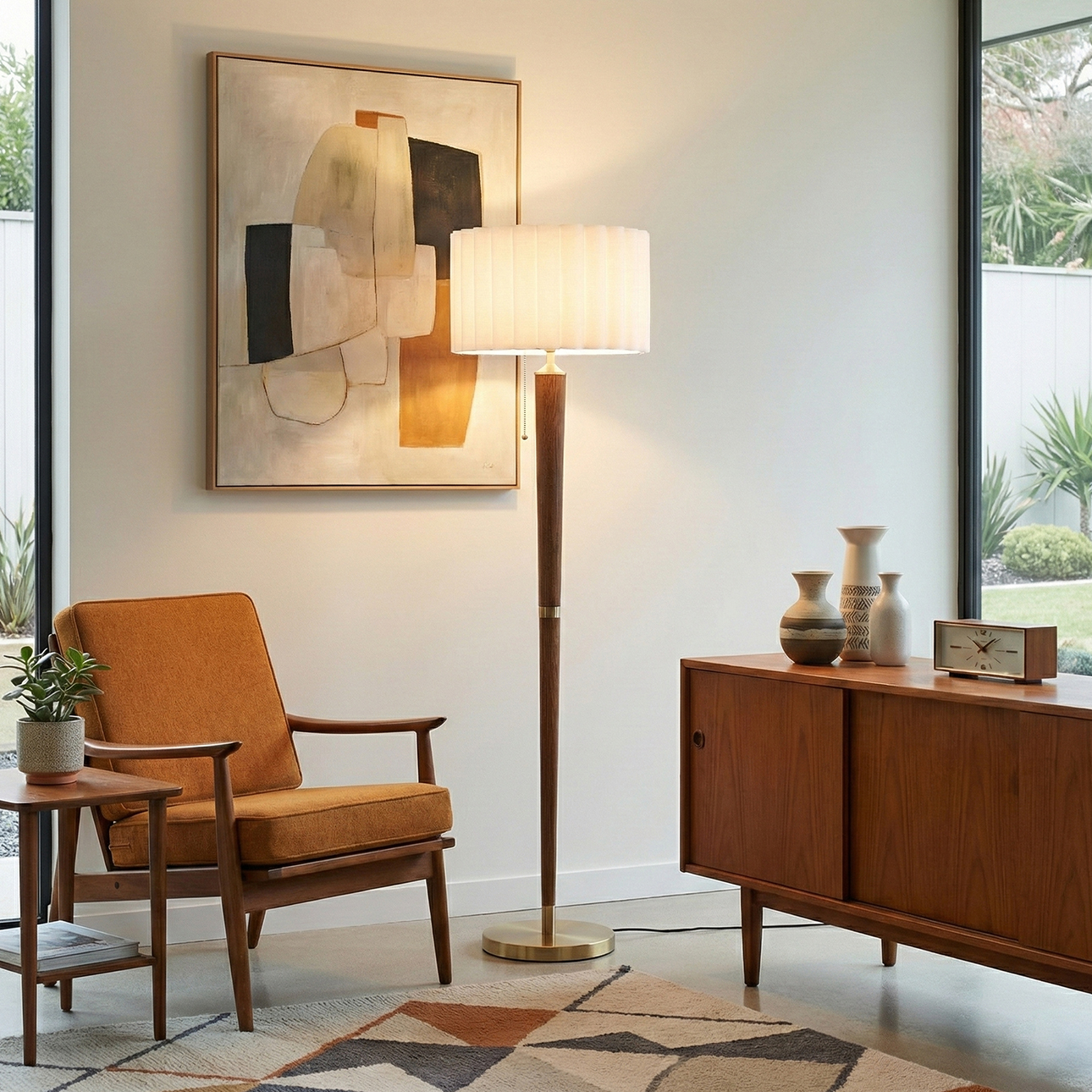


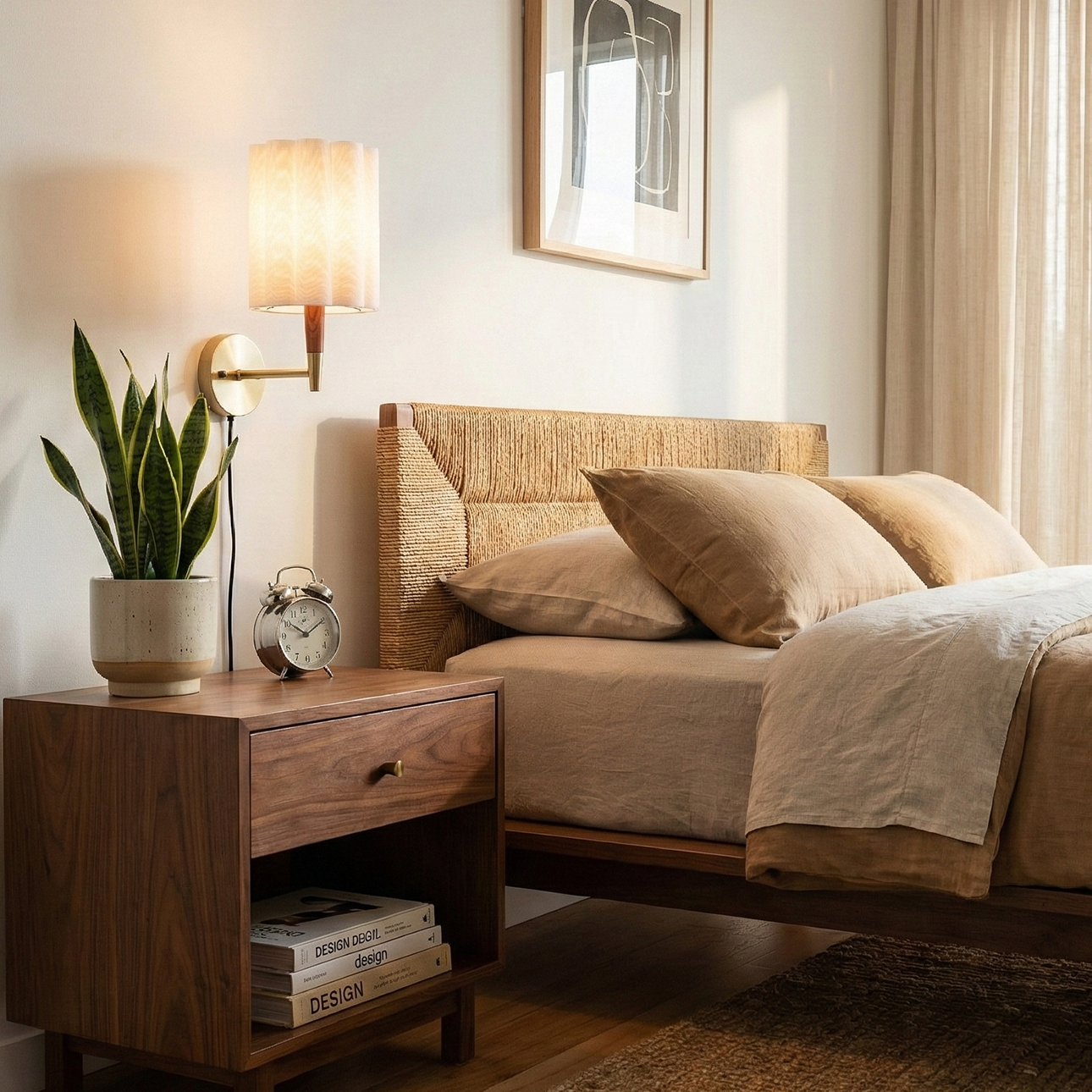
Your bedroom lighting does more than brighten a dark room; it sets the emotional tone for your entire sleep environment. It can make a compact space feel expansive, a plain room feel luxurious, and a restless night feel like genuine rest. In 2026, homeowners across the USA and Canada are finally treating bedroom illumination as a design priority, not an afterthought. At Nova of California, we’ve watched these shifts closely, and I’ll walk you through exactly what’s trending, what’s worth investing in, and how you can use light to transform the way your bedroom feels every single night.
Whether you’re redesigning a master suite, refreshing a guest room, or just tired of that harsh overhead bulb, this guide gives you everything you need. We’re talking layered lighting plans, smart controls, circadian rhythm systems, sculptural fixtures, and more all grounded in real interior design principles that work in actual homes.
Why Bedroom Lighting Deserves More Attention in 2026
There’s a reason interior designers talk about light the way painters talk about color. It shapes perception, influences mood, and affects biology. In the bedroom, specifically a space tied to rest, intimacy, and self-care the quality and character of your bedroom lighting directly influences your sleep quality, mental state, and how you start each morning.

Lighting science has evolved. We now understand that color temperature, lumen output, and lighting placement all play roles in circadian rhythm regulation. The wellness design movement, which gained momentum during the early 2020s, has carried into 2026 with a sharper focus on biophilic elements, warm-toned fixtures, and human-centric lighting systems that actually adapt to your body’s needs.
Beyond wellness, there’s the pure aesthetic side. Bedroom interiors in 2026 lean into texture, warmth, and personality. A well-chosen pendant light or a thoughtfully placed wall sconce can anchor an entire room’s visual identity. Your lighting fixtures are furniture for your ceiling and walls — they deserve the same consideration you’d give a headboard or a nightstand.
The Core Principles of Bedroom Lighting Design
Before we get into specific trends, it helps to understand the three-layer framework that professional designers use. Layered bedroom lighting isn’t a new concept, but it’s become the gold standard in 2026 — and for good reason.
Ambient lighting is your room’s base layer general illumination that replaces daylight. Think recessed downlights, flush-mount ceiling fixtures, or a central chandelier. Task lighting is functional bedside lamps, reading sconces, or vanity lights that help you see clearly without lighting the whole room. Accent lighting is the creative layer of LED strips behind a headboard, a picture light over art, or an illuminated shelf that adds visual depth and personality.
Most bedrooms in North American homes are built with only one layer, a central ceiling fixture — which explains why so many bedrooms feel flat and uninspiring. The 2026 approach is to layer all three intentionally, using dimmers, smart controls, and carefully chosen fixtures to create a room that can be energizing in the morning and deeply relaxing by evening.
2026 Bedroom Lighting Trends at a Glance
| Trend | Style Fit | Best For |
| Layered Ambient Lighting | Modern, Transitional | Master Bedroom, Guest Room |
| Smart Dimmer Systems | Contemporary, Minimalist | All Bedroom Types |
| Sculptural Pendants | Eclectic, Luxury | Master Bedroom |
| LED Cove Lighting | Modern, Glam | Large Bedrooms |
| Warm-Toned Sconces | Traditional, Bohemian | Reading Nooks, Bedsides |
| Circadian Rhythm Lighting | Wellness-Focused | Health-Conscious Homeowners |
| Statement Chandeliers | Glam, Art Deco | Large Master Bedrooms |
| Recessed Accent Lighting | Clean, Minimal | Contemporary Spaces |
The Top Bedroom Lighting Trends Shaping 2026
1. Layered Lighting Plans Built for Flexibility
If there’s one overarching trend that defines 2026 bedroom lighting, it’s intentionality. Homeowners and designers are moving away from single-source, all-or-nothing lighting setups in favor of carefully constructed layered systems. A properly layered bedroom lighting plan gives you full control; you can set the room to energizing daylight brightness for a productive morning, then dial everything back to a warm, dim glow when you’re winding down before bed.
Here’s an example of what a layered bedroom lighting plan might look like in a mid-sized master suite. Recessed downlights on a dimmer provide the ambient layer. Wall-mounted swing-arm sconces on either side of the bed handle task lighting for reading. A warm LED strip behind the headboard or beneath a floating shelf adds the accent layer. Each circuit is controlled independently either through traditional dimmer switches or a smart home system.
The result isn’t just visually richer, it’s functionally superior. You’ve essentially built a lighting system that adapts to your daily rhythm rather than forcing you to adapt to it.

Why Layering Matters for Sleep Hygiene
Sleep hygiene isn’t just about keeping your phone off the bed. Blue-light exposure in the evening particularly from cool-white LEDs above 4000K signals the brain to stay alert by suppressing melatonin production. When your bedroom lighting allows you to shift to warm, dim illumination in the hours before sleep, you’re actively supporting your body’s natural wind-down process. This is why dimmer compatibility and warm color temperature options are non-negotiable in 2026 bedroom design.
2. Smart Bedroom Lighting Systems and Wireless Controls
Smart lighting has moved from novelty to necessity. In 2026, its fully mainstream and smart bedroom lighting systems are among the most requested upgrades from homeowners across the USA and Canada. These systems integrate with platforms like Google Home, Amazon Alexa, and Apple HomeKit, letting you control every fixture in your bedroom from a phone app, a wall panel, or simply your voice.
I’ve seen firsthand how transformative this can be. Imagine waking up to a gradual light that mimics natural sunrise, easing you out of sleep rather than shocking you with an alarm. Or setting a ‘Wind Down’ scene that automatically dims every light to 20% brightness at 9:30 PM, a soft cue that it’s time to sleep. These aren’t futuristic concepts; they’re features available in systems like Lutron Caséta, Philips Hue, and Leviton Decora Smart, all of which work beautifully with premium fixtures from Nova of California.
Key Features to Look for in Smart Bedroom Lighting
When you’re evaluating smart lighting systems for your bedroom, prioritize these capabilities: tunable white light (the ability to shift between warm and cool tones), scheduling and automation, compatibility with your existing smart home ecosystem, and reliable dimming range. A system that dims smoothly from 100% to 1% gives you true versatility which is exactly what a well-designed bedroom needs.
3. Sculptural and Statement Pendant Lights Over the Bed
Pendant lights over the bed once considered unconventional in North American interiors are now one of the defining elements of a well-designed 2026 bedroom. In place of matching table lamps on either side of a nightstand, a pair of hanging pendants (or one dramatic statement piece centered above the headboard) creates a visual focal point that anchors the room’s design language.
This trend has been accelerating because ceiling heights in new construction across the USA and Canada have been increasing. Ten-foot ceilings are standard in many new builds, making pendant lights far more practical. Sculptural forms, organic shapes inspired by nature, asymmetrical silhouettes, and handcrafted materials like woven rattan, blown glass, and hand-hammered metal are especially popular. They add visual texture and personality that a standard table lamp simply can’t deliver.
Nova of California’s fixture collections reflect this shift toward sculptural bedroom pendant lighting, with designs that balance artistic form with practical warm-toned illumination. When you’re choosing a pendant for the bedroom, look for ones that position the light source at or below eye level when seated in bed. You want the light to work for reading and ambiance, not to shine directly into your eyes from above.
4. LED Cove Lighting and Indirect Illumination
Indirect lighting is one of those techniques that separates a professionally designed bedroom from a DIY attempt. When light is hidden tucked into a recessed cove near the ceiling, placed behind a floating headboard, or installed under a floating platform bed frame it creates a soft, diffused glow that you see the effect of without seeing the source directly.
In 2026, LED cove lighting has become one of the most sought-after bedroom features. The technology has matured significantly; RGBW LED strips can now produce truly warm white tones that feel indistinguishable from incandescent, and the control systems are seamless. A warm LED strip installed in a recessed channel behind a custom headboard panel, for example, adds architectural depth to the room while providing enough ambient light to navigate comfortably at night without turning on a brighter fixture.
This technique works in both large master bedrooms and smaller guest rooms. In compact spaces, indirect lighting makes the room feel larger by pushing light toward the ceiling and creating the illusion of more height. It’s an elegant, effective solution that’s central to how Nova of California approaches modern bedroom lighting design.
5. Circadian Rhythm Lighting for Wellness-Focused Bedrooms
Perhaps the most important functional trend of 2026 is circadian rhythm lighting also called human-centric lighting or tunable white lighting. The idea is straightforward: your body’s internal clock (the circadian rhythm) responds to changes in light color and intensity throughout the day. Bright, cool-toned light in the morning boosts alertness. Warm, dim light in the evening signals the body to prepare for sleep.
Circadian lighting systems do this automatically. They shift the bedroom light’s color temperature throughout the day — beginning around 5000K to 6500K in the morning, transitioning to 3000K during the afternoon, and settling into 2200K to 2700K in the evening and night. Paired with gradual dimming schedules, these systems create a lighting environment that actively supports your biology rather than working against it.
This isn’t a fringe wellness trend. The American Academy of Sleep Medicine and numerous sleep researchers have documented the impact of evening light exposure on sleep latency and quality. In the context of bedroom lighting design, circadian systems represent the clearest intersection of aesthetic and functional excellence. They’re the single most impactful upgrade a bedroom can have from a health standpoint.
How to Implement Circadian Lighting Without a Full Renovation
You don’t need to rewire your bedroom to benefit from circadian lighting principles. Smart bulbs like the Philips Hue White Ambiance line or the LIFX A19 allow you to set automated schedules that shift color temperature throughout the day. Pair these with compatible bedside fixtures or recessed downlights, and you’ve got a functional circadian system without touching your electrical panel.
6. Warm-Toned Wall Sconces and Bedside Reading Lights
Wall sconces have always been a bedroom staple, but they’ve undergone a serious design evolution in 2026. The generic drum-shade sconce has given way to architectural, sculptural, and artisan-crafted forms articulating arms, adjustable reading positions, exposed Edison-style filaments in hand-blown glass, and fixtures made from natural materials like aged brass, blackened steel, and travertine stone.
What makes a wall sconce particularly valuable in the bedroom is its versatility. Properly positioned bedside sconces mounted at roughly 55 to 60 inches from the floor direct task light downward for reading while keeping glare out of your partner’s eyes. Swing-arm or articulating models are especially popular because they can be adjusted to suit whatever you’re doing, then folded back flat when not in use.
From a design perspective, bedside sconces also free up nightstand surface area. When you remove table lamps from the equation, you gain a usable surface for books, a glass of water, your phone charger and the functional items that actually belong there.
7. Statement Chandeliers in the Master Bedroom
Chandeliers in the bedroom used to be reserved for grand, formal spaces. That’s changed. In 2026, bedroom chandeliers are a mainstream design choice especially in master bedrooms with nine-foot or higher ceilings. The key difference from traditional dining room chandeliers is scale and warmth. Bedroom versions tend to be softer in form, warmer in light output, and more intimate in scale.
Popular styles include linear chandeliers with multiple small glass globes, organic branching designs in brass or bronze, and minimal geometric forms in matte black or satin nickel. The goal isn’t grandeur for its own sake it’s creating a visual centerpiece that ties the room’s design together while providing soft, diffused illumination from above.
If you’re working with a standard eight-foot ceiling, don’t force a chandelier; it’ll feel cramped and dated. Instead, a flush-mount or semi-flush fixture with similar design qualities delivers the aesthetic impact without the clearance issues.
8. Natural Materials and Texture-Forward Fixtures
One of the clearest aesthetic narratives in 2026 interior design is a return to natural, tactile materials — and bedroom lighting fixtures are a major part of this story. Woven rattan shades, linen drum pendants, hand-thrown ceramic lamp bases, driftwood chandeliers, and stone accent pieces are all appearing in bedrooms that lean into the biophilic design movement.
Biophilic design — the practice of incorporating natural elements into interior spaces to support human wellbeing — connects deeply with the bedroom’s function as a rest environment. Natural materials feel inherently warm and grounding, which makes them ideal for a room meant to help you decompress. A rattan pendant casting dappled warm light across the ceiling creates a sense of calm that no polished chrome fixture can replicate.
For homeowners in colder climates across Canada, this trend also responds to a psychological need for warmth and connection to natural textures during long winters. Layering natural-material fixtures with warm-toned LEDs creates bedroom lighting that genuinely nurtures, not just illuminates.
9. Minimalist Recessed Lighting with Trim-Free Design
At the other end of the aesthetic spectrum, minimalist bedroom lighting is thriving. For homeowners who prefer clean, uncluttered interiors, particularly those drawn to Scandinavian, Japanese, or contemporary minimalist design, trim-free recessed downlights represent the pinnacle of unobtrusive illumination.
Trim-free recessed lights sit flush with the ceiling with no visible housing ring or trim piece — just a small aperture in the ceiling from which light emanates. When you’re not actively using them, they’re almost invisible, which preserves the clean, uninterrupted ceiling plane that minimalist design depends on. Combined with a smart dimmer system, they can produce a full range of bedroom scenes from bright and energizing to barely-there ambient.
How to Plan Your Bedroom Lighting Like a Designer
Here’s the thing: you don’t need a professional interior designer to execute a well-planned bedroom lighting design. You do need a clear framework. I’ll walk you through the same basic planning process that designers use with their clients.

Step 1 — Assess Your Bedroom’s Natural Light
Start by understanding how much natural light your bedroom gets, and when. North-facing rooms in Canada and the northern USA receive cool, indirect light year-round — these rooms benefit from warmer artificial light to compensate. South-facing rooms flood with sunlight but may need blackout options and carefully considered evening lighting. Understanding your starting point determines what your artificial lighting needs to do.
Step 2 — Map Your Bedroom Activities
Think about what you actually do in your bedroom. Most people sleep, read, get dressed, and sometimes work from bed. Each activity has different lighting requirements. Sleeping requires near-darkness or very dim, warm ambient light. Reading requires directed task light at roughly 450 to 600 lumens per fixture. Getting dressed at a closet or vanity requires bright, even, shadow-free illumination. Mapping these activities to zones in the room tells you where each lighting layer needs to be.
Step 3 — Choose Your Color Temperature Strategy
For most bedrooms, a warm white color temperature between 2700K and 3000K is the right choice for all fixed fixtures — ambient, task, and accent. If you’re installing a smart system that allows tunable white, you get the best of both worlds: bright, energizing light in the morning and warm, restful light in the evening. Avoid cool white (4000K+) in bedrooms unless you’re specifically designing a workspace area that needs high visual clarity.
Step 4 — Build Your Control System
Every fixture in a well-designed bedroom should be independently dimmable. This is non-negotiable if you want real flexibility. At minimum, install separate dimmer switches for your ambient fixtures and your bedside fixtures. Ideally, integrate everything into a smart system that lets you create and recall scenes — ‘Morning,’ ‘Reading,’ ‘Movie,’ ‘Sleep’ — with a single tap or voice command.
Nova of California’s Approach to Bedroom Lighting
Nova of California was built on the belief that great bedroom lighting shouldn’t be a luxury reserved for high-end interior design projects. It should be accessible, thoughtful, and grounded in how people actually live. Our collections are curated with layered design in mind ambient fixtures that anchor, task fixtures that function, and accent pieces that inspire.

We serve homeowners, interior designers, and contractors across the USA and Canada, with a product range that spans contemporary minimalism, warm transitional styles, organic modern aesthetics, and artisan-crafted natural material fixtures. Whether you’re redesigning a master suite in Los Angeles, refreshing a guest bedroom in Toronto, or updating a vacation property in Colorado, Nova of California has bedroom lighting solutions designed for your space and your lifestyle.
Our team understands that bedroom lighting is personal. The same room can feel entirely different depending on the fixtures you choose, the color temperature you dial in, and the control system you build around them. We’re here to help you make those choices confidently and to supply the fixtures that bring your vision to life.
Common Bedroom Lighting Mistakes to Avoid
Even with the best intentions, homeowners regularly make a handful of lighting mistakes that undermine their bedroom’s potential. Here’s what I’ve seen repeatedly and how to avoid it.
Relying on a Single Overhead Fixture
A single ceiling light whether a basic flush-mount or even a beautiful chandelier can’t do everything a bedroom needs. Without supplementary task and accent lighting, you’re stuck with one inflexible light level for all activities. Add wall sconces, bedside lamps, or LED accent strips to give yourself real control.
Using Cool White Bulbs
Cool white bulbs (4000K and above) might seem brighter and cleaner, but in a bedroom, they actively work against you. They suppress melatonin, disrupt sleep onset, and create a clinical atmosphere that contradicts the room’s purpose. Stick to 2700K to 3000K warm white for all bedroom fixtures your sleep will thank you.
Skipping Dimmers
Dimmer switches are inexpensive and transformative. Without them, you’re choosing between full brightness and off, neither of which is ideal for a bedroom environment. Every bedroom circuit should be on a dimmer period. If you’re renting and can’t change the switches, opt for smart bulbs with built-in dimming capability controlled via an app.
Choosing Fixtures That Are Too Large or Too Small
Scale matters enormously in bedroom lighting. A chandelier that’s too large overwhelms the space; one that’s too small looks timid and disconnected. As a general rule, add the room’s dimensions in feet (length + width), and that number in inches gives you an approximate chandelier diameter. For a 12×14 bedroom, a chandelier around 26 inches in diameter is proportionally appropriate.
Bedroom Lighting by Room Type and Interior Style
Master Bedroom Lighting
The master bedroom is where you invest the most. It’s your personal sanctuary the room you return to at the end of every day. Master bedroom lighting should prioritize flexibility above everything else. A layered system with a statement ambient fixture (chandelier or quality flush-mount), independent bedside task lights, and accent lighting over artwork or architectural features gives you a complete palette to work with.
Consider adding a dedicated vanity or dressing area with high-CRI (color rendering index) lighting. CRI 90+ ensures that when you’re choosing clothing or applying makeup, colors look accurate and true not washed out under poor artificial light.
Guest Bedroom Lighting
Guest bedrooms require thoughtful bedside lighting above all else. Your guests shouldn’t have to figure out an unfamiliar control system to turn off the overhead light from bed. A simple, accessible bedside lamp or switch for each side of the bed is essential. Add a small accent light near the closet or a soft nightlight for practical navigation without waking a partner.
Small Bedroom Lighting
In compact bedrooms, lighting placement is even more critical because every design choice affects perceived space. Wall sconces instead of table lamps free up floor and surface area. Indirect cove lighting makes ceilings feel higher. A single well-proportioned flush-mount or semi-flush keeps the ambient layer functional without crowding the visual field. Mirrors placed opposite light sources multiply the effect of every fixture you have.
Modern and Contemporary Bedroom Lighting
Modern and contemporary bedroom light fixtures favor clean geometry, minimal ornamentation, and architectural precision. Trim-free recessed downlights, linear LED systems, and fixtures in matte black, brushed nickel, or satin brass finishes dominate these spaces. The emphasis is on the quality of light itself rather than the visual drama of the fixture.
Transitional and Traditional Bedroom Lighting
Transitional bedrooms blend classic forms with contemporary materials. A drum-shade pendant in a warm linen fabric with a brushed brass hardware detail, for example, sits comfortably in both a traditional and a contemporary context. Wall sconces with fabric shades or frosted glass, paired with a quality table lamp on each nightstand, create the warm, layered look that defines transitional bedroom design in 2026.
Energy Efficiency and Sustainable Bedroom Lighting
Sustainability is no longer a secondary concern in home design; it’s a primary one for a growing segment of homeowners in both the USA and Canada. Fortunately, LED bedroom lighting has made energy efficiency synonymous with high-quality illumination. Modern LED technology delivers warmer, more accurate color rendering than ever, while using 75 to 80 percent less energy than incandescent bulbs and lasting up to 25 times longer.

When you’re building a bedroom lighting system from scratch or upgrading an existing one, choosing ENERGY STAR-certified fixtures and LED bulbs is both an environmental and financial decision. The operational savings over five to ten years are substantial — especially in larger homes with multiple bedrooms. Pair LEDs with smart dimmers and occupancy sensors (useful for walk-in closets and en suite bathrooms) and you’re running one of the most energy-efficient bedroom lighting setups possible.
Nova of California’s bedroom lighting collections are designed with energy efficiency as a baseline requirement. Every fixture we carry is LED-compatible, and our curated smart lighting integrations help homeowners build systems that perform beautifully while minimizing energy consumption.
Pairing Bedroom Lighting with Interior Color Palettes
Here’s something that doesn’t get enough attention in bedroom lighting guides: the color of your walls and textiles significantly affects how your lighting looks and feels. Warm-toned walls (terracotta, cream, warm beige, sage green) absorb and soften warm light beautifully, creating a cocooning effect. Cool-toned walls (slate blue, pale gray, white) can make warm light feel even warmer by contrast, which is often desirable in a bedroom.
High-gloss surfaces reflect light sometimes harshly. Matte and textured surfaces diffuse it. If you’re using indirect LED cove lighting or accent strips, consider the finish of the surface the light is washing over. A warm LED strip behind a rough plaster or lime-washed wall creates a completely different (and often more beautiful) effect than the same strip on a painted drywall surface.
Dark bedroom color schemes deep navy, charcoal, forest green, burgundy are particularly well-suited to layered, warm bedroom lighting. The contrast between a dark, enveloping wall color and a pool of warm light creates an intimate, hotel-like quality that’s very much on-trend for 2026.
Frequently Asked Questions About Bedroom Lighting
| Question | Answer |
| What is the best bedroom lighting color temperature? | 2700K to 3000K (warm white) is ideal for bedrooms. It creates a relaxing, cozy ambiance that supports sleep hygiene and reduces eye strain. |
| How many light sources should a bedroom have? | A well-designed bedroom should have at least three layers — ambient, task, and accent lighting to create flexibility and visual depth. |
| Are smart lighting systems worth it for bedrooms? | Absolutely. Smart systems let you control color temperature, brightness, and schedules from your phone making them a practical upgrade for modern bedrooms. |
| What is the ideal lumen count for bedroom lighting? | For ambient bedroom lighting, 1,500 to 3,000 lumens total is recommended. Task lighting at the bedside should be around 450 lumens per fixture. |
| Can lighting affect sleep quality? | Yes. Exposure to blue-toned light in the evening suppresses melatonin. Warm, dim lighting signals the brain that it’s time to wind down. |
| What bedroom lighting trends are most popular in 2026? | Layered lighting, sculptural pendants, warm LED strips, circadian rhythm systems, and natural material fixtures are leading the way in 2026. |
| Does Nova of California offer custom bedroom lighting solutions? | Yes. Nova of California provides curated bedroom lighting collections designed for both aesthetics and functionality, serving homeowners across the USA and Canada. |
Final Thoughts on Bedroom Lighting in 2026
Your bedroom lighting is one of the most impactful, most underutilized design tools in your home. In 2026, the conversation has finally caught up to what designers have always known: light isn’t just about visibility, it’s about experience. It shapes how you feel when you wake up, how deeply you sleep, how your room looks, and how your home reflects your personality and values.
The trends we’ve covered here layered lighting plans, smart controls, sculptural pendants, warm LED strips, circadian rhythm systems, natural material fixtures, and minimalist recessed designs aren’t arbitrary. They’re responses to how people actually live and what they actually need from their most personal space. You don’t need to implement every trend. Pick the ones that align with your bedroom’s architecture, your design sensibility, and your daily routine. At Nova of California, we’re committed to helping homeowners and designers across the USA and Canada build bedrooms that feel extraordinary. Whether you’re starting from scratch or making targeted upgrades, we’ve got the fixtures, the expertise, and the design perspective to help you do it right. Because when the lighting is right, everything about your bedroom feels better and that’s worth getting right.