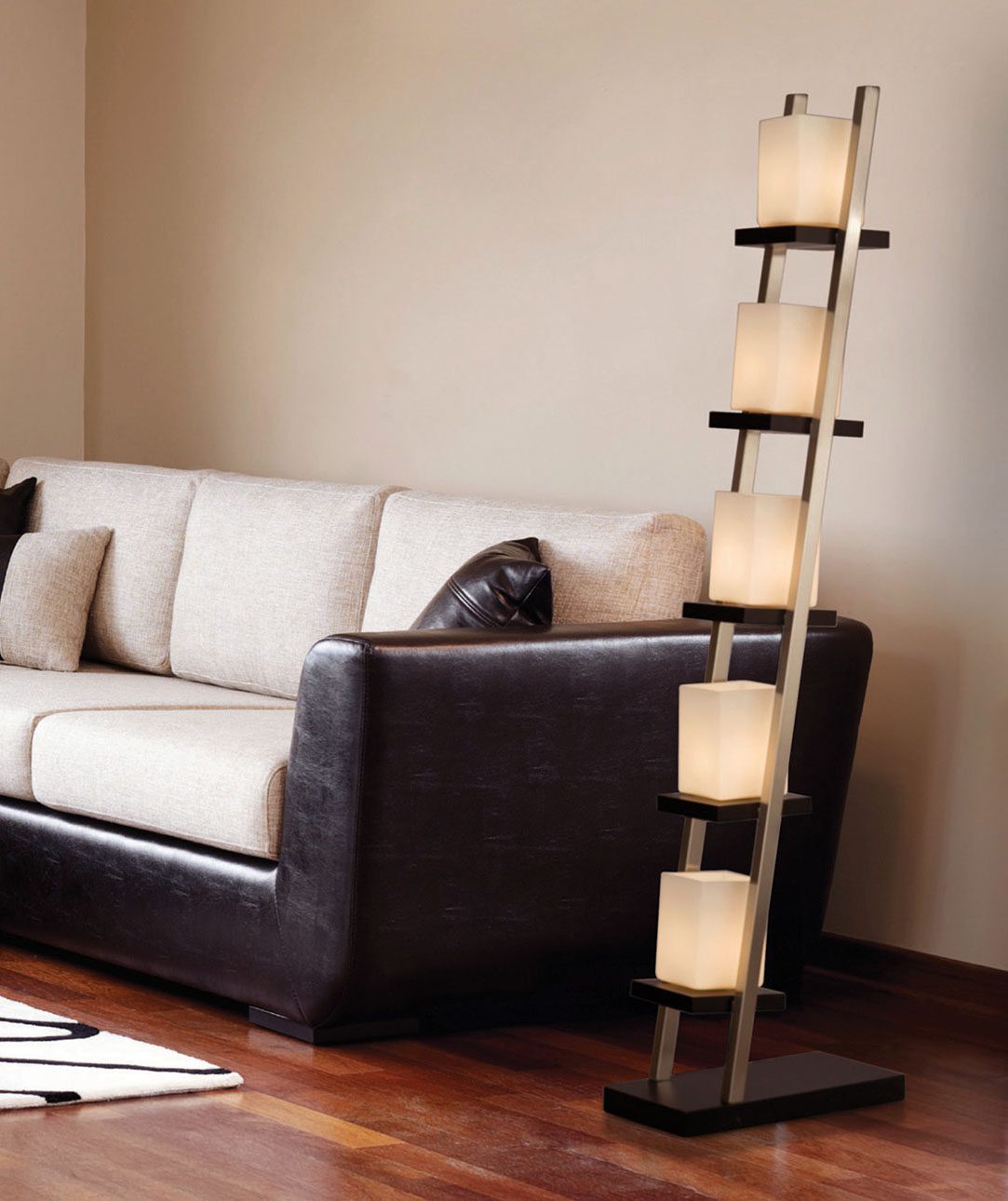
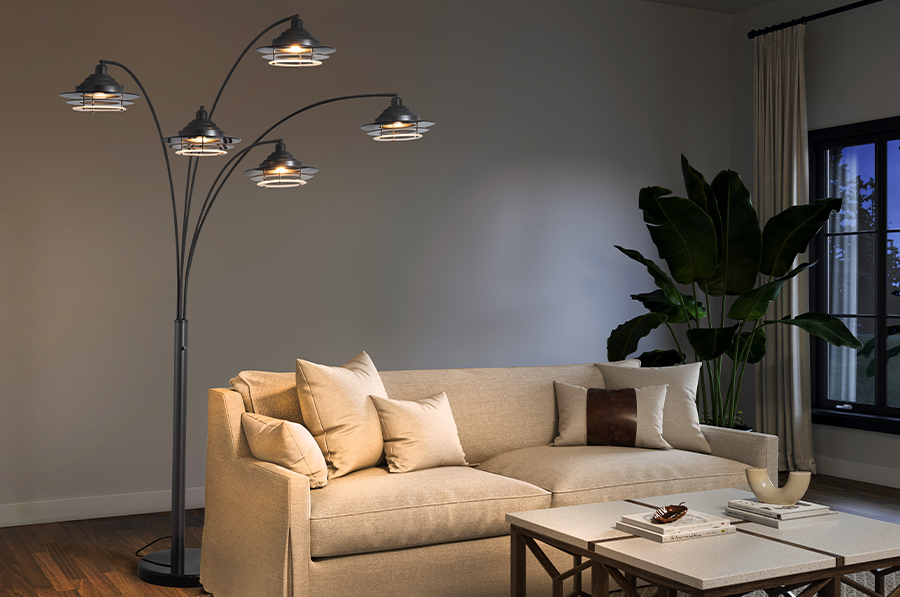
Mica has a quiet power. It does not shout for attention, yet once illuminated, it transforms a space with warmth, texture, and depth. Long before modern materials dominated lighting design, translucent mica minerals were prized for their ability to soften light and create a fire-like glow that felt both grounding and refined.
At NOVA of California, mica lighting is not a trend revival. It is a continuation of a material story that began more than a century ago and still resonates in contemporary interiors today.
Table of Contents
Mica and the Arts and Crafts Legacy
The use of mica in lighting is deeply rooted in the American Arts and Crafts movement, which emphasized honesty of materials, handcraft, and functional beauty.
According to The Metropolitan Museum of Art, the American Arts and Crafts movement was closely aligned with the British movement led by William Morris and later carried forward by designers such as Charles Robert Ashbee and Charles Francis Annesley Voysey.
These designers believed materials should express their natural character rather than hide it. Mica, with its layered translucency and mineral veining, embodied that philosophy perfectly.
What Is a Mica Lamp Shade Made Of?

A true mica lamp shade is not plastic, resin, or imitation stone. Authentic mica shades are crafted from:
- Natural mica mineral flakes
- Organic shellac used as a binding agent
- Hand-laid sheets formed into panels
Because mica is a naturally occurring mineral, no two shades are ever the same. Each panel carries its own crystalline patterns, color variations, and veining. When illuminated, the result is a warm amber glow that feels closer to firelight than electric light.
This is why mica shades are often described as translucent rather than transparent. They diffuse light gently, eliminating glare while adding visual depth.
The Origins of Mica Lighting in America
The first known mica lamp shades in the United States were created in 1910 by Dirk Van Erp, a California-based coppersmith associated with the Arts and Crafts movement. His mica-shaded lamps became iconic for their warmth and handcrafted presence.
These early designs established mica as a premium lighting material, especially suited for homes that valued craftsmanship over ornamentation.
How Mica Became Part of NOVA’s Design DNA
Founded in 1923, NOVA of California has always explored materials that bridge warmth and modernity. Mica entered NOVA’s story through a convergence of design history and innovation.
In the early 1960s, the sons of NOVA’s founders attended the first Salone del Mobile Milano, seeking lighting concepts that could provide overhead illumination without hardwiring or ceiling construction. During that trip, they encountered the revolutionary Arco lamp by Achille Castiglioni.
Inspired by this concept, NOVA began developing arc lamps for the American market. When Peter Morelli joined NOVA in the late 1960s, the idea evolved further. A master woodworker with a modernist sensibility, Morelli explored how natural materials could coexist with clean, architectural forms.
That exploration reached a defining moment in 1998 when Mervyn Weitz became NOVA’s Creative Director.
Mica, Reimagined Through Modern Design
Mervyn Weitz saw mica not as a nostalgic material, but as an emotional one. His goal was simple and ambitious: recreate the warmth of a fireplace using electric light.
That vision led to the creation of the Mica 3-Light Arc Floor Lamp, a design that blends:
- Arts and Crafts material honesty
- Mid-century arc lamp architecture
- Warm, layered illumination
According to NOVA owner Daniel Edeliest, Weitz believed lighting should feel alive. His mica designs achieved that by turning light into atmosphere rather than brightness alone.
Why Mica Works So Well in Translucent Lighting
When mica minerals interact with light, they create effects that other shade materials cannot replicate:
- A soft, fire-like glow rather than harsh illumination
- Natural marbling and fiery veining unique to each shade
- Reduced glare and visual fatigue
- A calming, grounding presence in a room
The word mica comes from the Latin “micare”, meaning to glitter. That subtle shimmer is visible only when light passes through the mineral layers.

Where Mica Comes From
More than half of the world’s mica supply is quarried in India, primarily in:
- Bihar
- Nellore, Madras region
Additional sources include Brazil, Belgium, and China. Once quarried, mica sheets are split, graded, and prepared for use in lighting and other applications.
Is Mica Safe in Lighting?
Mica is only hazardous when inhaled in powdered industrial form. When used in lamp shades:
- It is fully stable
- It emits no toxins
- It is safe for residential interiors
Encapsulated within shellac and mounted away from direct bulb contact, mica is both durable and safe.
Beyond Lighting: The Symbolism of Mica
Historically, mica has been associated with:
- Mental clarity
- Calming chaotic energy
- Encouraging focus and reflection
Whether one views these qualities symbolically or practically, it is undeniable that mica lighting creates spaces that feel quieter, warmer, and more intentional.
NOVA: A Continuing Mica Tradition
As the oldest continuously operating lighting company in North America, NOVA has maintained its commitment to craftsmanship, material integrity, and forward-looking design.
Today, NOVA continues to produce mica mineral lighting that honors:
- Arts and Crafts authenticity
- Mid-century innovation
- Contemporary living needs
Each mica shade remains a reminder that good lighting is not just about visibility. It is about feeling.