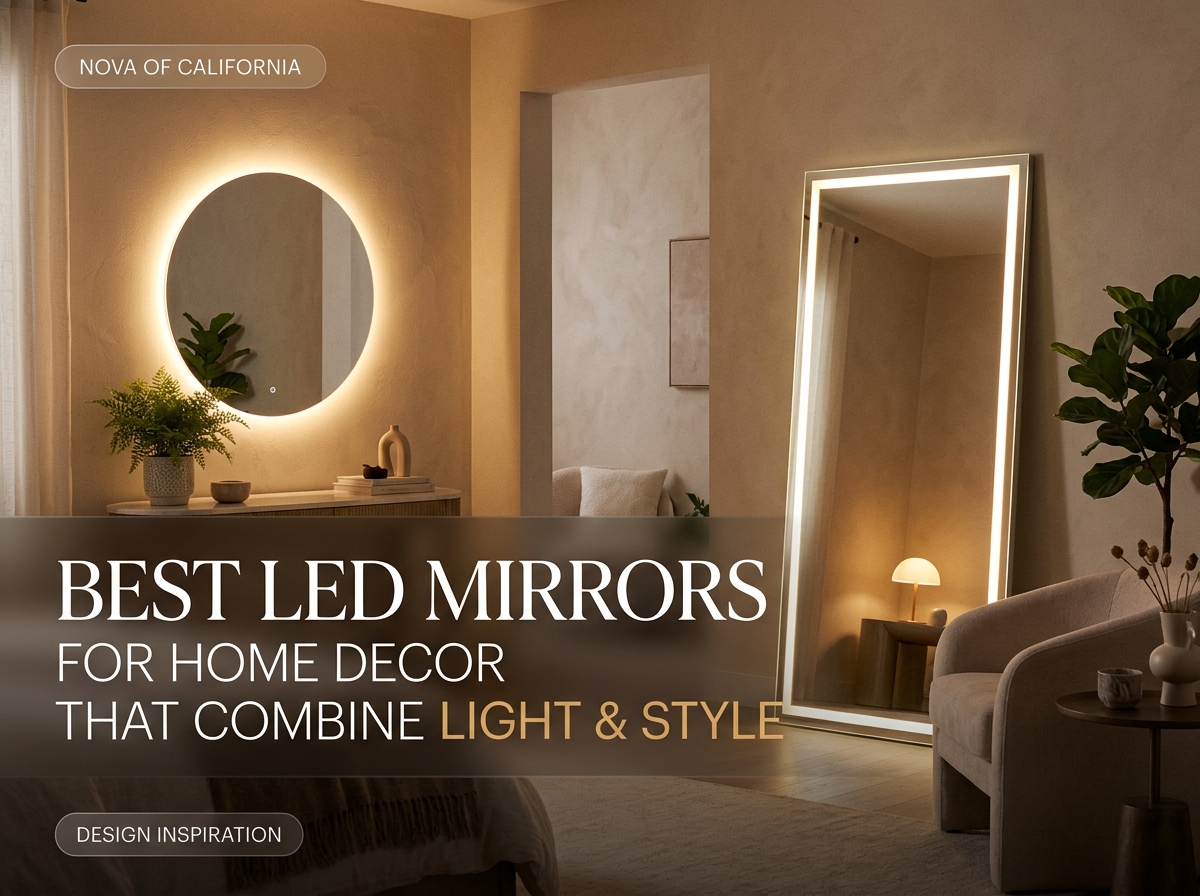
| LED mirrors serve as both a light source and a reflective surface. The best models use perimeter mounted LEDs at 2700K to 4000K color temperature to deliver shadow free illumination for grooming while functioning as ambient room lighting. Backlit designs create a soft halo against the wall. Front lit designs illuminate the face directly for precision tasks. |
What Makes an LED Mirror Different from a Regular Mirror
A standard bathroom mirror does one thing. It reflects. You need a separate vanity light bar or sconce above it to see your face clearly. That creates shadows under the chin, nose, and eye sockets because the light falls from a single angle above.
An LED mirror wraps light around the entire perimeter of the reflective surface. The illumination comes from multiple angles simultaneously. This eliminates the hard shadows that overhead fixtures create. The result is even, balanced light across the face. Makeup artists and dermatologists prefer this type of lighting because it reveals accurate skin tone and texture.
Beyond the practical function, LED mirrors double as architectural lighting. A 36 inch round backlit mirror mounted on a dark bathroom wall produces a halo of warm light that fills the room without additional fixtures. One product handles two jobs that previously required separate purchases.
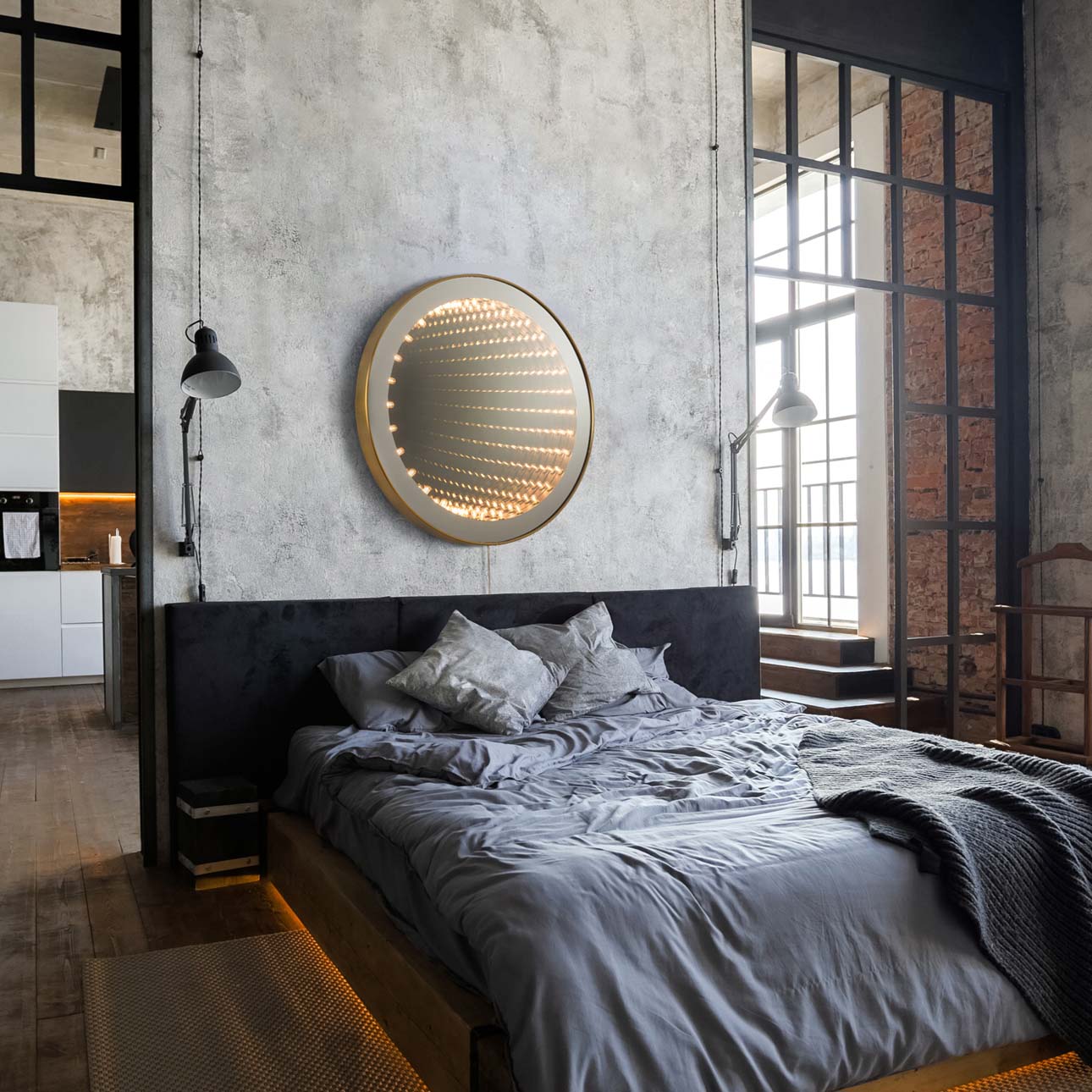
Backlit vs. Front Lit: Which Type Suits Your Space
Backlit LED Mirrors
Backlit mirrors position the LEDs behind the mirror’s edge. The light projects onto the wall and creates a soft glow around the perimeter. This produces a floating effect. The mirror appears to hover in front of a ring of light.
This style works best when ambient mood lighting is the priority. Bathrooms, bedrooms, and hallway accent walls benefit most from the backlit approach. The Nova Aurora 36 inch Round Backlit LED Mirror ($499) delivers exactly this effect. Its warm 2700K LEDs cast a wide halo that turns a blank wall into a design focal point.
Front Lit LED Mirrors
Front lit mirrors mount the LEDs facing outward around the mirror’s frame or border. The light projects directly toward the viewer. This is the better choice for task oriented spaces where you need clear, shadow free illumination.
The Nova Super Star Round LED Mirror ($499) uses a front facing LED ring that delivers 1,500 lumens of even light. For a bathroom vanity, this replaces the overhead light bar entirely. The CRI of 95 or higher ensures colors render accurately. That matters when you are matching foundation, checking a shave, or evaluating skincare.
Best LED Mirrors for Every Room
Bathroom
The bathroom is where most people first encounter LED mirrors. The combination of moisture resistance, integrated lighting, and space saving design makes them a natural fit. A single LED mirror can replace a medicine cabinet mirror and a vanity light bar.
The Mojave Round Backlit LED Mirror ($499) was designed with bathrooms in mind. Its sealed construction handles humidity. The backlit design provides ambient glow for nighttime bathroom use without blinding brightness. For larger vanities, the Interlace Backlit LED Mirror ($499) offers a wider profile that covers dual sink installations.
Bedroom
A full length LED mirror transforms a bedroom corner into a functional dressing area. The Marilyn Illuminated Leaner Mirror ($1,199) stands 65 inches tall and leans against the wall. Its perimeter LEDs provide full body lighting for outfit checks while adding a warm ambient layer to the room.
Pair it with wall sconces on the adjacent wall and the bedroom gains complete layered lighting from just two fixture types. No overhead light needed for evening routines.
Living Room and Entryway
LED mirrors in living spaces serve a purely decorative and ambient purpose. The Carnival Round LED Infinity Mirror ($2,499) creates an infinite tunnel of light that functions as a kinetic art piece. It becomes the centerpiece of any wall it occupies.
For entryways, the Starfall Vanishing Infinity LED Mirror ($1,199) provides both a functional check before you leave the house and a striking first impression for guests. Its layered LED rings produce depth that makes a narrow hallway feel more spacious.
How to Choose the Right Size and Placement
Size should match the vanity or the wall section where the mirror will mount. For bathroom vanities, the mirror should be 2 to 4 inches narrower than the countertop on each side. A 36 inch vanity pairs well with a 30 to 32 inch mirror. A 48 inch vanity takes a 36 inch mirror comfortably.
Height placement follows a simple rule. The center of the mirror should sit at eye level for the primary user. For bathrooms shared by people of different heights, split the difference and center it at 60 inches from the floor.
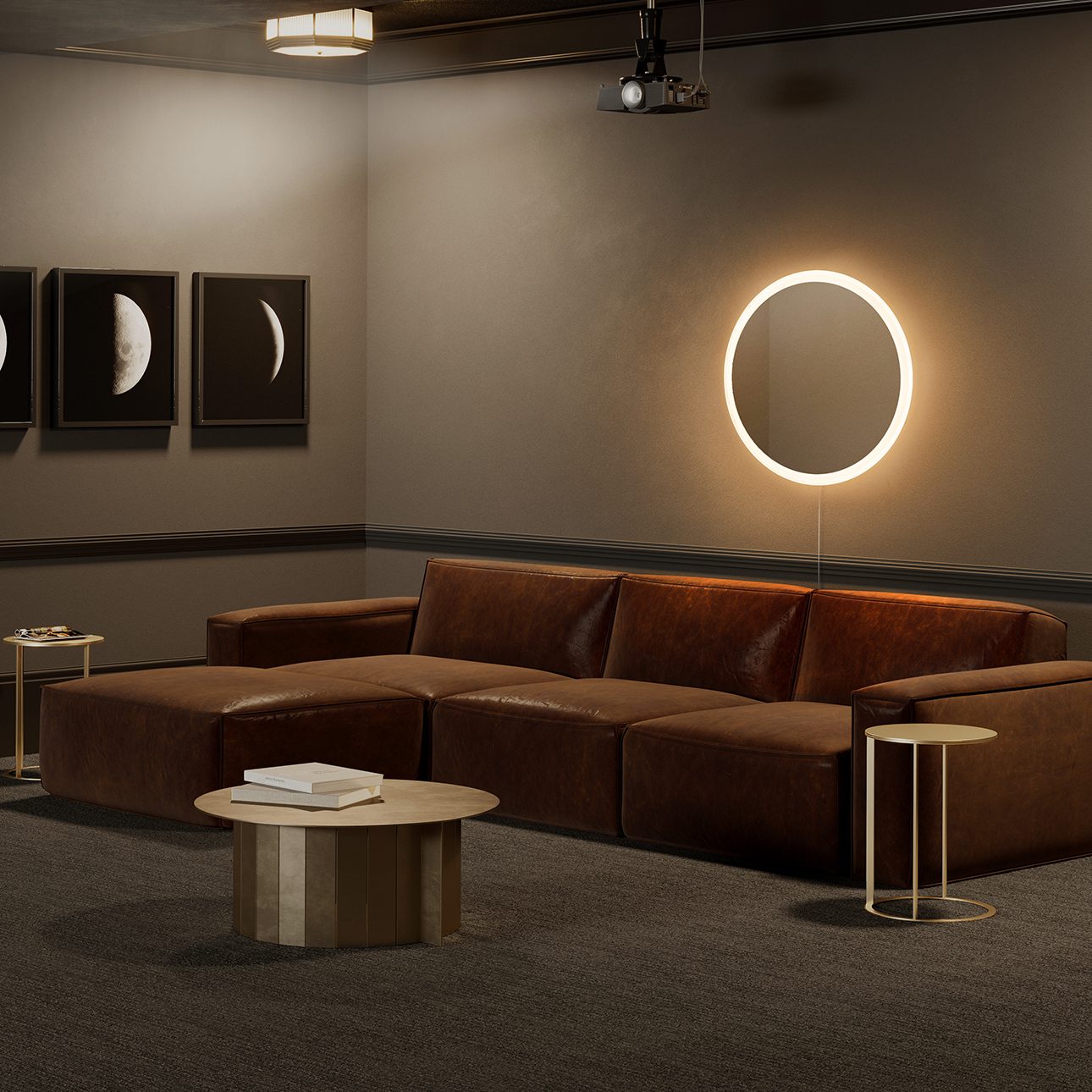
Placement matters for the lighting effect too. A backlit mirror on a white wall produces a subtle glow. The same mirror on a dark wall creates a dramatic halo. If you want maximum ambient impact, mount a backlit model against a charcoal, navy, or dark wood wall.
LED Mirror Specs That Actually Matter
Manufacturers list dozens of specifications. Three of them determine whether the mirror performs well in daily use.
Color Temperature: 2700K to 3000K reads warm and flattering. 4000K to 5000K reads clinical and bright. For bathrooms and bedrooms, stay in the warm range. Nova LED mirrors operate at 2700K with the option to pair with adjustable bulbs for cooler task lighting when needed.
CRI (Color Rendering Index): Anything below 90 distorts skin tones and fabric colors. Nova mirrors deliver CRI 95 or higher. The difference between CRI 80 and CRI 95 is visible to the naked eye. Colors look muted and slightly grey under low CRI lighting.
Lumens: For task lighting, you need at least 800 lumens from the mirror itself. Nova LED mirrors output 1,500 lumens. That is enough to serve as the primary light source in a small to medium bathroom without supplemental fixtures.
Pairing LED Mirrors with Other Lighting
An LED mirror works best as part of a layered lighting scheme. In the bathroom, pair it with recessed ceiling cans for general illumination. The mirror handles task and accent duties. In the bedroom, combine a backlit mirror with a floor lamp for reading and the room supports every activity without overhead light.
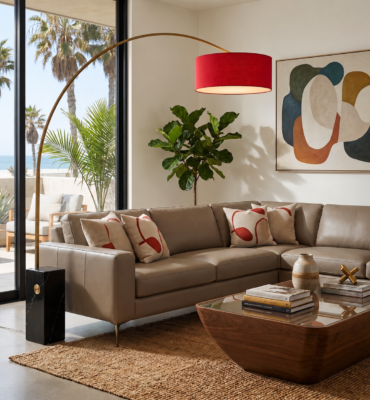
In living spaces, an infinity or backlit mirror pairs well with arc floor lamps positioned on adjacent walls. The mirror reflects the lamp’s light back into the room. Two fixtures produce the luminous coverage of four.
Frequently Asked Questions About LED Mirrors
How long do LED mirrors last?
LED mirrors typically last 25,000 to 50,000 hours. At 3 hours of daily use, that translates to roughly 20 to 45 years. Nova LED mirrors use LEDs rated at 25,000 hours with consistent brightness throughout their lifespan.
Can LED mirrors be used in wet areas like showers?
LED mirrors rated for bathroom use are designed to handle ambient moisture and humidity. They should not be installed inside a shower enclosure or anywhere that receives direct water spray. Mount them on a dry wall adjacent to the shower or above the vanity.
Do LED mirrors need special wiring?
Most LED mirrors plug into a standard outlet. Some models offer a hardwired option for a cleaner installation without a visible cord. Nova LED mirrors support standard plug in connections for easy installation.
What is the difference between an LED mirror and a lighted vanity mirror?
A lighted vanity mirror typically has exposed bulbs around the frame in a Hollywood style. An LED mirror integrates the light source behind or within the mirror’s edge for a sleeker, more modern appearance. LED mirrors also consume less energy and produce less heat than bulb based alternatives.