Why table lamps matter more than they seem
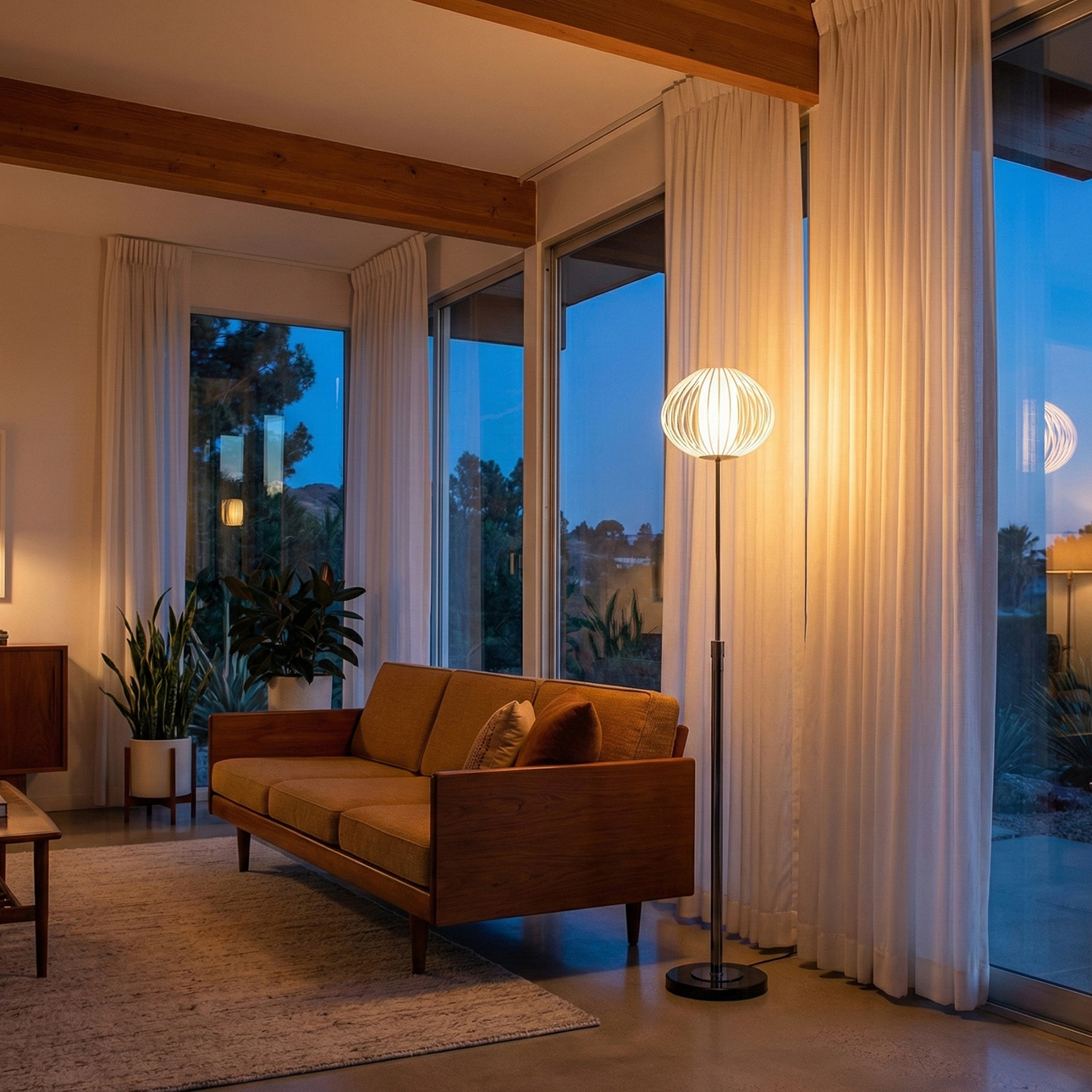
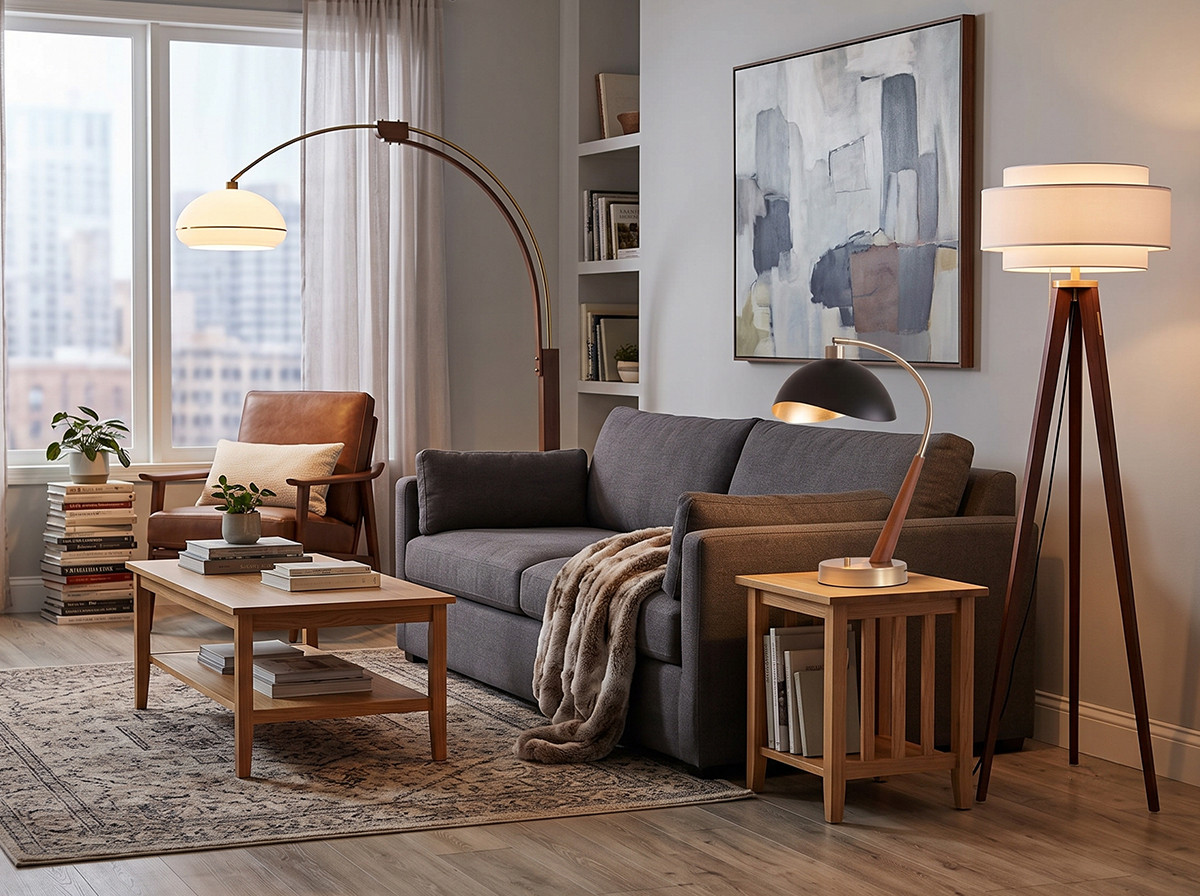
A table lamp is often the first light people reach for when they walk into a room in the evening. It sits at eye level, it shapes the feel of a seating area, and it can make a modest living room look carefully designed. Yet most living rooms rely on a single overhead fixture or a floor lamp in one corner, leaving side tables and consoles in shadow.
Choosing a modern table lamp is about balance. The right lamp adds warmth at the height where people actually sit and read, and it does so without competing with the rest of the room.
What makes a table lamp modern
Modern table lamps share a few traits. They have clean silhouettes, restrained ornament, and materials that feel honest, such as ceramic, metal, glass, or warm wood. The shade is usually simple and matched to the base, so the whole piece reads as one object rather than a base with a shade added later.
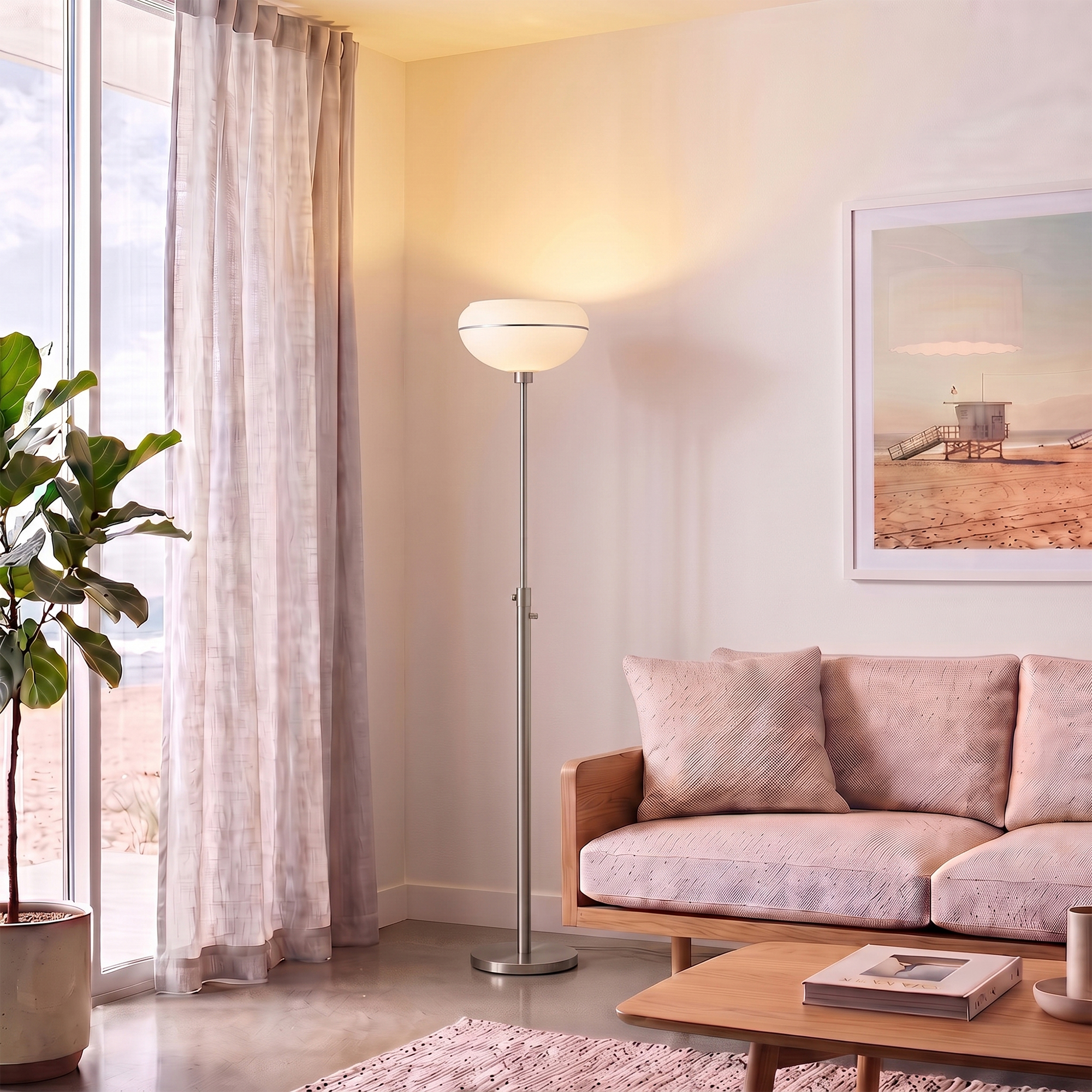
Modern does not mean cold. A good modern lamp still gives off soft, warm light, usually around 2700K, which keeps the living room welcoming after sunset. Cool white light works in a kitchen or workspace, but in a living room it makes the room feel like an office.
Sizing the lamp to the furniture
Proportion decides whether a table lamp looks right. A lamp that is too small disappears next to a sofa, and a lamp that is too tall makes a side table feel crowded. As a working guide, a lamp on a standard side table often looks best when the base and shade together reach a height that sits comfortably above the sofa arm when the person is seated.
Check the shade width against the table top as well. The shade should be wide enough to look balanced on the surface but not so wide that it blocks easy access to the table. Measure the table, sketch the lamp outline on masking tape, and look at it for a day before you commit.
Where to place a table lamp
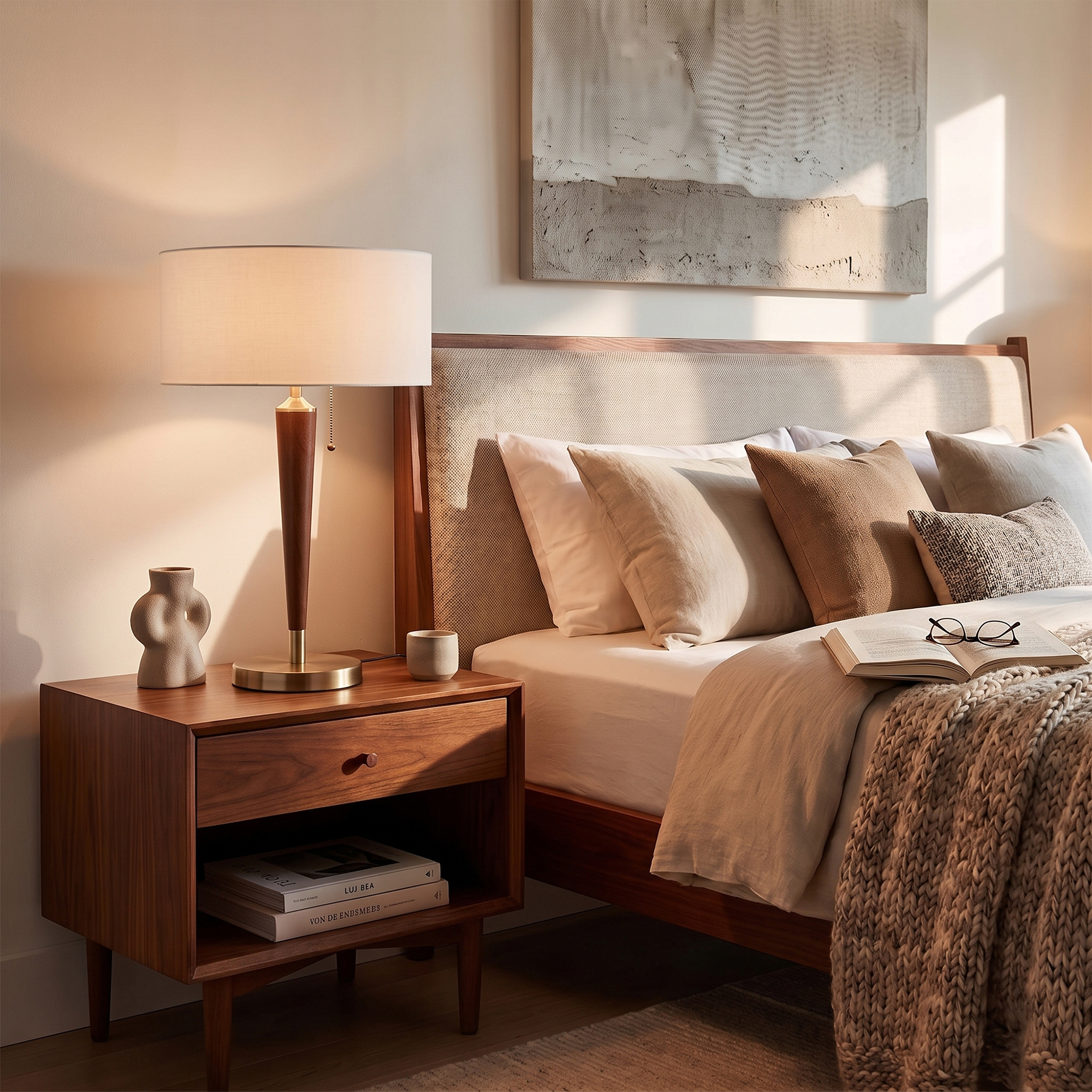
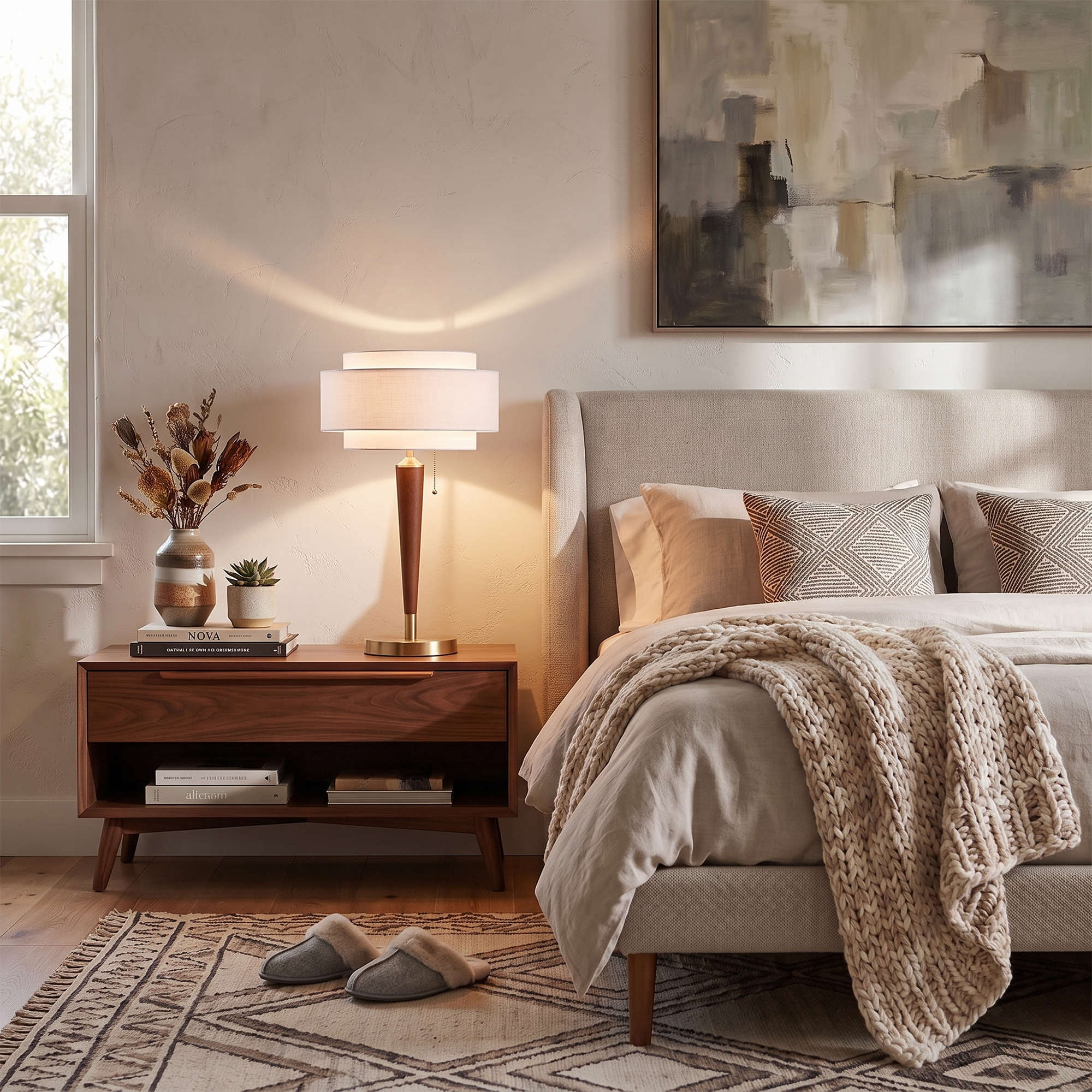
The most common placements are side tables beside a sofa or armchair, a console behind a sofa, a credenza in a dining area, and a desk in a home office. Each placement asks for a different light. A side table lamp should be easy to reach and provide soft ambient light for reading. A console lamp adds depth to a wall and works best as a pair on either end. A credenza lamp sets the mood in a dining room and should be placed where it will not glare into the eyes of guests.
Avoid placing a single table lamp in the middle of an open wall with nothing around it. Lamps look most intentional when they sit within a group of objects, such as a plant, a stack of books, or a small piece of art.
Styles that suit a modern living room
Several table lamp styles work well in a modern living room, and each brings a different feel. A ceramic base adds softness and works in neutral palettes. A metal base brings structure and suits rooms with black, brass or nickel accents. A wood base, especially in walnut or oak, adds warmth and balances cool materials like glass or steel. A glass or frosted shade diffuses light gently and is a good choice for rooms that get a lot of daylight.
Mid century influenced lamps remain popular because their proportions feel relaxed and balanced. The Artemide Tolomeo, designed by Michele De Lucchi and Giancarlo Fassina, is a classic example of an adjustable lamp whose clear geometry still reads as modern. Its clean arms and simple head show that a table lamp can be both expressive and practical. The Artemide Tizio, designed by Richard Sapper, follows the same idea in a more compact form, with a precise, adjustable head that still feels calm in a living room.
Finishes that work together
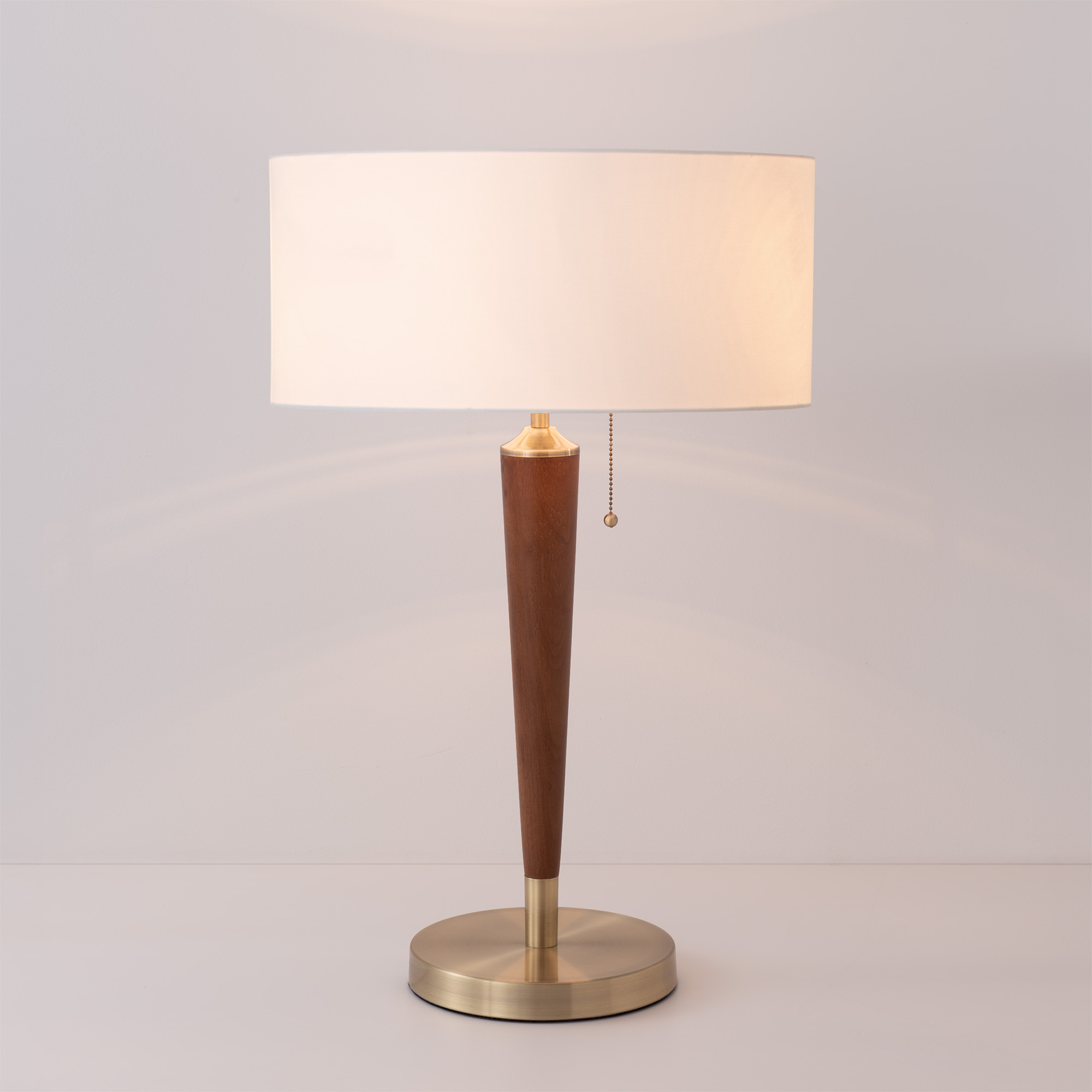
NOVA table lamps are offered in three finishes: weathered brass, satin nickel and matte black. Each finish suits a different palette. Weathered brass pairs well with wood, linen, and warm neutral walls. Satin nickel works with cool grays, glass, and softer metals. Matte black suits white walls, clean lines, and contemporary art.
To keep the room cohesive, repeat one finish at least twice. Two brass lamps on a console, or a black lamp echoed by a black picture frame, make the room feel planned rather than assembled over time.
Light, dimming and bulb choice
A table lamp should be dimmable. Full brightness is useful for tasks, but most of the time people want a lower glow for conversation or reading. NOVA lamps use a 14 watt E26 LED bulb that delivers about 1500 lumens at 2700K with a color rendering index of 95 or higher. The bulb is equivalent to a 100 watt incandescent, which gives enough light for most living room tasks without harshness.
Smart features are a common question. NOVA table lamps are dimmable and ready for smart bulbs through the E26 socket. The lamp does not connect to wifi on its own. If a client wants app control or scheduling, a smart bulb can be added later without changing the lamp.
Table lamps for bedrooms and home offices
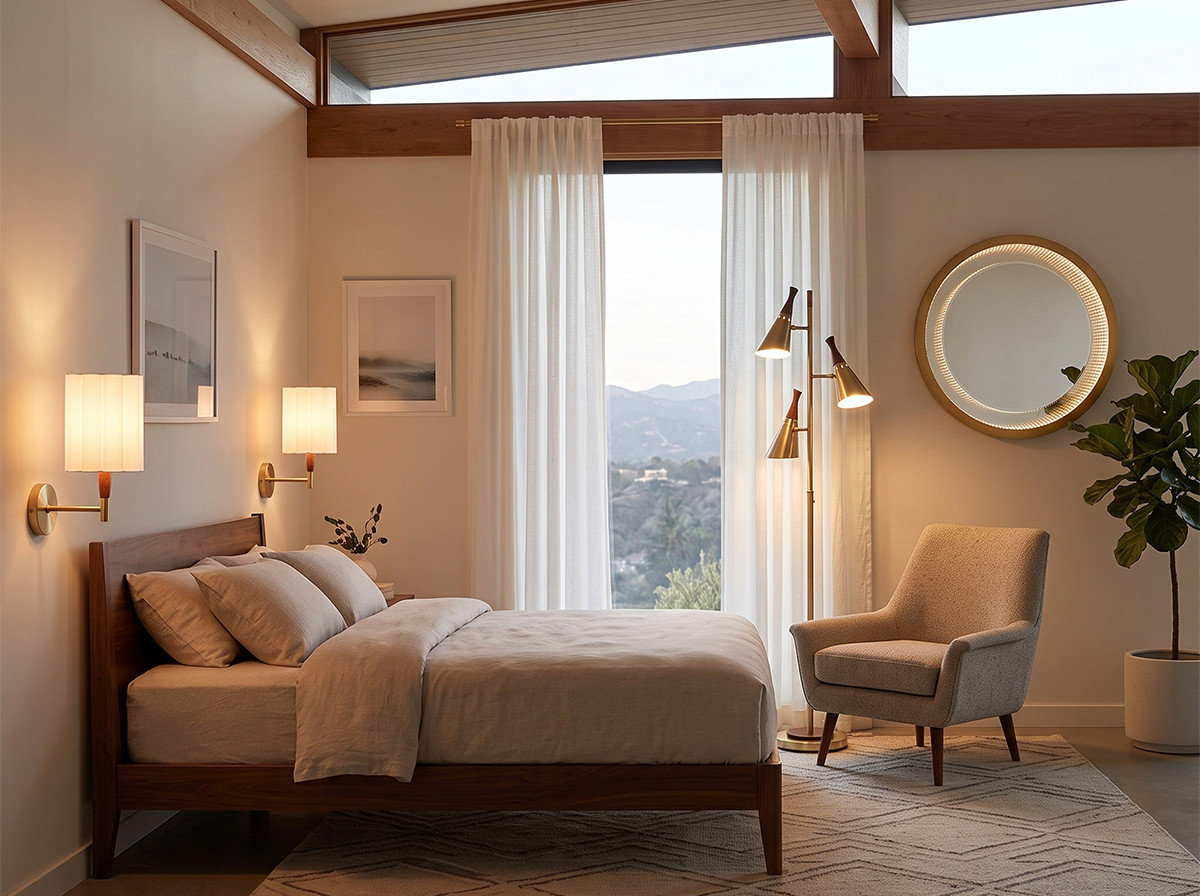
The same principles apply in a bedroom, but the goal shifts toward rest. A bedside lamp should be low enough to reach from bed without stretching, and it should have a dimmer or a low setting. Many people read in bed, so the light should fall on the page and not on the ceiling. A lamp with a shade that directs light downward works well for this purpose.
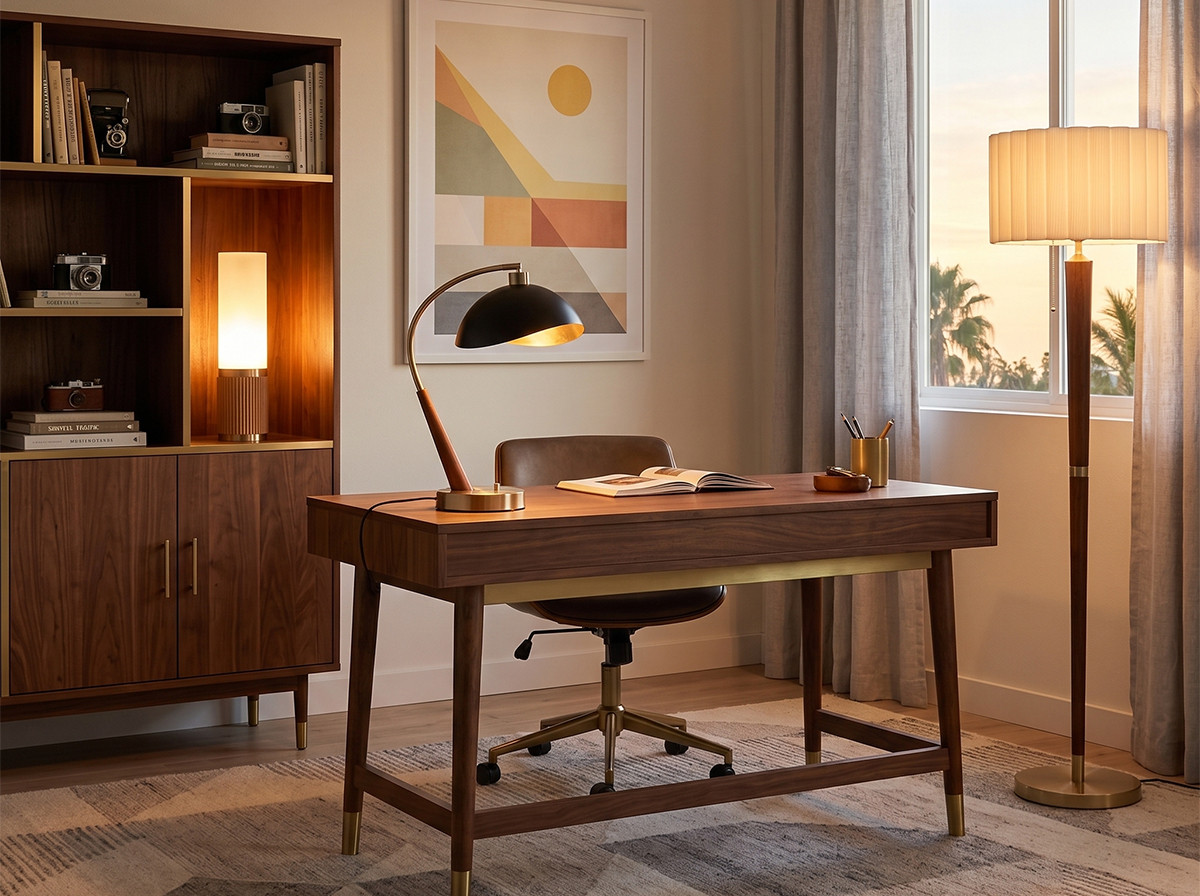
A home office asks for something different. A desk lamp should give steady light across the work surface, with enough brightness to read documents without eye strain. Position the lamp to the side of the work area rather than directly behind a screen, which reduces glare and shadows on the keyboard. Choose a warm light level so the workspace does not feel harsh through a long afternoon.
In both rooms, a table lamp adds a sense of care. It signals that the space was designed for the person who uses it, and that thought shows in small daily moments.
Common mistakes to avoid
The most common mistake is choosing a lamp that is too small. A compact lamp can look lost on a large side table, and it rarely gives enough light for a reading chair. The second mistake is mixing too many finishes. Two or three finishes in one room can look busy, while one or two usually look intentional.
A third mistake is ignoring the shade. A shade that is too dark blocks light, and a shade that is too bright and open can cause glare when seen from the sofa. Look at the lamp from the seat you use most before deciding.
A simple placement plan for the whole room
Start with the seating area. Place one lamp on the side table nearest the main chair and a second lamp on the opposite side if the room has a sofa. Add a lamp to a console or credenza if the room has a long wall. Keep the overhead light on a dimmer, so the room can move between bright and gentle light through the evening.
This layered approach makes the living room feel warm and balanced. Each source of light serves a clear purpose, and the room looks finished without relying on one bright fixture in the ceiling.
Choosing with confidence
A table lamp is one of the most useful purchases in the home. It changes how a room feels every evening, and it is easy to live with for years. Measure the table, decide on the finish, choose a warm light level, and place the lamp so it supports the way you actually use the room.
When in doubt, look at the lamp in the space it will occupy. A lamp that looks right in the room is the right lamp, no matter how it looks in a photograph.